Best Boots for Icy Conditions: Budget, Midrange, and Premium Bands in 2026
Disclosure: We may earn a commission when you buy through links on this page, at no extra cost to you. As an Amazon Associate I earn from qualifying purchases. Learn more
Budget to premium bands compared: the best boots for icy conditions, with lug, insulation and fit advice.
Winter boot prices run from the cost of a nice dinner to the cost of a small appliance, and every box promises grip, warmth, and comfort. The useful question is where the money actually changes your day on ice, and where it only changes the label. This guide sorts the best boots for icy conditions into three price bands so you can see what each band really buys.
You will find what changes as prices climb, which features deserve your money, and which ones you can skip without regret. Start with the comparison table below for the quick picture, then read the band that matches your winter and your route.


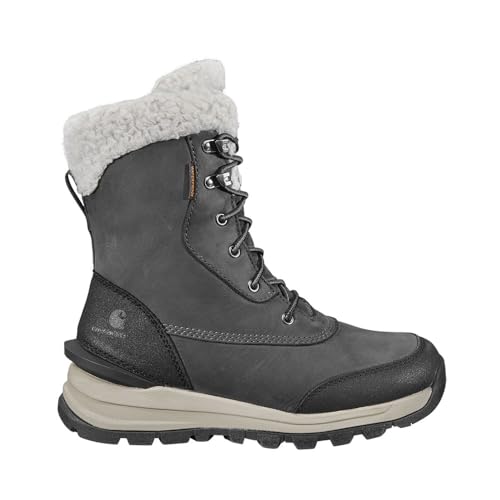
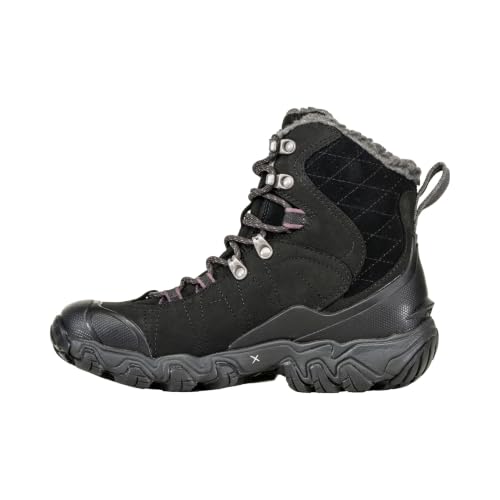

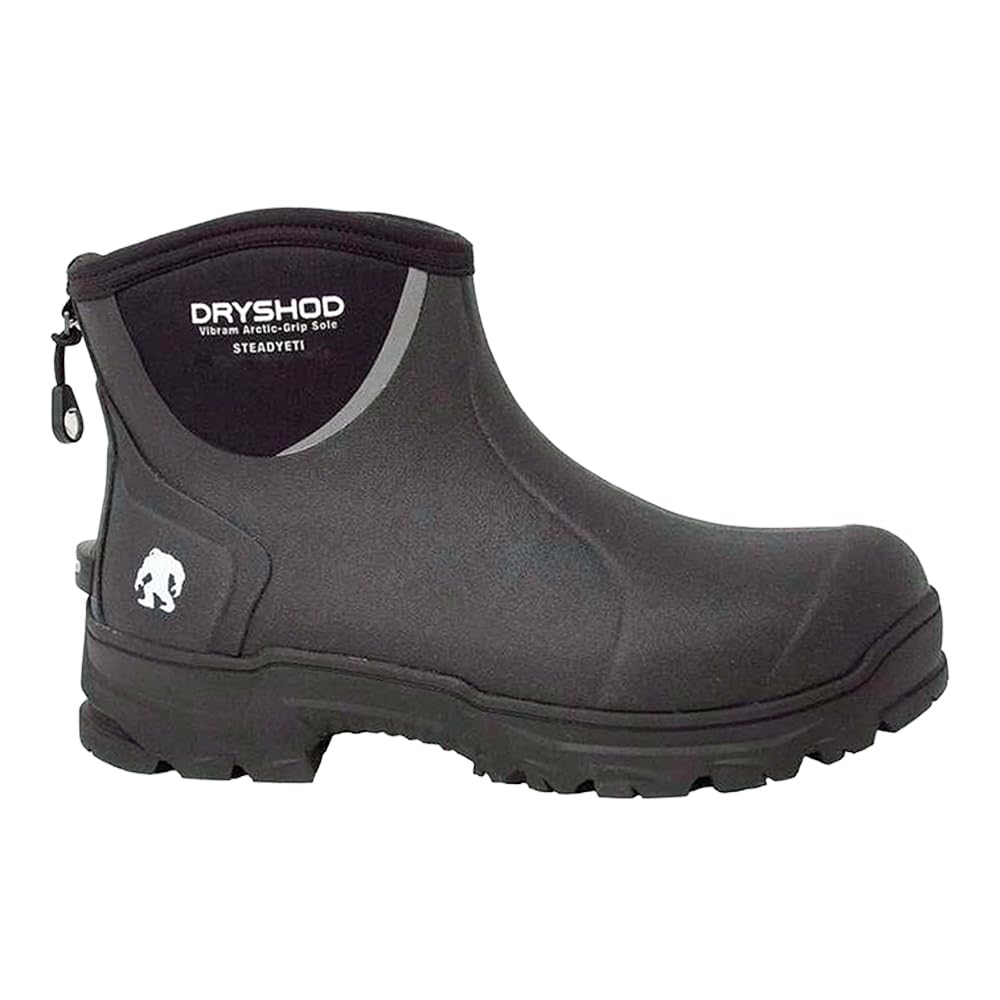

Three Price Bands for Three Kinds of Winter Day
Start with the limit every band shares. No boot removes the risk of a fall on ice, and any pair that promises total safety is overselling. What a boot can do is improve your odds, and the outsole does most of that work. Lugs about 4 to 6 millimetres deep give the rubber edges that can bite into a slick surface, and a soft compound that stays flexible in deep cold keeps those edges pressed to the ground instead of skating across it.
Budget Band for Sidewalks and Short Errands
Budget pairs run about $50 to $90 and cover short, familiar trips: the mailbox, the bus stop, a cleared sidewalk. Expect lugs at the shallow end of the range, about 200 grams of insulation, and a shorter shaft. That is honestly enough for brief outings in plowed areas, as long as you accept slower, more careful steps. Shoppers who want the wider winter picture first can browse the guide to best winter boots for icy conditions.
Midrange Band for Daily Commutes
Midrange pairs run about $90 to $160 and are where daily winter walking gets properly equipped. Lugs reach the full 4 to 6 millimetre depth, insulation rises to about 400 grams, and a waterproof membrane keeps slush out on the walk to work. Most midrange lines include a version cut on a narrower last for women, compared in the guide to best women's winter boots for icy conditions. For most commuters, this band is the honest stopping point.
Premium Band for Deep Cold and Long Days Out
Premium pairs run about $160 to $280 and buy endurance rather than a different kind of grip. Insulation climbs to about 600 to 800 grams, shafts grow taller for deep snow, and the rubber compounds stay flexible in colder air than budget soles can handle. If deep snow matters more than bare ice on your route, compare the taller pairs in the guide to best snow boots for icy conditions. Buy this band for hours outside, not for a five minute errand.
What Your Money Gets You at Each Price Tier
Budget Tier: Simple Warmth, Honest Limits
At the budget tier you get about 200 grams of synthetic insulation, a glued sole, and either a basic water resistant finish or no membrane at all. The boots are light and easy to wear, and for mild cold with short exposure they do the job. The limits show up on long waits at a bus stop, where thin insulation lets cold seep in, and after a season or two, when glued soles begin to part from the upper.
Midrange Tier: The Build Most Walkers Need
Midrange money buys sealed seams, about 400 grams of insulation, and uppers that mix leather with tough synthetic panels. Hardware improves as well, with metal hooks and eyelets that survive daily lacing without bending. The outsole rubber is a better grade that keeps its flex and its edge definition through several winters. This is the tier where a boot stops feeling like a seasonal purchase and starts feeling like equipment you rely on.
Premium Tier: Materials and Rebuildable Parts
Premium tiers bring full leather uppers, about 600 to 800 grams of insulation, and linings you can remove to dry overnight. Some pairs use soles a cobbler can replace, which stretches the life of an expensive upper across many seasons. Warranties lengthen too, and the fit range widens, with more half sizes and width options. None of this makes ice less slippery, but it does make the boot warmer, drier, and cheaper per winter over its life.
Features Worth Paying For (and Ones to Skip)
Pay for the compound and the fit, because those two touch the ice and the foot. Skip the extras that never touch either one: glossy fashion finishes, expedition weight insulation for a mild city winter, and tall decorative shafts paired with a smooth outsole that has nothing to grip with.
Features That Matter for Icy Conditions
Ice is hard and smooth, so edge contact matters more than dramatic tread. A compound that stays soft in the cold keeps the whole sole in contact with the surface, while hard rubber touches only at a few points and slides. A wide, flat contact patch under the heel and forefoot steadies each landing, and a low, stable heel avoids the tipping feel of fashion winter boots. These details, not the height of the shaft, decide how a boot behaves on a frozen crossing.
Weight and Flexibility
Heavy boots tire your legs on long walks, and tired legs step carelessly, which is its own risk on ice. A boot that flexes at the forefoot lets your foot roll through a natural step, keeping the lugs planted longer with each stride. Very stiff soles feel secure on a ladder or a slope but can act like planks on flat ice. For town and commuting use, a moderate weight with a clear flex point is the safer balance.
Fit, Sizing, and Toe Box
Fit for thick socks, not for the thin pair you wore to the store. Measure late in the day, leave room to wiggle your toes, since air space around the toes is part of how insulation works, and check that the heel stays seated as you walk. A toe box that cramps thick socks will feel colder than the insulation rating suggests. Women often find a surer heel fit in lasts cut for a narrower heel, as compared in the guide to best women's boots for icy conditions.
Outsole Traction and Terrain
For the iciest stretches, such as a sloped driveway, a strap on cleat is a separate traction aid that you read apart from the boot itself. It adds metal points for pure ice, costs about $15 to $35, and comes off indoors, where it would scar hard floors. Readers who care about grip above all else can compare the grip focused pairs in the guide to best non slip boots for icy conditions. Whatever you choose, remember that lugs worn smooth end a boot's useful grip life.
Long Term Costs to Factor In
The sticker price is only part of winter footwear. Replacement insoles run about $15 to $30 a year, waterproofing treatment needs renewing each season, and a set of strap on cleats adds its own small cost if your route demands them. The biggest hidden cost is the outsole itself: once the lugs wear smooth, the boot's grip life is over even if the upper still looks fine, so a cheaper pair replaced on time can cost less per safe winter than a premium pair worn past its tread. Longer warranties at the higher tiers soften that math but never remove it.
Questions Answered: Winter Boots on Ice
What features matter most in boots for icy conditions?
A soft cold rated compound and lugs about 4 to 6 millimetres deep matter most, since together they decide how much rubber edge meets the ice. Before you commit, walk a new pair across a safe, flat patch of pavement and keep the receipt until you have tried them on your own street. A boot that feels unsure on dry ground will not gain confidence once the surface turns slick.
How should boots for icy conditions fit with thick socks?
Bring your thickest winter socks to the fitting and judge the boot wearing them. Your toes should wiggle freely while your heel stays down with each step. Try both feet, because most people have one foot slightly larger than the other, and always fit the larger one. A boot that is merely snug with thin socks will turn tight and cold once real winter socks go in.
How often should boots for icy conditions be replaced?
Replace them when the lugs wear smooth or the rubber turns hard, not on a fixed calendar. Check each autumn by pressing a thumbnail into the outsole; rubber that still dents slightly keeps its grip, while hard, shiny rubber has lost the softness that does the work. Boots worn daily on pavement may reach that point in two or three winters, while a pair saved for icy days can last far longer.
How long is the break in period for insulated winter boots?
Most insulated boots settle in over about a week of short walks. Wear them around the house first, since a fit problem is far easier to exchange before salt and slush stain the upper and block a return. Stiff leather premium pairs may need two weeks before the ankle area softens. If a boot still pinches after that, the size is wrong rather than the break in being unfinished.
Can boots for icy conditions be worn all day at work?
Yes, but heavy insulation can overheat indoors and leave your socks damp, which then feels cold on the walk home. A spare pair of dry socks at midday does more for late day comfort than a second pair of boots. If your job keeps you inside for most of the day, a midrange pair with moderate insulation usually serves better than the warmest premium option.
Wrapping Up
Buy the band that matches your coldest normal day, and judge every pair by its compound, its lug depth, and its fit with real winter socks. Use the product table above to line the bands up side by side once more. The best boots for icy conditions for you is the pair whose grip, warmth, and price all fit the route you actually walk, not the worst storm you can imagine.