Best Boots for Icy Sidewalks: Buying Guide for 2026
Disclosure: We may earn a commission when you buy through links on this page, at no extra cost to you. As an Amazon Associate I earn from qualifying purchases. Learn more

Outsole rubber, waterproofing and a secure fit for frozen pavement: the best boots for icy sidewalks.
A sidewalk can look clear and still hide a thin sheet of ice, especially near curbs and shaded corners where melt water refreezes overnight. Choosing the best boots for icy sidewalks is mostly about grip you can trust at a normal walking pace, plus warmth and a fit that stays stable when the surface is not. This guide explains what actually helps on frozen pavement.
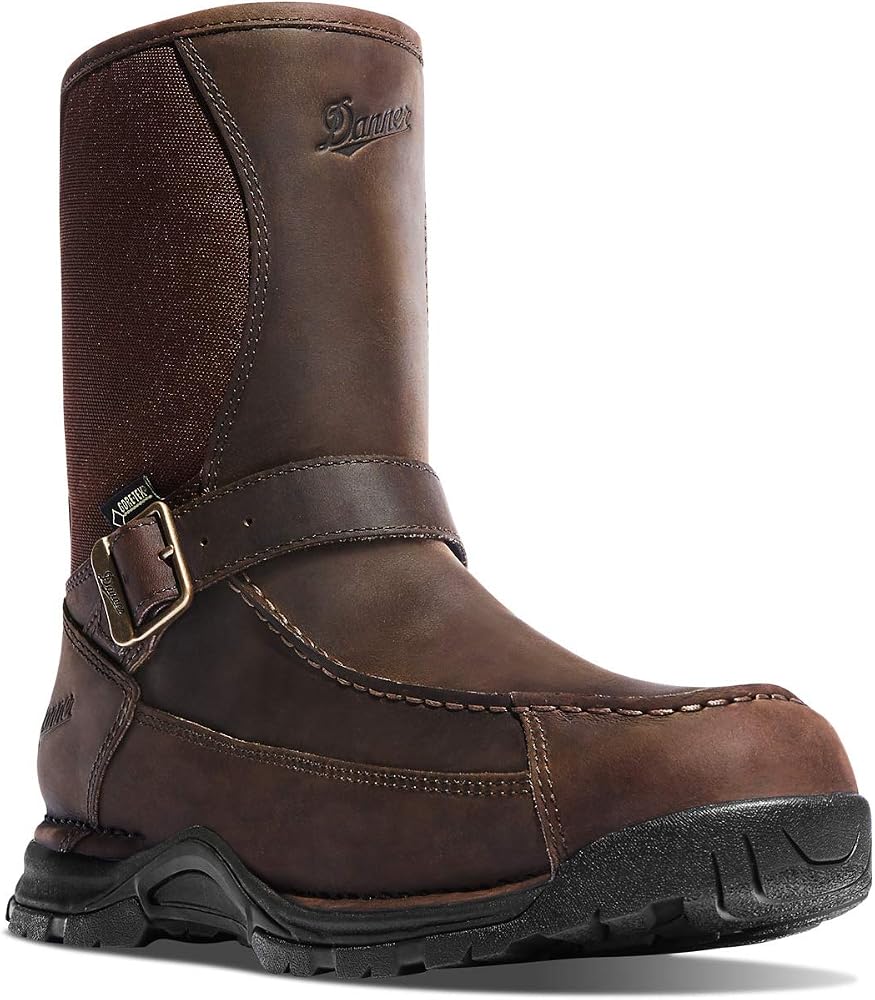
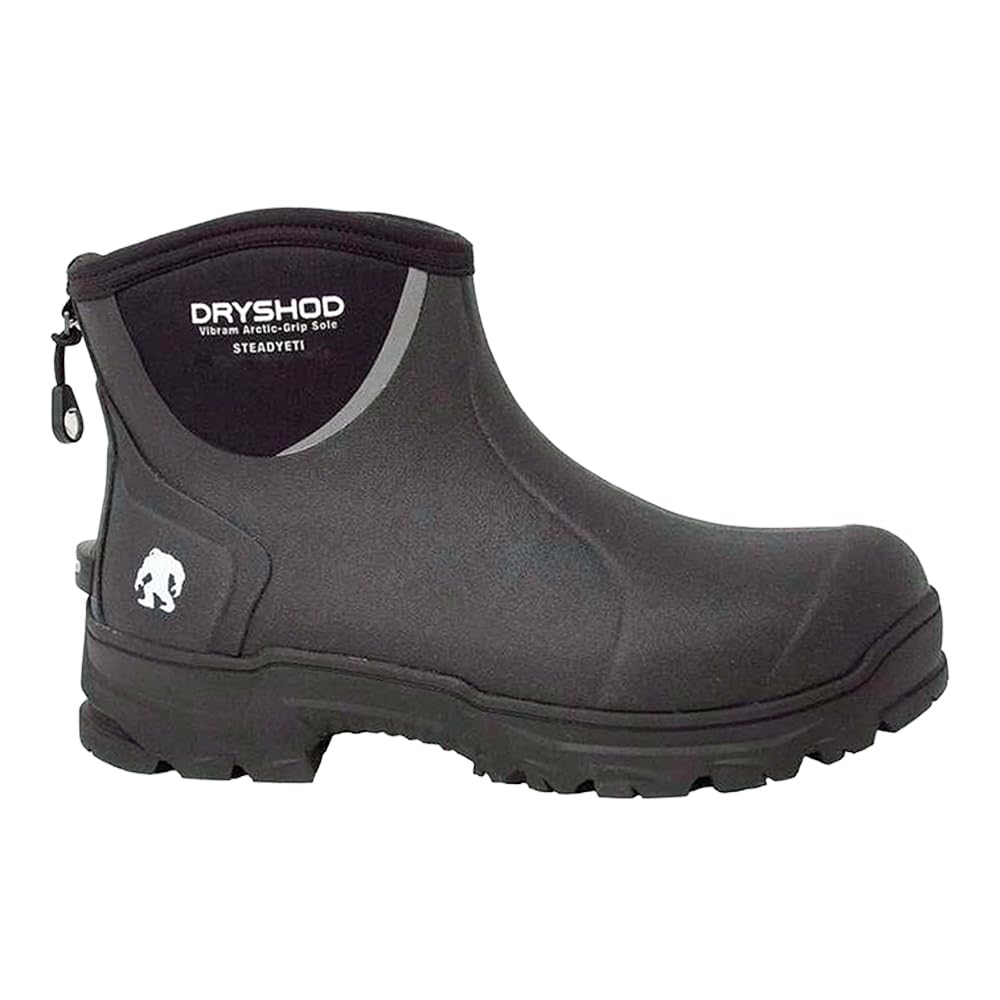
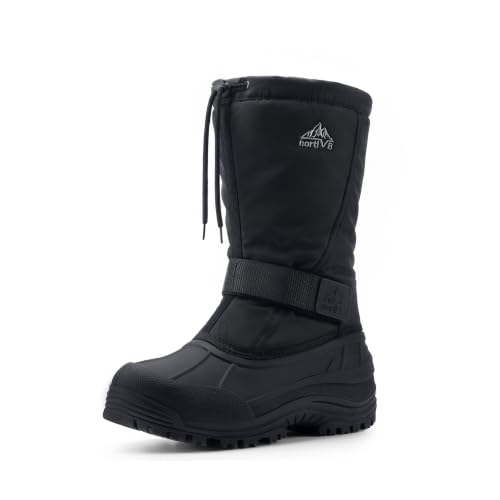
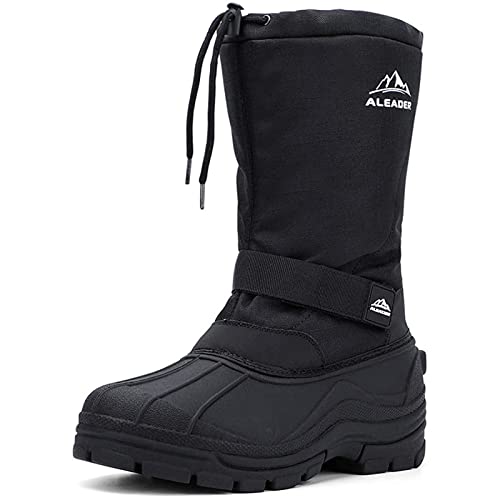
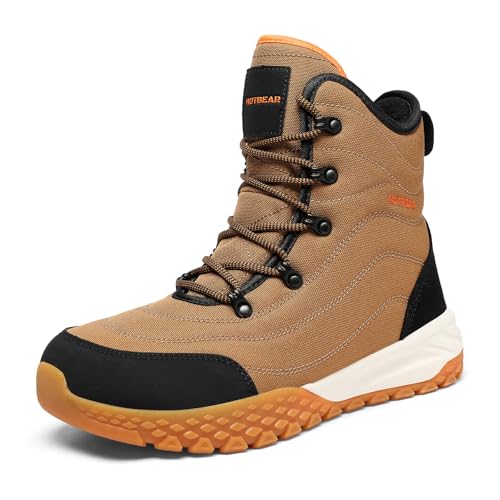
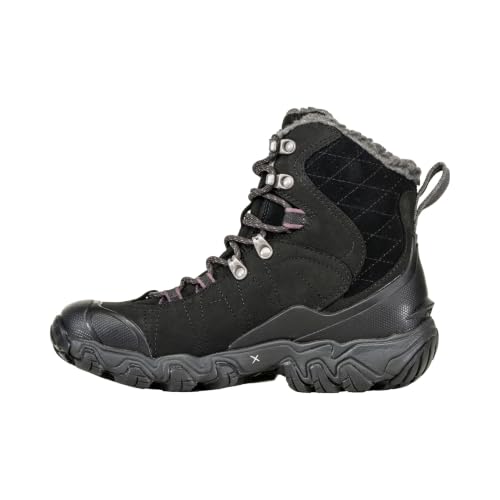
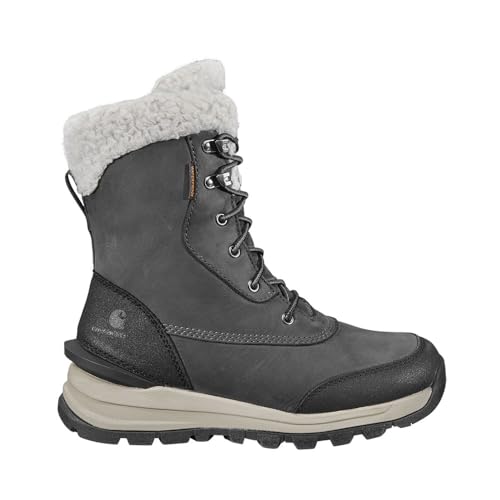
Start with the outsole, then check waterproofing, insulation and fit with the socks you really wear. A tall boot with a smooth sole will not help you, while a modest height boot with the right rubber can feel far more secure. Use the comparison table below to line up the options.




Who Should Buy Boots for Icy Sidewalks?
Most buyers walk the same frozen stretches every day, so your route matters as much as the boot itself. Think about distance, hills and how long you stand still outdoors.
Daily Commuters Who Walk to Transit Stops
You need grip for short, repeated walks and enough warmth for waiting on a cold platform. A mid height boot with a flexible sole suits you well, because stiff soles can feel clumsy on stairs and bus steps. Keep the profile low enough to drive in.
Dog Walkers on Early Morning Routes
You are outside before crews treat the pavement, and a sudden pull from your dog can test your balance. Choose stronger ankle support, a firm heel counter and laces you can snug down fast in gloves. A waterproof build matters too, since sidewalk edges collect slush.
Workers Who Cross Lots, Curbs and Loading Areas
You move between cleared pavement, packed snow and bare concrete all shift long, so you need a sole that grips on ice yet does not feel harsh indoors. Moderate insulation fits better than a heavy build, because overheating leads to damp socks and colder feet later.
Key Features to Compare
The features below decide whether a boot stays planted on ice or skates across it. Judge them in this order, because warmth cannot make up for a sole that cannot grip.
Outsole Rubber and Lug Pattern for Frozen Pavement
The outsole is the single most important part of the boot. Softer rubber compounds stay flexible in cold air and press more surface onto ice, while hard rubber turns slick as temperatures fall. Look for multidirectional lugs about 4 to 5 mm deep with wide channels, since edges facing several directions can bite when you push off, turn or stop.
Waterproof Membranes and Sealed Seams
Sidewalks in a thaw are wet as well as icy, so waterproof boots keep slush and puddle splash from soaking your socks. Membranes such as Gore Tex block outside water while letting some vapor escape, and sealed seams close the stitch holes where leaks start. Full waterproofing suits walkers who step through slush daily. If your route is mostly dry and very cold, a water resistant upper may feel more breathable. Check that the tongue is gusseted, because an open tongue lets melt water in at the laces.
Insulation, Warmth and Breathability on the Move
Insulation is often listed by weight, with about 200 grams suiting active walkers in typical city winters and about 400 grams suiting people who stand still or face colder snaps. More is not always better. If you walk fast or move indoors often, heavy insulation traps sweat, and damp feet chill once you slow down. Match the warmth to your coldest normal day, and leave room in the fit for air, since tight boots feel colder.
Room for Thick Winter Socks Without a Sloppy Fit
Measure both feet in the afternoon, when they are at their largest, and try boots on with your thickest winter socks. Your toes should move freely in the toe box, with roughly a thumb width of space ahead of your longest toe, and your heel should stay seated as you walk. If numbness, tingling or sharp pain does not fade after you loosen the laces, stop wearing the pair and talk with a clinician about your personal needs.
Arch Support, Cushioning and Stability on Hard Ground
Frozen sidewalks are unforgiving, so cushioning under the heel and forefoot softens each step on concrete that gives nothing back. Arch support should match your foot type: flatter feet usually feel steadier with firmer support, while higher arches often prefer more padding. A heel to toe drop of about 8 to 12 mm is common in winter boots and keeps your stride natural. Stability matters more than softness, since a wobbly sole is harder to control on ice.
Ankle Height, Heel Counter and Secure Lacing
Ankle height is a trade off. Taller shafts keep out deep snow and add support on frozen ruts, while shorter boots are lighter for short cleared walks. Whatever height you choose, the heel counter should feel firm when you squeeze it, because that cup holds your heel in line as the sole grips and releases. Lacing should lock the midfoot without crushing your foot. Readers comparing the best boots for icy sidewalks often overlook this, yet a secure upper lets a good outsole do its work.
Types of Boots for Icy Sidewalks Compared
Boot types differ mainly in warmth, weight and how they handle slush. Pick a type before you compare prices, which commonly run about $80 to $180.
Insulated Waterproof Boots for the Coldest Weeks
These pair a waterproof membrane with heavier insulation and a taller shaft. They suit long walks and places where sidewalks stay snow covered for weeks. The cost is weight and warmth you may not want if you spend most of the day indoors.
Mid Height City Boots for Mixed Snow and Ice
This is the most versatile type for town and suburb walking. The shaft covers the ankle, the sole is flexible enough for stairs, and insulation stays moderate. For readers whose winters swing between rain, slush and hard freezes, our guide to the best boots for icy weather covers the differences.
Traction Ready Boots That Accept Removable Cleats
Some boots have low profile soles shaped so strap on cleats sit flat and stay centered. This setup suits walkers who face a few truly slick stretches, such as a sloped driveway, but walk mostly cleared ground. If your whole route is glazed, compare this approach with the options in our guide to the best boots for icy conditions.
Common Mistakes to Avoid
- Choosing a smooth fashion sole for icy sidewalks, because it has almost no edge to bite into ice and a small slip can become a hard fall.
- Buying your summer shoe size, because thick socks then crowd your toes and your feet feel colder.
- Judging grip by lug depth alone, because hard rubber with deep lugs can still skate on smooth ice.
- Wearing cleats indoors on tile, because metal points slide on hard floors and can scratch the surface.
- Ignoring salt damage all winter, because road salt dries leather and attacks seams until cracks and leaks appear.
- Trusting a boot that felt fine in the store, because short indoor steps never test turning or slopes.
Care and Maintenance for Boots Worn on Ice
After each wet or salted walk, wipe the uppers with a damp cloth and brush dried salt from seams. Let boots air dry away from direct heat, since hot air can crack leather and weaken sole adhesives. Stuffing them with paper overnight pulls moisture from the lining.
Once a month, check the outsole edges for rounding, because worn lugs lose their bite long before the upper looks tired. Reapply a water repellent treatment when water stops beading. Readers in similar regions will find related advice in our guide to the best boots for icy pavements.
FAQ
What features matter most in boots for walking on icy sidewalks in deep winter?
Outsole rubber that stays flexible in the cold matters most, followed by a secure fit. One point many buyers miss is that warmth ratings assume you are moving and wearing warm socks, so a boot rated for severe cold may feel only adequate at a bus stop.
Do boots for icy sidewalks need to be waterproof?
No, waterproofing is not required for every walker, but it helps most people. Dry, bitter cold with little snow melt is the main case where a water resistant upper is enough. Note that membranes also slow drying once water gets in over the collar, so a tall shaft matters on slushy routes.
Can I wear boots for icy sidewalks all day at work?
Yes, many people wear them all day, provided the fit and support suit long hours. A useful trick is to loosen the laces indoors so your feet can dry and swelling can ease, then snug them again before you head out. Remove cleats at the door.
How should boots for icy sidewalks fit with thick winter socks?
They should feel secure at the heel and midfoot with clear space at the toes. Try this check at home: stand on a thick book with your heels lower than your toes, and see whether your toes jam forward. If they do, you need more length, not tighter laces. Wear the exact socks you plan to use for the test.
Are more expensive boots for icy sidewalks worth the cost for daily walkers?
They can be, because higher prices often buy better rubber compounds and stronger seam sealing. The value shows up in later winters, when a cheaper sole may have hardened or worn smooth. If you walk only a few icy days a year, a mid priced pair plus cleats is the smarter spend.
How long does the break in period last for boots for icy sidewalks?
Most modern winter boots feel comfortable within two to four short walks. Stiffer insulated models may need a week of brief outings before the ankle area softens. Do your early walks on cleared ground, so you can judge hot spots and heel lift without fighting for grip.
Final Thoughts
Put grip first, then waterproofing and a fit that leaves room for real winter socks. Match insulation to how much you move, and keep soles clean so the rubber can keep biting. The best boots for icy sidewalks for you are the pair you can walk, turn and stop in without thinking about your feet. Compare your shortlist against the product table above.