
Best Boots for Walking on Icy Pavements by Budget for 2026
Disclosure: We may earn a commission when you buy through links on this page, at no extra cost to you. As an Amazon Associate I earn from qualifying purchases. Learn more
Compare the best boots for walking on icy pavements by budget, grip, insulation and fit, with tier guidance, sizing checks and care tips for winter walks.
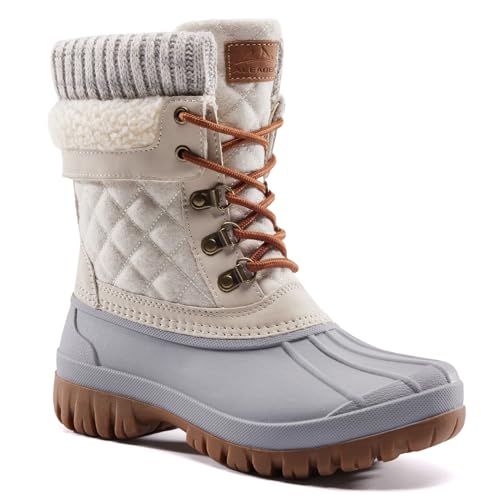
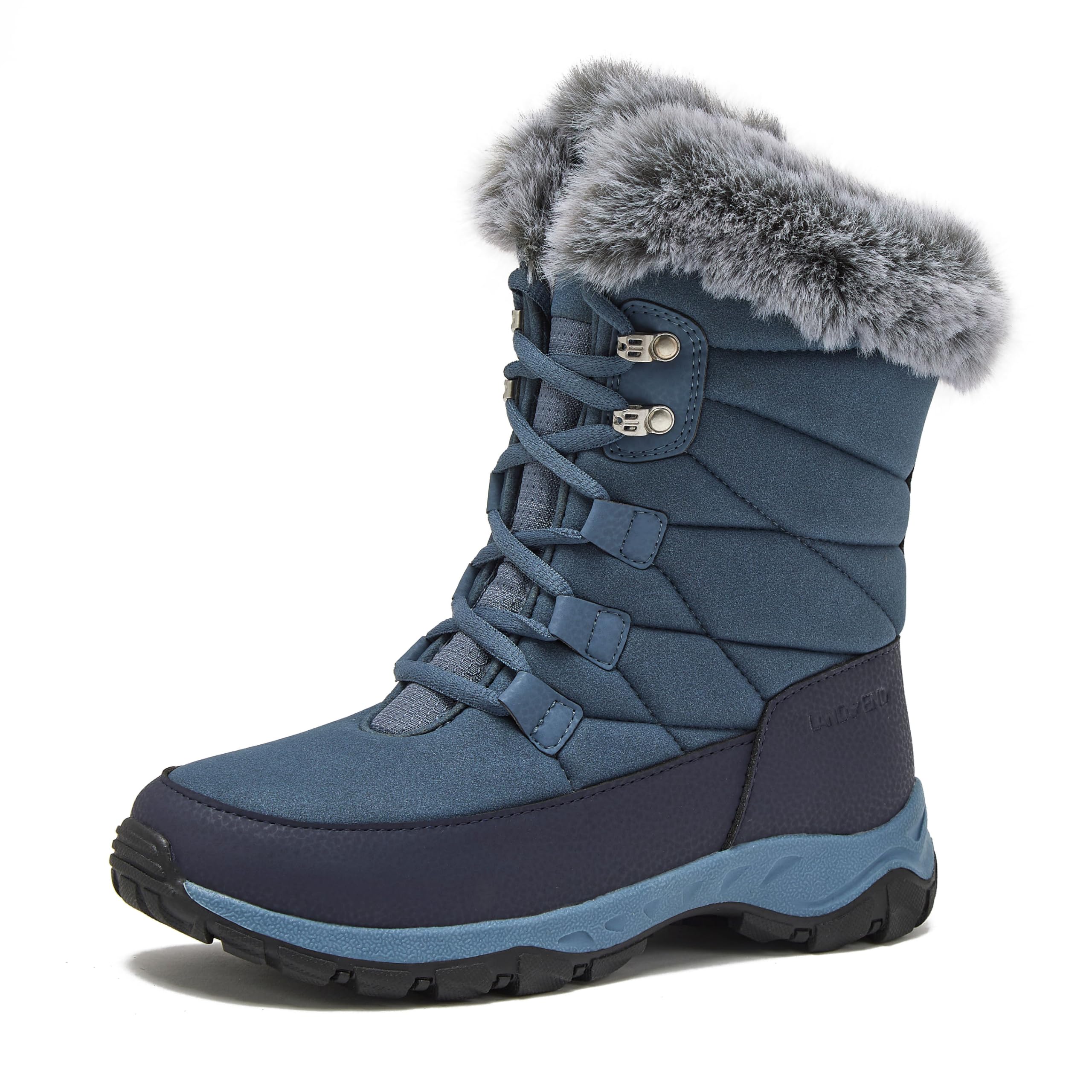
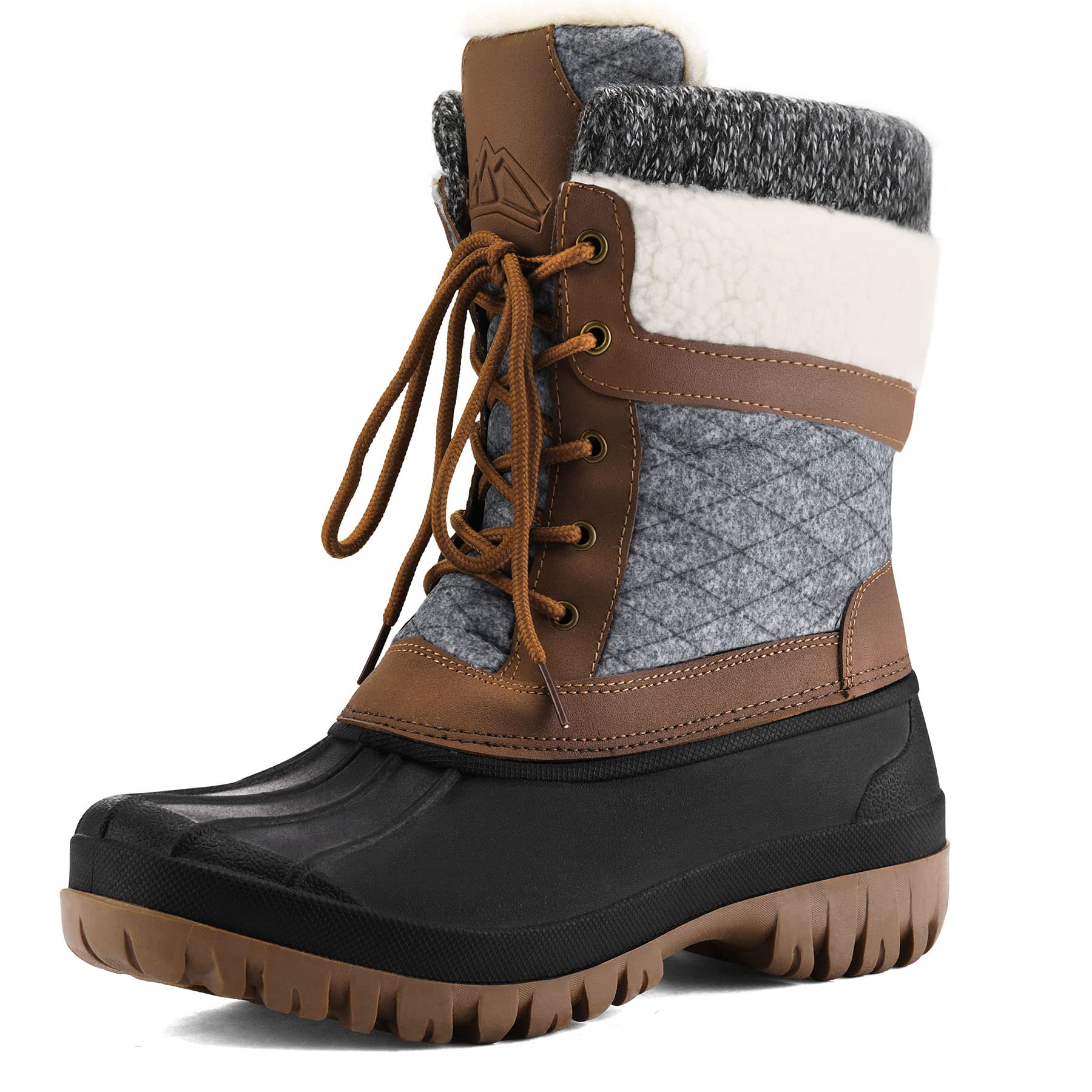
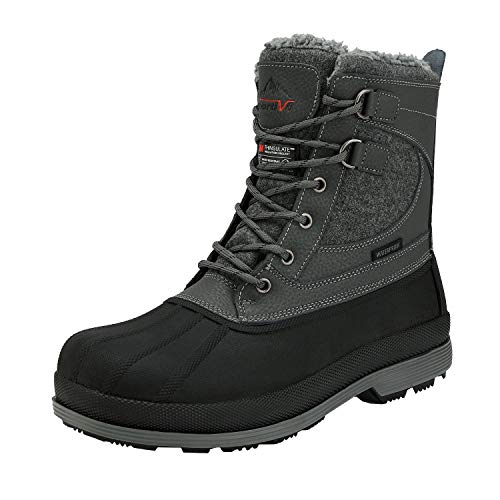
Winter boot prices span a wide range, and the costliest pair is not always safest for your route. The best boots for walking on icy pavements match your daily distance, the cold you face, and surfaces that shift from cleared concrete to smooth ice in one block. Use the comparison table below to compare grip, warmth, and price.
This guide is organized by budget, because that is how most shoppers narrow the field. You will learn what each tier delivers, which upgrades change real walks, and which extras you can skip. Fit checks are included, since a boot that grips well but fits poorly still makes icy steps harder.
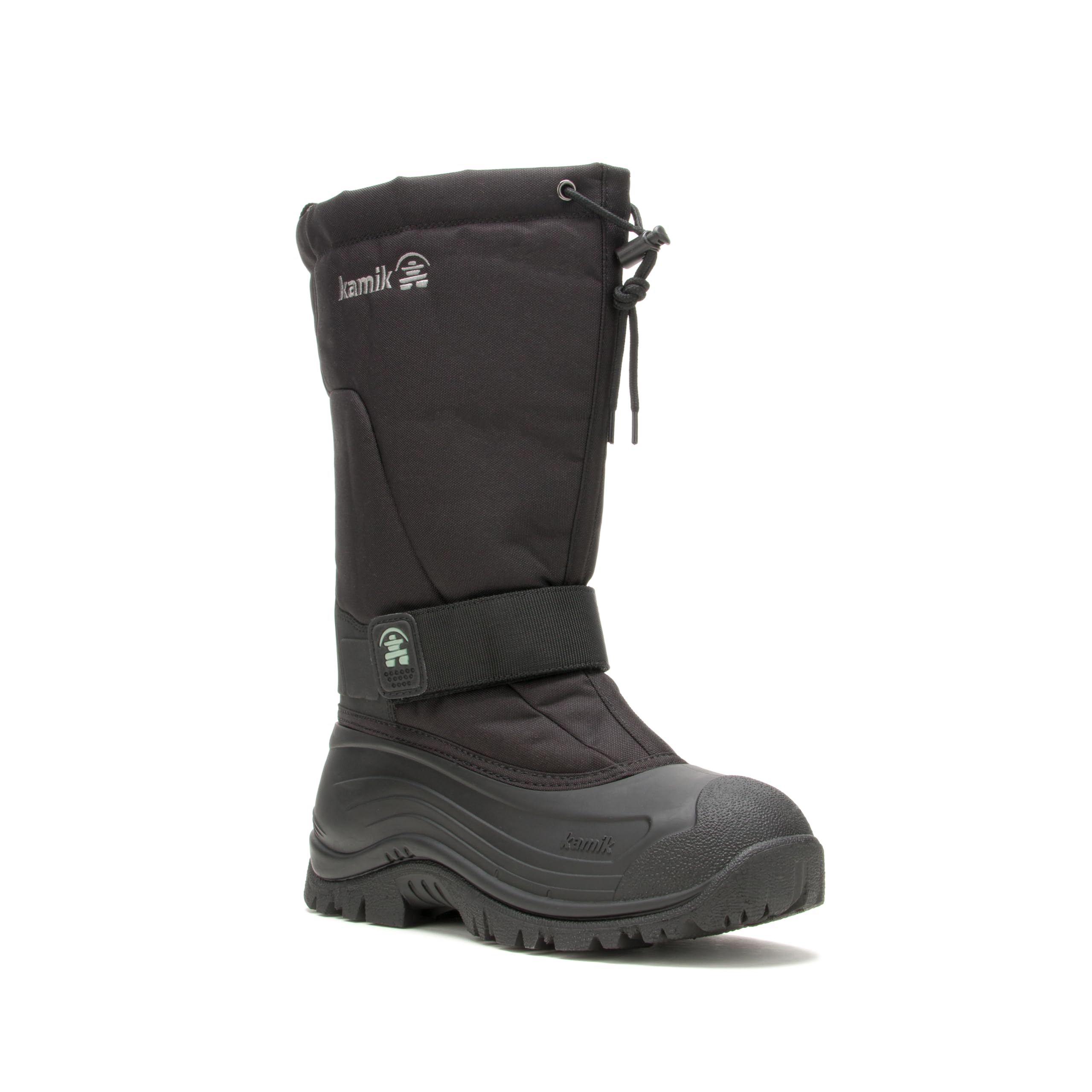
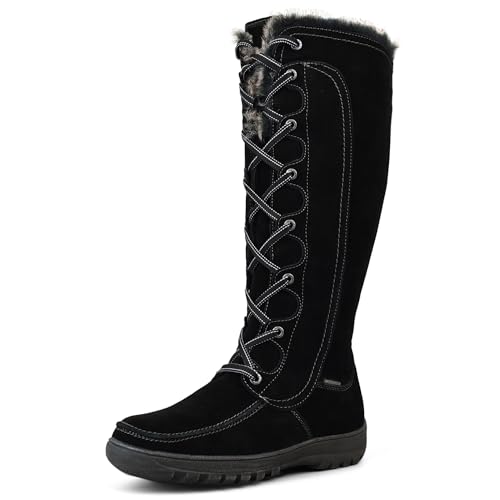

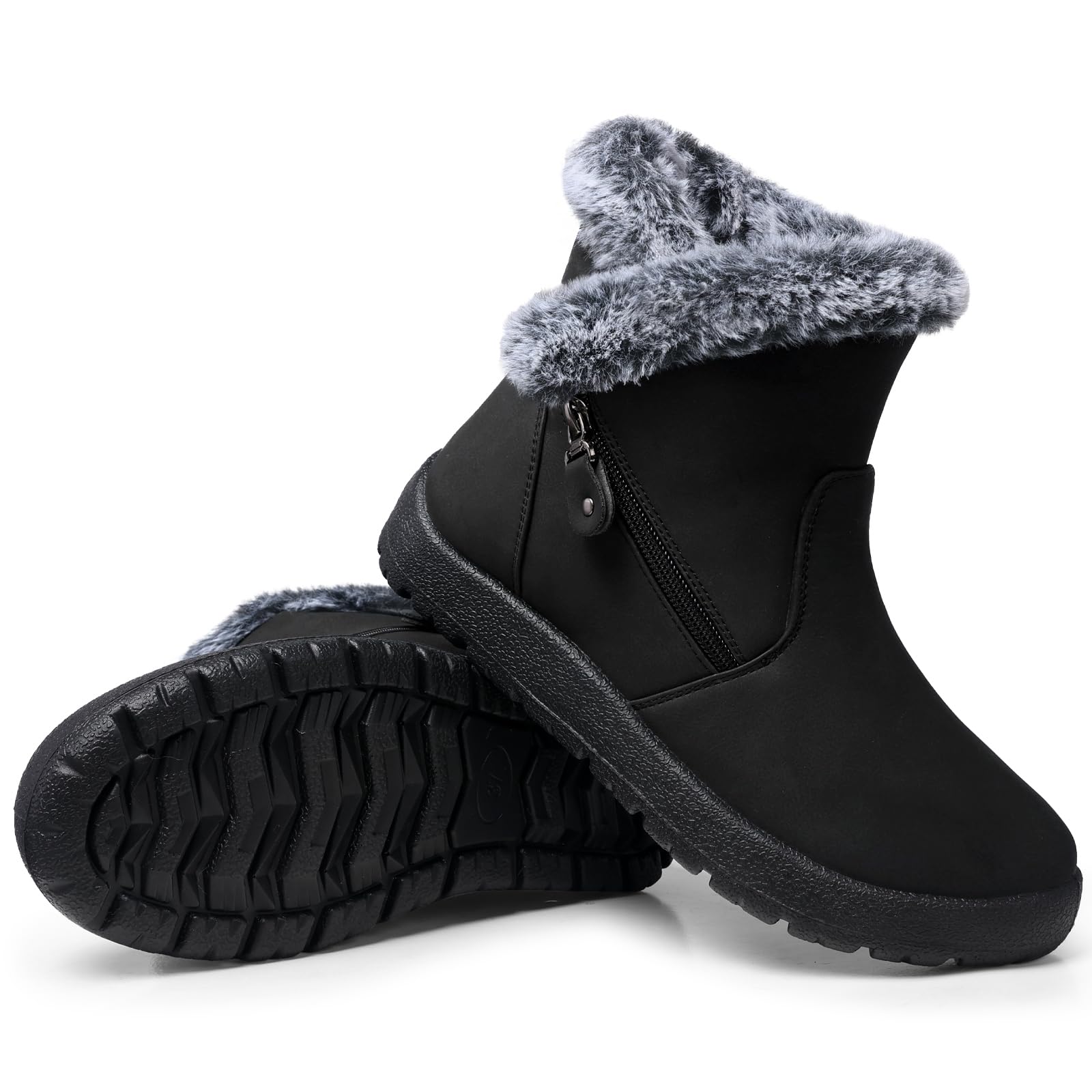
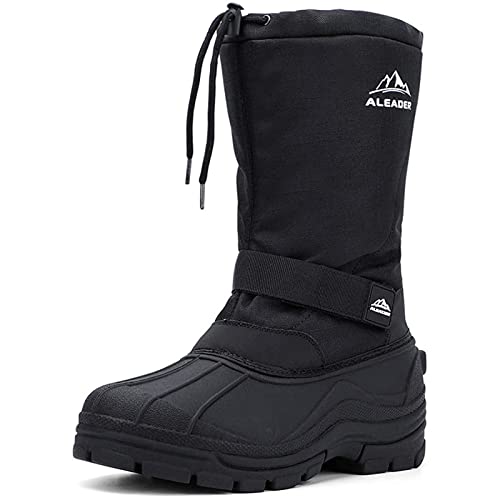

Who Should Buy Boots for Icy Pavement Walking?
Start with your usual route, not the worst storm of the year. Pavement walking means flat, hard surfaces, curb edges, and ice where meltwater has frozen again. Your distance and time spent standing outdoors point you to the right height and tier.
Daily Commuters Crossing Slick Sidewalks and Bus Stops
You walk the same route in the dark and stand waiting on cold concrete. Choose a mid height boot with flexible grip, moderate insulation, and a shape that looks tidy at work. On dry days many commuters rotate to a lighter pair, so see our guide to the best shoes for walking on pavement.
Dog Walkers and Errand Runners Out Several Times a Day
You step out in all conditions, often at short notice, and may stand still while your feet cool from the ground up. Choose boots that pull on quickly, lace securely, and grip on side streets that salt trucks reach last. A waterproof upper helps when slush pools at crossings. Durable soles matter more than fashion details.
Older Walkers and Anyone Who Needs Extra Stability
You value a steady step more than speed, and a fall can carry serious consequences. Choose a sole that sits flat, a firm heel, and ankle support that helps on frozen ruts. Talk with your clinician about balance, medication, and bone health needs before winter, and seek urgent care after a fall if you strike your head, cannot bear weight, or notice rapid swelling, since those signs need a professional promptly.
Key Features to Compare
Compare these factors in this order, because grip comes first. Comfort features only help once you can walk with confidence, and a warm boot with a smooth sole is still the wrong boot.
Outsole Grip Built for Smooth Ice, Not Deep Snow
Pavement ice is flat and hard, so contact matters more than tall lugs. Look for a broad, fairly flat outsole with many small edges and fine cuts called siping, which open slightly under your weight and bite the surface. Rubber that stays flexible in deep cold grips better than rubber that turns hard. Deep trail lugs can reduce contact on smooth ice. For frozen all day routes, see our guide to the best boots walking on ice.
Waterproofing and Insulation for Wet, Cold Pavements
Meltwater and slush reach your boots at every crossing, so a waterproof membrane such as Gore Tex keeps feet dry while letting some vapor escape. The tradeoff is breathability, since a sealed boot feels warm on a mild day. Insulation around 200 grams suits active walkers in moderate cold, while about 400 grams suits slow walkers and long waits outdoors.
Cushioning, Stability, and Arch Support for Hard Ground
Concrete sends impact back into your feet and knees, so cushioning under heel and forefoot softens each step. A stable boot resists rolling when one foot lands on an icy edge, while a purely soft, neutral shoe can feel wobbly then. Arch support should match your foot shape. For longer dry routes, see our guide to the best shoes for long distance walking on pavement.
Fit, Toe Box, and Sizing With Thick Winter Socks
Measure both feet in the afternoon, when they are largest, and try boots with your walking socks. Toes need room to spread and stay clear of the front when you stop suddenly, so a roomy toe box helps warmth too, since squeezed toes feel cold sooner. Most shoppers keep their usual size, but a half size up is common with thick socks.
Ankle Height, Boot Weight, and Secure Closure
A shaft covering the ankle keeps out slush, supports the joint on frozen ruts, and stops the boot working loose. Taller boots add warmth but also weight, and a heavy pair tires legs on long commutes. Laces that lock at the ankle keep the forefoot roomy while the heel stays firm. Choose the lowest height that still covers your usual slush depth.
What Each Budget Buys for Safer Winter Sidewalks
Price alone does not rank the best boots for walking on icy pavements, because a costly fashion boot can grip worse than a plain mid priced one. Read each tier by outsole, insulation, and build.
Budget Tier: Simple Grip for Short, Cleared Routes
Boots at about $60 to $100 cover short walks on routes salted and cleared early. Expect a basic rubber sole with modest siping, light insulation, and a synthetic upper that handles splashes better than deep slush. Cushioning can pack down within a season of daily use. This tier suits a spare pair by the door, a mild winter climate, or a short walk from a car park.
Midrange Tier: Flexible Cold Rubber and Real Insulation
Boots at about $100 to $170 give most pavement walkers the best balance of grip, warmth, and life span. Expect flexible cold weather rubber, more siping, a proven waterproof membrane, and a better shaped fit. If your shortlist is narrow, see our guide to the best boots for icy pavements for a grip first view. For daily winter use, this tier is the sensible start.
Premium Tier: Advanced Ice Grip and Longer Lasting Warmth
Boots at about $170 to $250 add ice focused grip, such as soles with embedded grit or studs you can turn out for frozen stretches, plus stronger insulation and tougher uppers. This tier pays off if you walk miles daily or live where ice lasts for months, and it is poor value for a few short outings each winter.
Common Mistakes to Avoid
These errors are common because a boot can feel perfect in a warm shop and fail on the first frozen morning.
- Choosing deep trail lugs for smooth pavement ice leaves less rubber in contact and makes each step feel less secure.
- Buying your normal shoe size without trying thick socks squeezes your toes and makes your feet feel cold faster.
- Treating a water resistant coating as full waterproofing lets slush soak through at crossings and leaves feet wet for the walk home.
- Judging grip by pressing a thumb into the sole misses how the rubber behaves once real cold makes it hard.
- Skipping a short practice walk near home means your first long commute reveals heel lift and pressure points on icy ground.
Care and Maintenance for Boots Used on Icy Pavements
Brush off salt and grit after each outing, then wipe the uppers with a damp cloth, because road salt dries leather and stains fabric. Stuff the boots loosely with newspaper and dry them at room temperature away from radiators, since direct heat can crack leather and weaken sole glues.
Check the outsole every few weeks for siping worn smooth, cracks at the flex point, and heels worn unevenly. Refresh water resistance when water stops beading, following maker directions. Store the pair upright in a cool, dry place through summer, loosely laced and out of direct sun.
FAQ
What tread pattern works best on boots for walking on icy pavements?
A broad, low tread with many small edges and fine siping works best on flat ice. Before a long walk, test the pair on a small icy patch near a handrail, stepping short and flat to feel whether the sole bites or skates. Such soles can feel slick on wet indoor tile, so dry them when you step inside.
How should boots for icy pavements fit when you wear winter socks?
Boots for icy pavements should feel snug at the heel and midfoot, with clear space in front of your longest toe. Lock your heel back with the laces before judging toe room, since a sliding foot makes any boot feel too small. If one foot is larger, fit that foot and use a thicker sock on the smaller side.
Do boots for icy pavement walking need to be fully waterproof?
Yes, full waterproofing is worth it if your route includes slush, puddles at crossings, or melting snow. One detail many shoppers miss is the gap at the top of the boot, where meltwater runs in under loose trouser cuffs. Wear trousers over the shaft or add a short gaiter on slushy days. On cleared, dry routes, a water resistant upper can be enough.
Can boots for icy pavements be worn all day once you are indoors?
Yes, you can wear boots for icy pavements all day indoors, but your feet may get warm and the lining can hold moisture by evening. If your workplace allows it, change into indoor shoes and let the boots air out, which also keeps sole grit off floors. When you must keep them on, loosen the laces while seated.
When should boots for walking on icy pavements be replaced?
Replace boots for walking on icy pavements when the tread looks smooth and shiny around the ball of the foot, even if the uppers look good. Compare both boots side by side, because the sole under your stronger leg often wears faster. Also replace a pair after the lining leaks at the flex point, since patching there rarely survives daily bending.
Our Verdict
For most readers, the midrange tier is the wise place to start, with a flexible siped sole, a waterproof membrane, and a fit checked with real winter socks. Budget boots serve short, cleared routes, while premium grip earns its price on long commutes. Use the product table above to compare finalists by tier and grip.
Choose the best boots for walking on icy pavements for the route you walk most, and test the fit at home on a hard floor. A careful fit and a sole built for flat ice will do more for your confidence than any extra feature.


