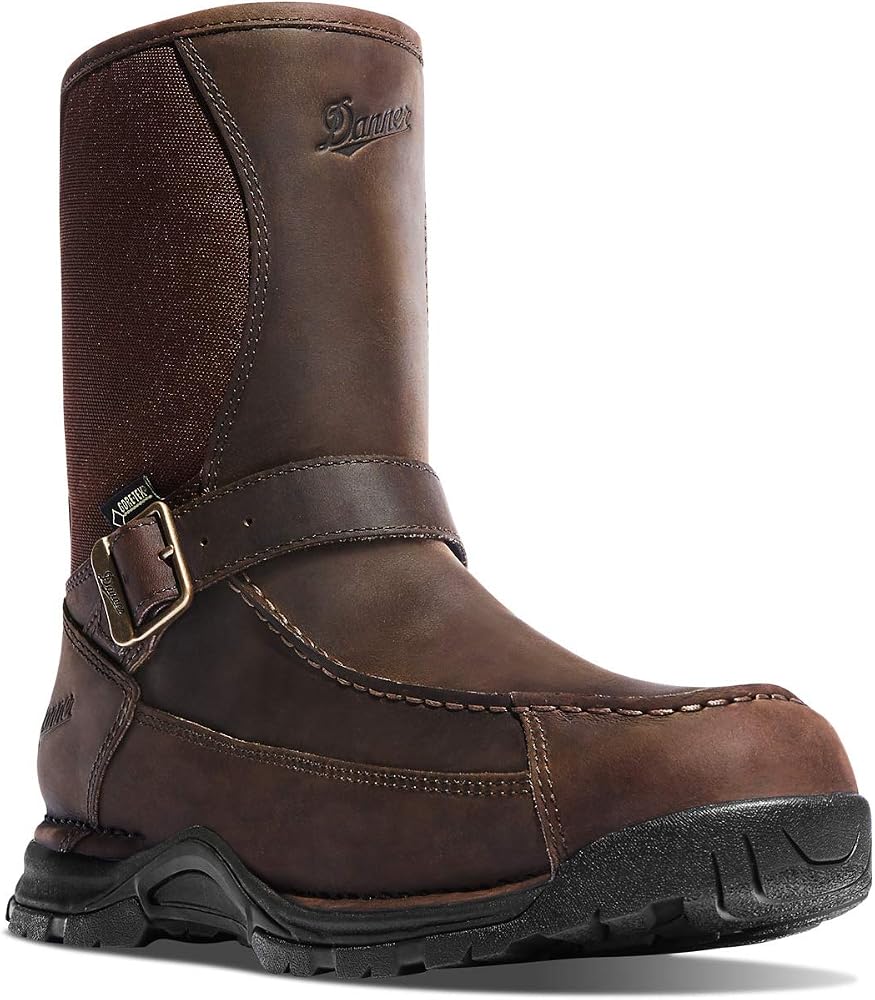
Best Boots for Ice Men: Every Type Explained Side by Side in 2026
Disclosure: We may earn a commission when you buy through links on this page, at no extra cost to you. As an Amazon Associate I earn from qualifying purchases. Learn more

Grip, warmth and a stable fit on slick ground: the best boots for ice men, compared by type.
Icy sidewalks punish the wrong boots. A smooth sole that feels fine on dry concrete can skate on packed snow, and a warm boot that fits poorly can leave your toes cold. The best boots for ice men solve three problems at once, grip on slick ground, warmth without heavy sweat, and a fit that stays stable all day. Use the comparison table below to match each type to your ground and routine.
This guide compares boot types rather than naming models, so you can judge any brand fairly. You will learn which men gain most from tall insulated boots, which men do better in lighter mid height styles, and which sole, insulation and fit details matter most on ice.
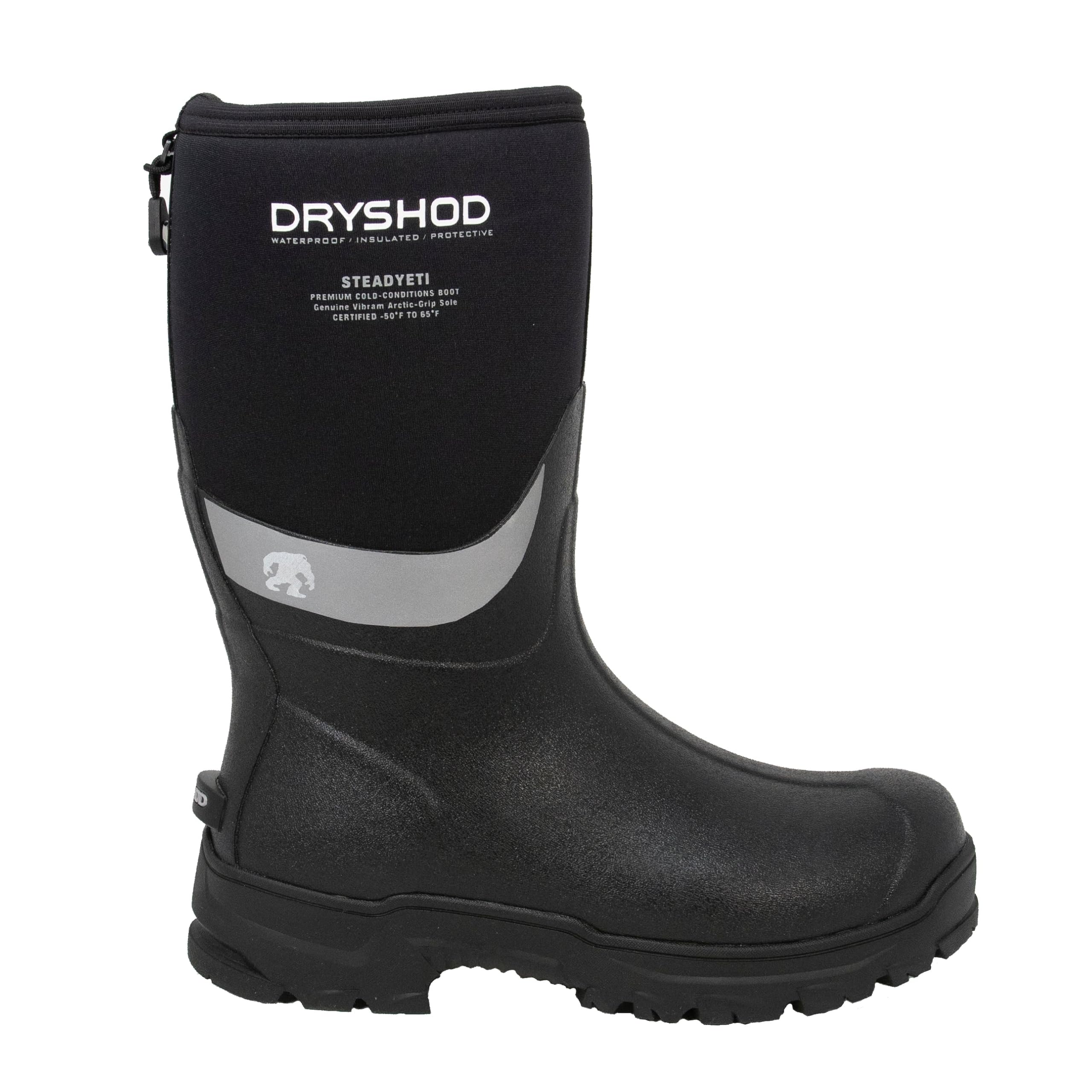
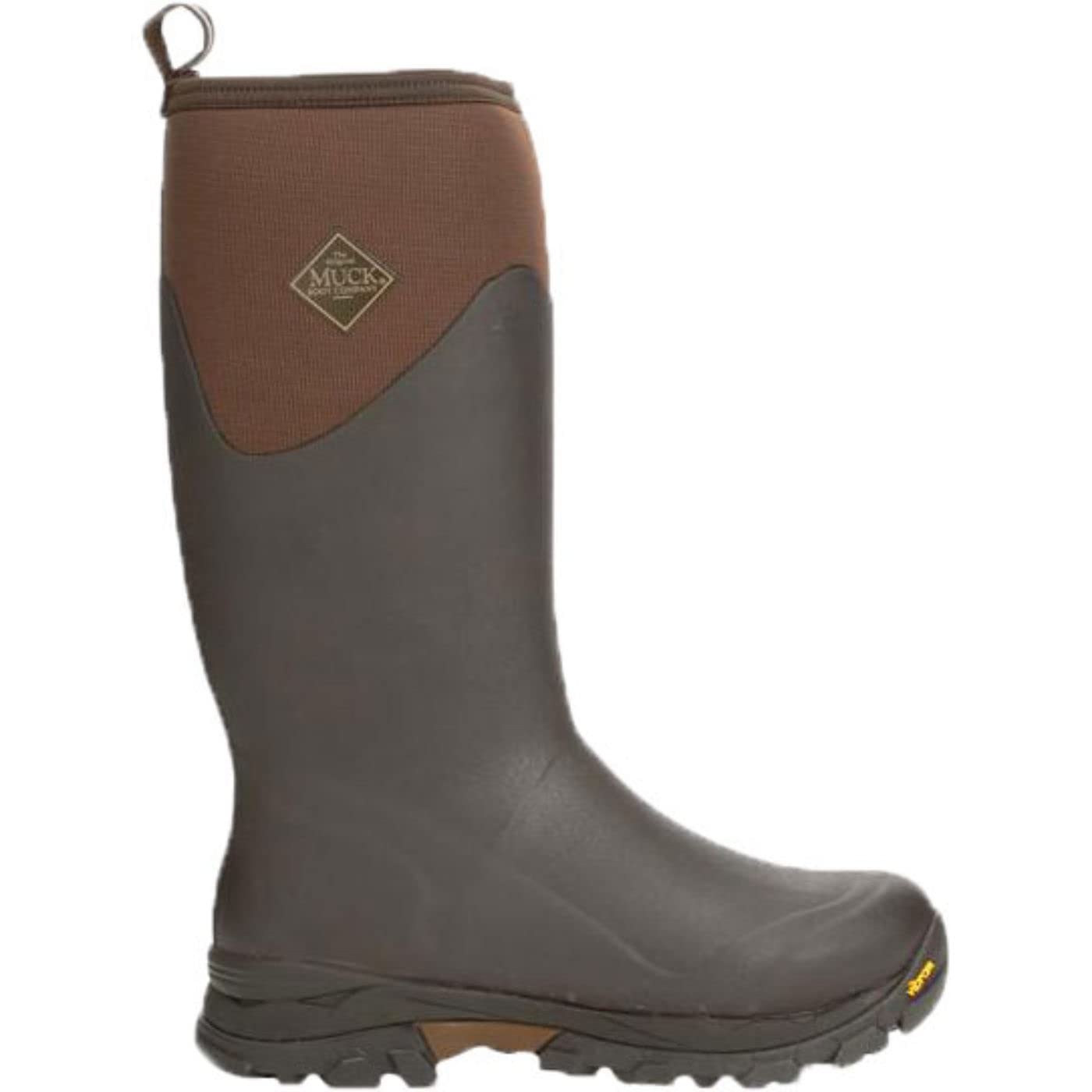


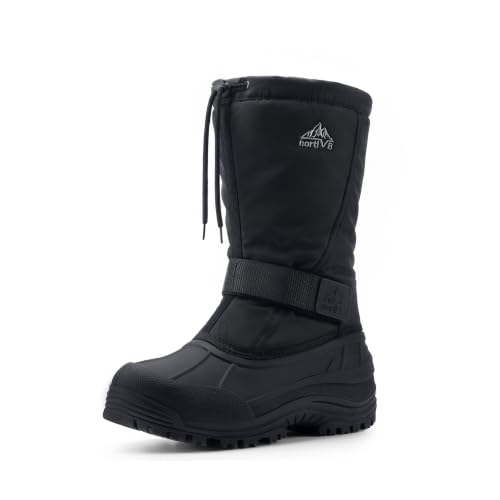
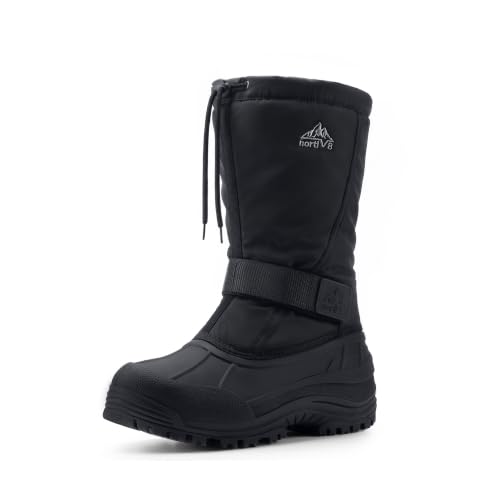

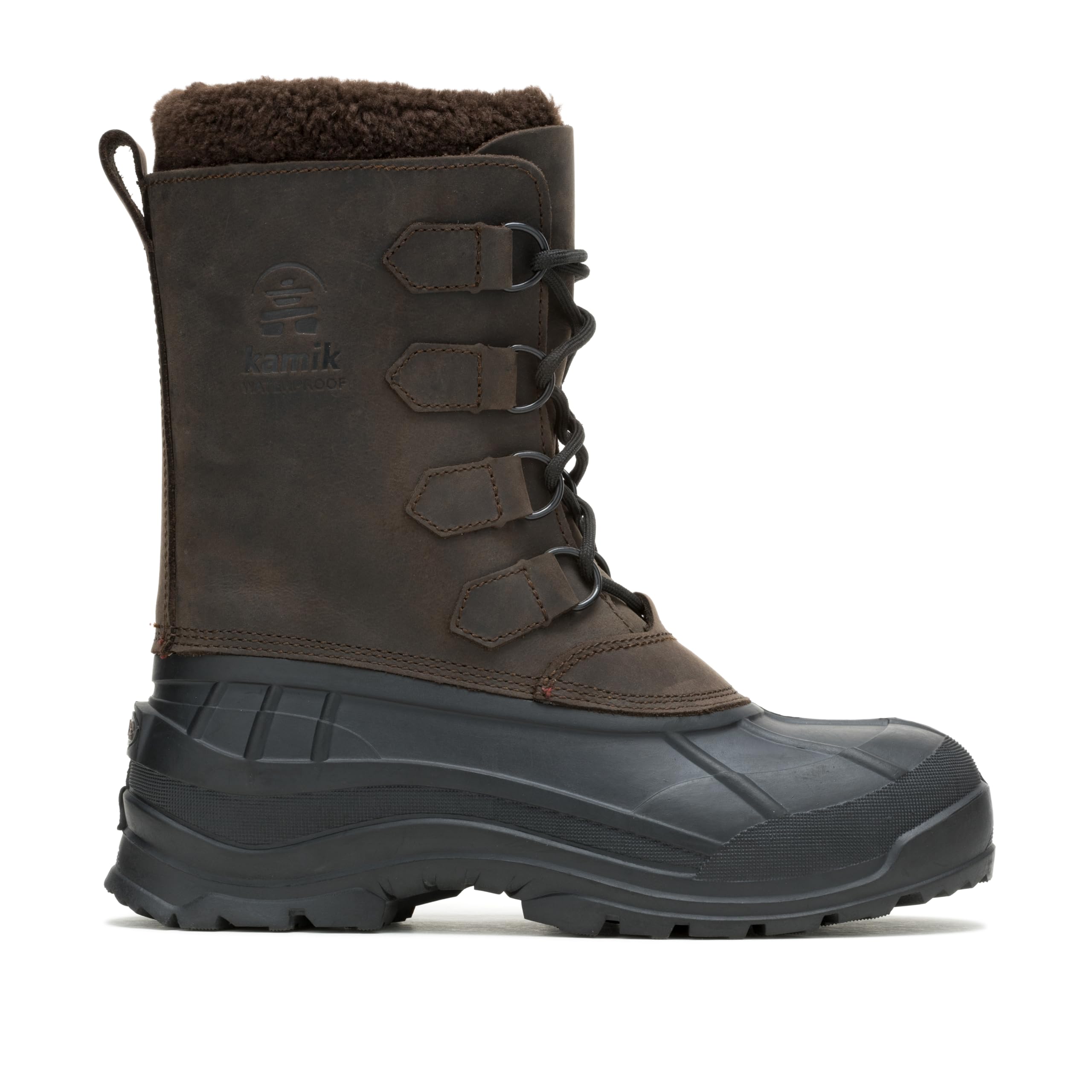
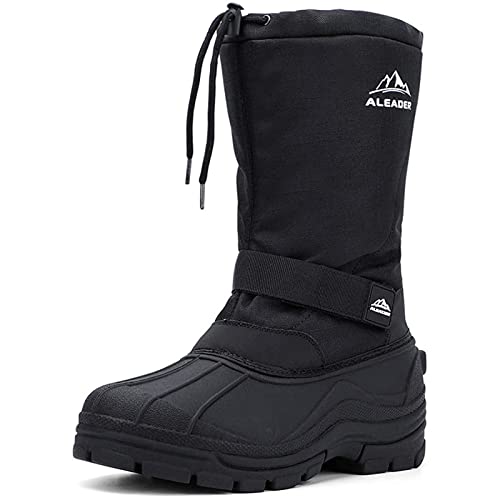
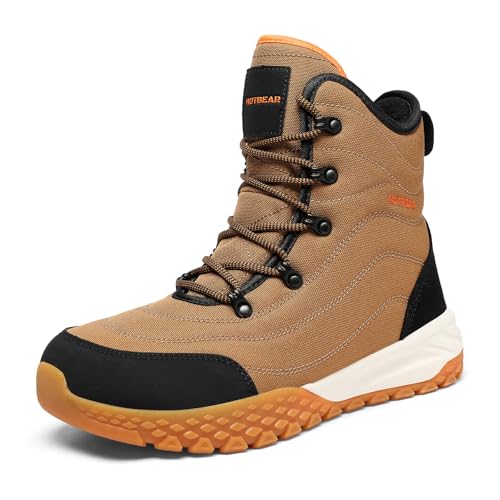
Who Should Buy Which Boots for Ice?
Start with how and where you walk, because the right boot for a short outing differs from the right boot for a full shift outdoors. Foot width, body weight and sock choice change what feels secure on ice.
Men Who Walk on Icy Streets and Transit Routes
You cover short bursts outdoors, then ride, drive or sit indoors where heavy insulation soon feels hot. Choose a mid height waterproof boot with a soft rubber outsole, moderate insulation and a flexible forefoot. A lighter boot also climbs bus steps and stairs more easily, and a padded collar seals out slush at crossings.
Men Who Work Outdoors on Frozen Ground
You stand, lift and carry on yards, farms or building sites, so you need stability under load and warmth during still periods. Choose a taller insulated boot with a firm heel counter, strong arch support and a wide lug outsole. If your job also requires protective toes, see our guide to the best boots for men work for options that pair safety features with winter grip.
Men Who Fish, Hunt and Hike in Winter
You move between activity and long still waits, often on lake ice, frozen trails or wet snow. Choose insulation at the higher end, a gusseted tongue that keeps out snow, and room for a thick wool sock. Anglers who spend whole days standing on a frozen lake should also see our guide to the best ice fishing boots for men, because still standing needs more warmth than steady walking.
Key Features to Compare
Judge every boot by the same five factors below, in this order. Grip comes first, because warmth and comfort mean little if the sole cannot hold on ice. That balance defines the best boots for ice men in daily use, not a tall shaft or a low price alone.
Outsole Grip and Lug Design for Ice
The outsole decides whether you walk or slide. Soft rubber stays flexible in cold air, so the tread can press flat and grip, while hard rubber turns stiff and skates. Look for deep, wide spaced lugs that bite into packed snow, plus fine cuts called siping that open tiny edges on smooth ice. For a broader look at tread patterns, see our guide to the best boots for ice.
Insulation Matched to Activity and Cold
Insulation is rated by weight, often about 200 to 800 grams, and more is not always better. Choose about 200 to 400 grams for active walking in town, because your feet make heat as you move, and about 400 to 800 grams for still work, fishing or very cold regions. Damp socks cool fast once you stop. If your toes stay numb, turn pale or blister after cold exposure, seek medical care promptly, and talk with your clinician about personal needs if you have circulation problems.
Waterproofing, Gore Tex and Breathability
A waterproof membrane such as Gore Tex blocks slush and melt water while letting some vapor escape, and sealed seams stop leaks at the stitch lines. The trade off is breathability, because a waterproof boot is less breathable and dries slower indoors. Men who walk mostly on cleared, dry cold pavement may prefer a water resistant leather upper. Choose full waterproofing if your routes include deep snow, slush or standing water.
Fit, Sizing and Toe Box Room for Men
Measure both feet in the afternoon, when feet are largest, and try boots with the winter socks you plan to wear. Your toes need about a thumb width of space to wiggle, because curled toes lose warmth. Men often need a wider toe box and a firm heel hold, so check that your heel stays down as you walk. If one foot is larger, fit that foot first.
Support and Cushioning for Heavy Steps on Ice
Hard icy ground sends each step straight through the sole, and men carry varied loads. A shaped footbed with arch support helps flat feet and tired arches, while extra cushioning under the heel softens long stands on concrete. Heel to toe drop in winter boots is often about 8 to 12 mm, and a lower drop can feel steadier on slick slopes. A firmer midsole resists twisting on uneven ice.
Types of Boots for Ice Compared
The three main types below cover most winter needs for men. Prices overlap, with slip on styles often about $80 to $150, mid height waterproof boots about $120 to $220, and tall insulated boots about $150 to $250. Pay for grip and fit first. If your main problem is deep snow rather than glare ice, see our guide to the best boots men winter for taller options.
Tall Insulated Waterproof Boots for Deep Cold
These boots rise above the ankle, seal out deep snow and carry the most insulation. They suit rural driveways, snow clearing and long exposure in severe cold. The cost is weight and indoor heat, so they feel clumsy on cleared city streets. Choose this type if snow depth, rather than walking speed, defines your winter days.
Mid Height Boots for Daily Walking on Ice
These boots end above the ankle and balance grip, warmth and flexibility for mixed routes. They suit commuters, dog walkers and travelers who move between icy sidewalks, stairs and heated buildings. Insulation stays moderate, so pair them with wool socks on the coldest days.
Slip On Insulated Boots for Quick Trips and Yards
These boots pull on without laces, which helps when your hands are gloved or cold, and they handle short jobs such as bins and mail. A snug heel and a grippy outsole matter even more here, because there are no laces to lock your foot down. They offer less ankle stability, so save them for short trips, not hills or full day wear.
Common Mistakes to Avoid
Most poor choices on ice come from judging a boot indoors in thin socks.
- Choosing a smooth fashion sole for winter leaves you sliding on the first patch of packed ice.
- Buying boots snug in thin socks leaves no room for winter socks, so your toes chill and ache.
- Picking the heaviest insulation for active walking makes your feet sweat, and damp feet turn cold when you stop.
- Lacing boots loosely for comfort lets your heel lift on slopes, which reduces stability and causes blisters.
- Ignoring road salt after each outing lets white crust dry the leather and crack the upper.
Care and Maintenance for Boots for Ice
Air dry wet boots at room temperature, away from direct heat, because hot air can crack leather and weaken glue. Pull out the insoles and loosen the laces so damp air can escape. Rinse off road salt with a damp cloth the same day. Stuffing boots with plain paper helps them hold shape while they dry.
Clean packed snow and grit from the lugs with an old brush, because blocked tread grips less on smooth ice. Rotate two pairs if you wear boots daily, so each pair dries fully between uses. Store boots upright, and check soles for smooth worn spots before each season, because worn lugs signal that replacement is due.
Frequently Asked Questions
What makes men's boots for ice different from other winter boots?
Men's boots for ice differ mainly in fit, sizing and build. They use a men's last with a broader forefoot, larger sizes and support tuned for heavier loads, plus outsoles made for slick ground instead of only snow. Many styles also use stiffer shanks, which helps when you carry a pack across a frozen yard.
What features matter most in men's boots for ice?
Grip matters most in men's boots for ice, followed by insulation matched to your activity and a fit with room for winter socks. Buyers often miss tongue design, since a gusseted tongue blocks the snow that slips in at the laces during deep steps. Check that detail, because photos rarely show how high the gusset reaches.
How should men's boots for ice fit with winter socks?
Men's boots for ice should feel snug at the heel and midfoot, with clear space in front of your longest toe. Press your weight forward on a step edge, because toes that touch the front while standing flat will strike it on descents. If your toes touch, go up half a size rather than thinning your socks.
How long is the break in period for men's boots for ice?
The break in period is usually about one to two weeks of short walks for stiff leather styles, and much less for soft synthetic styles. Start with trips near home, because cold soles feel stiffer than they do indoors. Wear your winter socks during this period so the fit settles in real conditions.
Can men wear boots for ice all day at work?
Yes, men can wear boots for ice all day at work if the weight, insulation and support match the shift. The detail that decides comfort by hour six is insole shape, since flat factory insoles often pack down under steady load. Swap in a shaped insole if you stand on concrete, and loosen laces during indoor breaks.
Our Verdict
Start with grip, then match insulation to how much you move, then confirm fit with your winter socks on. Use the product table above to compare types, prices and weights side by side.
When you judge the best boots for ice men by those standards, the right type stands out fast. Choose the lightest boot that grips, seals out slush and fits your feet, and winter walking becomes a routine task rather than a daily risk.