
Best Boots for Men Work: A Buyer Checklist for 2026
Disclosure: We may earn a commission when you buy through links on this page, at no extra cost to you. As an Amazon Associate I earn from qualifying purchases. Learn more

Run this simple buyer checklist before you buy the best boots for men work: safety ratings, fit, waterproofing, durability, and price bands compared.
A work boot can carry a safety rating and still be the wrong boot for your job. Toe protection, sole grip, and waterproofing only help when they match the surfaces you stand on and the hazards your employer lists. The best boots for men work are rarely the most expensive pair on the shelf. They are the pair that passes the right checks for your trade, your floors, and your climate.
This guide turns those checks into one buyer checklist you can apply to any pair in minutes. You will work through fit, safety labels, materials, and price bands, then finish with the red flags that reveal a weak boot before you pay for it. The comparison table below gathers the key specs side by side, and the sections after it explain what each spec means during a real shift. No single boot wins every category, so the goal is a clear match rather than a perfect score.
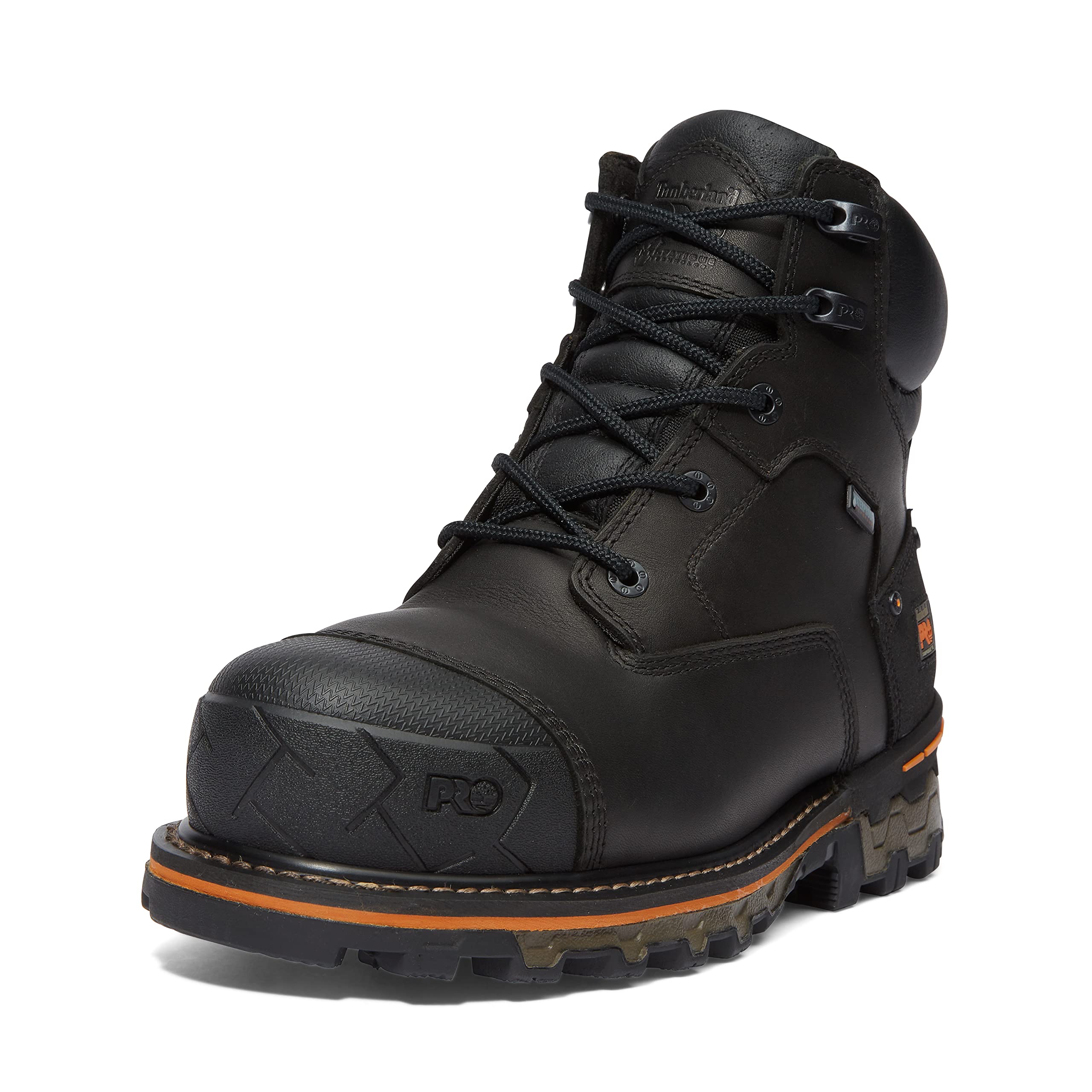


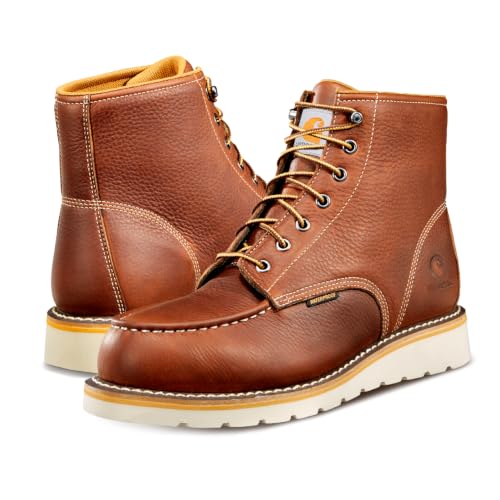


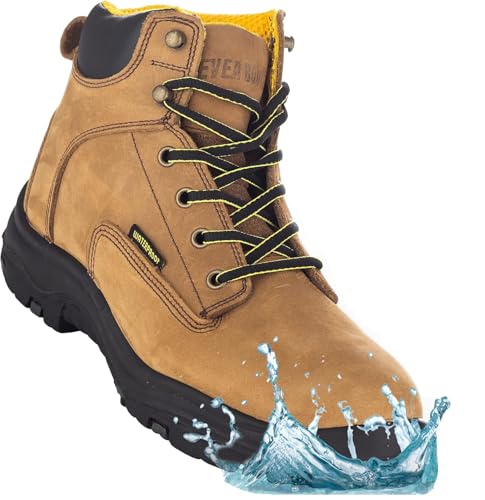

The Buyer Checklist: Seven Checks Before You Pay
Treat this section as a scorecard. A boot does not need top marks in every row, but it should never fail the rows your job depends on. Start with the safety rules your employer sets, because no comfort feature can make up for a boot your site will not accept.
What Men Should Look For
Mens work boots are built on a wider, deeper last than womens or unisex footwear, and that shape matters once your feet swell during a long shift. Look for a roomy toe box, a heel that locks in without rubbing, and wide sizes that add width through the whole foot rather than only at the toes. Weight deserves a check too, since a heavy pair taxes your legs with every step of a walking route.
Style is the other early decision. Lace up boots give the most adjustable fit and ankle support, which suits ladders and uneven ground. If you prefer a pull on shaft with no laces to catch or retie, our guide to the best cowboy work boots for men explains how that western shape behaves at work. Drivers and supervisors who move between the office and the floor often choose a laceless boot instead, and the guide to the best chelsea work boots for men covers that slip on option.
Features That Matter for Work
Start with the toe. Steel caps handle the heaviest impacts, composite caps weigh less and stay warmer in cold weather, and soft toe boots only make sense where no falling object risk exists. Underfoot, a puncture resistant plate guards against nails and sharp scrap on demolition and renovation sites. Tread should match your floor: deep lugs shed mud outdoors, while flatter, finer tread grips sealed concrete and tile indoors.
Shaft height and weight finish the picture. A six inch boot supports most general work, and an eight inch boot adds ankle coverage for brush, gravel, and cold. Every extra ounce counts across ten thousand steps, so if your job is mostly walking on hard floors, our guide to the best lightweight work boots for men shows how lighter builds trade a little armor for a lot less fatigue.
Safety Ratings, Decoded Honestly
Most rated boots follow the ASTM F2413 standard, which sets impact and compression levels for the toe cap, plus added codes for metatarsal guards, electrical hazard protection, static dissipation, and puncture resistance. Those ratings are figures from standard impact and compression tests run by the maker and the standards body. They tell you a boot passed a defined test, and they matter because employers and insurers rely on them.
Read them with clear eyes. A rated toe lowers your risk, but it does not guarantee you walk away unhurt from every dropped load, and slip resistance scores depend on the test surface the maker chose. After any heavy impact on the toe cap, replace the boot even if the leather looks fine, because the cap may be deformed inside. When your employer names a required rating, that written rule comes first, ahead of any advice in this guide.
Fit, Sizing, and Toe Box
Measure and try boots late in the day, when your feet are at their largest, and wear the thick work socks you will actually use. Standing, you want roughly a thumb width of space in front of your longest toe, with no pinching across the ball of the foot. A small amount of heel lift in a stiff new boot is normal, but your toes should never press the cap when you walk downhill or crouch.
Be honest about what break in can and cannot fix. Leather uppers give a little across the width as they soften, so slight snugness there can settle. Toe box room never grows, and length never changes, so a boot that crowds your toes on day one will still crowd them in month six. If you land between sizes, order both and keep the pair that fits your larger foot.
Durability and Expected Lifespan
Full grain leather outlasts split leather and fabric panels because its fibers stay dense and resist tearing at flex points. Construction matters just as much: a welted sole can be replaced when the tread wears down, while a cemented sole is done once it separates or goes smooth. Harder rubber outsoles wear slowly on concrete but can feel slick on wet steel, so durability and grip pull in opposite directions.
For daily heavy use, expect a hard working pair to give about six to twelve months before the cushioning packs down and the tread fades, and longer for lighter duties. Judge cost by months of service rather than the sticker. A boot that costs more but can be resoled often beats two cheap pairs that both fail at the sole.
Waterproofing and Membrane Trade Offs
A waterproof membrane keeps rain, puddles, and wet concrete off your socks, which is a genuine safety and comfort win in outdoor and washdown jobs. The trade off is heat. The same barrier that blocks water also holds in sweat, so feet in membrane boots often end a summer shift damp anyway, just from the inside. For hot, dry indoor work, an unlined leather or mesh boot usually feels better by midday.
Cold changes the answer. Wet feet lose heat fast, so winter outdoor crews usually pair the membrane with insulation, and our guide to the best insulated work boots for men explains how much insulation different temperatures call for. Whatever you choose, check the shaft height as well, because a low waterproof boot still floods when you step into a deep puddle.
Arch Support and Foot Type
Flat feet tend to roll inward and tire the arch, so they do better with a firmer midsole and a supportive insole shape. High arches take the opposite approach and need more cushioning under the heel and forefoot to spread out impact. Most work boots ship with a thin removable insole, which is good news: you can swap in an aftermarket insert matched to your foot instead of accepting the stock foam.
If you stand on sealed concrete all shift, cushioning becomes the deciding feature rather than a luxury. Our guide to the best comfortable work boots for men focuses on the midsoles and insoles built for that kind of standing. Persistent foot, knee, or back pain is a different matter, and a clinician or podiatrist should weigh in rather than a new pair of boots.
Matching the Boot to Common Jobs
The checklist narrows the field, but the final call depends on the work in front of you. These three job profiles show how the same checks produce different answers.
Warehouse and Delivery Work
Warehouse and delivery crews walk miles on sealed concrete, climb in and out of trucks, and rarely face falling loads heavier than a dropped case. Comfort and weight lead here: a lighter boot with a cushioned midsole and a flatter, grippy sole beats a heavy armored one. A composite or steel toe satisfies most site rules, and waterproofing usually matters less than breathability during long indoor shifts. Look for a sole that stays quiet and secure on dock plates and wet loading bays.
Construction and Trades
Construction work stacks hazards: dropped tools and materials, nails underfoot, ladders, and rebar. This profile wants the full checklist working at once, meaning a rated toe, a puncture resistant plate, a stiff shank for ladder rungs, and leather that survives abrasion from concrete and framing lumber. An eight inch shaft earns its place on rough sites, and a welted sole pays off because the upper usually outlasts the tread by a wide margin.
Outdoor, Farm, and Utility Work
Outdoor crews trade hard floors for mud, gravel, and weather. Deep lugs that clear mud with each step, a waterproof membrane, and insulation matched to the season matter more than fine cushioning. Boots here live wet, so drying habits and leather care decide lifespan as much as construction does. A taller shaft keeps out debris and supports ankles on uneven ground, and a spare pair for rotation is close to a necessity through the wet months.
What Each Price Band Really Buys
Price tracks materials and construction more than protection, since even a budget boot must pass the same toe test to carry the rating. What changes as you spend more is how long the boot stays comfortable and intact. Use the bands below to set expectations before you shop.
Under About $100: Basic Coverage for Light Duties
Boots under about $100 usually pair a rated steel toe with cemented soles, thinner leather or synthetic uppers, and basic foam insoles. That combination is honest value for warehouse picking, light assembly, and delivery work where hazards stay modest. Expect the cushioning to flatten and the sole edges to wear within the first year of daily use. Treat this band as a solid starter pair, not a long term investment.
About $100 to $200: The Working Middle
Most working crews land in the about $100 to $200 band, and the upgrades are practical: fuller grain leather, better waterproof membranes, stronger shanks, and some welted models at the top of the range. Insoles improve, tread compounds grip better on wet floors, and sizing runs wider and more consistent. For general construction, trades, and mixed indoor and outdoor work, this band delivers the most service per dollar.
Above About $200: Built for Daily Heavy Use
Above about $200 you pay for longevity and rebuild options. Resoleable welts, thicker premium leather, and tougher rubber compounds stretch the life of the upper across several soles. Fit and finish improve too, with better ankle padding and fewer pressure points out of the box. This band makes sense when you wear boots more than forty hours a week and your income depends on your feet holding up.
Quick Buyer Checklist
Run these eight questions against any candidate before you pay. A single no on the first two questions ends the discussion, while a no further down tells you what compromise you are accepting.
- Does the toe rating match, in writing, what your employer or site requires?
- Can you wiggle your toes freely while wearing your thickest work socks?
- Does the tread pattern suit your main surface, mud, gravel, or smooth warehouse floors?
- Is the weight comfortable for a full shift of walking, climbing, or standing?
- Does the waterproofing match your climate, or will it trap sweat all summer?
- Is the insole removable, so you can fit an insert matched to your arch?
- Can the sole be resoled or replaced when the tread wears down?
- Does the return policy let you test the fit indoors before you commit?
Red Flags to Watch For
Listings for the best boots for men work sometimes hide weak details behind confident words. Slow down when you spot any of these signs.
- A safety claim with no standard named. Words like protective toe mean little without the ASTM rating code printed in the specs, and a boot with no code may have no rated cap at all.
- Vague upper materials. Phrases such as leather blend or man made leather often hide thin, coated material that cracks at the flex point within months.
- Slip claims with no test surface. Grip on wet tile and grip on oily steel are different problems, and a listing that names neither surface is guessing.
- No weight listed per boot. Makers hide heavy boots by skipping the spec, and an extra pound per foot shows up as sore legs by Friday.
- A price far below similar rated boots with no real warranty. Deep discounts on rated footwear usually come out of the sole compound and stitching, the two places you can least afford it.
Care Habits That Add Months of Life
Boots die early from moisture and neglect more often than from wear. A few habits stretch any pair, including the budget ones.
- Rotate two pairs. Foam and leather need a full day to dry and recover between shifts, and rotation can add months to both pairs.
- Air dry away from direct heat. Radiators, heaters, and hot trucks crack leather and warp sole bonds, so dry wet boots at room temperature with the insoles pulled out.
- Brush off mud and condition dry leather. Dried mud pulls moisture out of leather, and a light conditioner restores what cleaning removes.
- Replace insoles when the cushion feels flat. A fresh insole restores much of the step in comfort for a fraction of a new boot.
- Retire a safety toe boot after a heavy drop onto the cap. Hidden cap damage is exactly the kind you cannot inspect from outside.
Frequently Asked Questions
What makes work boots for men different from regular boots?
The difference is rated protection and job specific design rather than looks. Work boots add rated toe caps, soles built for grip and puncture resistance, and support shaped for long standing on hard floors. Mens sizing also runs on a wider, deeper last and assumes thicker socks, so a pair that fits at the shop in the afternoon still fits at the end of a shift when feet swell.
Which features matter most in work boots worn on concrete all day?
Cushioning and sole shape matter most on sealed concrete, ahead of heavy armor. A shock absorbing midsole and a removable insole protect knees and heels across thousands of steps, and a wedge shaped sole spreads contact on flat floors instead of digging lugs into them. Weight counts too, since a lighter boot saves real energy when most of your movement is walking rather than climbing.
Are expensive work boots worth the money?
They can be, once you divide the price by months of service instead of comparing stickers. A premium welted boot that lasts two years and takes a new sole often costs less per month than a budget pair replaced twice. The math flips for occasional or seasonal work, where a mid priced pair rotated with a second pair usually gives the best value.
How long is the break in period for leather work boots?
Most full grain leather boots need about one to two weeks of shorter wears before the upper softens and the sole starts to flex with your stride. Wear them for a few hours at a time around the house and on light duties first. A blister or hot spot is useful information about fit, so adjust socks or lacing rather than pushing through pain and limping for a week.
How should work boots fit around the toes?
Your toes should lie flat with room to spread, never curled or pressed against the cap. Fit the larger foot, since most people have one foot slightly bigger, and always judge the fit standing with your weight on both feet rather than seated on a bench. If your toes touch the front when you crouch or walk down a slope, go up half a size.
Can men wear the same work boots in summer and winter?
One pair can cover both seasons in a mild climate if you adjust socks, using thinner moisture wicking socks in summer and thicker wool blends in winter. In real heat or real cold it works poorly, because an insulated waterproof boot runs hot in July and an unlined boot leaves feet cold and wet in January. Many outdoor workers keep a seasonal second pair and rotate them all year.
Final Thoughts
Three checks decide most of the outcome: the rating matches your employer rules, the fit holds with work socks at the end of the day, and the construction fits the life you expect from the boot. Everything else, from membrane choice to shaft height, fine tunes that foundation. The product table above pulls the leading options into one view, so you can run this checklist against real specs instead of marketing lines.
Choose the best boots for men work for the floor you actually stand on, and the pair will pay you back every shift. Prices and availability can change, so confirm the rating code and return terms on the product page before ordering.


