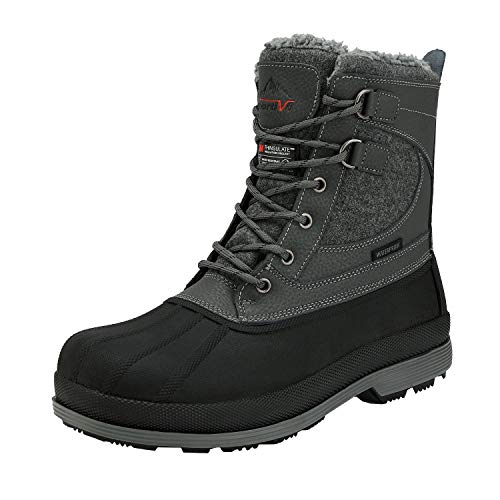
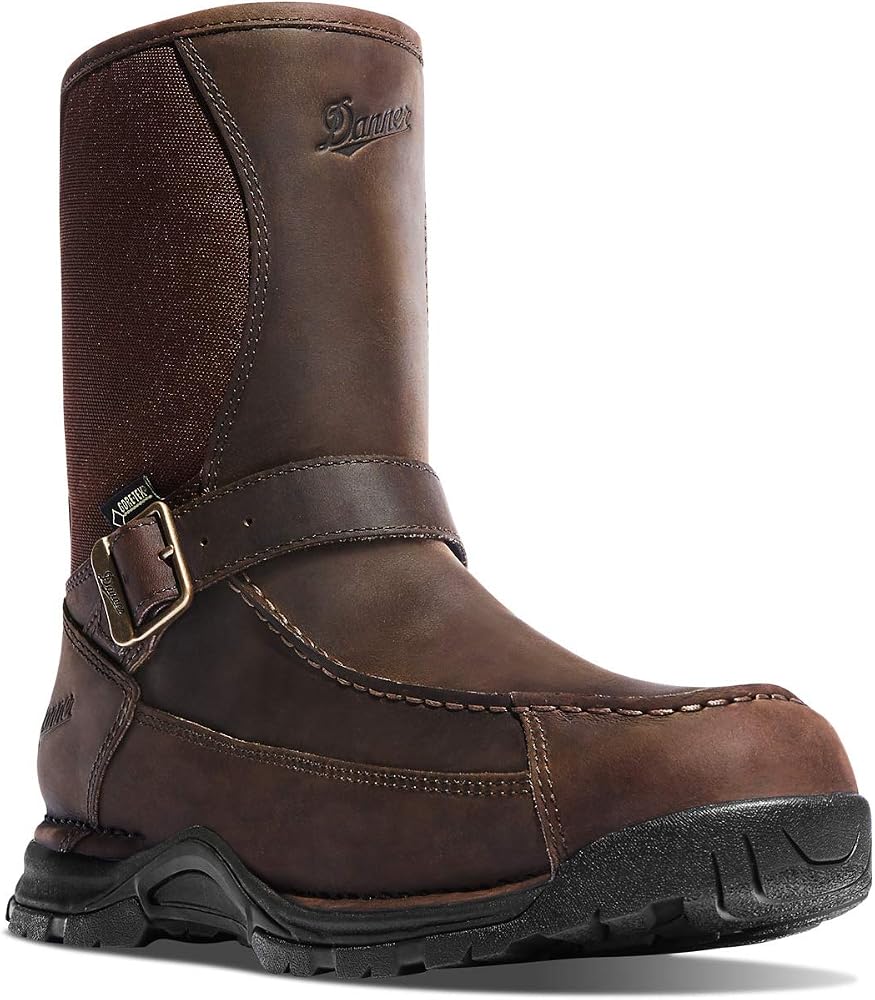
Best Boots for Hunting Cold Weather of 2026: Complete Buying Guide
Disclosure: We may earn a commission when you buy through links on this page, at no extra cost to you. As an Amazon Associate I earn from qualifying purchases. Learn more

Insulation matched to how still you hunt: the best boots for hunting cold weather, with fit and traction tips.
Cold feet end hunts early. Once your toes go numb in a stand or on a slow stalk, you shift and lose focus. The best boots for hunting cold weather match insulation to how still or active you hunt, and this guide shows you how to judge that match using the comparison table below.
Start with your coldest typical morning, not the mildest one. Think about how long you sit without moving, whether you cross creeks or walk in slush, and how thick your hunting socks are. Those answers drive every choice that follows, from insulation weight to boot height.
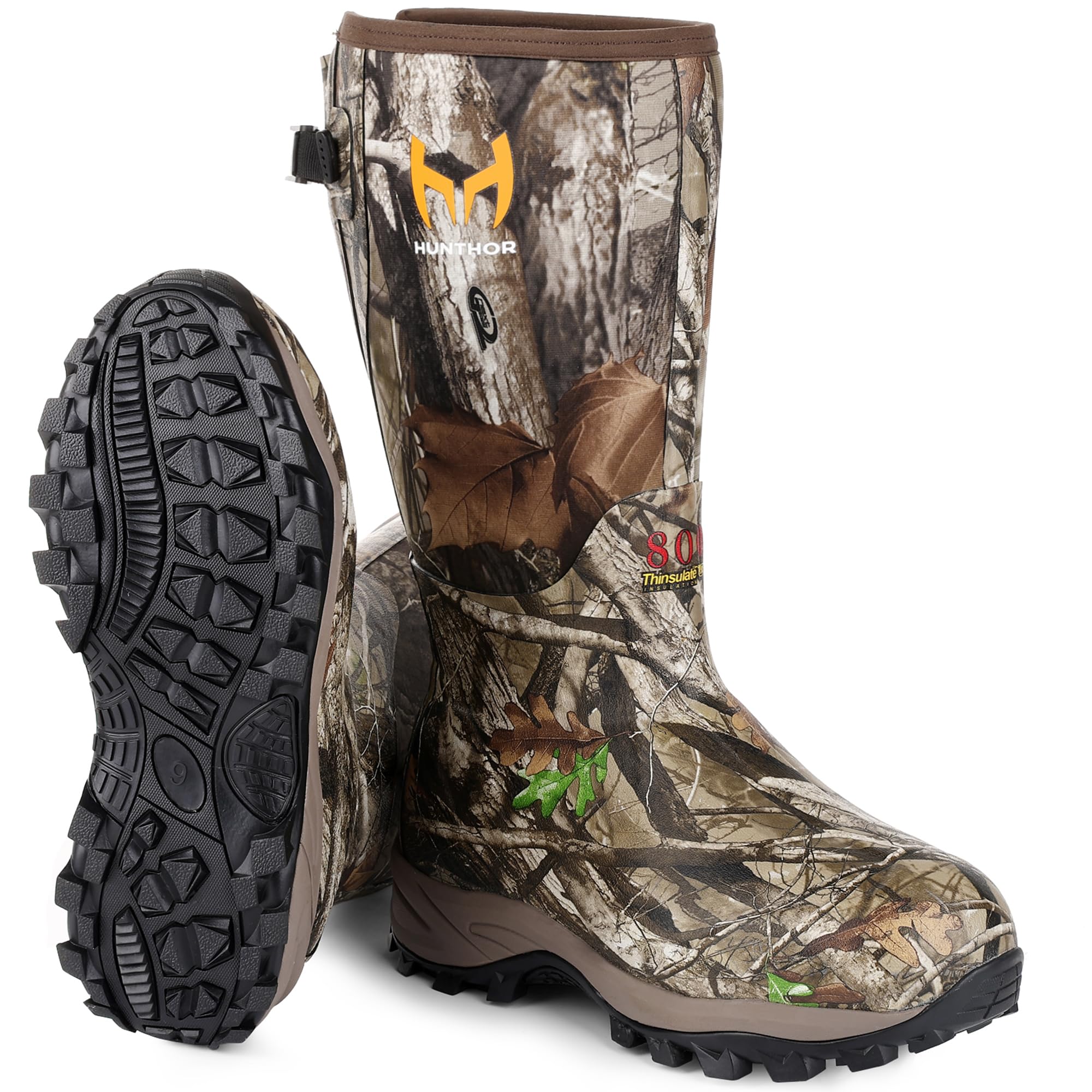

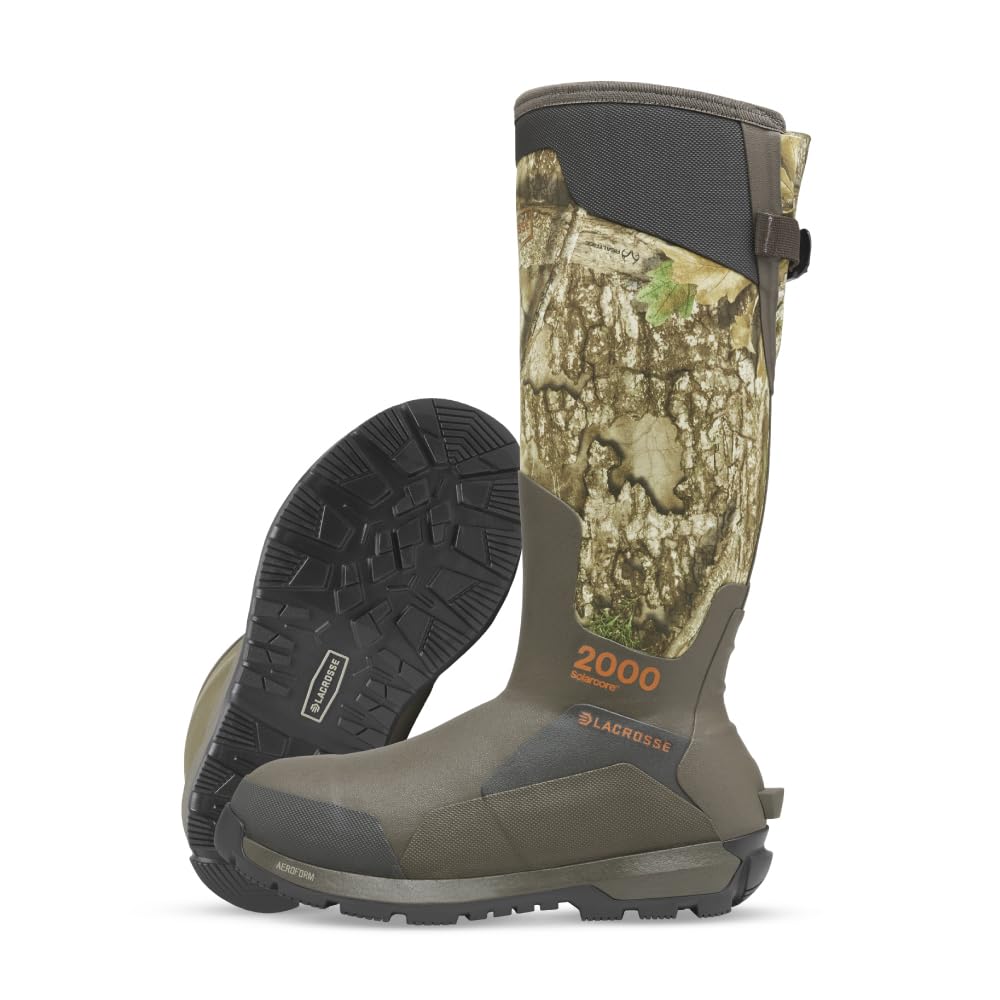


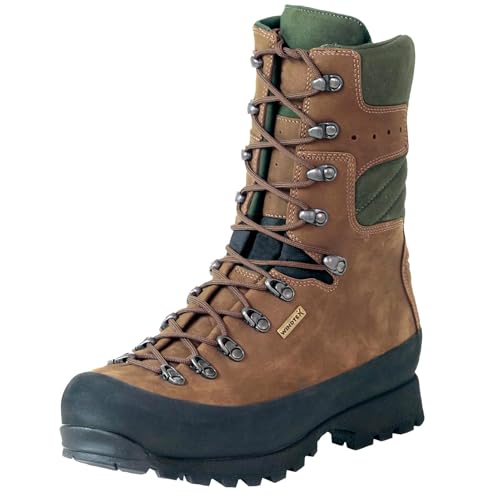
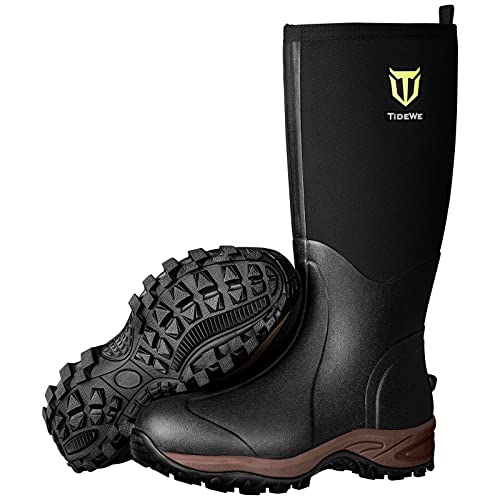
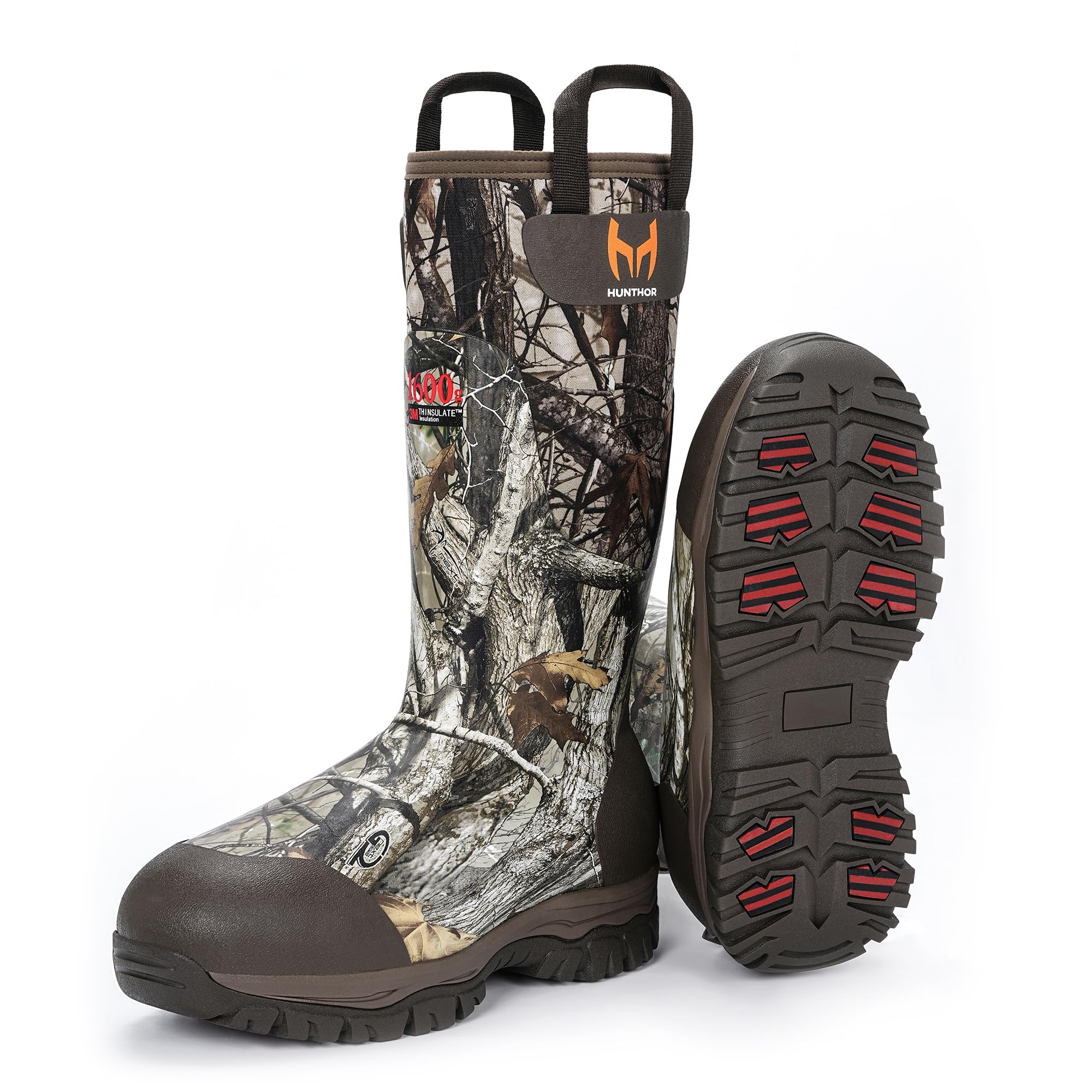
Who Should Buy Which Cold Weather Hunting Boots?
Your hunting style decides how much insulation you need more than temperature alone does. A boot that feels perfect on a long walk can feel cold within an hour of sitting still.
Tree Stand and Blind Hunters Who Sit for Hours
You generate little body heat while seated, so your feet cool fast. Choose the heaviest insulation in this guide, about 1200 to 2000 grams, in a tall boot that covers your calf. If most of your season is spent waiting over a food plot, see our guide to the best cold weather boots for deer hunting for stand focused advice.
Spot and Stalk Hunters Who Walk Most of the Day
You warm your feet with every step, so moderate insulation, about 400 to 800 grams, usually serves you better than the heaviest option. Pick a flexible leather or synthetic upper that bends at the ankle and a cushioned midsole for uneven frozen ground.
Hunters Crossing Wet Snow, Creeks and Slush
Your main enemy is water, not just cold, because meltwater soaks insulation and pulls heat away far faster than dry air does. Choose a tall waterproof boot, keep your pant legs outside the shaft, and dry the boots fully after every outing. Rubber and pac styles below suit your ground best.
Key Features to Compare
Compare the best boots for hunting cold weather by insulation first, then waterproofing, fit, traction and build. That order keeps a warm boot from hiding a poor fit or slick outsole.
Insulation Weight Matched to Your Activity Level
Insulation is sold by weight in grams, and common hunting boots run from about 200 to 2000 grams. Low weights near 200 to 400 grams suit active hunting in mild cold, 800 grams is a common middle choice for mixed days, and 1200 grams or more suits long still sits below freezing. More insulation helps only when you stay still, because a walking hunter in a very heavy boot sweats, and damp socks later chill the feet. For deeper detail on ratings, see our guide to the best insulated hunting boots for cold weather.
Waterproof Membranes and the Breathability Trade Off
A waterproof membrane blocks meltwater and creek splashes while letting some body moisture escape as vapor. Fully sealed rubber boots block water completely but release almost no vapor, so your socks grow damp from sweat on long walks. Leather boots with a membrane breathe better and support the ankle more, yet they need seams and leather kept in good condition to stay watertight. Choose rubber for standing water and slush, and a membrane boot for mixed walking and sitting.
Fit, Sizing and Toe Box Room for Heavy Socks
Try boots late in the day, when your feet are at their largest, and wear the exact heavy socks you hunt in. Your toes should wiggle freely and never press the front when you step downhill, because a tight toe box restricts blood flow and makes feet feel colder. Allow roughly a thumb width ahead of your longest toe. If you are between sizes, choose the larger size and adjust with sock thickness or an added insole, since cramped boots cannot be fixed by warmer socks.
Outsole Traction on Snow, Ice and Frozen Mud
Deep lugs, often about 5 to 8 mm, bite into snow and soft mud and shed packed snow as you walk. Softer rubber compounds grip cold hard surfaces better than very hard rubber, which can skate on ice and frozen rock. A defined heel breast helps control descents, and wide lug spacing clears mud instead of turning the sole into a slick pad. No lug pattern replaces care on glare ice, so shorten your stride and test each step near creek edges.
Boot Height, Upper Support, Weight and Cushioning
Tall boots, about 10 to 16 inches, keep snow out and support the calf on side slopes, while shorter boots near 8 inches feel lighter and suit rolling ground. A stiff shank protects your arch under a pack load, and a cushioned midsole softens frozen ruts and gravel. Full leather uppers offer the most support, while synthetic uppers cut weight. Choose support for your load and terrain first, then accept the weight that comes with it.
Types of Cold Weather Hunting Boots Compared
Three boot families cover nearly every cold hunt.
Insulated Leather Boots for Mixed Walking and Sitting
These lace up boots pair a leather or mixed upper with a waterproof membrane and built in insulation. They support the ankle on rough ground, breathe better than rubber, and fit hunts from upland edges to deer woods. They cost more than basic rubber boots and need regular leather care. Most hunters should start here, at about $120 to $250 for a solid pair.
Rubber Boots for Wet Ground and Scent Control
Tall rubber boots shine in flooded timber, marsh edges and muddy fields, and rubber holds less surface scent than leather. Insulated versions carry neoprene or foam linings that warm still hunts in wet country. If this style fits your land, see our guide to the best rubber hunting boots for cold weather before you buy. Expect a looser ankle fit and limited support on steep ground.
Pac Boots with Removable Liners for Severe Cold
Pac boots combine a rubber lower shell with a leather or fabric upper and a thick removable felt liner. The liner lifts out at night to dry fully, which matters on multi day trips where damp insulation would otherwise build up. They feel bulky for long walks, but for sitting still in severe cold, nothing here is warmer. For those conditions, see our guide to the best hunting boots for extreme cold weather.
Common Mistakes to Avoid
- Buying heavy insulation for active hunting makes you sweat early, and the damp socks leave your feet colder by afternoon.
- Sizing boots with thin everyday socks leaves no room for heavy hunting socks, so toes compress and lose warmth.
- Choosing short boots for deep snow lets snow spill over the top and soak your socks from above.
- Wearing cotton socks traps sweat against the skin, and wet cotton pulls heat away from your feet quickly.
- Taking brand new boots on a long hunt without a break in period risks blisters that end the trip.
- Judging traction on dry store floors tells you nothing about how lugs grip snow, ice or frozen mud.
Care and Maintenance of Cold Weather Hunting Boots
Dry boots slowly after every hunt. Pull out insoles and pac liners, loosen the laces fully, and let air circulate at room temperature away from direct heat, because hot air can crack leather and warp rubber. Newspaper stuffed inside pulls moisture out of deep insulation.
Brush off dried mud, rinse the outsoles, and wash salt marks away with plain water. Condition leather uppers once they are clean and dry so the leather stays supple. Store boots upright in a dry place, check liners and laces before the season, and replace worn insoles when cushioning feels flat.
FAQ
What socks should I wear with boots for hunting in cold weather?
Wear merino wool or synthetic socks, never cotton, with boots for hunting in cold weather. A thin liner sock under a heavy outer sock moves friction away from your skin and reduces blister risk. Carry a dry spare pair in a sealed bag and change at midday if your feet have sweated. That swap restores warmth better than adding a second heavy sock over a damp one.
Do cold weather hunting boots need to be waterproof?
Yes, cold weather hunting boots should be waterproof if you cross wet snow, creeks or slush. Dry insulation keeps its loft and warmth, while soaked insulation loses both. The exception is a dry, bitter cold hunt on frozen ground with no melt expected, where a breathable boot can release sweat vapor more freely. Most hunters face some meltwater, so waterproofing is the safer default.
How long does it take to break in cold weather hunting boots?
Most cold weather hunting boots feel comfortable after about 10 to 20 hours of walking. Start with short walks near home, then add a weighted pack before any long hunt. Leather styles soften more slowly than synthetic styles. If a hot spot appears, stop and adjust your socks or lacing at once, because pushing through early rubbing is how blisters form.
Are expensive cold weather hunting boots worth the cost?
Expensive cold weather hunting boots can be worth it if you hunt many days each season. Higher prices usually buy better membranes, denser insulation and stronger stitching at stress points. A hunter who goes out twice a year may get equal comfort from a mid priced pair at about $100 to $180. Spend first on fit and insulation matched to your hunting style, since those decide warmth more than price does.
Can I wear cold weather hunting boots all day on a hunt?
Yes, you can wear cold weather hunting boots all day if the fit and insulation suit your activity level. Loosen the laces during long sits to restore circulation, and tighten them again before walking. Move your toes every half hour or so in a stand, because small movements restart blood flow. If your feet swell late in the day, a roomier fit chosen at the shop pays off here.
Our Verdict
Match insulation to your stillest hour, size up for heavy socks, and pick the boot family that fits your wettest ground. Those decisions matter more than any brand or price tier.
When you compare best boots for hunting cold weather with those points settled, use the product table above to check insulation, height and price, and choose the pair you trust on your coldest morning.