Best Boots for Extreme Cold for 2026: Types Compared and How to Choose
Disclosure: We may earn a commission when you buy through links on this page, at no extra cost to you. As an Amazon Associate I earn from qualifying purchases. Learn more

Compare pac boots, insulated leather boots, and rubber boots side by side to choose the best boots for extreme cold for your activity and budget.
Shopping for serious winter boots gets confusing fast, because a boot that feels warm on a short walk can fail badly during a long, still hour outdoors. The best boots for extreme cold depend on whether you are moving or standing, and on whether your cold comes with slush, deep snow, or dry powder.
This guide compares the four main boot types side by side, then walks through ratings, fit, and traction so you can match a type to your real conditions. Start with the comparison table below, and use the sections after it to narrow the choice.


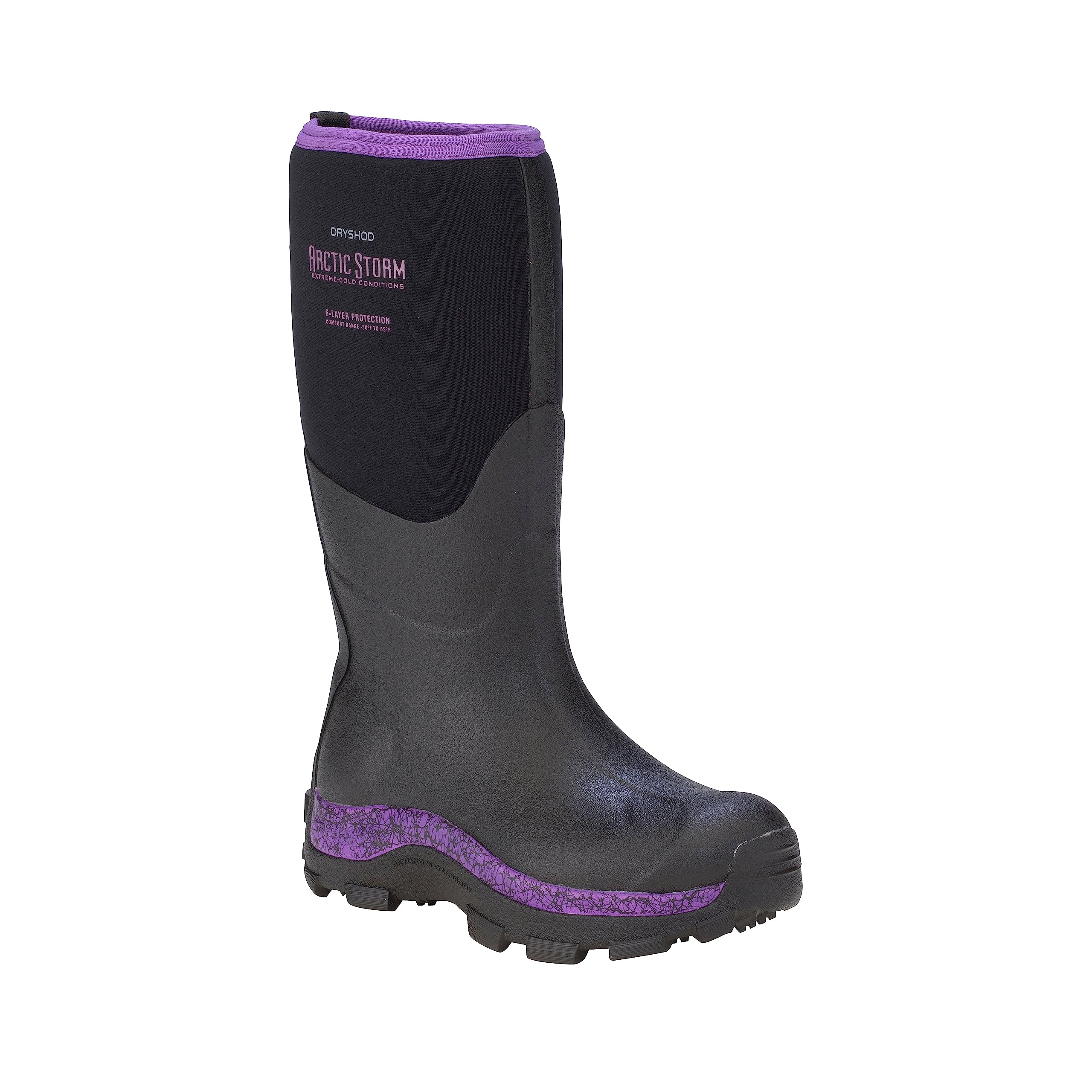
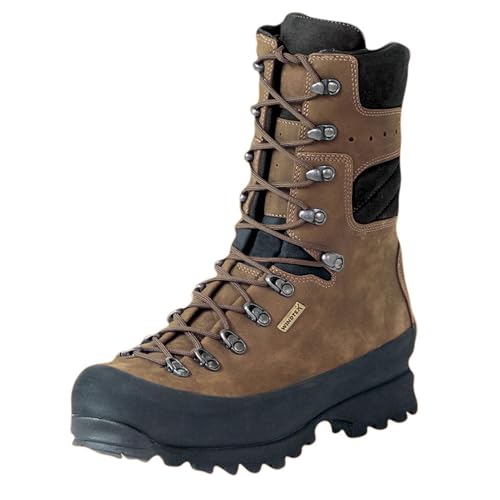


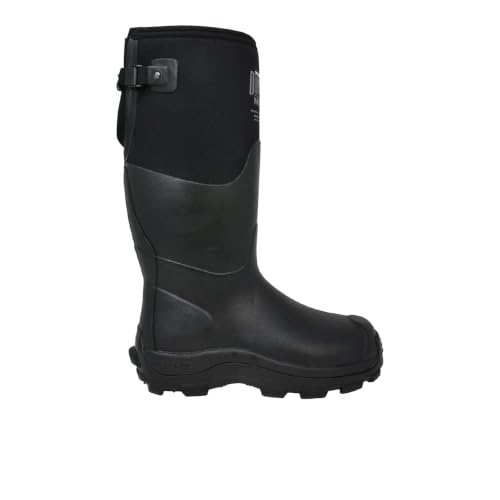
Best Boots for Extreme Cold: Types Compared
The best boots for extreme cold fall into four main types, and the differences between them matter more than small spec changes inside one type. The table sums up the tradeoffs, and the notes below explain who each type serves best.
| Type | Best For | Pros | Cons | Typical Price |
|---|---|---|---|---|
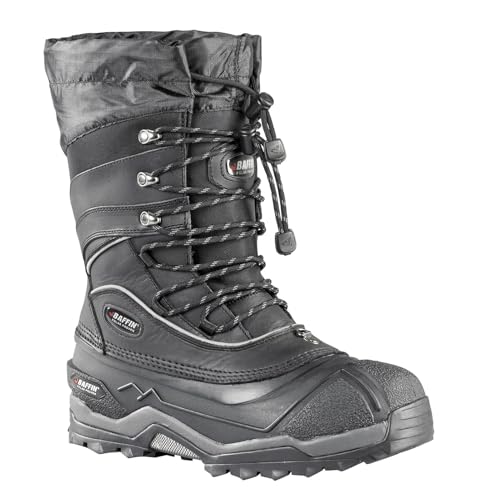
| Pac boots with removable liners | Long, still hours in deep cold | Warmest option, liners dry indoors | Bulky, tiring to walk far in | about $120 to $250 |
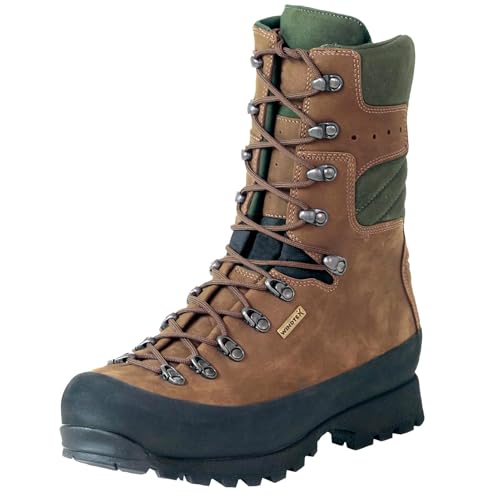
| Insulated leather boots | Work and mixed winter use | Durable, supportive, repairable | Heavier, needs waterproofing care | about $150 to $300 |
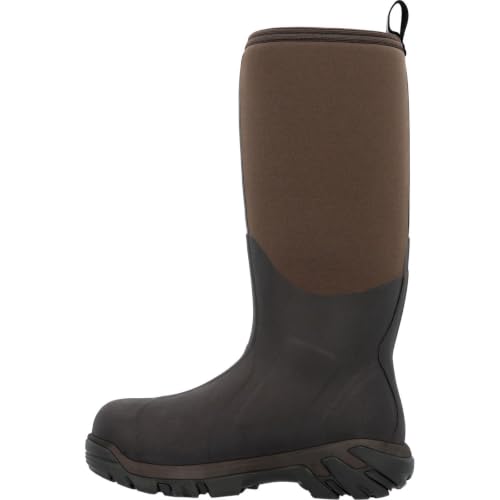
| Rubber and neoprene boots | Wet cold, slush, and farm chores | Fully waterproof shaft, easy to clean | Less ankle support, sweat builds up | about $80 to $180 |
| Insulated hiking boots | Active walking in cold weather | Light, flexible, natural stride | Less insulation for standing still | about $130 to $260 |
Pac Boots With Removable Felt Liners
Pac boots pair a rubber lower section with a leather or nylon upper and a thick removable liner, usually felt or foam. That liner is the warmth engine, and because it comes out, you can dry it overnight and restore full insulation for the next day. They are the classic choice for ice fishing, snowmobiling stops, and winter work that involves long standing. The cost is bulk: they feel clumsy on long walks and pack poorly.
Insulated Leather Boots
These boots build insulation such as synthetic fill into a full leather upper, giving a closer, more supportive fit than a pac boot. They suit winter work, hunting on the move, and anyone who wants one durable pair for varied cold days. Leather needs regular waterproofing care, and a soaked leather boot dries slowly, so they are less forgiving than rubber in slush.
Rubber and Neoprene Boots
A waterproof rubber or neoprene shaft over an insulated foot section makes these the default for wet cold: slushy streets, barn chores, and late season mud. They hose clean in seconds and never need waterproofing treatments. Support is modest, though, and because the shaft does not breathe, feet sweat during hard work and then chill when you stop.
Insulated Hiking Boots
Think of these as winter versions of a hiking boot, with lighter insulation, a flexible sole, and a fit made for miles. They are the right pick when your cold weather time is mostly walking, since movement generates much of the warmth you need. For standing on ice or waiting at a bus stop in severe cold, their insulation runs out quickly.
Pac Boots vs Insulated Leather Boots: Which Should You Choose?
These two types compete for the same buyers, so compare them on your day, not on specs. For warmth while standing still, pac boots win, because the thick liner holds more trapped air than built in fill. For walking distance and ankle support, leather boots win clearly, and they also repair better, since a cobbler can resole them. Drying favors pac boots, whose liners come out each night; leather boots need a day or more after a soaking.
Shoppers who spend whole days outdoors in the deepest part of winter can also compare the best winter boots for extreme cold for more options in both styles. Choose pac boots for still, severe cold, and leather boots for active, varied days.
How to Choose the Right Boot
Temperature Ratings and Insulation Weight
Maker temperature ratings assume an active wearer, so a boot rated to minus 40 degrees may feel cold at minus 10 if you are standing still. Insulation weight, often about 400 to 1,200 grams, is a rougher but more honest guide: light fill suits active use, and the heaviest fill suits still work. If your days mix both, size your choice for the still hours, because those are when feet get cold. Our guide to the best extreme cold weather boots explains how activity level changes what a rating really means.
Fit, Sizing, and Toe Box Room
Fit is a warmth feature, not just a comfort one. A tight boot squeezes blood flow, and restricted feet feel cold no matter how much insulation surrounds them, so you need clear wiggle room for your toes with your thickest socks on. Measure your feet in the evening, wear the full sock system you plan to use, and size up if you fall between sizes. Stop and warm your feet, and seek medical care, if toes become numb and stay numb, or if skin turns white, waxy, or blistered; talk with a doctor about repeated numbness or lasting foot pain rather than treating it as normal winter discomfort.
Waterproofing and Traction on Ice
Wet insulation barely insulates, so match waterproofing to your snow: dry powder needs little, while slush demands a waterproof lower section and sealed seams. For grip, look for deep lugs and a rubber compound that stays flexible in the cold, since hard rubber skates on ice. Shoppers who mostly deal with snow covered pavement can compare the best snow boots for extreme cold, which trade some deep cold insulation for lighter, grippier designs.
Weight, Flexibility, and Expected Lifespan
Heavy boots protect and insulate, but every extra pound costs energy on a long day, so active users should accept slightly less insulation for a boot they can walk in. Flexibility follows the same trade: stiff soles guard against fatigue on frozen ground, while flexible soles feel natural on cleared paths. A quality pair typically lasts about four to eight winters, with liners and insoles wearing out first; replaceable liners extend the life of pac boots the most.
Best Boots for Specific Needs
Best Mens Boots for Extreme Cold
Men's boots for extreme cold usually need three things beyond the standard checklist: extended sizes, a wider last option, and insulation rated for long outdoor work shifts. Men shopping for work should lean toward pac boots or insulated leather, since both come in wide fittings and hold up to daily wear. Women comparing lasts, calf fit, and lighter weights can see our guide to the best women's boots for extreme cold for the parallel breakdown.
How to Make Your Boots Last Longer
Pull liners and insoles out after every wearing so trapped moisture can escape, because insulation that stays damp loses warmth and grows odor. Dry boots slowly at room temperature rather than on a heater vent, and store them upright in a cool, dry place out of direct sun. Reproof leather uppers each season, knock dried mud off rubber sections before storing, and replace compressed liners or insoles promptly; fresh liners can make an old pac boot feel new again.
Frequently Asked Questions
Which features matter most in extreme cold boots?
Insulation matched to your activity level matters most, followed by a fit that leaves room for blood flow and thick socks. After those two, waterproofing suited to your snow type and a sole compound that stays flexible decide real world warmth. Brand and styling matter least, because cold feet come from squeezed toes and damp insulation far more often than from a missing feature.
Are expensive extreme cold boots worth the money?
They can be, mainly because costly boots more often offer replaceable liners, resoleable construction, and better insulation that resists packing down. Those traits spread the price over more winters, which is where the value sits. If you only face a few very cold days each year, a mid priced pac boot usually covers you without the premium.
Do extreme cold boots need to be waterproof?
Only if your cold comes with liquid water, such as slush, wet snow, or stream crossings during hunting. In dry, deep cold regions, snow brushes off and a water resistant upper is enough, with better breathability as a bonus. One catch: snow that lands on a warm boot melts, so even dry climate users benefit from a waterproof foot section.
What socks work best inside extreme cold boots?
A thin liner sock under a thick merino wool sock is the standard system, because the liner moves moisture off the skin and the wool holds warmth even when damp. Avoid cotton completely, since it absorbs sweat, loses insulation, and chills feet fast. Carry a spare pair on long days and change at midday if your feet sweat heavily.
How often should I replace extreme cold boots?
Replace them when the insulation no longer keeps you warm for your usual outing, even if the outside still looks fine. Packed down liners, cracked rubber, and smooth worn lugs are the practical signals, and they often appear after about five to eight winters of regular use. Replacing just the liners in a pac boot can buy several more seasons.
Final Thoughts
Pick the type that matches your movement first: pac boots for standing in severe cold, insulated leather for mixed work, rubber for wet cold, and hiking styles for active days. Then confirm the fit leaves room for thick socks and real toe movement. The comparison table above puts the types side by side, and with it you can choose the best boots for extreme cold for your winters with confidence.