
Best Boots for Cold Wet Weather in 2026: Everything to Know Before Your First Purchase
Disclosure: We may earn a commission when you buy through links on this page, at no extra cost to you. As an Amazon Associate I earn from qualifying purchases. Learn more

Shopping for the best boots for cold wet weather for the first time? Learn the terms, compare options, and avoid rookie mistakes with this easy guide.
Cold rain, slush, and puddles punish ordinary shoes fast. Socks get wet, toes go numb, and smooth soles slide on slick pavement. The best boots for cold wet weather solve all three problems at once by sealing water out, holding warmth in, and gripping ground that stays slippery for months. This guide starts with the basic terms, then walks you through fit, traction, and care in plain language.
You only need to know which features match your streets, your commute, and your coldest typical day. Use the comparison table below to see how the main boot types differ, then read on to learn which details deserve your attention.




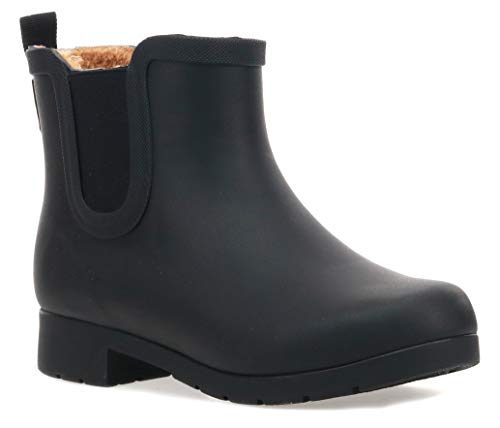
Boots 101: What Makes a Boot Ready for Cold and Wet Days
A boot built for this weather is a system, not a single feature. A waterproof layer keeps rain and meltwater out. Insulation slows heat loss from your feet. A lugged outsole bites into slush and wet leaves. When one part is weak, the whole boot feels weak on a cold, soaked street.
Who Should Buy Boots for Cold Wet Weather?
Your daily routine decides how tall, warm, and rugged your boots need to be. Match yourself to a group below first, and the later choices become simpler.
Commuters Crossing Wet Streets and Slushy Curbs
You walk to a bus stop, cross plowed intersections, and stand on wet platforms. A mid height waterproof boot with moderate insulation suits you best, since it covers the ankle against splash while staying light for daily miles. Look for a sole with many small edges, because painted crosswalks and station floors are often slicker than snow.
Outdoor Workers Standing in Puddles for Hours
You load trucks, walk job sites, or work parking lots while water pools underfoot. Standing still cools feet faster than walking, so you need stronger insulation and a taller shaft. If your shifts are long, also see our guide to the best cold weather work boots for safety toe options.
Walkers on Cold Muddy Trails and Dog Routes
You follow park paths, gravel lanes, and muddy fields where footing changes every few steps. You need deeper lugs and a firmer sole than a street boot offers, plus ankle support for rutted ground. For rougher routes, see our guide to the best hiking boots for cold weather before you decide.
Key Features to Compare
When you compare best boots for cold wet weather options, treat warmth and waterproofing as one system and fit as the deciding vote. A boot that leaks or pinches fails no matter how good its spec list looks. Work through the five factors below before you look at prices.
Waterproofing and Insulation Working Together
Waterproofing usually comes from a membrane bootie inside the boot, often described with terms such as Gore Tex, paired with sealed seams and a gusseted tongue that blocks water at the laces. Insulation is rated in grams, and about 100 to 200 grams suits active city use while 400 grams or more suits standing still in deep cold. More is not always better, because overheated feet sweat and damp socks chill you later.
Fit, Sizing, and the Toe Box
Measure your feet in the afternoon, when they are at their largest, and shop while wearing the thick socks you plan to use. Your toes need room to spread, since a roomy toe box traps warm air and avoids the squeeze that cuts circulation. Aim for about a thumb width in front of your longest toe. Shoppers comparing lasts across brands may also want to see our guide to the best cold weather men's boots.
Outsole Traction for Ice, Slush, and Wet Stone
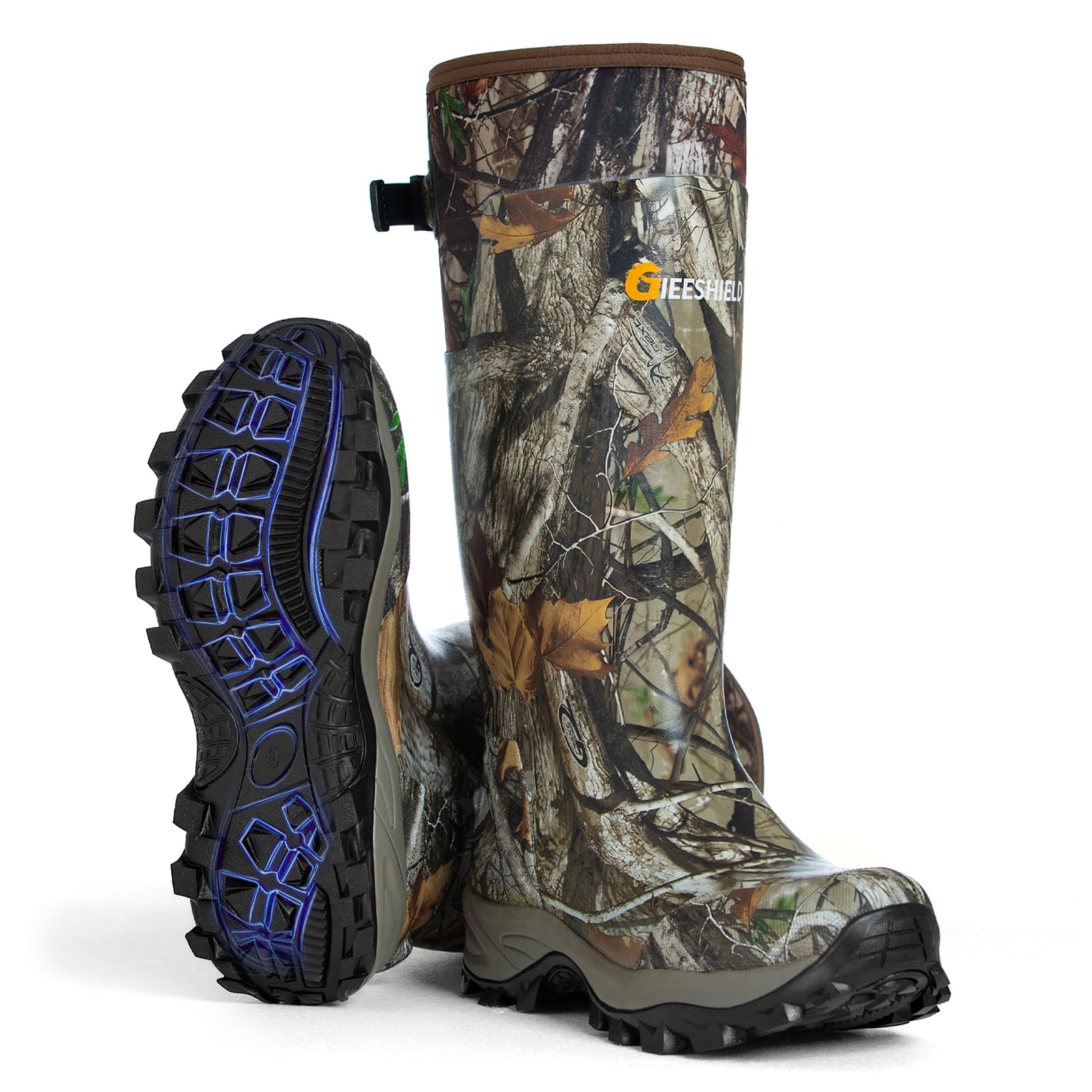
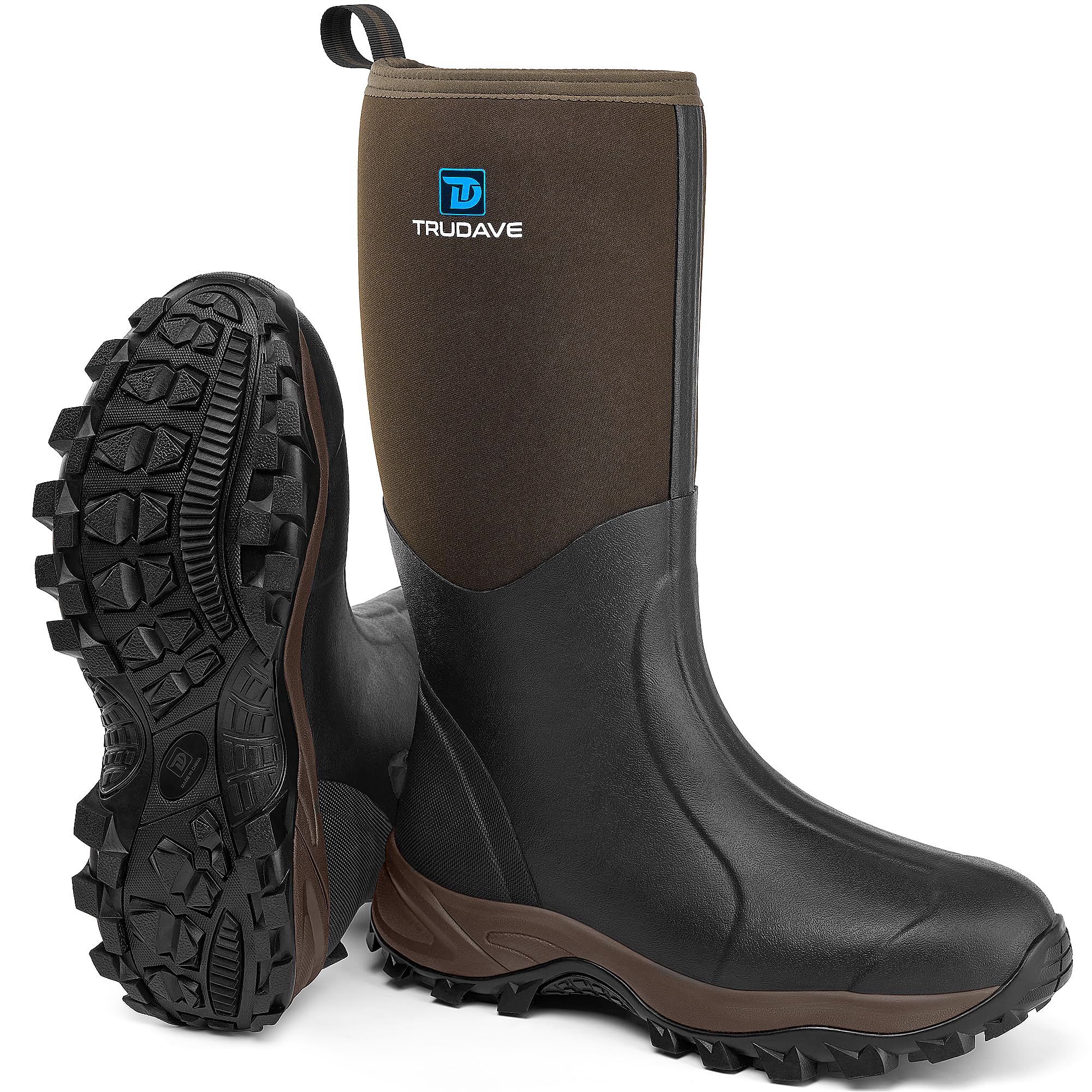
The outsole is the rubber bottom of the boot, and its pattern of lugs does the gripping. Lugs about 4 to 5 mm deep push slush aside and bite into mud, while softer rubber stays flexible and grippy in low temperatures. Wide spacing between lugs sheds packed snow instead of letting it build into a smooth surface. If your routes are mostly icy sidewalks, favor many small biting edges over deep lugs.
Upper Materials That Keep Rain and Meltwater Out
Full grain leather resists scuffs and sheds water well once treated, but it weighs more and needs regular conditioning. Synthetic uppers weigh less and dry faster after a soaking. Mesh alone is a poor choice here, because it lets cold air and splash reach the membrane. Breathability still matters, since a breathable membrane lets sweat vapor escape and keeps your socks drier through a long day.
Cushioning, Arch Support, and Heel to Toe Drop
Cushioning softens each step on frozen pavement, which behaves almost like concrete. Arch support matters more in winter because heavy boots ask your feet to work harder, and a supportive footbed helps stability on rutted snow. Heel to toe drop describes how much higher the heel sits than the toes. A moderate drop feels natural for most walkers, while a very flat sole can strain calves used to everyday shoes.
Types of Boots for Cold Wet Weather Compared
Most first purchases fall into one of three families. If you want the broadest view of the category, see our guide to the best cold weather boots alongside the type notes below.
Pac Boots With Removable Liners
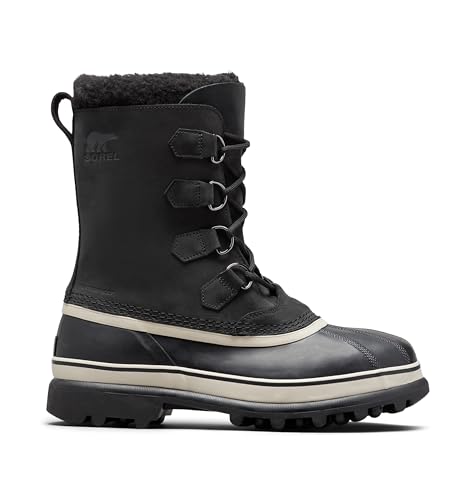
Pac boots pair a rubber lower section with a leather or textile upper and a thick felt liner you can pull out. They excel in deep snow and standing water, and the liner dries overnight on its own. They feel heavy for long walks, so they suit yard work and short trips better than all day commuting.
Insulated Waterproof Leather Boots
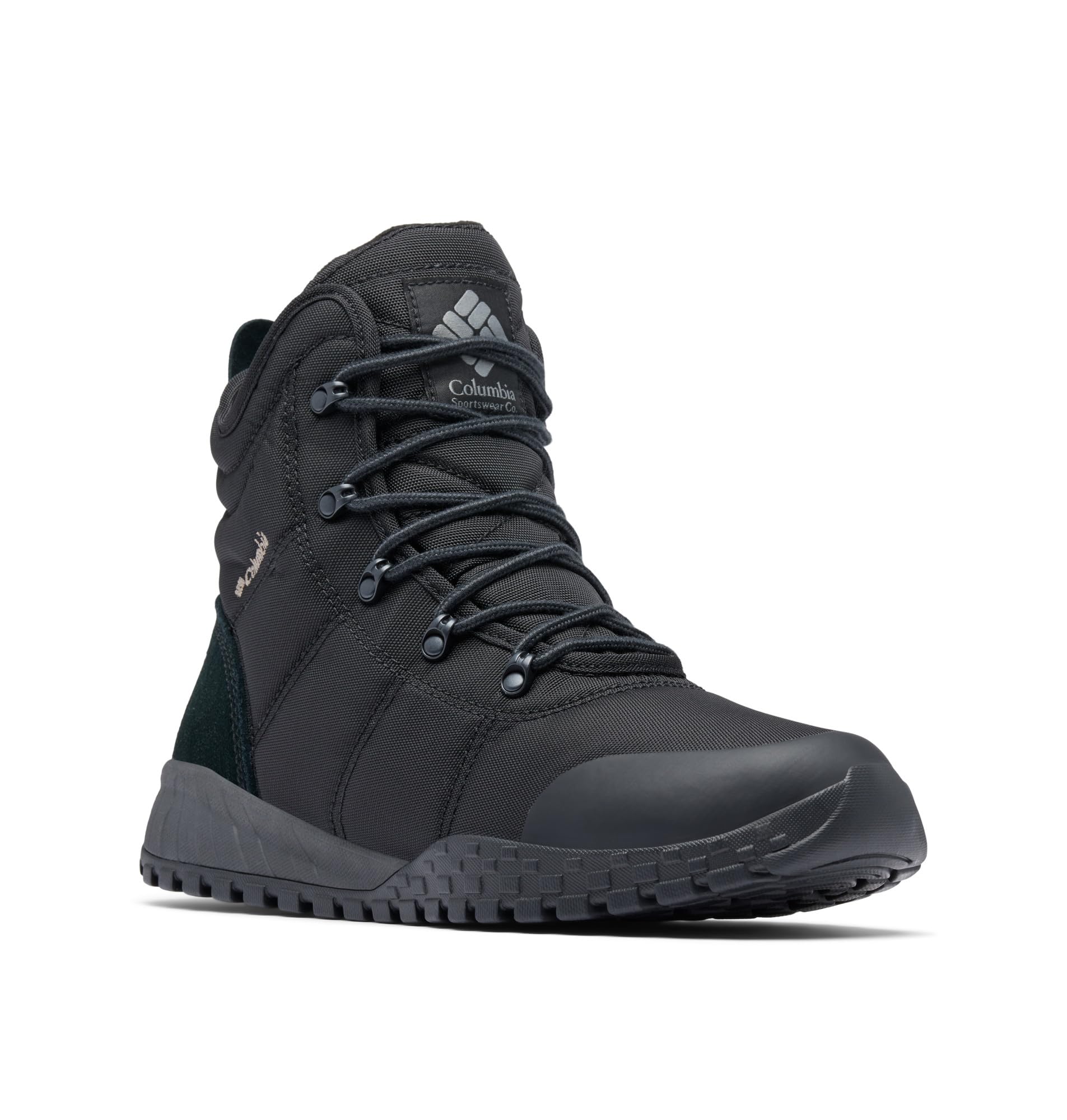
These look most like everyday boots, with a sealed leather upper, a membrane, and insulation bonded inside. They fit closer, walk better, and suit mixed days of streets, transit, and office stops. They are the safest first purchase for most people, because they handle rain and slush without pac boot bulk.
Waterproof Hiking Style Boots
Hiking style boots borrow trail soles, firm midsoles, and protective toe caps, then add insulation for winter. They give the best stability of the three types on rutted, uneven frozen ground. Choose them if your winter walking includes hills or unpaved routes, and accept a stiffer feel at first.
Common Mistakes to Avoid
- Buying waterproof boots with no insulation, so rain stays out but your toes still freeze at the bus stop.
- Sizing down for a snug feel, which squeezes circulation and makes feet colder instead of warmer.
- Choosing smooth fashion soles for winter, so the first icy curb or wet ramp sends you sliding.
- Wearing cotton socks in waterproof boots, because cotton holds sweat and chills your feet once you stop moving.
- Judging warmth indoors at the store, where every insulated boot feels hot and the differences disappear.
- Drying soaked boots on a radiator, which cracks leather and weakens the glues that hold the sole.
Care and Maintenance for Boots in Cold Wet Weather
Brush off salt and grit after each wet outing, because road salt dries leather and stains it if left in place. Stuff damp boots with plain paper and let them air dry at room temperature away from direct heat. Removable liners and insoles should come out so air reaches every layer, and most boots feel dry again within a day.
Once leather boots are clean and dry, work in a conditioner made for that material so the upper keeps shedding water. Check soles each month for smooth patches and inspect seams for gaps where water could enter. Store boots upright in a dry spot with the shafts open, since folded shafts crease and let the lining stay damp.
Frequently Asked Questions
What features matter most in boots for cold wet weather?
Waterproofing, insulation, and traction matter most, in that order. A new point worth checking is shaft height against your real puddle depth, because water that pours over the top defeats every membrane. If meltwater regularly reaches your ankles, choose a taller boot even when a shorter one feels lighter.
Do I need waterproof boots for cold wet weather?
Yes, you need true waterproof boots once rain, slush, or standing meltwater is part of your routine. Water resistant coatings only shed light drizzle for a short time before the upper soaks through. Judge by commute length, because a coating that holds for ten minutes may fail across a forty minute walk.
How long is the break in period for cold wet weather boots?
Most cold wet weather boots feel settled after about one to two weeks of regular short walks. Leather models take the longest, while textile models often feel fine within days. Build up gradually, starting with an hour at home and short errands, before trusting them on your longest route.
Can I wear cold wet weather boots all day?
Yes, you can wear cold wet weather boots all day if the fit and insulation match your activity. The detail many first buyers miss is sock management, because a fresh dry pair at midday restores warmth on long days. If your feet run hot indoors, choose a lighter insulation level.
How often should I replace boots for cold wet weather?
Replace boots for cold wet weather when waterproofing fails or the sole no longer grips, often after several winters of regular use. A simple home check is to stand in shallow water for a few minutes and feel for dampness at the toes. Insulation also slowly compresses, so old boots can feel thin even when they look sound.
Are expensive boots for cold wet weather worth the cost?
Expensive boots for cold wet weather are worth the cost when you face this weather daily for months. Higher prices usually buy better membranes, stronger seams, and soles that keep their grip longer. Judge value by cost per winter, since one durable pair can cost less than replacing a cheap pair yearly.
Final Thoughts
Start with your routine, then choose waterproofing and insulation that match it, and let fit settle every close call. A roomy toe box and a grippy lugged sole will do more for your comfort than any single headline spec. The best boots for cold wet weather for you are the ones still warm and dry at the end of your wettest day, so revisit the product table above and pick the type that fits your winter.


