Best Boots for Asphalt Work: Heat, Grip and Fit for 2026
Disclosure: We may earn a commission when you buy through links on this page, at no extra cost to you. As an Amazon Associate I earn from qualifying purchases. Learn more

The best boots for asphalt work balance heat resistant outsoles, grip, fit and toe protection. Compare boot types for your shift.
Choosing the best boots for asphalt work is harder than it looks, because the surface, the heat, and the length of the shift all pull in different directions. A boot that feels fine on a cool morning can feel stiff and hot by midday, while a light boot may not give enough support on uneven ground. This guide compares the main boot types side by side, so you can match the boot to your work instead of guessing. Use the comparison table below as a starting point, then read the fit and feature sections before you decide.
Asphalt work is not one job. Some crews spend the day walking behind equipment, others stand in one place, rake, shovel, or move between a truck and the paving line. Each pattern stresses feet differently, so the right boot depends on walking distance, surface heat, and toe protection needs. The sections below explain those tradeoffs in plain terms.


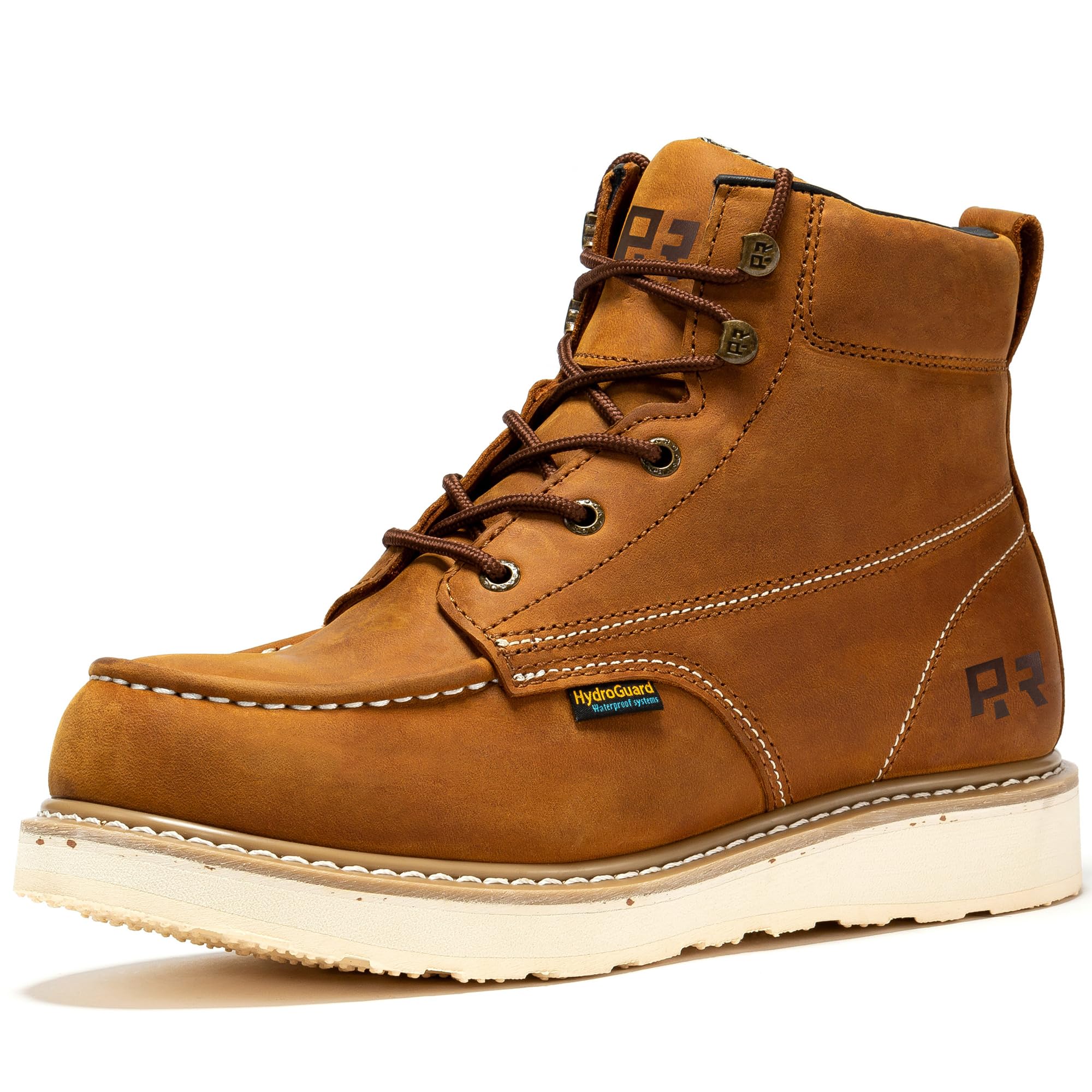
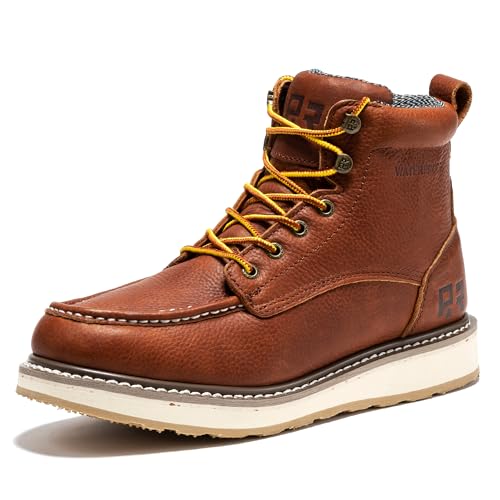

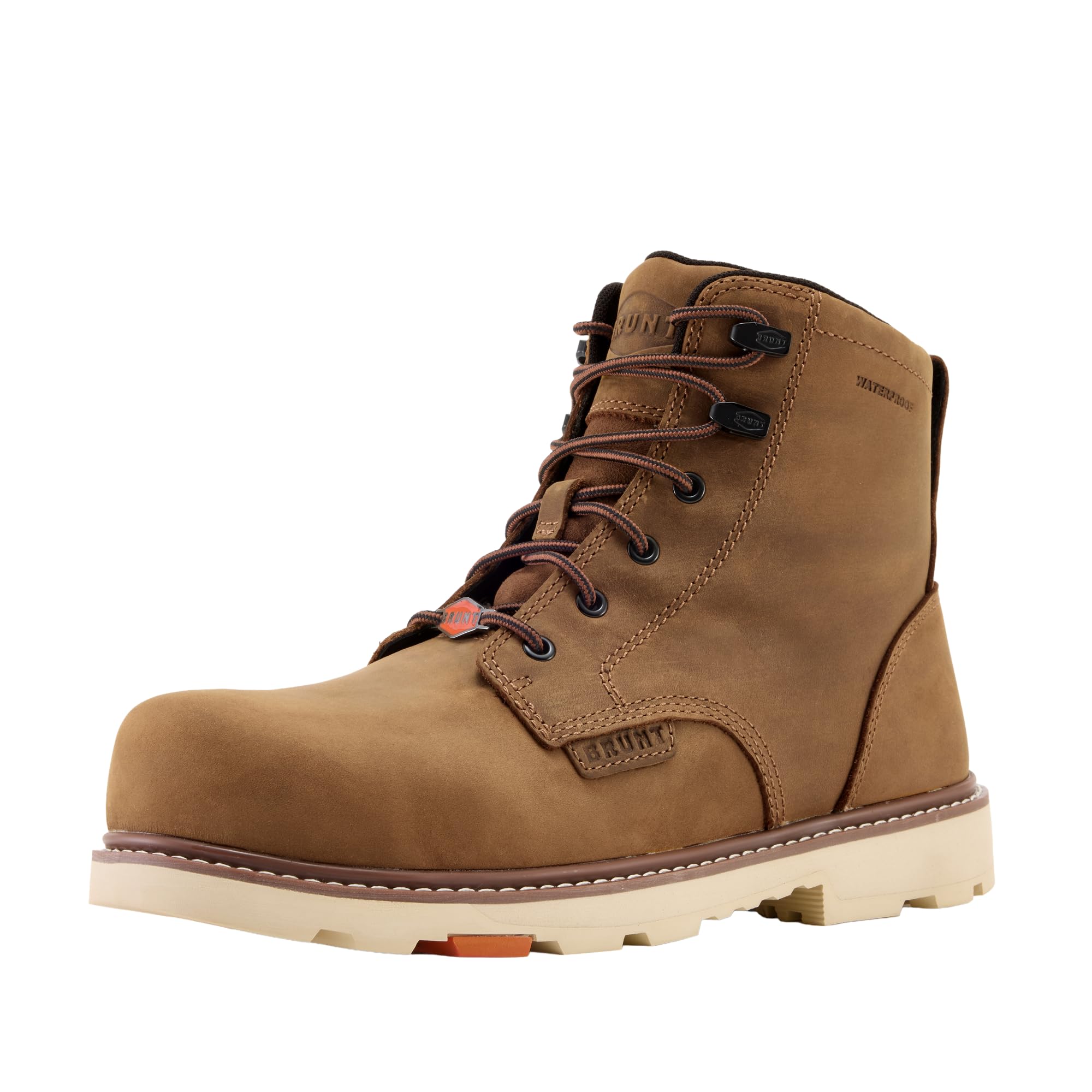

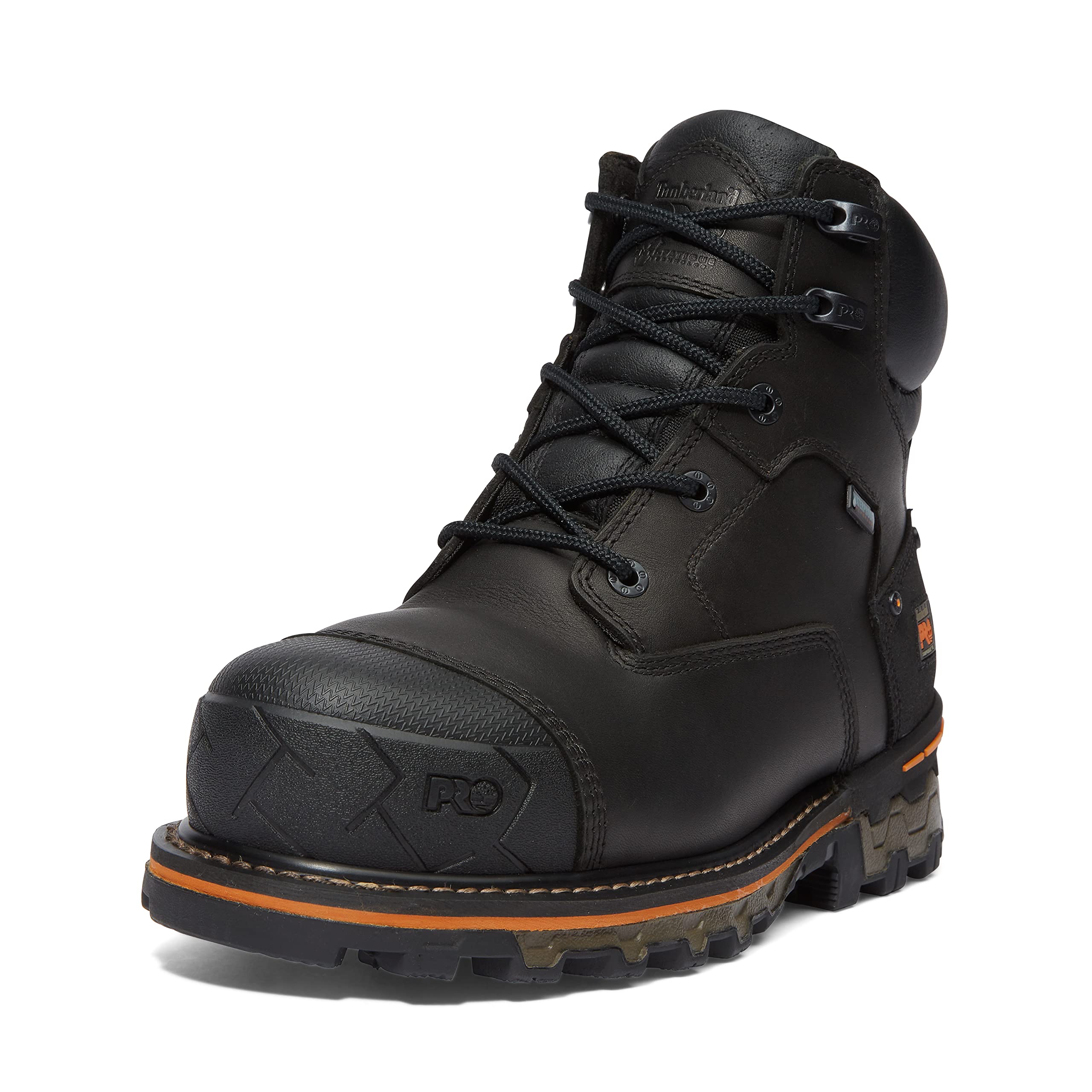
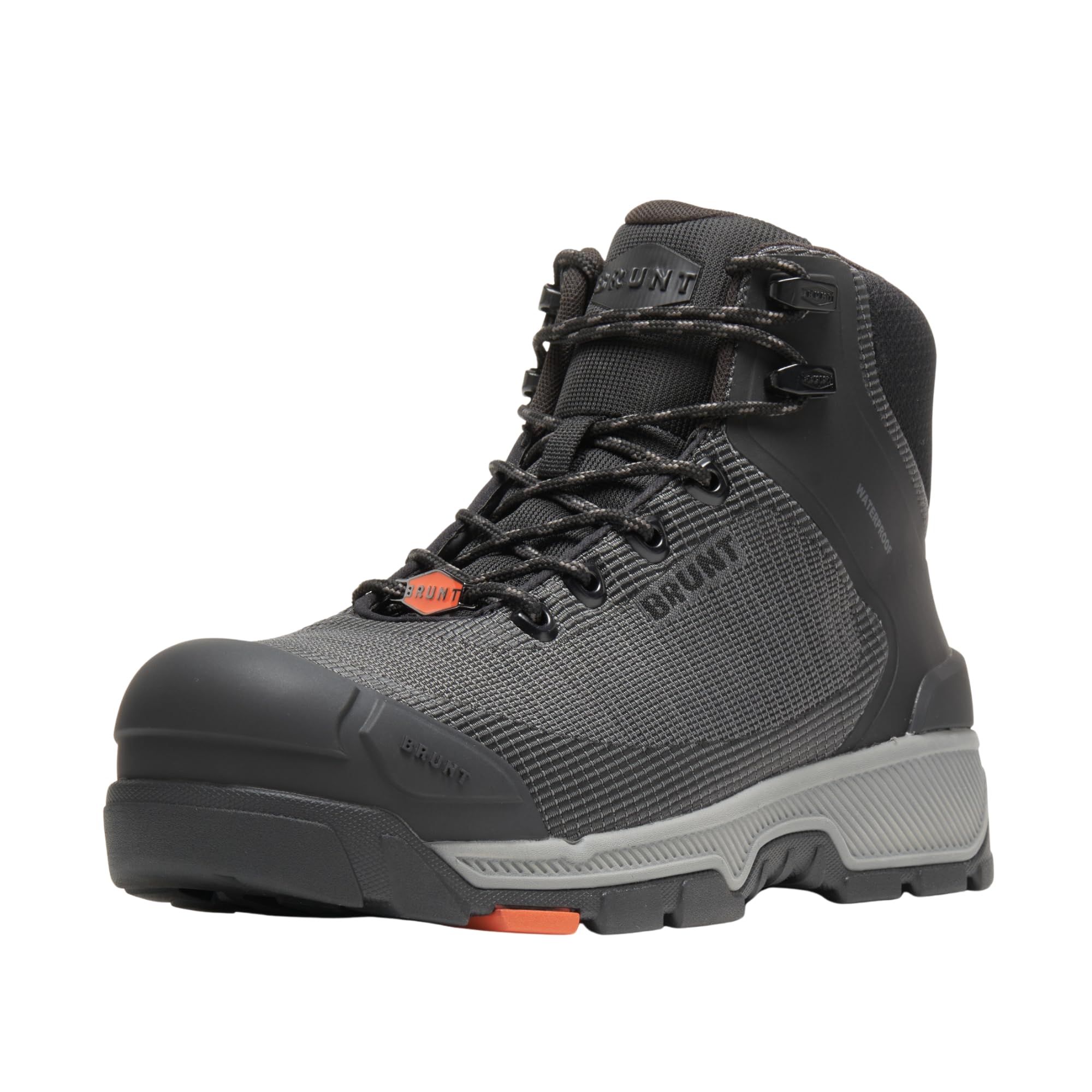
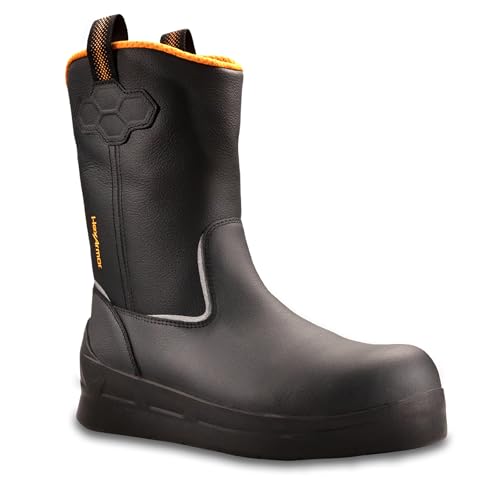
Types of Boots Compared
The table below gives a quick view of the three broad boot styles most often used for asphalt work, and a broader guide to best work boots can help place these styles in context. Prices are approximate, and the real cost depends on materials, construction, and toe protection. Read the sections that follow for the detail behind each row.
| Type | Best For | Pros | Cons | Typical Price |
|---|---|---|---|---|
| Heat resistant work boots | Crews working close to fresh asphalt | Outsoles built for hot surfaces, firm support | Heavier, can feel warm in summer | About $120 to $220 |
| Waterproof work boots | Wet mornings, drainage work, and mixed weather | Keep feet drier, often with a sealed upper | Less breathable on hot days | About $110 to $200 |
| Lightweight breathable work boots | Long walking shifts in warm weather | Lighter, cooler, easier to move in | Less insulation from surface heat | About $90 to $180 |
Heat Resistant Work Boots
Heat resistant work boots are built around an outsole that holds its shape and grip on warm surfaces. The outsole compound matters more than the look of the tread, because a soft compound can wear fast or feel sticky on hot asphalt, while a very hard compound can feel slick on smooth ground. Look for a deep lug pattern that sheds loose aggregate, plus a shank or midsole plate that keeps the foot stable when you step on uneven patches.
These boots suit workers who stand near fresh material, handle rakes and shovels, or move slowly over a hot mat, and readers comparing paving specific styles can also check a guide to best work boots for asphalt paving. They tend to be heavier, so try them with your work socks and walk on a hard floor before you judge the weight. If your employer requires a specific toe type or outsole rating, check that rule first.
Waterproof Work Boots
Waterproof work boots use a membrane or a sealed upper to slow water entry, which helps on wet mornings, near drainage work, or when the ground stays damp after rain. The tradeoff is breathability. A sealed boot traps more heat, so feet can sweat faster on a warm paving day, and damp socks can cause blisters even when no rain gets in. For that reason, waterproof boots make most sense when wet conditions are regular, not just occasional.
Check how the waterproofing is built, not just whether the label says waterproof, and compare general asphalt styles in a guide to best asphalt boots. A membrane inside the boot, sealed seams, and a gusseted tongue all help, while a water resistant upper alone may only slow light splashes. Dry boots away from direct heat after a wet shift, and rotate pairs when you can.
Lightweight Breathable Work Boots
Lightweight breathable work boots use mesh panels, lighter midsoles, and a lower profile to cut fatigue on long walking shifts. They feel easier on the legs when you cover a lot of ground, move between trucks, or work on cooler, older asphalt. The lighter build can also mean less cushioning under the heel and less protection from surface heat, so they are a better fit for moderate temperatures than for work directly beside fresh hot material.
Fit still matters more than weight alone. A light boot with a roomy toe box, a stable heel, and a cushioned insole will usually feel better at the end of the day than a very light boot that pinches the toes, a point also covered in a guide to best work boots for walking on asphalt. Confirm that a light style offers the toe type your employer requires, because not every light boot does.
Heat Resistant Boots Compared With Waterproof Boots: Which Should You Choose?
Heat resistant boots and waterproof boots solve different problems, so the choice starts with your most common condition. Heat resistant boots focus on outsole performance and stability on warm surfaces, while waterproof boots focus on keeping water out in wet conditions. If you work beside fresh asphalt most days, outsole heat performance should come first. If you work in rain, wet ground, or drainage areas most days, waterproofing should come first.
Consider comfort next. Heat resistant boots can feel warm and firm, while waterproof boots can feel warm and sealed, so neither is automatically cool.
Breathability, sock choice, and standing time all affect comfort. A heat resistant boot with a water resistant upper may handle light wet weather without the full heat buildup of a sealed boot. Check employer and local rules for toe protection first, because those rules override comfort preferences.
How to Choose the Best Boots for Asphalt Work
Use this section as a checklist, working through fit first, then asphalt features, waterproofing, support, and durability. A boot that fails on fit will not become comfortable with a better outsole.
Fit, Sizing, and Toe Box
Measure your feet in the afternoon, when they are slightly larger, and wear the socks you will use at work. A roomy toe box lets your toes spread when you walk and stand, which matters on long shifts and on sloped ground. Your heel should stay in place without slipping, and your toes should not touch the front when you walk downhill or step off a curb. Fit the larger foot if your feet differ in size.
Features That Matter for Asphalt Work
Asphalt work demands grip on loose aggregate, stability on uneven patches, and an outsole that copes with warmth. Look for a lug pattern that grips without trapping too much stone, a stable midsole that resists twisting, and a heel that gives a secure step when you climb on and off equipment. Toe protection is a separate decision: soft toe, steel toe, and composite toe styles each have different weight and feel, so follow your employer rules and choose the lightest option that meets them. Slip resistant outsoles help on smooth or oily patches, but no outsole removes the need for careful footing.
Waterproofing and Membranes
Waterproof membranes sit inside the boot and slow water from reaching your socks, while the outer upper still gets wet. That design works well in steady rain, but it also traps sweat, so pair a waterproof boot with moisture wicking socks and a drying routine. Water resistant uppers, by contrast, shed light splashes and dry faster, which can be enough for dry climates or short wet spells. Decide based on how often you actually work in wet conditions, not on the worst day you can imagine.
Arch Support and Foot Type
Flat feet, high arches, and feet that roll inward all need different support, and the wrong insole can cause sore arches or tired legs. A removable insole is useful, because it lets you swap in an aftermarket insole that matches your arch without changing the boot size. Stability features in the midsole can help feet that roll inward, while a neutral cushioned boot may suit feet with a normal arch. If you have ongoing foot pain, reduced feeling, or a circulation condition, talk with a clinician about fit and support before you rely on any boot feature.
Durability and Expected Lifespan
Durability depends on surface, mileage, and care more than on price alone. Boots used daily on rough asphalt wear faster than boots used a few days a week on smoother ground, and heat accelerates outsole wear. Watch the outsole lugs, the bond between sole and upper, and the stitching around the toe box, because those areas show wear first. Judge replacement by tread depth, support, and comfort rather than by a fixed mileage number.
How to Make Your Boots Last Longer
Rotate two pairs when you can, so each pair dries between shifts. Air dry wet boots away from direct heat, because high heat can warp the upper and shorten adhesive life. Brush off dust and loose aggregate after each shift, and check the outsole for embedded stones. Replace laces before they fail, and replace insoles when they flatten, because worn insoles change fit and support.
Boots: Your Questions Answered
What features matter most in boots for asphalt work?
Grip, stability, and fit matter most, followed by toe protection that meets your employer rules. A deep lug outsole grips loose aggregate, a stable midsole resists twisting on uneven patches, and a roomy toe box keeps toes comfortable over a long shift. Heat performance matters when you work near fresh material, while waterproofing matters more in wet conditions. Choose the feature that matches your most common workday, not the feature that sounds most impressive on a label.
How often should I replace boots for asphalt work?
Replace boots when the tread wears smooth, the midsole stops supporting your foot, or the upper separates from the sole. Daily use on rough asphalt shortens life compared with occasional use, and heat can speed outsole wear. Check the lugs and the toe box stitching each month, and pay attention to new foot fatigue or soreness, which can signal lost support. Judge by grip and support, not by appearance alone.
How long is the break in period for asphalt work boots?
Most work boots need several shifts to soften, but a good fit should feel acceptable from the first wear. Wear new boots for short periods at first, then build up to a full shift, and wear your work socks during break in. Stiffness that causes blisters, numb toes, or heel pain after a week usually signals a fit problem, not a normal break in. In that case, try a different size, width, or insole.
Do I need waterproof boots for asphalt work?
You need waterproof boots only if you regularly work in rain, wet ground, or drainage areas. Waterproof boots keep water out, but they also trap heat, so they can feel warmer on dry paving days. Water resistant boots may be enough for occasional splashes and dry climates, and they dry faster between shifts. If wet work is frequent, choose a sealed boot and a drying routine, and carry a spare pair of socks for long shifts.
How should boots for asphalt work fit?
Boots for asphalt work should fit snugly at the heel, roomy at the toes, and secure across the midfoot. Measure in the afternoon, wear work socks, and walk on a hard surface to check for heel slip and toe room. Your toes should not touch the front on a downhill step, and the lacing should hold the foot without cutting off circulation. If the boot pinches, slips, or changes your stride, try another size or width, because fit problems grow worse over a full shift.
Are expensive boots for asphalt work worth it?
Higher priced boots can be worth it when the extra cost buys better outsoles, more durable stitching, or a fit that suits your foot. Price alone does not guarantee comfort, and a costly boot with the wrong toe type or a narrow toe box will still disappoint. Compare outsole design, midsole stability, and upper construction at each price level, and spend more only when a specific feature matches your work. For many workers, a mid priced boot with the right fit beats a premium boot with the wrong fit.
Our Verdict
For most asphalt work, start with fit, then match the outsole to your surface and temperature. Heat resistant boots suit crews near fresh material, waterproof boots suit regular wet work, and lightweight breathable boots suit long walking shifts in warm, dry conditions. Check employer and local rules for toe protection before you buy, and remember that no boot guarantees protection on its own. Review the product table above, compare the types against your typical shift, and choose the best boots for asphalt work for your feet, your surface, and your budget.