
Best Boots for Asphalt Paving for 2026: Which One Fits the Way You Use It?
Disclosure: We may earn a commission when you buy through links on this page, at no extra cost to you. As an Amazon Associate I earn from qualifying purchases. Learn more

Learn how to choose the best boots for asphalt paving, with heat resistant soles, a secure fit, steady support and safety features matched to paving work.
There is no single pair that suits every paving crew, because the right choice depends on the surface, the shift length and the hazards you face each day. The best boots for asphalt paving for a laborer who rakes hot mix all day may differ from the pair that suits a roller operator who spends long hours standing on a machine deck. Use the product table to weigh sole heat resistance, fit, support and safety features side by side before you spend.
Asphalt work is hard on footwear. Hot material, loose aggregate, tar splatter and long hours on hard ground all wear boots down faster than everyday use. This guide compares boot types, features and budgets so you can match a pair to your role instead of buying on price alone.

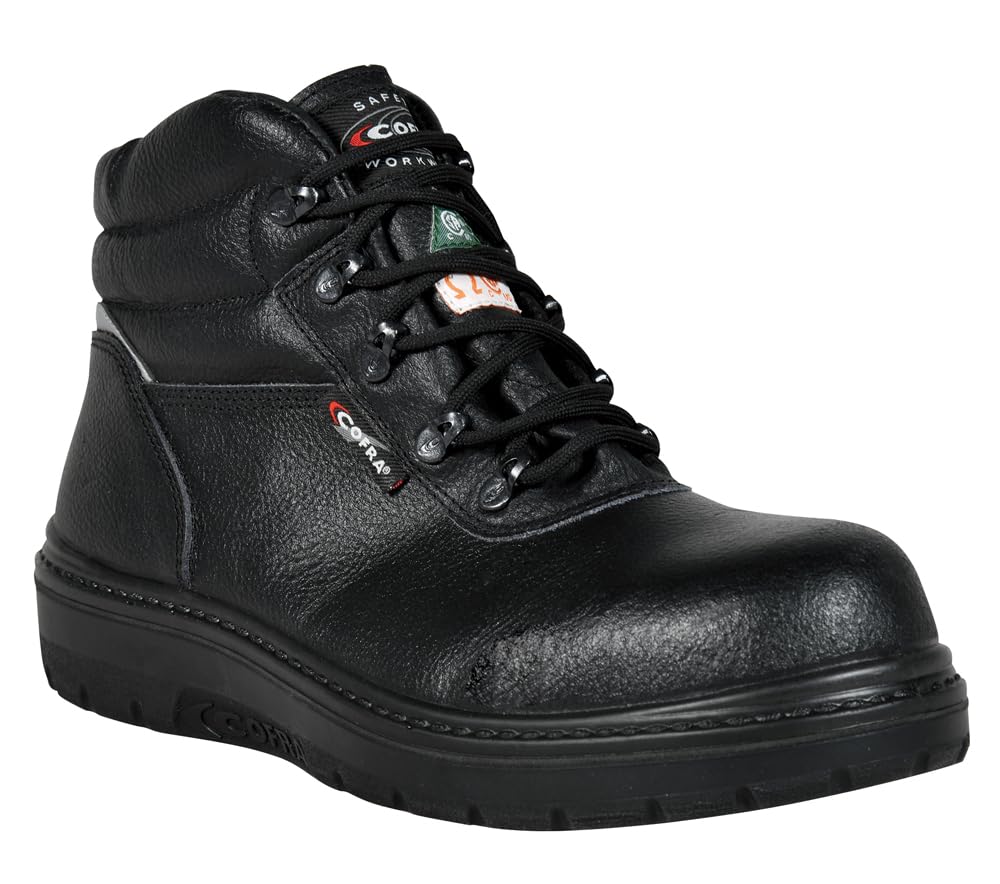
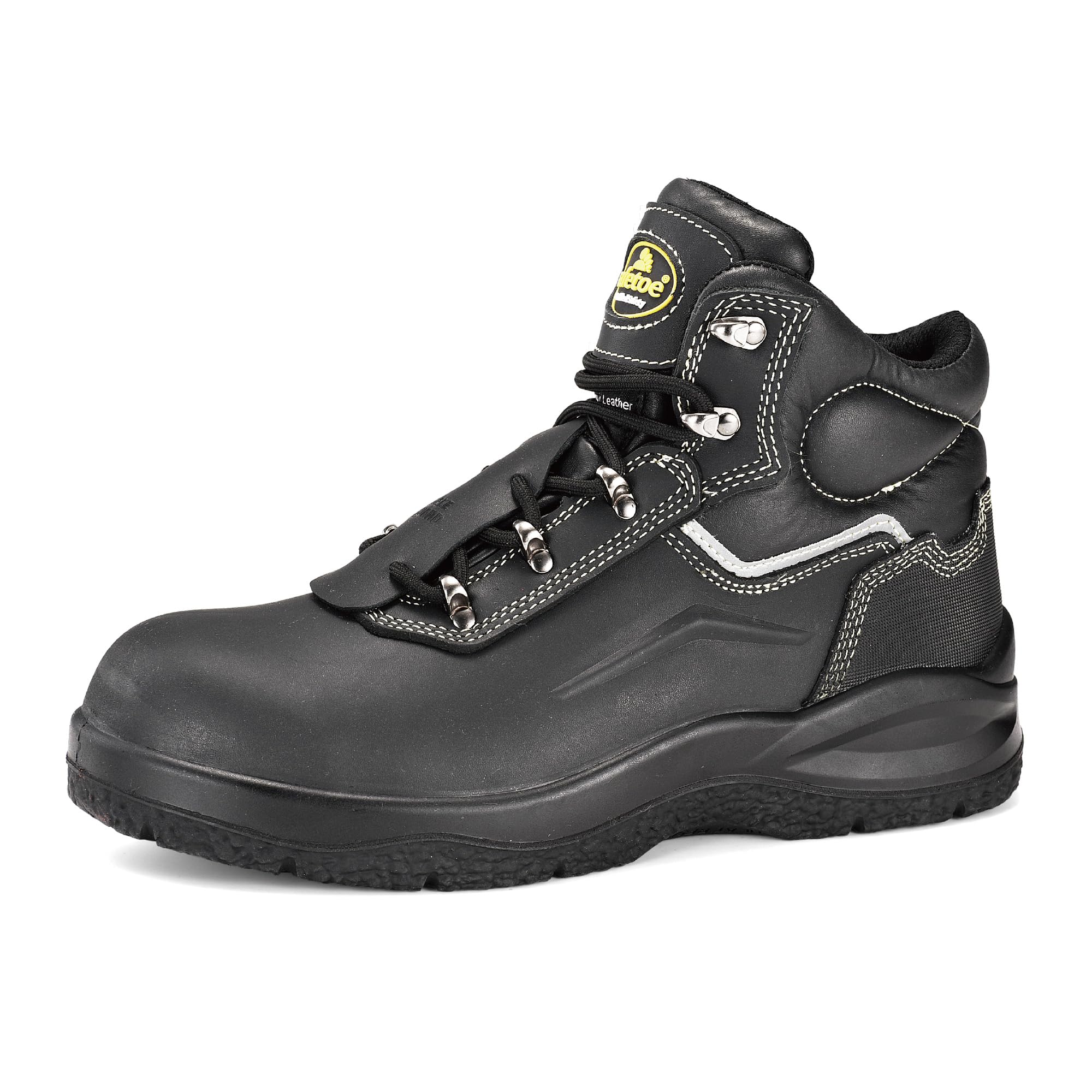
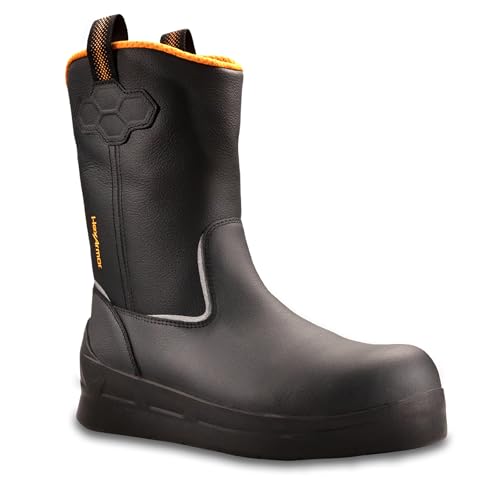

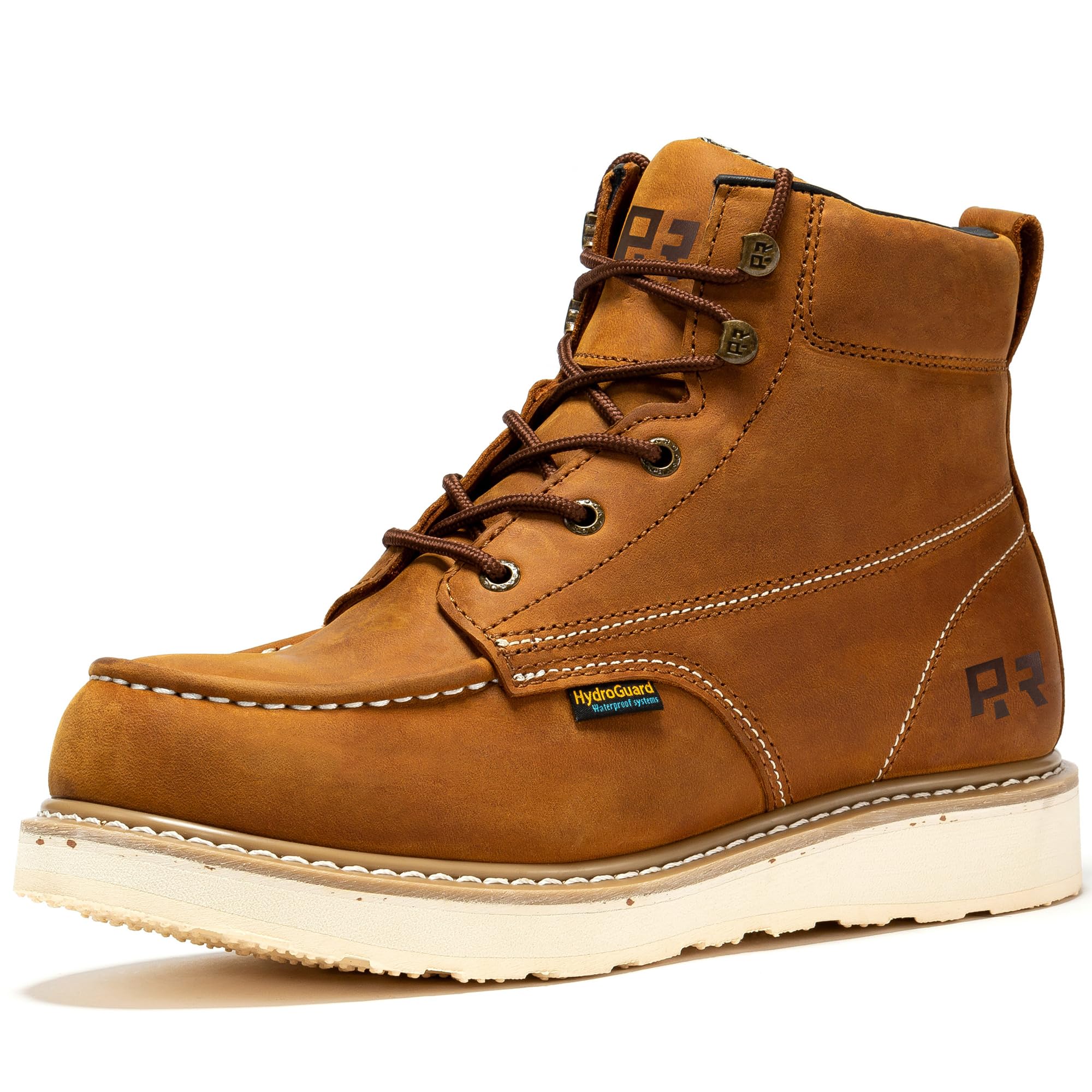

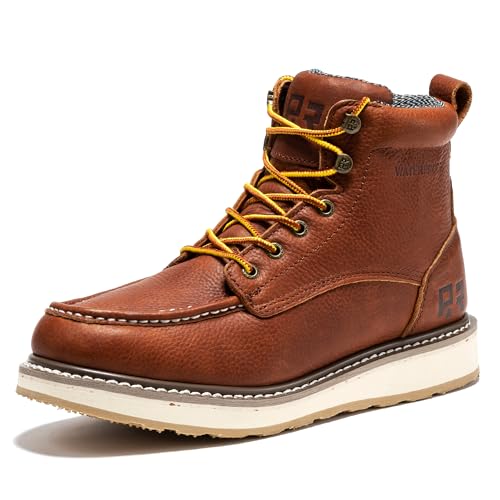

Who Should Buy Which Boots?
Paving crews include people with very different daily demands. Start with your role, then look for the features that matter most for that work. A boot that excels on a paver may feel clumsy on a shovel crew, and a light pair built for short jobs may fail during a full shift on fresh asphalt.
For Frequent or Serious Users
If you pave most working days, durability and sustained comfort should lead your decision. Look for thick rubber outsoles that resist heat and abrasion, strong stitching or welt construction, and uppers that hold their shape after repeated exposure to tar and dust. A replaceable insole helps, because you can refresh cushioning without replacing the whole boot.
Check the warranty terms too, since a maker that stands behind its stitching and soles gives you a clearer picture of expected life. Spending more upfront often makes sense here, because a pair that survives a full season costs less per shift than a cheap pair that falls apart in weeks.
For Bad Weather and Tough Conditions
Rain, mud and cold mornings change what a paving boot must do. Water resistant uppers and sealed seams keep feet drier when you work through wet aggregate or morning dew, while a grippy lug pattern helps on slick, loose surfaces. In cold weather, light insulation adds warmth without the bulk that slows you down, but it must still breathe enough to avoid clammy feet by midday.
Look for outsoles that stay flexible in the cold, since a sole that stiffens can lose grip just when you need it most. Keep a spare pair of socks in your kit, because dry feet stay warmer and blister less on long wet days.
For Small Spaces and Easy Storage
Not every paving worker needs a tall, heavy boot. If you move between a truck cab, a small trailer and the work zone, a lighter mid height boot may suit you better. A compact pair is easier to store in a crew cab and quicker to put on at the start of a shift.
Focus on a secure lace system that stays tied and a sole that still resists heat, even in a lighter build. Foldable or collapsible designs are rare in work boots, so judge storage by packed size and weight rather than by folding claims. A lighter boot also reduces leg fatigue on days when you walk long distances between work areas.
Key Features of the Best Boots for Asphalt Paving
Compare boots feature by feature rather than by looks alone. The four factors below shape comfort, safety and lifespan on asphalt more than color or styling ever will. Read each one with your own shift in mind, and rank them by what causes you the most trouble today.
Fit, Sizing, and Toe Box
Measure your feet in the afternoon, when they are slightly larger after hours of standing, and wear the socks you will use on the job. A roomy toe box lets your toes spread naturally and reduces pressure during long shifts, while a snug heel prevents the rubbing that causes blisters. If you are between sizes, try the larger size first and check the fit on a hard floor, because asphalt gives no cushion to hide a tight spot.
Check the return terms before ordering, so you can exchange a pair that pinches after a full day. A good fit matters more than any single safety feature, since an uncomfortable boot gets worn loosely or left in the truck.
Features That Matter for Asphalt Paving
Asphalt paving demands heat resistance above all, because fresh mix can reach temperatures that soften ordinary soles. Look for outsoles rated by the maker for hot surfaces, and avoid soles that feel soft or gummy in the store, since they may wear fast on hot ground. A protective toe cap guards against dropped tools and rolling loads, while a puncture resistant midsole helps where nails and sharp aggregate hide in the work area.
Ankle support matters on uneven ground, so a mid or high cut boot often suits paving better than a low shoe. For a related comparison, see our guide to the best work boots for asphalt paving and how their safety features differ by trade.
Cushioning and Support
Standing and walking on asphalt all day punishes feet, knees and backs, so cushioning and support deserve real attention. A stable midsole resists rolling inward on uneven ground, while a cushioned footbed absorbs some of the shock from each step. Heel to toe drop, the height difference between heel and forefoot, changes how your stride feels, with a lower drop often suiting workers who prefer a flatter, more grounded feel.
Try boots at the end of a shift if possible, since tired feet reveal fit problems that fresh feet hide. If you use custom insoles, bring them when you try boots on, because they change the internal volume and the feel of the arch support.
Weight and Flexibility
Heavy boots protect well but tire legs over a ten hour shift, while very light boots may sacrifice the sole thickness that resists heat. The best balance depends on your role: roller operators who stand for long stretches may accept more weight for stability, while laborers who walk and rake constantly often prefer a lighter, more flexible pair. Flex the boot by hand and walk in it on a hard surface, checking whether the sole bends naturally at the forefoot instead of fighting your stride.
A boot that breaks in quickly still needs a firm shank or midsole plate for support on uneven ground. For a lighter option to compare, see our guide to the best asphalt boots and their weight tradeoffs.
Common Mistakes to Avoid When Buying Boots
Most paving boot regrets come from a handful of avoidable errors. Watch for these before you buy:
- Choosing on price alone, which often means a sole that softens on hot asphalt and needs replacing within weeks.
- Ignoring fit, sizing and toe box, so a boot that felt fine for five minutes pinches badly by lunch.
- Buying a size too large for comfort, which lets the foot slide and causes blisters and ankle strain.
- Skipping the warranty check, which leaves you with no help when stitching or soles fail early.
- Overlooking heat resistance, the one feature that separates a true paving boot from an ordinary work boot.
How to Make Your Boot Last Longer
Clean tar and aggregate off your boots at the end of each shift, since grit trapped in seams and lugs grinds away at materials over time. Air dry wet boots away from direct heat, because radiators and open flames can dry out leather and warp soles. Rotate two pairs for daily wear when you can, so each pair dries fully between shifts and the cushioning recovers.
Inspect the outsole regularly for thinning, cracking or lugs worn smooth, and replace the pair when grip fades rather than waiting for a slip. For more options built around paving tasks, see our guide to the best paving boots and their care needs. Condition leather uppers as the maker directs, and replace worn laces promptly so a broken lace never leaves you working in a loose boot.
FAQs
What Features Matter Most in Boots for Asphalt Paving?
Heat resistant outsoles matter most, followed by a protective toe, a secure fit and a grippy lug pattern. Heat resistance keeps the sole from softening on fresh mix, while a protective toe guards against dropped tools on the work zone. A roomy toe box and stable midsole reduce fatigue over long shifts, and a lug pattern that sheds loose aggregate keeps grip consistent. Check the maker heat guidance before buying, since not every work boot is built for hot surfaces.
Can I Wear Asphalt Paving Boots All Day?
Yes, if the fit is right and the boot is broken in gradually over several shorter shifts first. A boot that fits well, with a roomy toe box and a cushioned insole, can stay comfortable for a full shift on hard ground. Start with shorter wear periods and watch for heel rubbing or forefoot pressure, which signal a fit problem rather than normal break in. If pain persists after break in, try a different width or size before assuming the boot style is wrong.
How Long Is the Break In Period?
Most paving boots need one to two weeks of regular wear to soften and mold to your feet. Leather uppers usually take longer than synthetic ones, and stiffer safety toe models may need the full two weeks. Wear the boots for a few hours at a time at first, then extend the wear as pressure points fade. If sharp pain continues past two weeks, the fit is likely wrong rather than unbroken, and an exchange makes more sense than more patience.
How Should Boots Fit?
Boots should feel snug at the heel, roomy at the toes and secure across the midfoot, with no heel lift when you walk. Your toes should not touch the front when you stand on a slope, and the widest part of your foot should sit over the widest part of the boot. Try boots in the afternoon with work socks on, since feet swell during a shift and a morning fit can mislead you. A thumb width of space ahead of your longest toe is a useful starting check.
Are Expensive Boots Worth It?
Expensive boots are worth it when the extra cost buys heat resistant soles, stronger construction and a better fit for your role. A higher price alone guarantees nothing, so compare sole materials, stitching and warranty terms rather than assuming cost equals quality. For daily paving work, a mid priced to higher priced pair often lasts longer per shift than the cheapest option, which lowers the yearly cost. Set your budget by how many days a week you pave, not by brand image.
Do I Need Waterproof Boots?
Waterproofing helps if you often work in rain, wet aggregate or morning dew, but it is not essential for every paving worker. A water resistant upper with sealed seams handles light rain and damp ground well, while a full waterproof membrane suits crews that stand in water or work through storms. Remember that waterproof boots breathe less, so they can feel warmer on hot dry days. For a broader look at work focused options, see our guide to the best boots for asphalt work and their weather features.
Wrapping Up
Heat resistant soles, a secure fit and the right safety features matter more than styling or price alone when you choose paving boots. Match the boot to your role, check your employer and local rules, and confirm that the sole is rated for hot surfaces before you buy. The best boots for asphalt paving are the pair that keeps you comfortable and steady through a full shift, shift after shift. Use the product table above to compare your shortlist, then try your top choice on with work socks before committing to it.


