
Best Asphalt Boots by Budget for 2026: What Each Tier Buys
Disclosure: We may earn a commission when you buy through links on this page, at no extra cost to you. As an Amazon Associate I earn from qualifying purchases. Learn more

Pavers: see what budget, midrange, and premium tiers buy in the best asphalt boots, and where spending more pays off.
Boots built for hot mix work sell at prices that range from under $100 to well over $250, and the price tag alone does not tell you what that money buys. Choosing the best asphalt boots for your crew starts with knowing which features each tier actually includes. This guide breaks down the tiers so you can spend on the parts that matter and skip the rest.
Fresh asphalt reaches the ground at temperatures that destroy ordinary work boots, so sole construction matters more here than in most trades. The product table shows how current options line up by price, and the sections after it explain what changes as you move up.
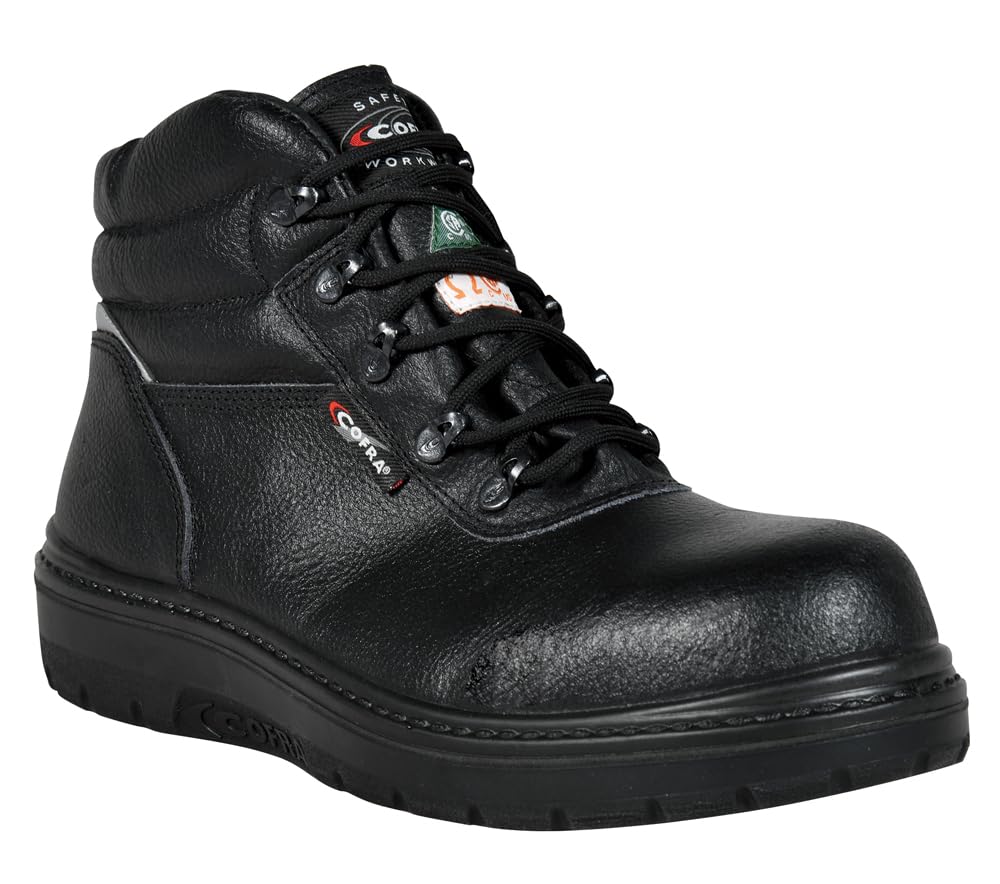


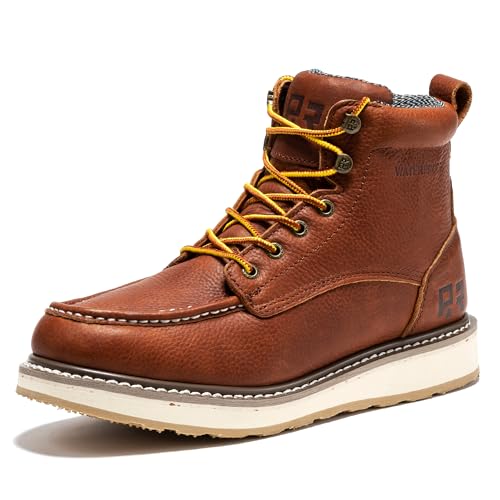
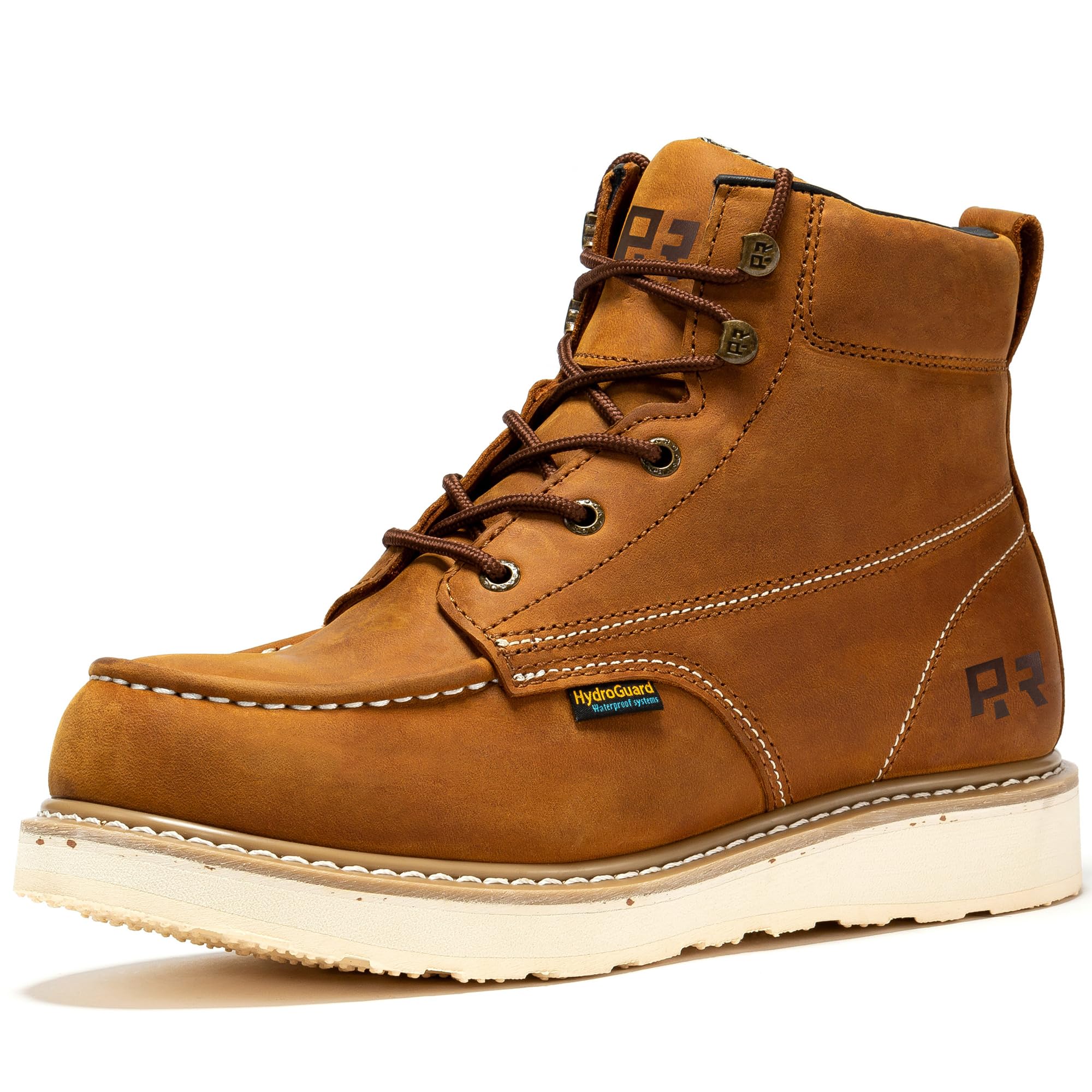

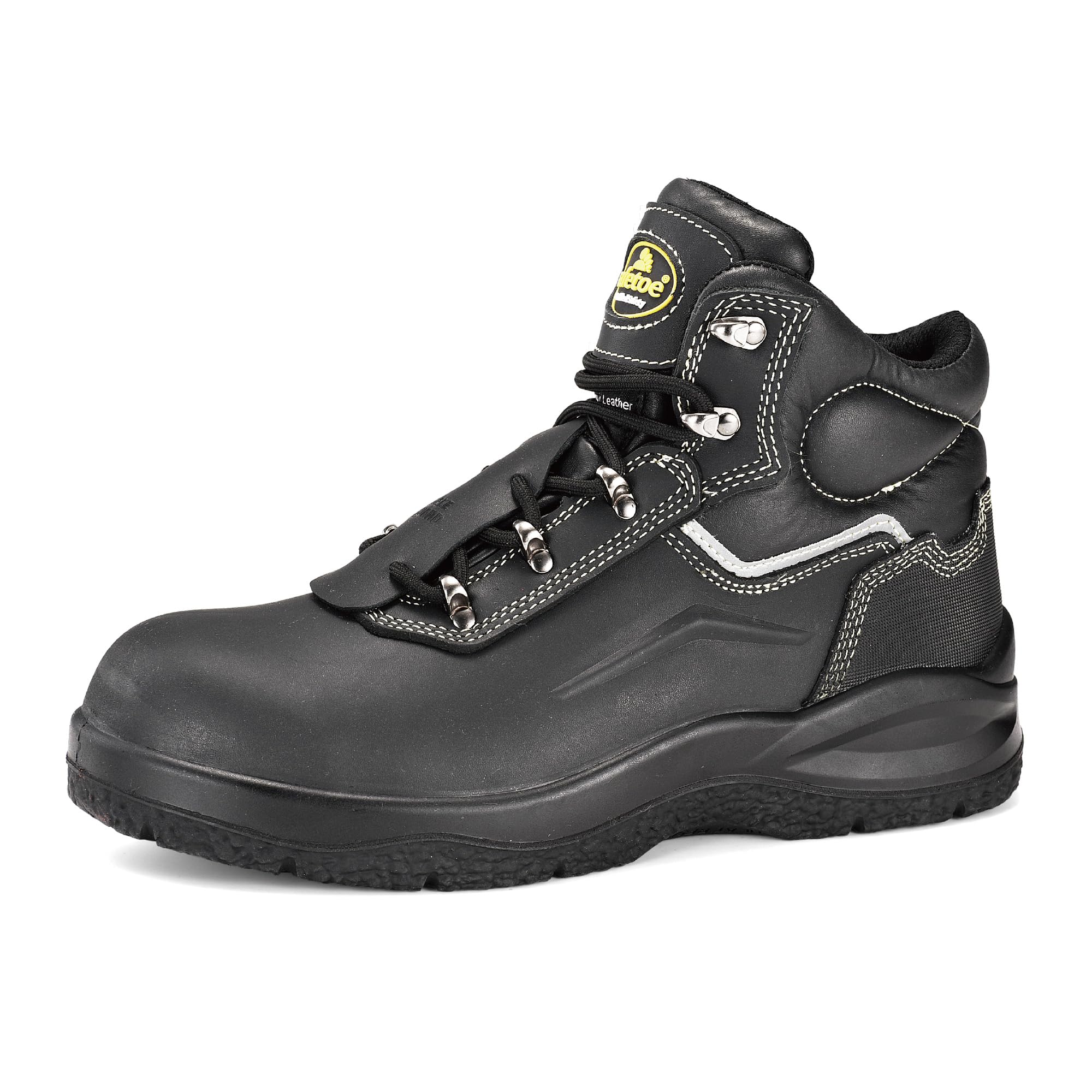
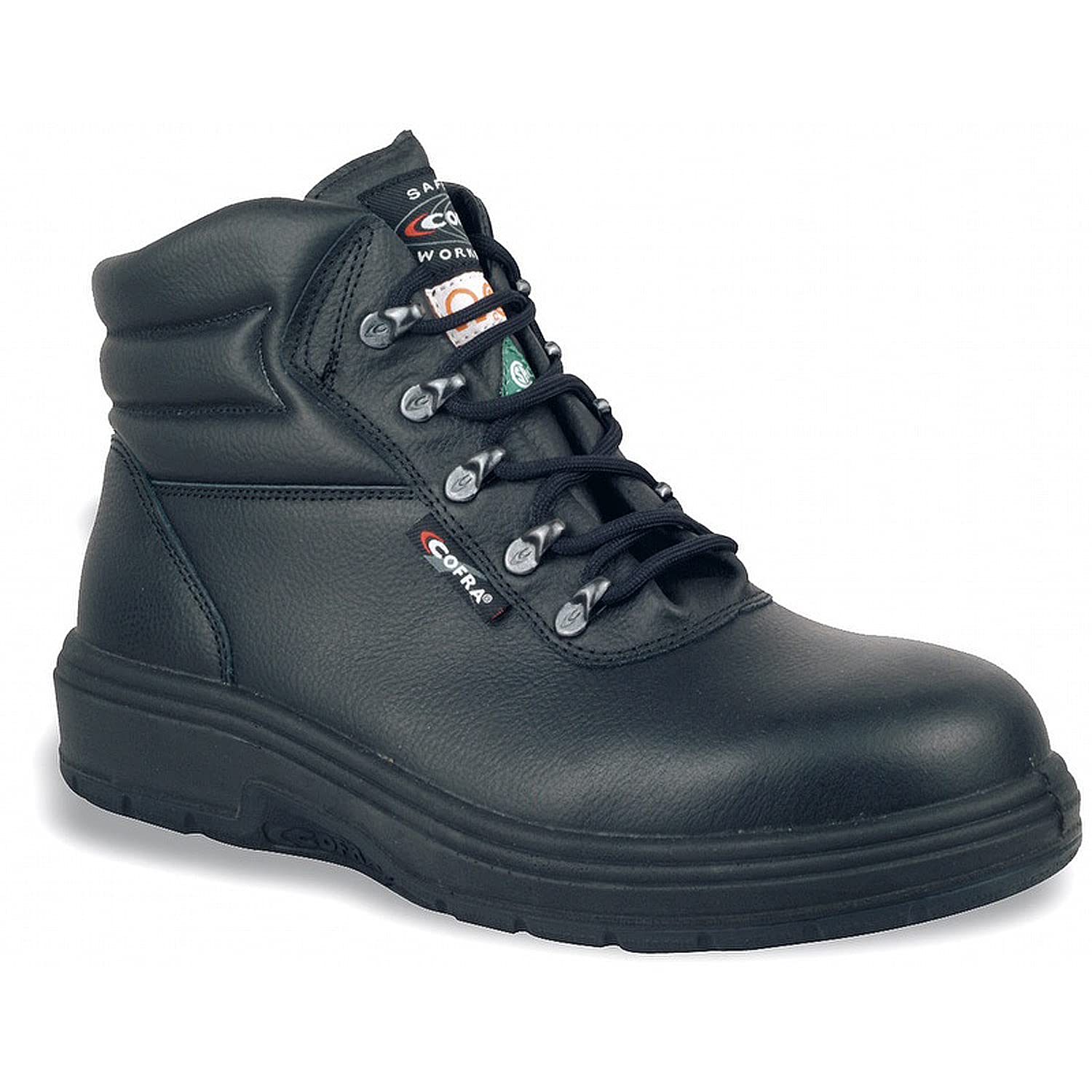
What Your Money Gets You at Each Price Tier
Most boots sold for paving work fall into three bands. The jump from one band to the next buys specific upgrades in sole rating, leather thickness, and comfort features, not just a different label.
Budget Tier: About $80 to $130
Entry level boots usually pair a thinner leather upper with a basic rubber sole and simple foam cushioning. Many list heat resistance, but the rating may cover only brief contact with warm surfaces rather than a full shift on fresh mat. This tier suits short paving days, patch work, and new hires who are still finding their size. Expect the soles to wear smooth faster, because softer rubber compounds trade durability for grip.
Midrange Tier: Where Most Crews Land
Between about $130 and $200, boots typically add thicker full grain leather, better heat rated soles, and cushioned insoles that hold up through long shifts. Stitching quality improves, and welted construction appears, which lets a cobbler fit a new sole later. For a fuller look at boots built for daily paving work, see our guide to the best boots for asphalt work. Most full time pavers get the best value per season in this band.
Premium Tier: What Extra Money Actually Buys
Above about $200, you pay for heavier leather, soles rated for sustained contact with hot surfaces, and comfort systems built for ten hour days. Some models add waterproof membranes and reinforced toe areas for screed and lute work. Premium boots also tend to come in more widths, which matters when feet swell in the heat. The higher price only pays off if the boot can be resoled and lasts several seasons.
Features Worth Paying For (and Ones to Skip)
Heat Rated Soles and Upper Materials
This is the one feature you should never buy on price alone. Look for a stated heat resistance rating on the outsole, because that rating describes how the sole handles contact with hot ground as a product specification. It is not a promise of protection, and hot mix can still burn through gaps, worn soles, or spilled material over the top. Follow your employer safety rules for paving work, and follow the manufacturer's instructions for care and use.
Waterproofing and Membrane Linings
Membrane linings such as Gore Tex keep water out during washdowns and wet morning starts, but they also hold heat around the foot. On dry summer paving days, that trade off makes feet hotter and sweatier. Pay for waterproofing if your crew works through rain, handles tack and cleanup water, or paves into the cold season. If most of your work is dry and hot, a plain leather upper that breathes will feel better by midday.
Outsole Traction and Lug Pattern
Asphalt work needs a fairly flat, wide sole that spreads your weight on soft hot mat instead of sinking in like a hiking lug would. Shallow tread clears sticky mix more easily and leaves fewer marks on a finished surface. Deep aggressive lugs belong on gravel and mud, not on fresh pavement. For a closer look at sole choices made for this trade, read our guide to the best boots for asphalt paving.
Cushioning and Support
Standing on hard, hot ground all day loads your heels and arches, so midsole cushioning that resists packing down is worth paying for. A moderate heel to toe drop and a firm shank help the boot roll forward without flexing in the middle. Removable insoles let you swap in fresh cushioning when the original pair flattens. Cushioning is a comfort feature, so ask your doctor if foot or leg pain keeps coming back.
Fit, Sizing, and Toe Box
Measure your feet late in the day, when heat and standing have swollen them to working size. You want thumb width of space in front of your toes and a toe box that lets toes spread without rubbing the sides. Thick work socks change the fit, so try boots on wearing the socks you pave in. Many paving boots run long, so check the maker size chart rather than assuming your usual size.
Features You Can Skip
Steel toes add weight and hold heat, and many paving crews are not required to wear them, so skip them unless your employer rules demand a safety toe. Tall fashion style shafts, extra padding around the ankle, and decorative stitching add cost without helping on the mat. Very soft comfort soles feel good in the store but break down fast on hot ground. Spend that money on sole rating and leather quality instead.
Long Term Costs to Factor In
The purchase price is only part of what a pair costs you. Replacement insoles run about $15 to $40 a pair and usually need swapping once or twice a season. Leather conditioner and waterproofing treatments add a small yearly cost but slow cracking.
If you want to compare total cost across boot styles made for this work, our guide to the best work boots for asphalt paving covers work boot options in more depth. A welted midrange boot that takes one new sole can cost less over three seasons than two cheap pairs.
Frequently Asked Questions
How often should asphalt boots be replaced?
Replace asphalt boots when the tread wears smooth, the sole starts to separate, or the leather cracks through at the flex points. Many full time pavers get one to two seasons from a pair, while occasional users get longer. Heat breaks rubber down even when the boot sits in a closet, so an old spare pair may fail sooner than expected. Check soles before each season starts, because a worn sole on hot mat is a slip risk.
Do asphalt boots need to be waterproof?
No, waterproofing is optional for most paving work. Crews who pave in dry summer conditions often prefer plain leather uppers, because membranes trap heat and sweat around the foot. Waterproof linings earn their cost when you wash down equipment, work around tack trucks, or pave through wet spring and fall weather. If your boots do get soaked, stuff them with newspaper and dry them away from direct heat so the leather does not crack.
How should asphalt boots fit for paving work?
Asphalt boots should fit snug at the heel with clear space in front of the toes. Try them on in the afternoon wearing your work socks, because feet swell during a shift and swell more in summer heat. Walk on a hard floor and press down as if raking mix; your toes should not jam into the front. If you fall between sizes, choose the larger size and adjust with an insole rather than cramping the toe box.
Can asphalt boots be worn all day on hot pavement?
Yes, boots rated for paving are built for full shifts, but your feet still need breaks from the heat. Rotate to a second pair on long stretches of hot work if you can, and change socks at midday to cut down on blisters and odor. Drink water and rest in shade during breaks, because the boots only handle part of the heat load. Stop and check your feet if you feel burning, numbness, or sharp pain, and ask a doctor if problems continue.
How long is the break in period for asphalt boots?
Most leather asphalt boots need about one to two weeks of regular wear before the upper softens and the insole molds to your foot. Start with shorter tasks like patching or yard work before wearing a new pair for a full paving day. Stiff premium leather can take longer, while soft budget pairs feel broken in almost right away. Blisters during break in usually mean the size is wrong, not that the boot needs more time.
Are expensive asphalt boots worth the money?
They can be, if you pave full time and the higher price buys a stronger heat rating, thicker leather, and construction that allows resoling. A premium pair that lasts three seasons often costs less per season than a budget pair replaced every year. Occasional users rarely recover the difference, because their boots wear out from age and storage as much as from work. Match the tier to your hours on the mat, and use the product table to compare what each price actually includes.
Our Verdict
Start with the sole heat rating, then leather quality, then fit with room for swelling. Most full time pavers land in the midrange tier, while premium money only makes sense on boots that can be resoled. Whichever tier fits your hours, the best asphalt boots are the ones rated for the temperatures you actually stand on. Compare the shortlist in the product table before you order.


