
Best Boots for Correctional Officers: Buying Guide for 2026
Disclosure: We may earn a commission when you buy through links on this page, at no extra cost to you. As an Amazon Associate I earn from qualifying purchases. Learn more

Best boots for correctional officers balance fit, traction, and support for long shifts. Learn what to check for your post and how to care for them.
A correctional officer shift mixes long hours on your feet with sudden movement, stairs, outdoor yards, and strict uniform rules. That combination calls for footwear that is steady, supportive, and easy to wear for a full day. This guide explains how to judge best boots for correctional officers without relying on brand claims, and the product table can help you weigh the options side by side.
Facility rules often set the boundaries first, covering color, toe protection, and sole type, so check your employer policy before you shop. Within those limits, fit and comfort decide whether a pair works for you. The sections below cover the features that matter most on the job, the boot types you will meet, and the care habits that keep a good pair going.

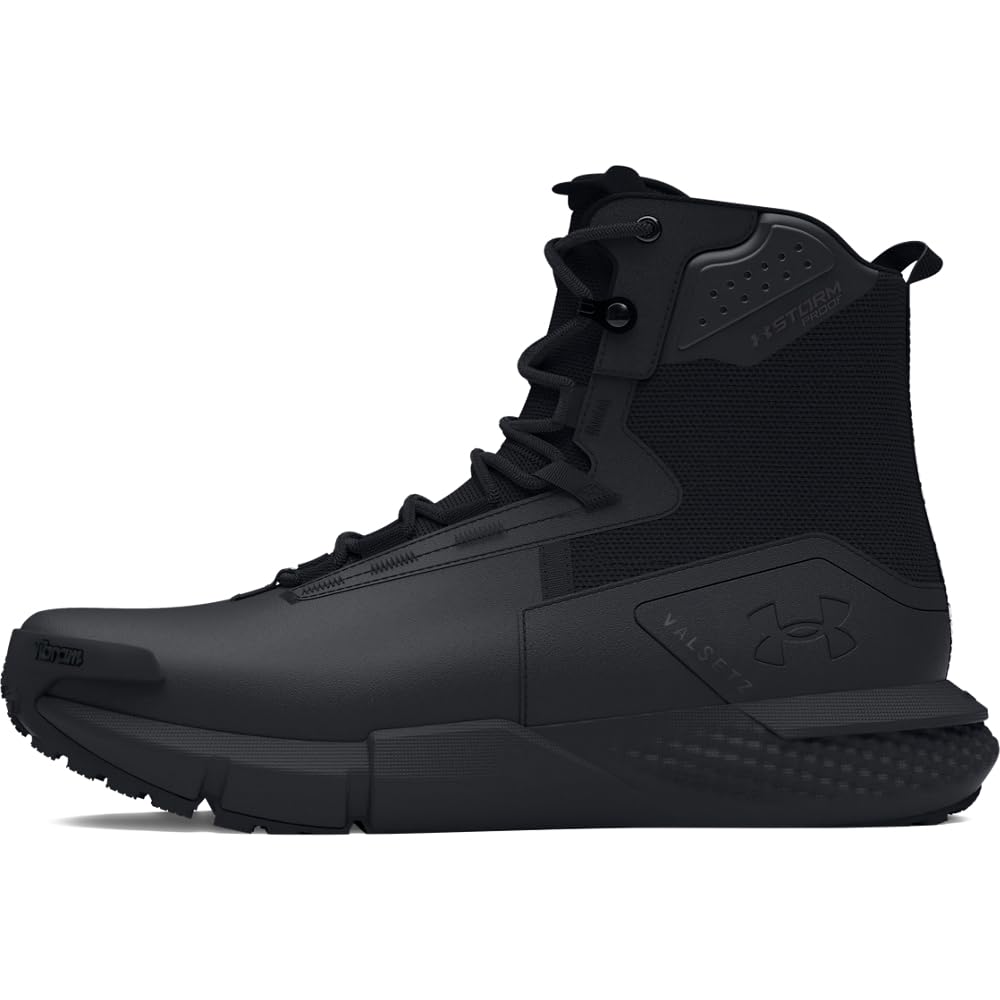


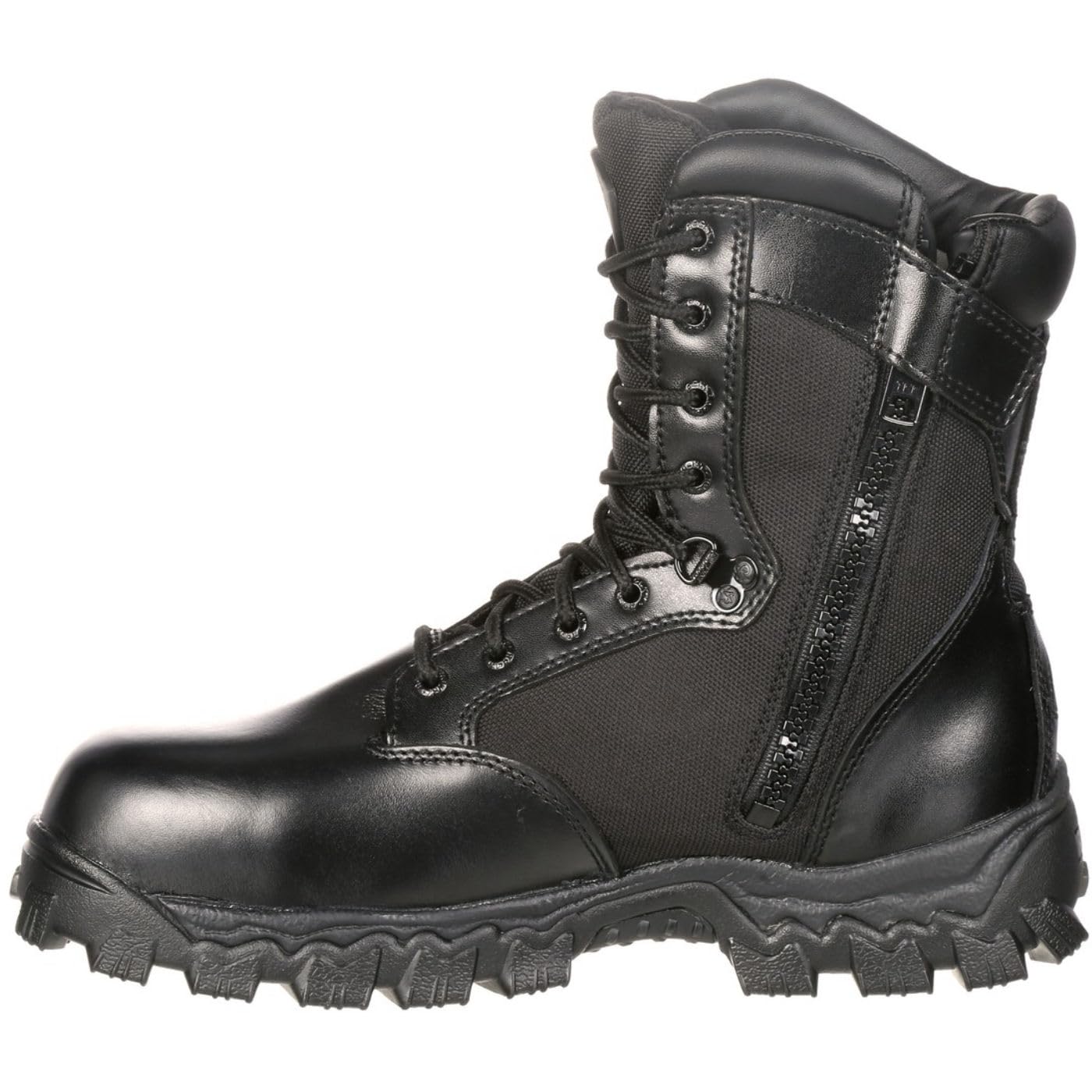

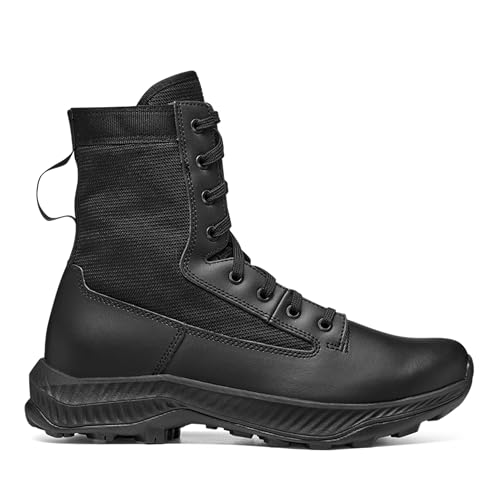

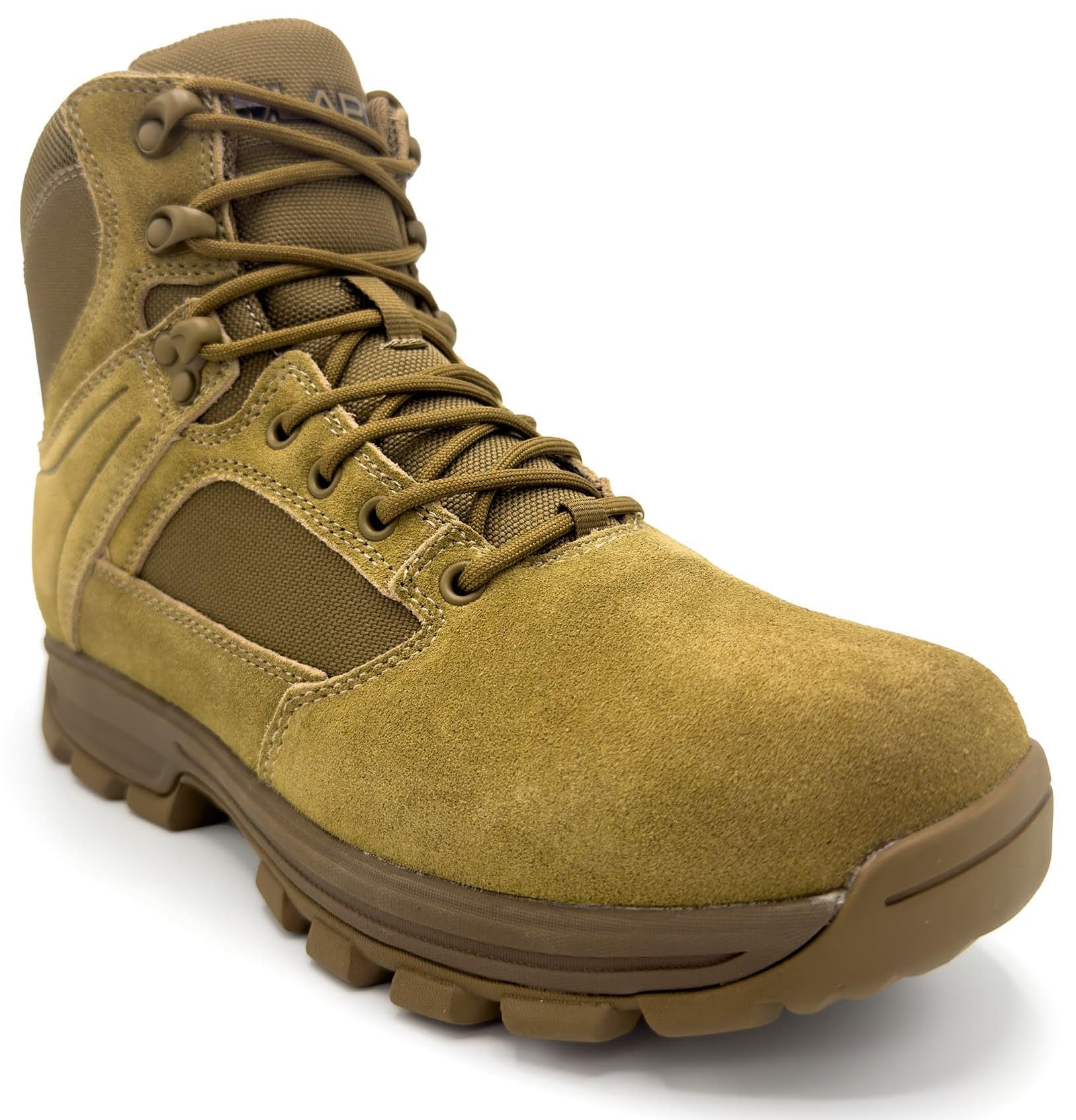

Who the Best Boots for Correctional Officers Serve
Housing unit officers spend much of a shift walking tiers, climbing stairs, and standing during counts and checks. They need a boot that moves easily, grips smooth indoor floors, and stays comfortable when standing still for long periods. A lighter, flexible build often suits this role, as long as it still offers ankle support for stairs and quick turns.
Perimeter and yard officers face outdoor ground, weather, and longer patrol distances. Their boots need stronger traction, better water resistance, and a sole that handles gravel, grass, and wet pavement. A slightly sturdier build makes sense here, even if it adds some weight, since the ground changes far more than an indoor floor does.
Transport and intake officers move between vehicles, holding areas, and offices, often in all weather. They need a boot that is easy to put on and take off, comfortable for driving and standing, and presentable under a uniform. A clean, regulation friendly design matters as much as ruggedness for this group.
How to Choose: Features That Matter
Fit, Sizing, and Toe Box
Fit comes first, because no feature can rescue a boot that pinches or slips. Measure your feet in the afternoon, when they are slightly larger, and try boots on with your duty socks. Your toes need room to spread, your heel should stay seated when you walk, and the widest part of your foot should not feel squeezed. If you are between sizes, a wide width often beats a longer length for officers who stand for hours.
Pay attention to the ankle collar as well. A padded collar that hugs the ankle without digging in helps on stairs and during quick direction changes. Laces should let you adjust tension across the foot, and a secure lacing system keeps the boot from loosening during a long shift. Break new boots in over several shorter wears before a full duty day.
Cushioning and Support
Good cushioning absorbs impact on hard floors and reduces leg fatigue by the end of a shift. Look for a midsole that springs back after each step and a removable footbed, so you can replace the insole when it flattens or swap in an insert that suits your arch. A shaped footbed beats a flat one, especially for officers with flat feet or high arches.
Support means keeping the foot aligned rather than letting it roll inward or outward as muscles tire. A firm heel counter and a stable midsole help here, and a shank that matches your weight and duties can add steadiness without making the boot feel like a board. If you feel persistent pain, numbness, or swelling, talk with a clinician rather than trying to fix the problem with footwear alone.
Weight and Flexibility
Weight adds up over thousands of steps. A lighter boot reduces fatigue on long patrols, but a very light boot may give up protection and durability. The right balance depends on your post: indoor officers often favor lighter builds, while yard and perimeter officers may accept extra weight for tougher soles and uppers. Flex the boot by hand; it should bend near the ball of the foot so your stride stays natural.
Flexibility also affects break in. A softer boot usually feels comfortable sooner, while a stiffer boot may need a week of gradual wear. Plan ahead so you are not breaking in a rigid pair during a long shift, and keep your old pair available until the new one feels right.
Outsole Traction and Terrain
Traction needs change across a facility. Indoor floors may be smooth and dusty, while yards add gravel, mud, and wet pavement. A lug pattern with many contact points grips indoor floors well, and deeper lugs help outdoors. A rubber compound rated for slip resistance is worth seeking out, and soles that stay flexible in cold weather help during winter yard duty.
Inspect tread regularly, since worn soles lose grip quietly. Replace boots when the pattern smooths out or the sole starts to separate. For officers whose duties lean heavily toward tactical work, see our guide to the best tactical boots for correctional officers and compare how those designs balance grip, weight, and ankle support.
Waterproofing and Breathability
Waterproof membranes keep rain and puddles out, but they trap heat during long indoor shifts. If most of your day is indoors, breathability may matter more, since sweat buildup leads to blisters and odor. If you patrol yards in all weather, a membrane paired with a moisture wicking lining is a better trade off. Leather uppers resist scuffs and clean up well, while fabric panels dry faster and weigh less.
Consider how quickly a boot dries overnight. Officers on consecutive shifts benefit from a pair that airs out fully between days, and rotating two pairs when possible gives foam and leather time to recover. A boot that stays damp day after day will wear out faster and feel worse, no matter how good its first impression was.
Uniform Rules and Toe Protection
Before you fall for a design, confirm what your facility allows. Rules may require a specific color, a plain toe, or a safety toe, and some posts require puncture resistant soles or electrical hazard ratings. These requirements are not optional extras; they shape which boots you can wear at all. No boot can guarantee protection in every incident, so treat safety ratings as one part of the decision, alongside fit, comfort, and your employer guidance.
Check local and facility rules for any additional requirements, such as restrictions on zippers, logos, or sole colors. A side zip can speed up dressing, but only if your facility permits it. When in doubt, ask a supervisor or check written policy rather than guessing from what other officers wear.
Boot Types Compared
| Boot type | Best for | Trade off |
|---|---|---|
| Standard duty boots | Daily indoor and mixed posts | Heavier than lightweight styles |
| Tactical boots | Yard, perimeter, and active posts | Stiffer break in period |
| Lightweight patrol boots | Long walking shifts and warm weather | Less rugged for rough ground |
Standard duty boots are the workhorse choice for most officers. They balance support, durability, and a regulation friendly look, and they handle both indoor floors and short outdoor stretches. Their weight is the main drawback, so officers who walk very long distances may prefer a lighter style for part of the week.
Tactical boots emphasize ankle support, aggressive traction, and rugged uppers. They suit active posts and outdoor duty, but they can feel stiff at first and may run warmer indoors. Lightweight patrol boots go the other way, favoring speed and comfort for long indoor shifts, at the cost of some durability on rough ground. Officers in similar uniformed roles face many of the same choices, so see our guide to the best boots for police officers for a related take on fit, traction, and shift comfort.
Matching Your Budget to Your Shift
When comparing the best boots for correctional officers at a lower price, look for the essentials: a secure fit, a slip resistant sole, and cushioning that survives a shift. These boots can work well for shorter shifts or as a second pair, but the insole may flatten sooner and the sole may wear faster. Budget for an insole replacement to extend their life.
In the middle range, most full time officers find the best balance. You usually get better midsole materials, removable footbeds, wider fit options, and tougher stitching. These boots tend to hold their comfort longer, which matters when you wear them five or more days a week.
At a higher price, you pay for premium materials, refined fit, and longer lasting construction. That investment makes sense for officers who log very long hours or need specific safety features. As always, fit comes first: an expensive boot that pinches is a poor buy at any price.
Care and Maintenance Tips
- Air dry wet boots away from direct heat, which can crack leather and harden adhesives.
- Rotate two pairs when you can, so foam and leather recover between shifts.
- Clean soles regularly, since packed grit reduces grip and hides tread wear.
- Replace insoles when they stop springing back, and replace boots when tread smooths out or soles separate.
- Lace snugly and evenly to prevent heel slip and hot spots during long shifts.
- Condition leather uppers as the maker directs, and keep boots clean for uniform inspections.
As a rough guide, many officers replace daily wear boots within about a year of full time use, though lighter duties can stretch that longer. Running style shoes used for daily walking often last about 300 to 500 miles before cushioning fades, which is a useful reminder that foam wears out even when the upper still looks fine.
Frequently Asked Questions
What features matter most in boots for correctional officers?
Fit, ankle support, traction, and cushioning matter most, in roughly that order. A secure fit prevents blisters and fatigue, ankle support helps on stairs and during quick movement, traction keeps you steady on smooth and outdoor surfaces, and cushioning carries you through long hours on hard floors. Uniform rules and any required safety ratings come first in practice, since they narrow the field before comfort decides the winner. Always confirm facility policy before you buy, because a boot that breaks a uniform rule cannot be worn on duty.
How should boots for correctional officers fit?
They should fit snugly at the heel and midfoot with room for your toes to spread. Try them on in the afternoon with your duty socks, walk for several minutes, and climb a few steps if you can. Your heel should not lift much, and your toes should not hit the front when you stop suddenly. If the widest part of your foot feels pinched, try a wide width before a longer size, and leave room for an insole swap to fine tune support without changing the boot.
How long is the break in period for correctional officer boots?
Most boots need a few days of shorter wears before they feel right, and stiffer tactical styles may need a full week. Wear new boots around the house or for part of a shift first, and watch for hot spots at the heel, ankle, and toe box. If sharp pain grows worse after several wears, the fit is likely wrong rather than unbroken. In that case, try a different width, size, or insole before committing to a full week on duty in them.
Do correctional officers need waterproof boots?
It depends on your post. Yard and perimeter officers benefit from water resistance, since they face rain, puddles, and wet ground. Indoor officers may prefer breathability, since a waterproof membrane traps heat during long hours inside. A membrane paired with a moisture wicking lining offers a middle path for mixed posts, and whatever you choose, make sure the boot dries fully between shifts, since a damp boot wears out faster and feels worse over time.
How often should correctional officers replace their boots?
Replace them when the tread wears smooth, the midsole stops springing back, or the upper or sole starts to separate. For daily full time duty, that often means within about a year, though lighter posts can stretch the life longer. Rotating two pairs and replacing insoles on schedule helps each pair last longer. Do not wait for a slip or a split to force the change, since worn grip is a safety concern as well as a comfort problem on stairs and smooth floors.
Final Thoughts
Start with your facility rules, then judge fit, support, traction, and cushioning against your actual post. Indoor officers may favor lighter, breathable builds, while yard officers need tougher traction and weather resistance. Break new boots in gradually, rotate pairs when you can, and replace them when grip or cushioning fades. With those steps, best boots for correctional officers become a practical choice rather than a guess, and the product table can help you compare the options that meet your rules.


