
Best Boots for Cops: A First Time Buyer's Guide for 2026
Disclosure: We may earn a commission when you buy through links on this page, at no extra cost to you. As an Amazon Associate I earn from qualifying purchases. Learn more

New officers get a plain guide to the best boots for cops: fit, cushioning, boot height and waterproofing for long shifts.
A patrol shift is hard on footwear in a way ordinary work rarely is. You might stand at a scene for two hours, sit in a patrol car for the next two, then run across wet pavement without any warning. Choosing the best boots for cops for the first time means matching a boot to that mix of standing, driving and moving, not to one impressive sounding spec on a box.
This guide walks through the basics in plain order. It starts with what the parts of a boot actually do, moves to the specs that decide comfort across a long shift, and ends with the mistakes new buyers make most often. The product table shows the picks side by side, so you can compare height, weight and weather protection before you spend anything.
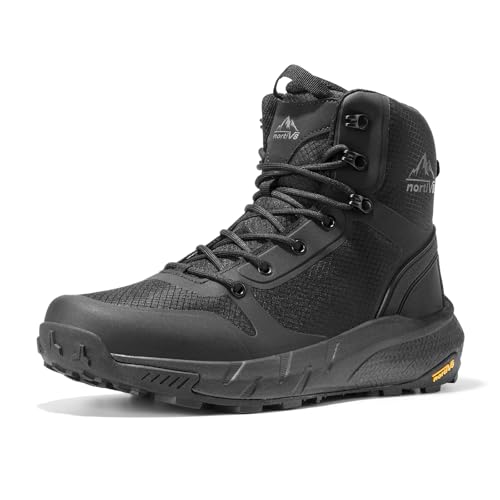
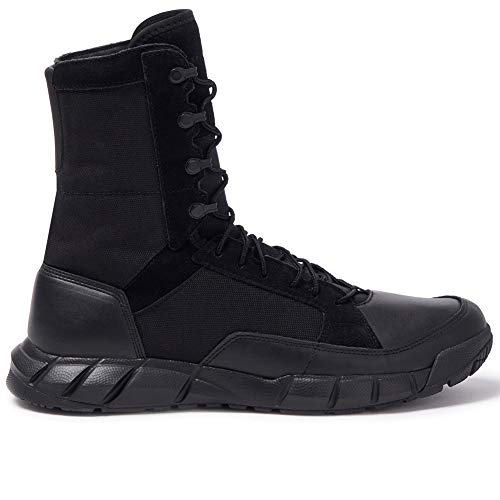
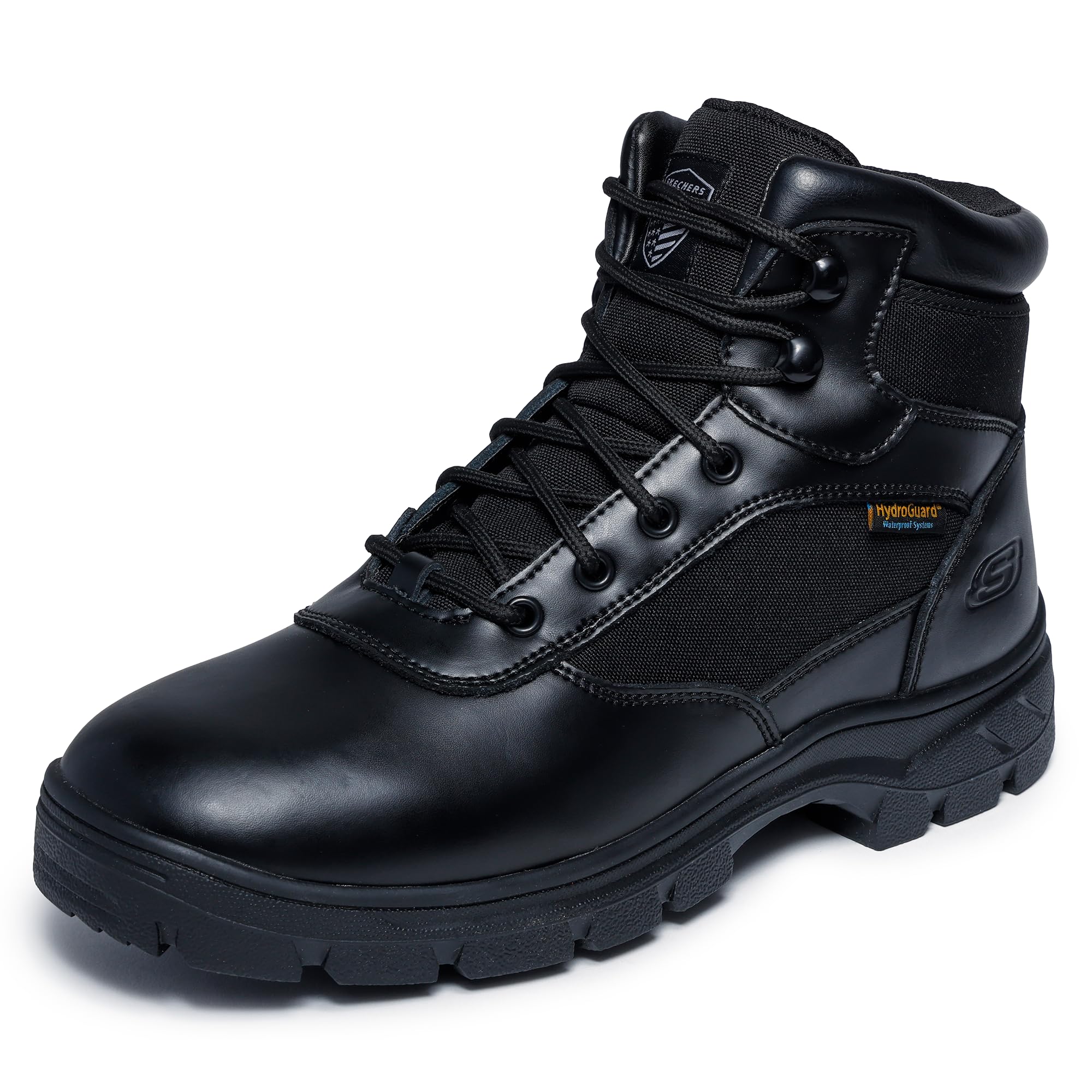


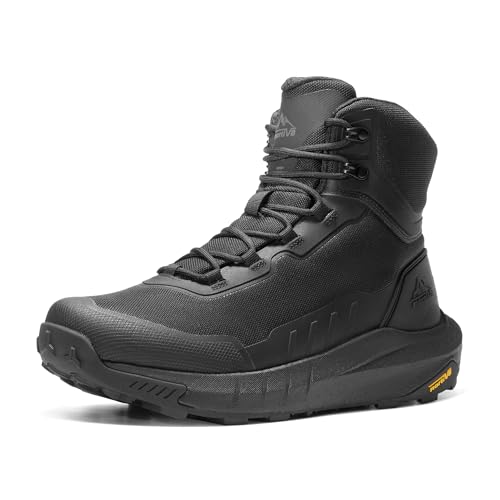
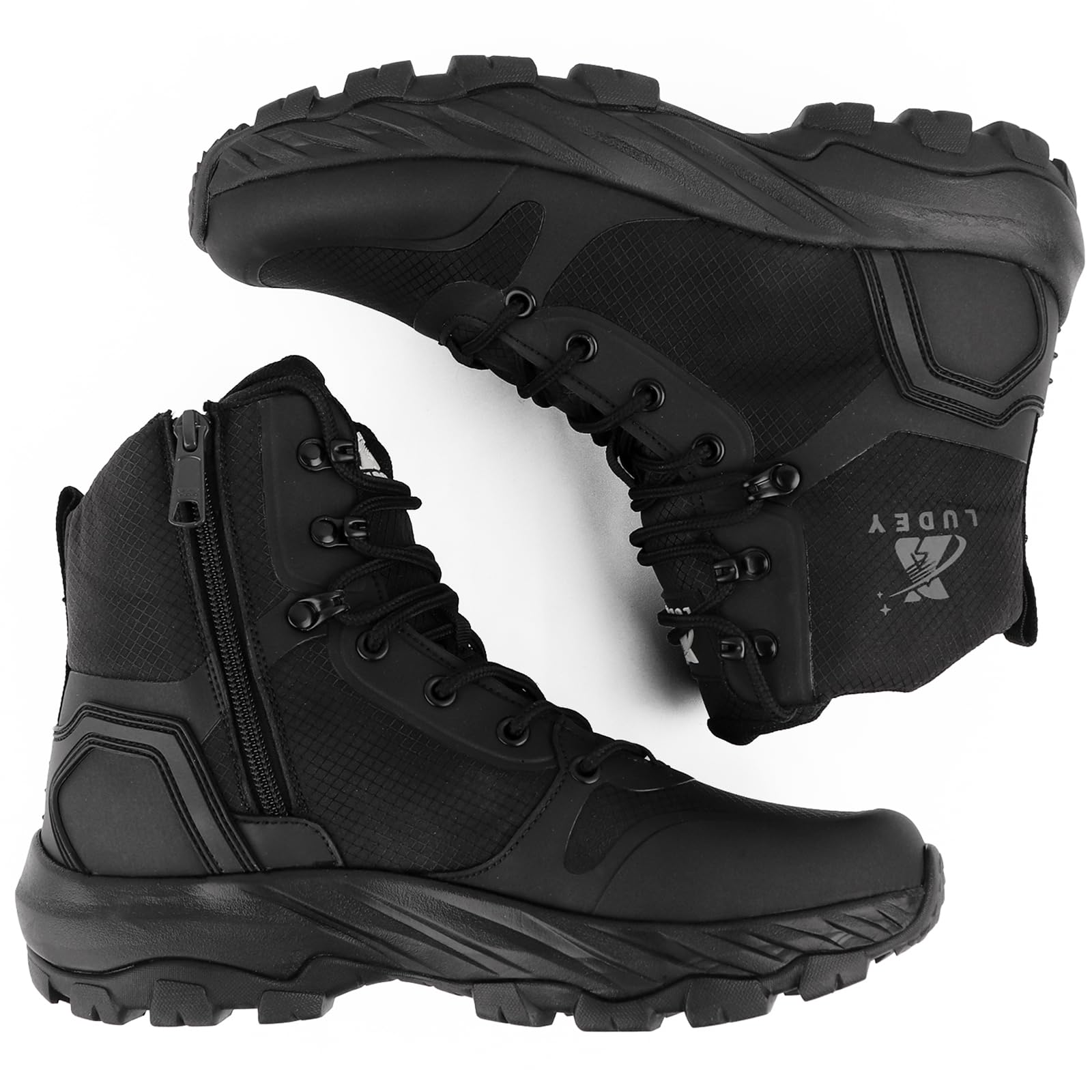

Boots 101: The Basics Every New Officer Should Know
A duty boot has three parts that matter to a buyer. The upper is the leather or fabric shell that holds your foot and gives the boot its polished or matte look. The midsole is the cushioning layer under your foot, and the outsole is the rubber tread that grips pavement, station tile and wet grass. When a boot feels comfortable at hour ten, it is usually the midsole doing the work, and when it slips on a wet floor, the outsole is the reason.
Duty boots also come in height classes. Low classes sit at or just over the ankle and feel close to a sturdy shoe, mid height classes rise about six to eight inches and cover the ankle fully, and tall classes climb higher for officers who want maximum ankle coverage. Boots are one part of the daily duty kit, alongside a belt, a flashlight and the best watches for cops, and the same rule applies to all of it: gear that mildly annoys you in hour one becomes a real problem by hour ten.
Key Specs Explained in Plain English
Spec sheets use shoe industry language that hides what you really need to know. The sections below translate each term into what it means during an actual shift.
Features That Matter for Cops
Duty boots answer to rules that ordinary work boots ignore. Many departments require a polishable toe and a plain black finish, and some set rules on shaft height or toe style, so read your own department uniform policy before ordering, because those rules vary widely from one agency to the next. Beyond appearance, shopping for the best boots for cops means weighing shift length, since a boot worn twelve hours needs more cushioning than one worn for short details, and it means checking that the outsole stays quiet on polished station floors instead of squeaking at every step.
Fit, Sizing, and Toe Box
Measure and try on boots late in the day, because feet swell across a shift and a boot that fits at breakfast can pinch by evening. You want about a thumb width of space in front of your longest toe, enough width across the ball of the foot that the sides do not bulge over the sole, and a heel that stays seated when you walk. The toe box, the roomy front section of the boot, matters more than most new buyers expect: toes that can spread slightly stay comfortable far longer than toes pressed together, and thick duty socks take up real space inside the boot.
Break In Period and Comfort Out of the Box
Stiff leather classes need a break in period, a stretch of short wears while the material softens and shapes itself to your foot, and rushing that process on a double shift is a reliable way to earn blisters. Lighter fabric and synthetic classes usually feel comfortable sooner, though they tend to look worn earlier than leather. A sensible plan is to wear a new pair around the station and on short errands for the first week, then move to full shifts once hot spots stop appearing. If a boot still rubs after a week of short wears, the fit is wrong, and more time rarely fixes it.
Cushioning, Support and Foot Comfort
Cushioning comes from the midsole foam and the insole together. Thicker foam softens the feel of concrete and asphalt, while a firmer build gives a steadier platform when you are standing in one place for a long stretch. Arch shape is a comfort and fit matter only: a flatter foot often feels better with gentle support under the arch, and a higher arch often feels better with more cushioning, but no boot treats a foot condition. If pain in your feet, ankles or knees persists or gets worse shift after shift, ask your doctor about it rather than buying pair after pair hoping footwear will solve it.
Waterproof Classes and Drying Time
Waterproof duty boots use a membrane liner that keeps rain and puddle water out, and that same liner slows down drying once water gets in over the top, so a soaked membrane boot can stay damp for days. The membrane also breathes less than plain leather or fabric, which makes waterproof classes feel warmer during summer shifts. Coated or treated leather sheds light rain for a while but is not sealed, and plain unlined classes dry the fastest of all. Officers who work mostly indoors or drive between calls often prefer the breathable option, while officers posted outdoors in wet climates usually accept the slow drying as the price of dry feet.
Durability and Expected Lifespan
Durability shows up in the stitching around the sole, the thickness of the upper material, and how fast the outsole tread wears smooth. A pair worn full time on pavement often stays serviceable for about one to two years, and rotating two pairs usually stretches that further because each pair rests between shifts. Tread that has worn flat loses grip on wet floors long before the upper looks finished, so judge a boot by its sole and its cushioning feel, not by how tidy the leather still looks. Scuffs polish out, but compressed foam does not recover.
Rookie Mistakes to Avoid
- Buying before reading the uniform policy: a boot with the wrong finish or toe style can be barred from duty no matter how comfortable it is.
- Trying boots on in the morning with thin socks: your feet will be larger by mid shift, and the pair that felt fine in the shop starts to pinch.
- Choosing by looks alone: a sharp boot with thin cushioning punishes you on every long standing detail.
- Wearing a brand new pair on the longest shift of the week: unbroken boots and twelve hours are a bad combination, so break them in on short wears first.
- Skipping the second pair: one pair worn every day never fully dries or recovers, and it wears out far sooner than two pairs in rotation.
Getting Started: The First Week and the Two Pair Rotation
Start by wearing your new boots at home and on short station days, an hour or two at a time, and check your heels and toes for hot spots after each wear. Keep the laces snug through the midfoot but leave the top hooks slightly looser on the first days, since ankles swell too. If you will wear them with an aftermarket insole, fit the insole from day one, because it changes the inside volume and the way the toe box feels.
Once the boots move to full shifts, settle into a two pair rotation as soon as budget allows. Foam midsoles compress under a long shift and slowly rebound while the boot rests, and leather uppers dry fully between wears, so alternating pairs keeps both more comfortable and extends the life of each. Weight and drying time are what decide how a rotation feels, so compare them in the product table. A spare pair of socks in your locker is the cheapest comfort upgrade in this whole guide.
Boots: Your Questions Answered
What features matter most in boots for cops working long shifts?
Cushioning, honest fit and manageable weight matter most, because those three decide how your feet feel at hour ten. Weight deserves more attention than new buyers give it: a heavy boot lifts hundreds of extra times across a shift of walking and stairs, and that effort adds up in your legs by the end of the week. After those three, match the finish and height to your department policy, and pick weather protection based on how much of your shift happens outdoors.
Are expensive duty boots worth the money for a new officer?
They can be, but spend in the right order: fit first, cushioning second, upper material third. Price bands for duty boots run from about $80 to $250, and the middle of that range usually buys noticeably better foam and stitching than the bottom. The top of the range buys lighter materials and finer leather, which helps, but an expensive boot in the wrong size is still the wrong boot, so put your money into the pair that fits your feet and your policy.
How often should police duty boots be replaced?
Replace duty boots when the tread has worn smooth, the cushioning feels flat and hard, or the upper cracks at the flex points, whichever comes first. On full time pavement duty that often works out to about every twelve to eighteen months for a single pair, and longer when two pairs share the work. Do not wait for a visible hole: grip and support fade well before the boot falls apart, and both matter on wet floors and uneven ground.
Can duty boots be worn comfortably for a full twelve hour shift?
Yes, a well fitted duty boot in the right class can cover a twelve hour shift comfortably, and socks decide more of that comfort than most officers expect. Choose socks with cushioning at the heel and toe and fibers that move sweat away from the skin, and keep a spare pair in your locker for days when the first pair gets wet. Boots that are comfortable for four hours but painful at eight usually have a fit problem, not a toughness problem, so address the fit.
How should duty boots fit when you try them on?
Duty boots should fit snug through the heel and midfoot, with open room in front of the toes and no pressure across the top of the foot. Try them late in the day while wearing your actual duty socks, then walk up and down an incline or a set of stairs if the shop allows it: your heel should stay seated instead of lifting with each step. A small amount of heel movement in stiff new leather settles during break in, but toes touching the front never does.
Wrapping Up
For a first pair, keep the decision simple. Check your department policy, fit the boot to your feet at their largest with duty socks on, and choose cushioning and weather protection for the surfaces you actually work on. The product table is a good final check of how the picks compare on height, weight and drying time. Choose the best boots for cops for your own shift pattern, break them in gradually, and let a second pair join the rotation when you can.


