Best Boots for Alaska Caribou Hunting in 2026: Types Explained
Disclosure: We may earn a commission when you buy through links on this page, at no extra cost to you. As an Amazon Associate I earn from qualifying purchases. Learn more
Compare the best boots for alaska caribou hunting by waterproof height, insulation, fit, and traction for wet tundra and cold glassing.
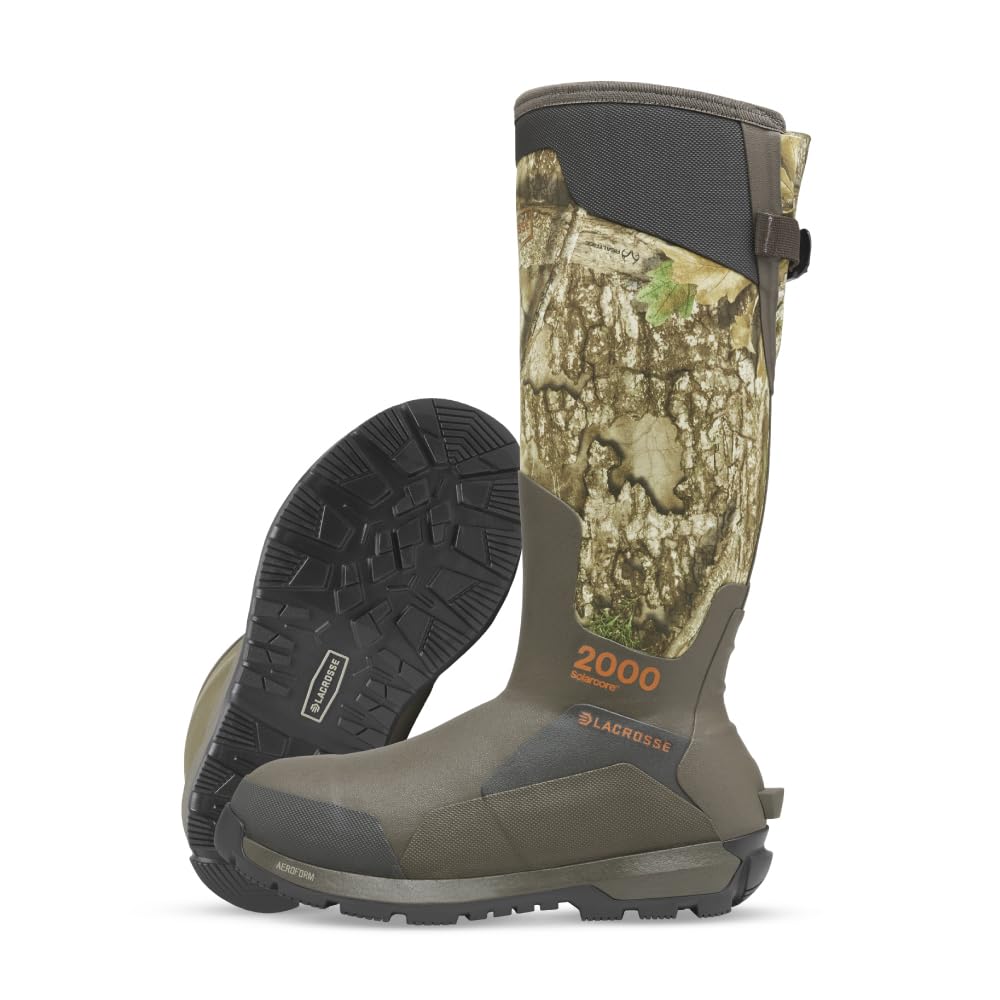
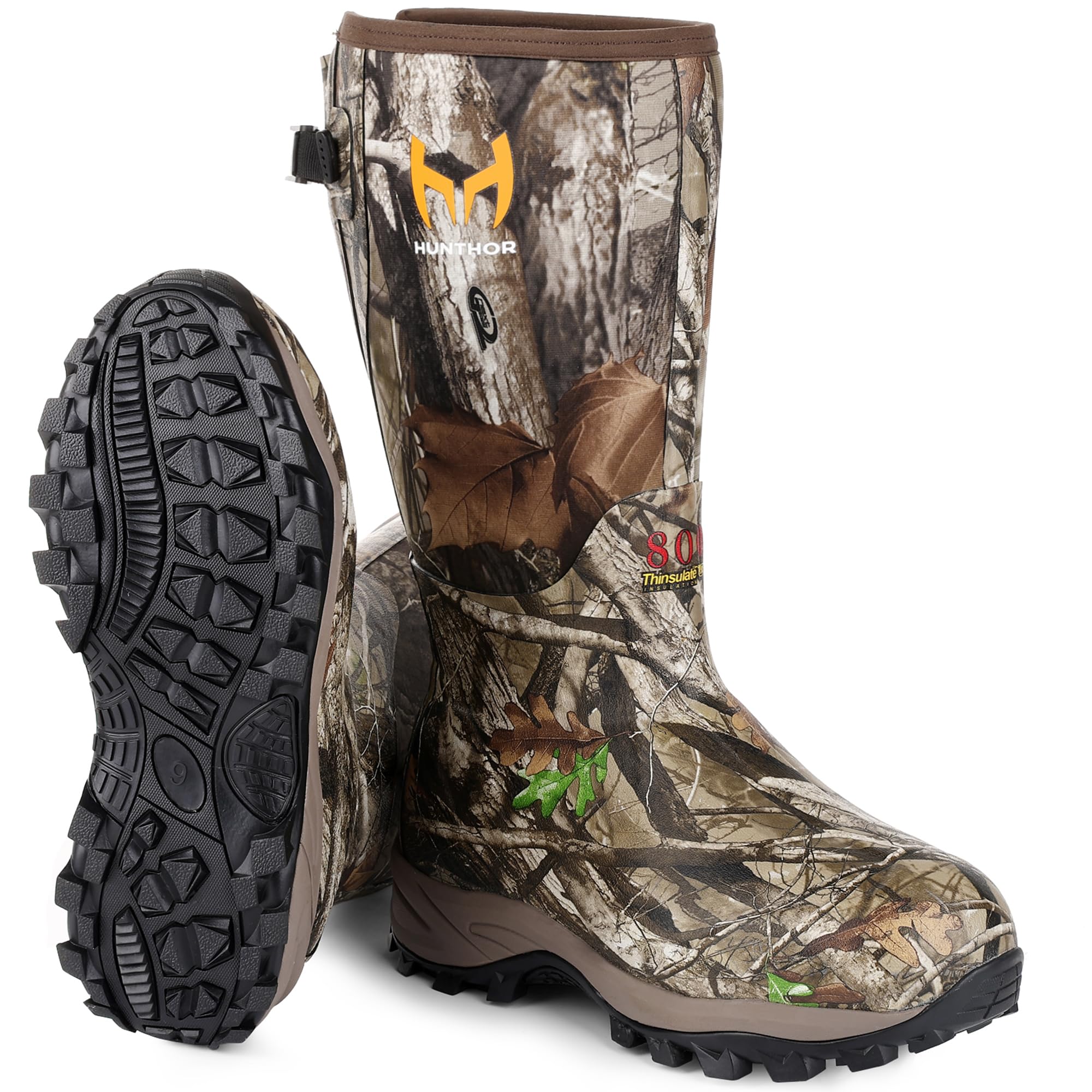
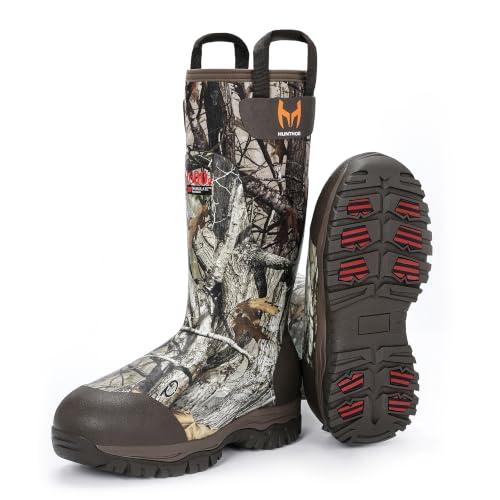
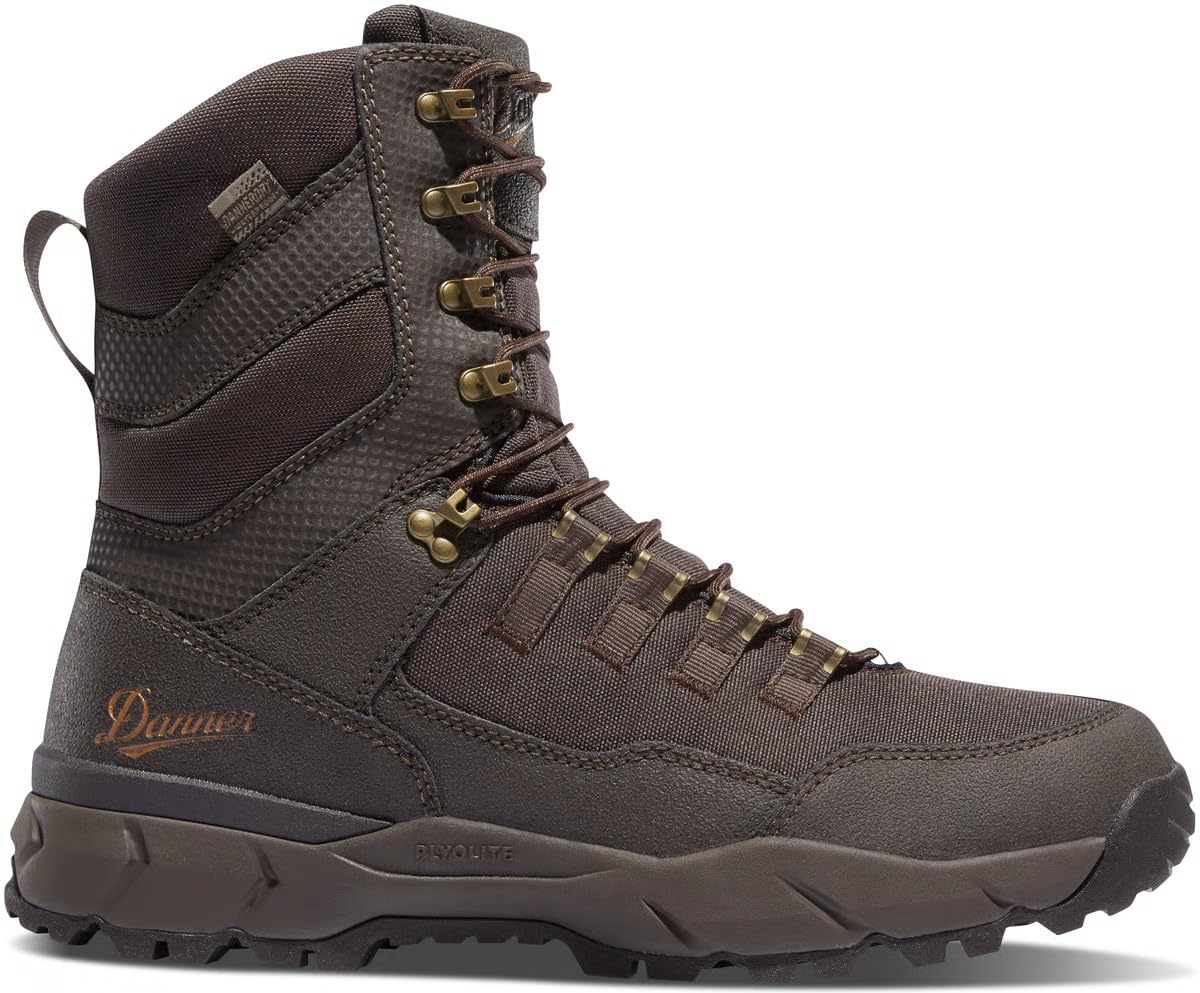
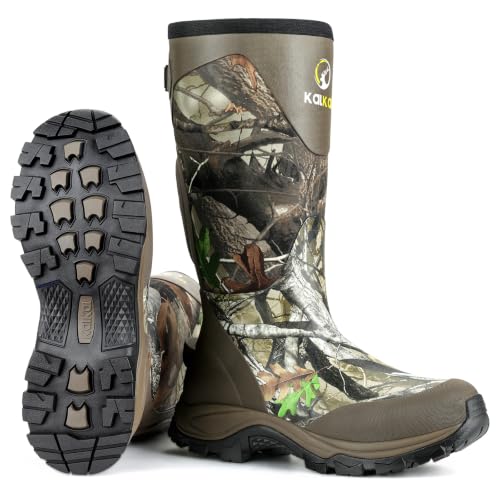
Caribou country in Alaska means wet tundra, shallow pools and long walks where the ground rarely feels firm. Choosing the best boots for alaska caribou hunting starts with matching the boot to that ground, not to a dry trail back home. The comparison table below shows the main options so you can compare height, weight and insulation.
Your hunt may mix a float plane ride, a river crossing and hours of glassing in cold wind. This guide sorts boots by user, by feature and by type, and explains fit checks you can do before travel. Read it with your sock system and pack weight in mind.



Who Should Buy Which Boots for Alaska Caribou Hunting?
Start with the ground you will cross most. A boot that shines on dry ridges can punish you in bog, and a tall bog boot feels clumsy on rock.
Hunters Walking Wet Low Tundra All Day
You spend most hours stepping through tussocks, standing water and soft moss, often with a pack. Choose a tall waterproof boot with a flexible sole and a shaft that keeps water out in a hidden pool. Prioritize a secure heel hold, because loose heels blister fast when feet stay damp for six to eight hours a day. A lighter pair helps on tangled grass.
Hunters Climbing Ridges and Side Hills for Caribou
You climb for a view, cross sloping rock and then drop back to the valley floor to stalk. Choose an insulated leather mountain boot with a stiff sole edge, strong ankle support and deep lugs. The stiffer build protects your feet on sharp rock and gives control where a soft bog boot would fold and slide. Break this style in well at home, because new stiff boots punish heels on descents.
Hunters Glassing for Long Periods in Cold Wind
You sit still behind optics for an hour or more, then move fast when a bull feeds into range. Choose a warmer boot with more insulation and room for a thick sock, plus a liner you can swap when damp. Warmth matters most while you are still, so a heavier insulated option often beats a light boot that leaves toes numb before the stalk.
Key Features to Compare
Compare these factors in order. Water and cold decide comfort first in Alaska, while fit decides whether you can still hunt well on day four. For a broader start, see our guide to the best hunting boots and then narrow to caribou needs below.
Waterproofing and Breathability for Bog and River Crossings
A full waterproof build is the starting point for caribou country. Tall rubber lowers shed bog water completely, while leather uppers rely on a waterproof membrane such as Gore Tex to block water while staying somewhat breathable. Breathability has limits in cold wet grass, so plan on damp socks by evening. Choose the tallest shaft you will wear all day, because water over the top defeats every membrane.
Insulation for Cold Mornings and Still Glassing
Insulation balances warmth while glassing against sweat while walking. Light insulation around 200 grams suits active early season stalks, while about 400 to 600 grams suits colder late season sits. Too much insulation makes feet sweat on climbs, and damp socks then chill fast when you stop. Match the rating to your coldest still hour, and carry a spare dry sock.
Outsole Traction, Cushioning and Heel to Toe Drop
The outsole must grip wet roots, moss and slick rock without packing full of mud. Look for deep lugs with wide spacing, a firm heel brake for descents and enough cushioning to soften tussock landings. A moderate heel to toe drop of about 8 to 12 mm keeps calves working naturally on climbs, while solid arch support stops the midfoot from tiring under a loaded pack.
Fitting Caribou Boots Over Heavy Hunting Socks
Fit decides blisters more than any single feature. Try boots late in the day with your hunting socks, and leave about a thumb width in front of your toes for descents. A roomy toe box lets toes spread on soft ground and keeps circulation warm, while a snug heel stops lift. If one foot is larger, fit that foot first and adjust the other with a thicker insole.
Weight, Shaft Height and Ankle Support for Long Stalks
Every extra pound on your feet costs energy over a long stalk, and weight limits on small planes punish heavy choices. Taller shafts protect against bog water and brush, while shorter shafts dry faster in camp. Strong ankle support helps when you step off a tussock with a heavy pack, but very stiff ankles tire calves on flat tundra. Balance height and support against the distance you walk each day.
Types of Boots Compared for Caribou Country
There are three useful families among the best boots for alaska caribou hunting, and each wins on different ground. The notes below compare them by job, not by brand. If your trip covers Alaska beyond caribou season, see our guide to the best boots for alaska for general use.
Tall Rubber and Neoprene Bog Boots
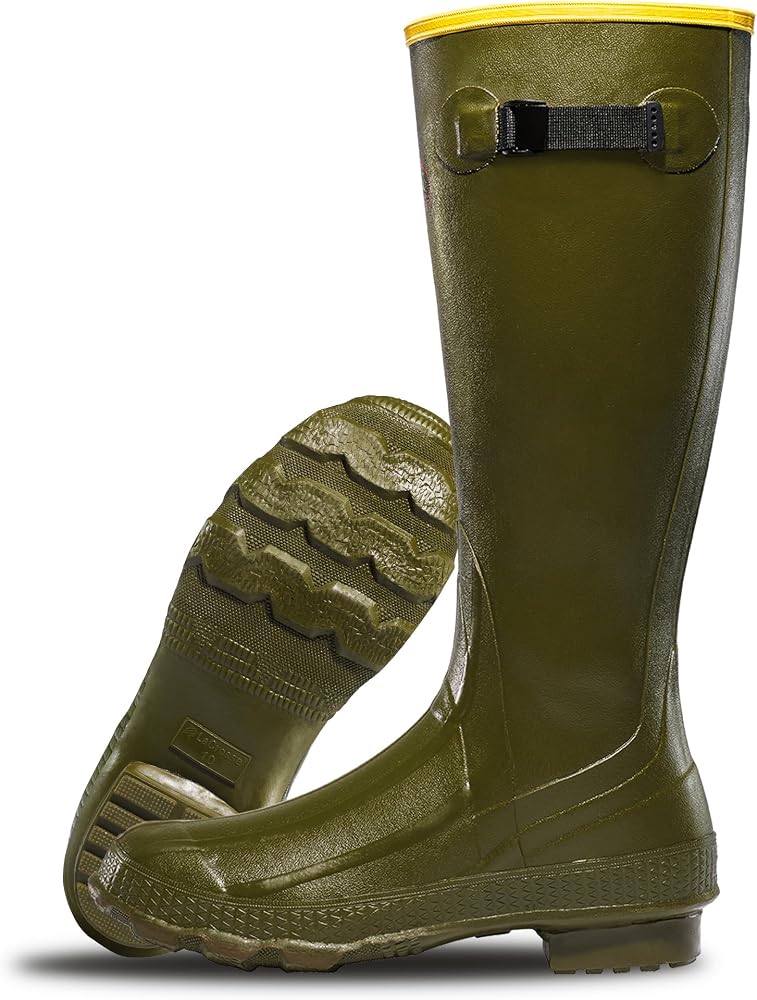
These boots use a waterproof rubber lower and a tall shaft that seals out bog water and wet grass. They excel on flat wet tundra and around camp, and they rinse clean at night. Their softer sole and looser ankle fit make them less precise on steep rock, and feet can sweat inside on climbs. Choose them when water is your main problem most days.
Insulated Leather Mountain Boots
These boots pair a leather upper, a waterproof membrane and a stiff lugged sole for ridges and side hills. They give the best control when you edge across slopes or carry meat back to camp. They cost more, often about $250 to $400, need a real break in period and dry slowly once soaked. Choose them when your route climbs daily and footing matters more than wading depth.
Pac Boots With Removable Liners for Cold Hunts
Pac boots combine a rubber lower, an upper and a thick removable liner you can pull out to dry in a tent. They shine on cold late season hunts and for hunters who glass from one spot for hours. They feel bulky for long stalks and offer less precise footing on rock. For a mixed Alaska trip, see our guide to the best alaska hunting boots for other game.
Common Mistakes to Avoid
These errors cost comfort and hunting time far from the road.
- Choosing short boots for bog country lets water pour over the top and leaves feet wet all week.
- Buying boots in your street shoe size leaves no room for thick hunting socks and causes numb toes in cold wind.
- Skipping a full break in at home turns a stiff new boot into blisters and a shortened hunt.
- Picking smooth shallow lugs for wet tundra makes every slope a slide and drains energy for the pack out.
- Packing only one pair of socks means you start each morning with damp feet and a higher risk of blisters.
Care and Maintenance in Camp and at Home
Pull insoles and removable liners out each night and air them inside your tent away from a hot stove. Stuff boots with dry cloth to draw out moisture, and loosen laces so air reaches the toe area. Never force dry leather with direct high heat, because heat can crack leather and damage waterproof layers.
At home, rinse mud from soles with plain water, brush dried soil from uppers and let boots dry slowly at room temperature. Check lugs, stitching and lace eyelets for wear before storage, and keep boots upright in a dry place out of direct sun. A boot stored damp grows odor and weakens materials.
FAQ
What features matter most in boots for Alaska caribou hunting on wet tundra?
Waterproof height, secure heel hold and a mud clearing outsole matter most on wet tundra. Beyond the guidance above, check how the boot top meets your rain pants, because a gap there channels water inside during steady rain. Carry a spare lace set in your pack, since a broken lace on a tall boot is hard to improvise in the field.
How should boots for Alaska caribou hunting fit for a meat pack out?
Boots for Alaska caribou hunting should feel snug at the heel and midfoot with clear space ahead of the toes. That space matters even more under a heavy pack on a downhill, where feet slide forward with each step. Trim toenails short before the trip and test fit on a loaded downhill walk, because sore toenails often trace back to a short toe area.
How long is the break in period for boots for Alaska caribou hunting?
Most stiff hunting boots need about two to three weeks of regular walks before a caribou trip. Start with short flat walks, then add hills and a loaded pack as hot spots fade. Tall rubber boots need less time but still deserve several days of wear to test heel slip. Arrive with boots already shaped to your feet.
Do boots for Alaska caribou hunting need gaiters as well as waterproofing?
Yes, many caribou hunters add gaiters even with tall waterproof boots. Gaiters bridge the gap between boot top and pant leg, shed wet grass before it soaks your sock top and keep grit out on gravel bars. Choose a height that overlaps the boot shaft by several inches, and practice putting them on with gloves before you travel.
Are expensive boots for Alaska caribou hunting worth the higher price?
Expensive boots for Alaska caribou hunting are worth it when the price buys a better fit, a stronger sole and a shaft height that matches your ground. Higher cost alone does not guarantee comfort, and a costly boot in the wrong size will still blister. Spend first on fit and waterproof height, then on insulation.
Our Verdict
Choose by ground first, then by cold, then by fit. Wet low tundra calls for tall waterproof boots, ridges call for stiff leather mountain boots and cold still hunts call for pac boots with dryable liners. Use the product table above to compare height, weight and insulation for your route.
When you match those three points, the best boots for alaska caribou hunting become a simple choice rather than a gamble. Pack spare socks and break your boots in early.