
Best Boots for Warmth and Walking: Our 2026 Checklist for Cold Miles
Disclosure: We may earn a commission when you buy through links on this page, at no extra cost to you. As an Amazon Associate I earn from qualifying purchases. Learn more

Compare boots for warmth and walking by insulation, fit, traction and weight, with a clear checklist for daily winter miles and cold commutes.
A boot that feels cozy for a short trip to the mailbox can fail you after two miles, when heat builds, socks dampen and your stride changes. The best boots for warmth and walking balance insulation with a fit and sole built for steady movement. Use the comparison table below to check that balance before you look at price.
Warmth alone is not the goal. You also need room for thick socks, grip on wet pavement and enough flex to walk naturally. The checklist in this guide walks through each tradeoff in order, so you can match a boot to your route and weekly miles.

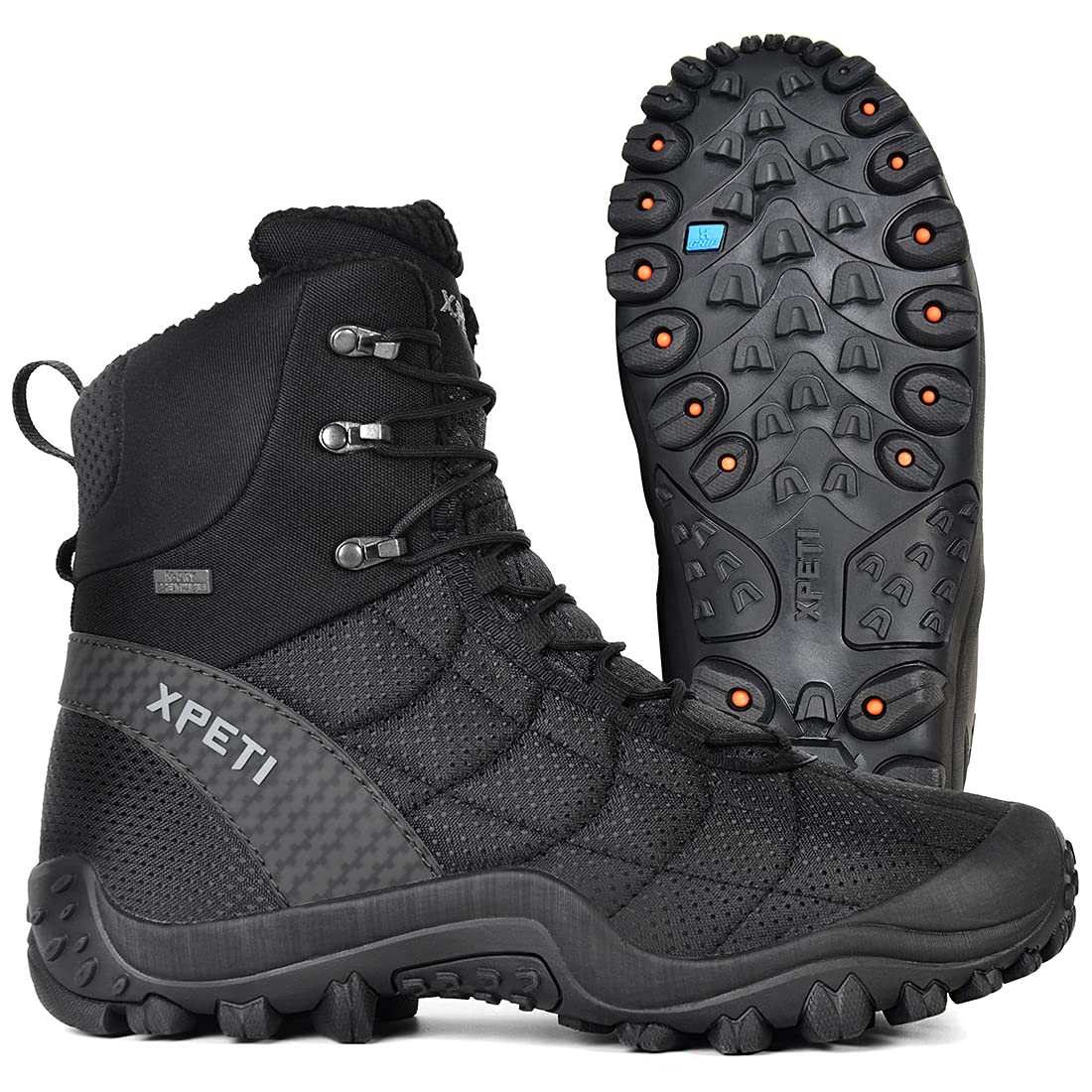
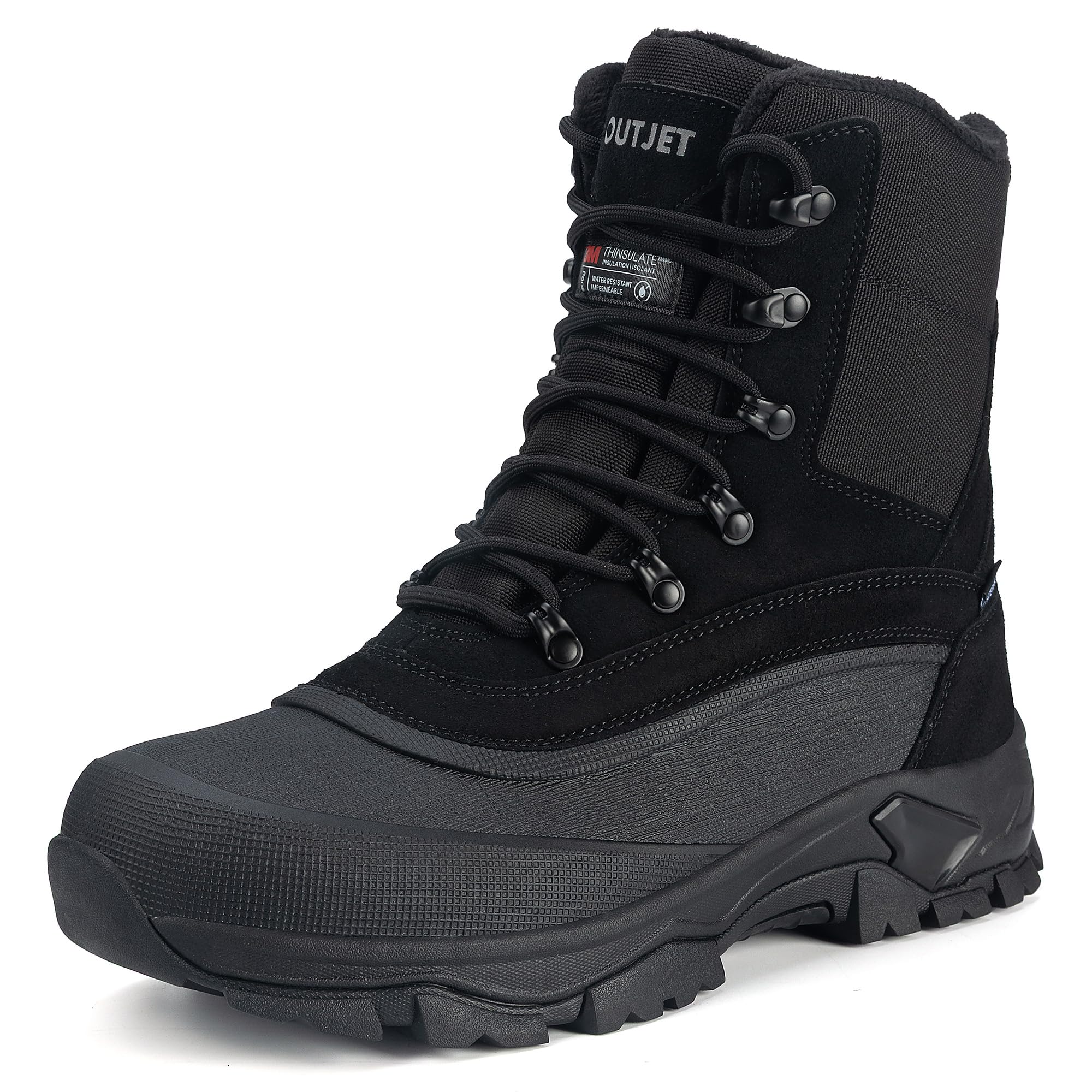
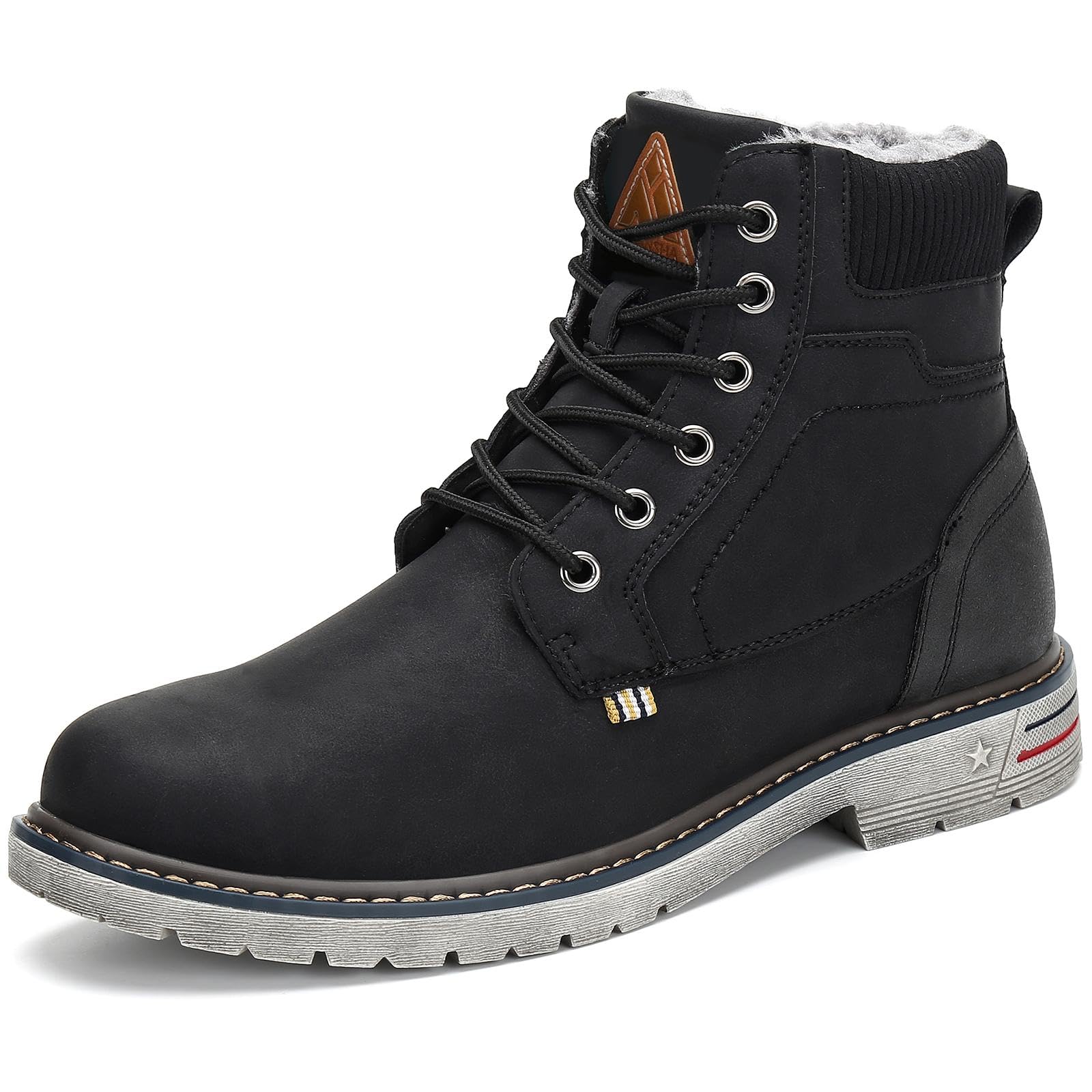
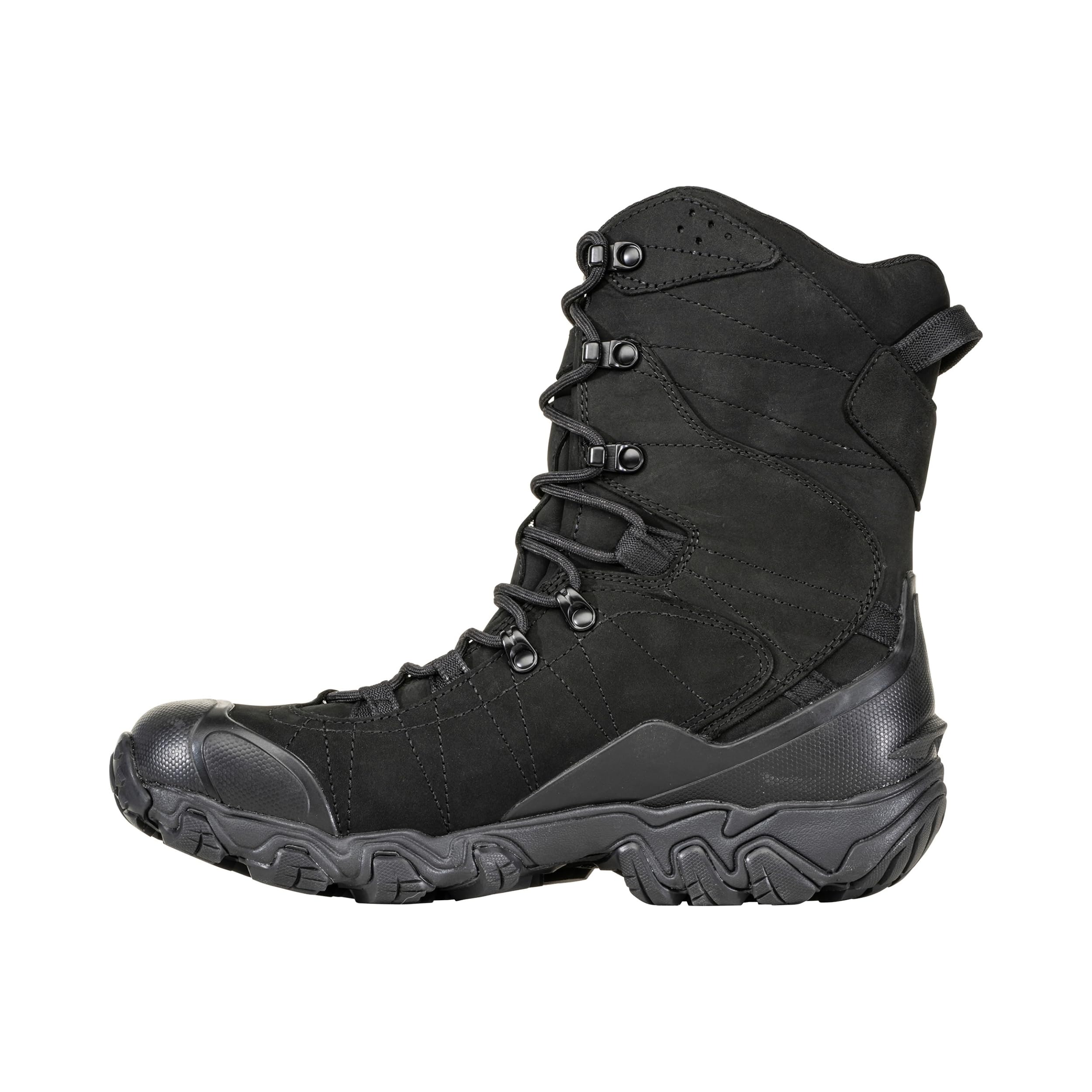
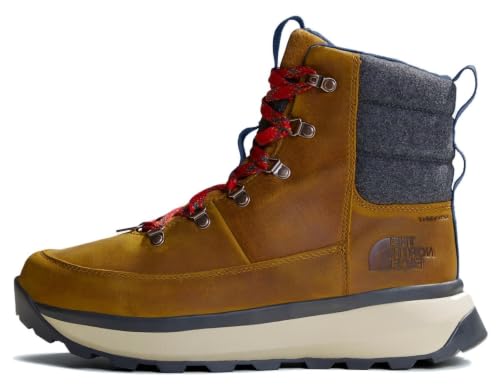
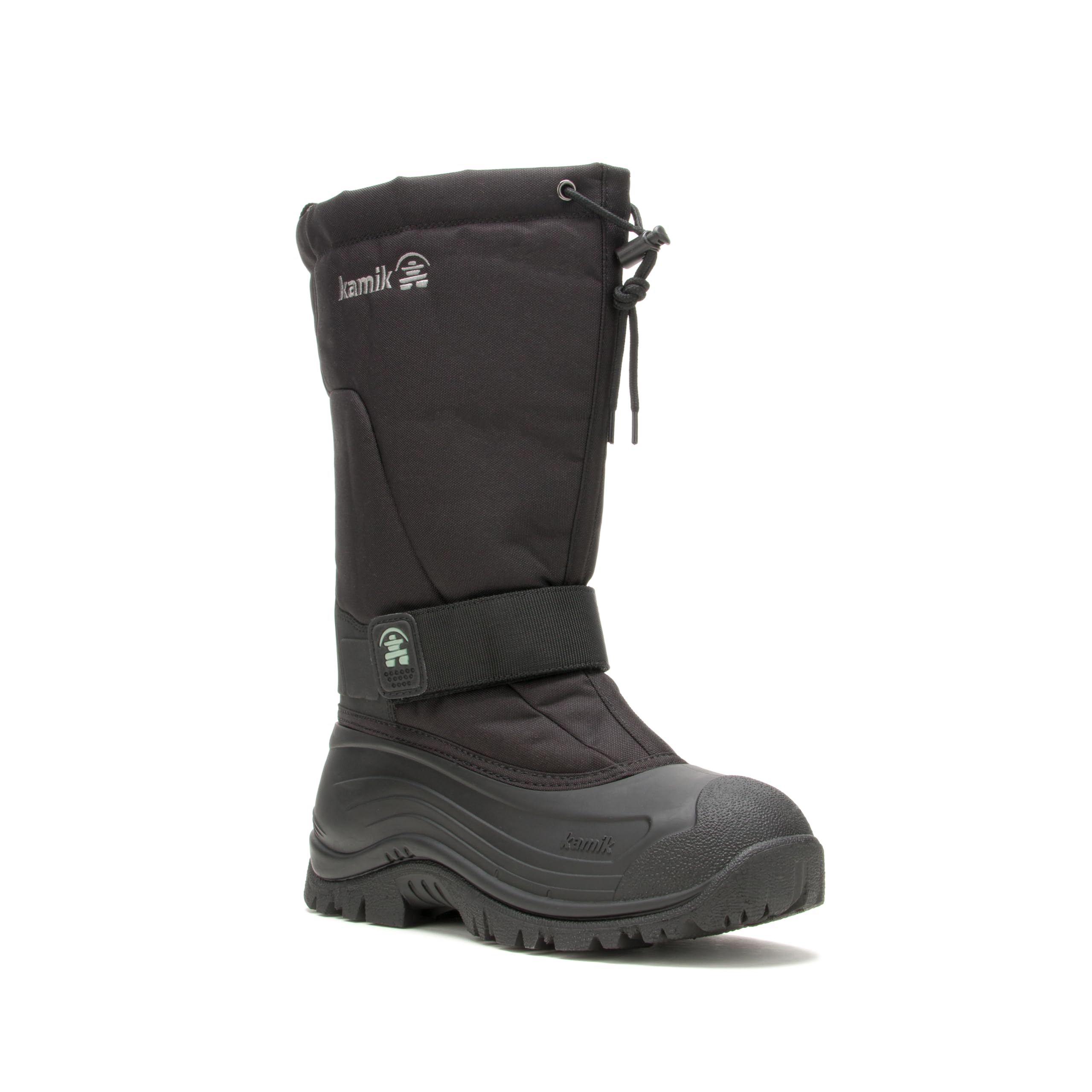
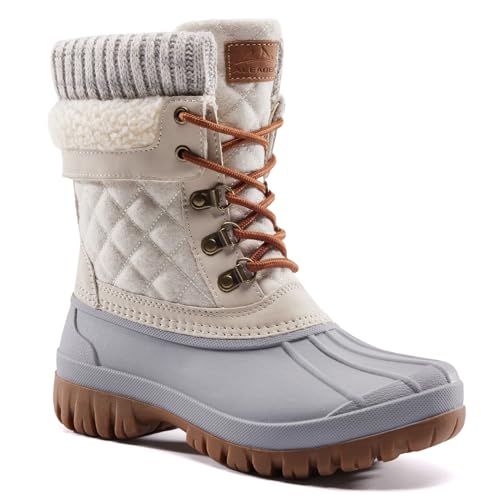
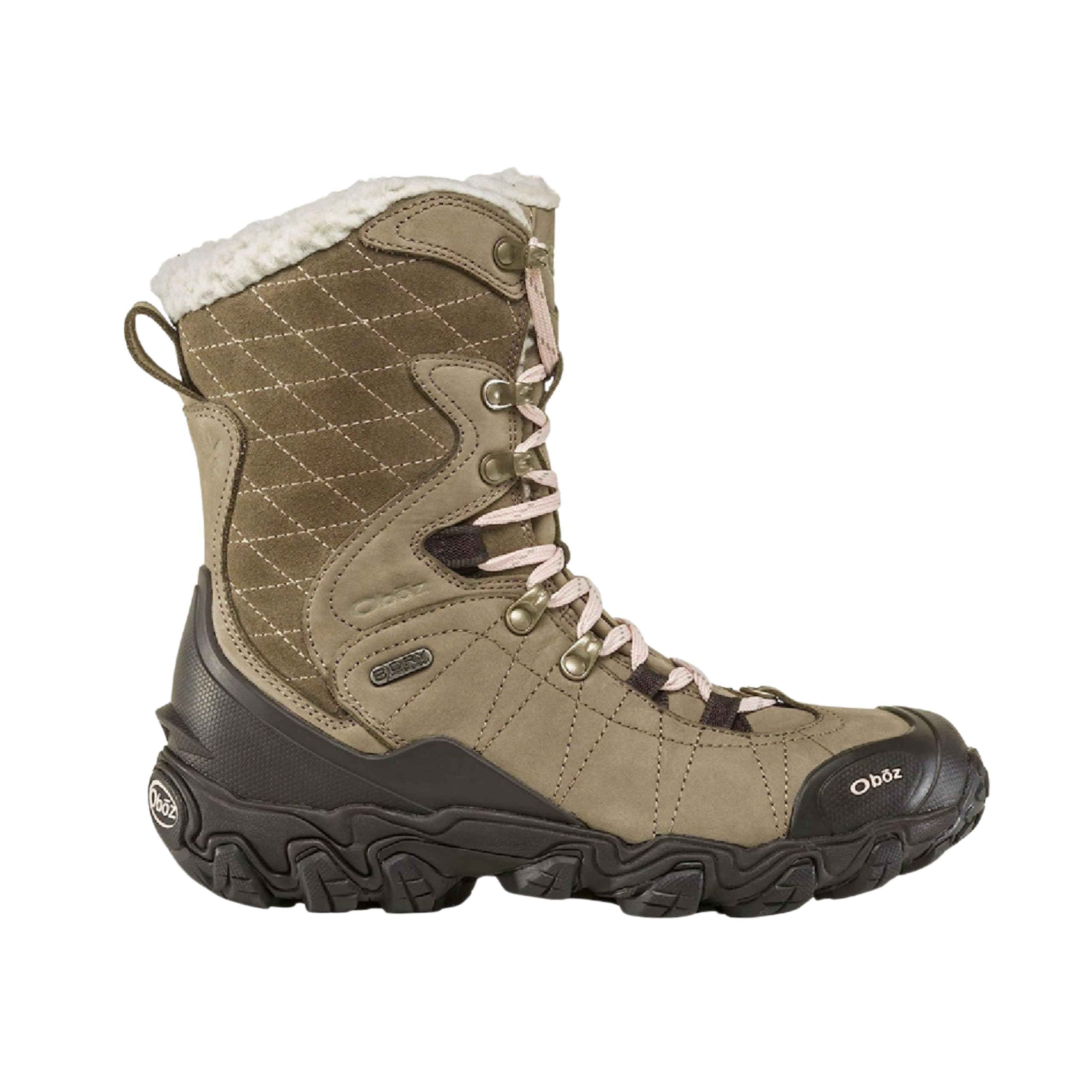
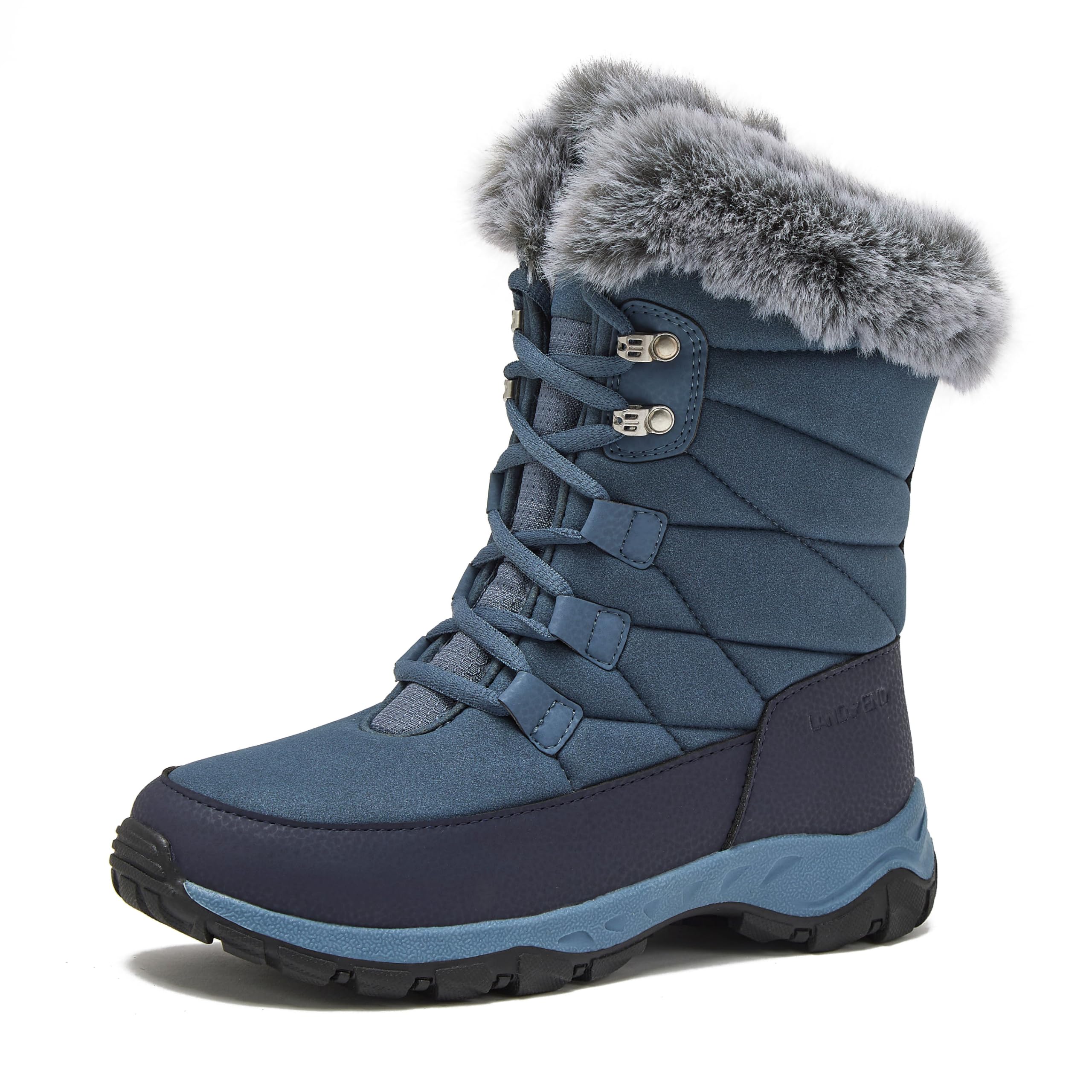
Who Should Buy Which Warm Walking Boots?
Start with the walk you repeat most often. Distance, pace and ground decide how much insulation you can carry without overheating or tiring early.
Daily Dog Walkers on Neighborhood Routes
You head out in most weather, often for 20 to 60 minutes at a relaxed to brisk pace. Choose moderate insulation, a flexible sole and a height that keeps slush out without locking your ankle. Easy entry matters too, because a fussy fit means you will reach for other shoes on cold mornings.
Winter Commuters Who Walk to Work or Transit
You mix outdoor miles with warm trains, buses and offices, so breathability matters almost as much as insulation. Choose a lighter insulated boot with a tidy profile that fits under work pants. If your route is mostly cleared pavement, you can trade deep tread for a smoother sole that feels better on hard floors.
Trail Walkers Who Keep Hiking Through Winter
You walk longer distances on uneven ground, where stability and ankle support protect you as legs tire. Choose a stiffer sole, stronger ankle coverage and deeper tread than a city walker needs. Heavier insulation suits slow, exposed routes, but on fast climbs a midweight option often keeps feet drier.
Key Features to Compare
Compare these factors in the same order each time. Warmth comes first, but each factor after it decides whether that warmth stays comfortable mile after mile.
Insulation Amount and Where the Warmth Sits
Insulation is usually described by weight, with about 200 grams suiting active walking in mild cold and about 400 grams suiting slower walks or colder days. More is not always better, because a moving foot generates heat and excess insulation traps sweat. Look for insulation that wraps the toes and forefoot, not only the ankle, since toes chill first. If you walk briskly, choose the lighter option and add a warmer sock instead.
Leaving Room for Thick Socks Without Losing Heel Hold
Fit your boots late in the day, when feet are at their largest, and wear the socks you plan to walk in. You want about a thumb width of space in front of your longest toe, with no pressure across the top of the foot, because tight boots restrict circulation and feel colder. The heel should stay planted without lifting. A roomy toe box lets toes spread for balance on icy ground.
Waterproof Membranes and the Breathability Tradeoff
A waterproof membrane such as Gore Tex keeps slush and puddle water out while letting some vapor escape, but no membrane moves moisture as fast as an open mesh upper. Choose waterproof boots if your routes cross snow, wet grass or standing water. If your winters are cold and dry, a treated leather upper may breathe better and still shed light snow. Sealed seams matter as much as the membrane itself.
Cushioning, Arch Support and Stability for Mileage
Walking boots need cushioning that absorbs repeated impact without feeling soft and unstable on uneven ground. A firm midsole with moderate padding suits most walkers, while a very soft sole can tire the feet on longer routes. Arch support should match your natural arch rather than push against it, and a stable heel base helps on crowned sidewalks. If you use separate insoles, bring them when you try boots on.
Outsole Traction, Weight and Flexibility
Traction comes from rubber compound and tread shape working together. Wide, spaced lugs shed slush and grip loose snow, while flatter contact patches feel steadier on wet pavement. The boot should flex at the ball of the foot, not fold in the middle, so your stride stays natural. Weight adds up over distance, so a boot that feels fine in the store can feel heavy at mile three.
Upper Materials and Ankle Height
Full grain leather uppers block wind well and mold to your foot over time, but they need more break in and weigh more than synthetic options. Synthetic and fabric uppers dry faster and feel lighter, though they may let more wind through. Height is a tradeoff too. A taller shaft keeps deep snow out and steadies the ankle, while a lower cut walks more freely on cleared streets.
Boot Types for Cold Weather Walking, Compared
When you shop for the best boots for warmth and walking, match the boot type to your ground first. Insulated hiking style boots pair a supportive sole with moderate insulation and suit mixed trails and streets. Tall winter boots add shaft height and heavier insulation for deep snow and slow, standing around time, but they can feel clumsy on long, clear routes.
Insulated trail walking boots sit between those two. They are lighter, flex more easily and suit distance on packed snow or cold, damp paths. For mild days when boots would overheat your feet, see our guide to the best walking shoes.
Final Checks Before Ordering Winter Walking Boots
Run through these questions before you buy. A no answer points to the feature to fix first.
- Can you wiggle your toes freely while wearing your thickest walking socks?
- Does the insulation level match your pace, not only your coldest expected day?
- Will the tread suit your usual ground, from icy pavement to packed snow?
- Does the boot flex at the ball of the foot when you press the toe down?
- Is the shaft height right for the snow depth on your regular routes?
- Can you return the boots after an indoor trial walk around your home?
- Does the weight still feel reasonable when you imagine your longest weekly walk?
For fit by wearer, see our guide to the best walking boots for men and our guide to the best ladies walking boots, since sizing and calf fit differ between lines. For deep winter routes, see our guide to the best walking boots winter.
Common Mistakes to Avoid
Most cold feet come from a buying mistake, not the weather itself.
- Buying the warmest boot you can find makes active feet sweat, and damp socks chill faster than dry ones.
- Sizing down for a snug feel cuts circulation, so toes go numb even in a well insulated boot.
- Choosing smooth fashion soles for winter routes leaves you without grip on the first icy patch.
- Wearing thin cotton socks wastes good insulation, because cotton holds sweat against the skin.
- Skipping an indoor trial walk means the first long outing reveals pressure points you cannot fix.
How to Make Your Warm Walking Boots Last Longer
Air dry wet boots at room temperature away from direct heat, and remove the insoles so the inside dries fully. Radiators can crack leather and weaken adhesives, so patience protects the boot. Stuffing boots loosely with plain paper helps pull moisture out overnight.
Brush off salt and grit after each winter walk, because road salt dries leather and stains fabric. Condition leather uppers when they look dry, and reproof fabric uppers when water stops beading. Rotate two pairs if you walk daily, and store boots upright in a cool, dry place.
FAQ
What temperature rating should warm walking boots have for daily winter walks?
Most active walkers do well with boots rated for conditions around 10 to 25 degrees Fahrenheit, rather than extreme cold ratings. Those printed ratings assume a set activity level, and a brisk walker often stays warm in a lighter boot than the rating suggests. Standing still at a bus stop is the harder test, so judge by your slowest, stillest moments outdoors.
How should warm walking boots fit with thick winter socks?
Warm walking boots should feel secure at the heel and midfoot while leaving clear space ahead of the toes when you wear thick socks. A useful home check is a short stair climb indoors, where toes that jam against the front on the way down signal a size too short. Lace from the bottom up and snug the ankle hooks last for the truest fit.
Do warm walking boots need a waterproof membrane for snow and slush?
Warm walking boots benefit from a waterproof membrane when your routes cross slush, puddles or melting snow. One point many buyers miss is the top opening, where snow can fall inside a low boot even when the upper is fully sealed. In deep or wet snow, a taller shaft or a gaiter closes that gap and keeps the insulation dry.
How long do warm walking boots take to break in before a long walk?
Most warm walking boots feel ready for full distance after about three to five shorter walks. Synthetic uppers settle faster than stiff leather, which can need a week or more of regular use. Note any hot spot early, since adjusting lacing or sock thickness then is far easier than treating a blister later.
Are heavier insulated boots better than lighter boots for walking in cold weather?
No, heavier insulated boots are not automatically better for walking, because extra weight and warmth can work against a steady pace. Each added ounce is lifted thousands of times on a long walk, and the effort shows in tired legs. Lighter boots with a warm, moisture managing sock often win for walkers who keep moving.
Wrapping Up
Put fit and insulation balance ahead of every other claim. A boot with room for thick socks, a sole that grips your ground and warmth matched to your pace will serve you on most winter routes. Use the product table above to compare those points before you decide.
Chosen with that checklist, the best boots for warmth and walking keep your daily miles going through the cold months instead of cutting them short. Start with your most common route, and let that walk, not the coldest day of the year, guide your choice.


