
Best Boots for Alaska: Types Compared and How to Choose for 2026
Disclosure: We may earn a commission when you buy through links on this page, at no extra cost to you. As an Amazon Associate I earn from qualifying purchases. Learn more

Plan your Alaska footwear: compare waterproof hiking, insulated snow, and rubber boots, and learn how fit and grip shape the best boots for alaska.
Alaska asks more of footwear than most trips do, because one day can mix rain, mud, cold mornings, and long walks on uneven ground. The best boots for alaska depend on what you will actually do there, from town days and short trails to wet landings and winter outings. This guide compares the main boot types side by side, so you can use the table of boot types below and the product table to match a boot to your trip instead of guessing.
Start by listing your days honestly. A traveler who spends most time in towns needs different footwear from someone hiking muskeg trails or standing on a wet dock. The sections below compare boot types, explain fit and features for Alaska conditions, and answer the questions travelers ask most.
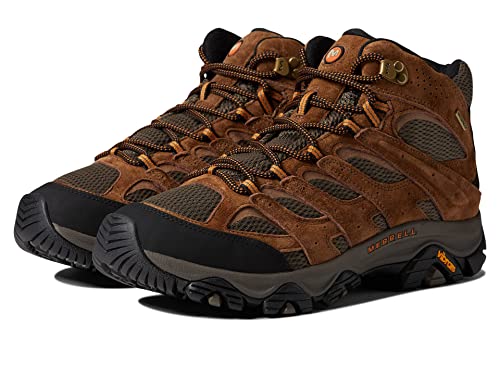


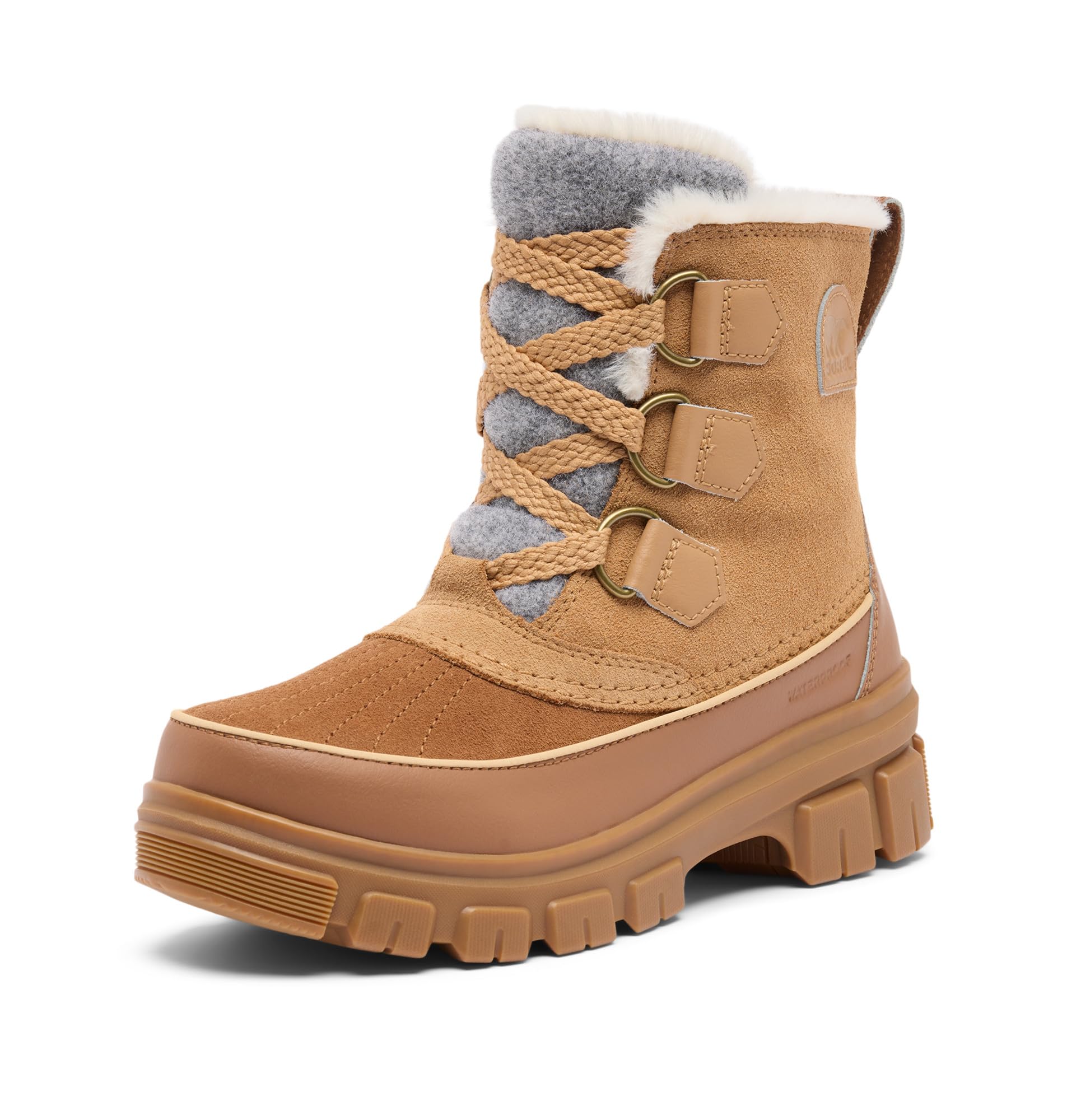
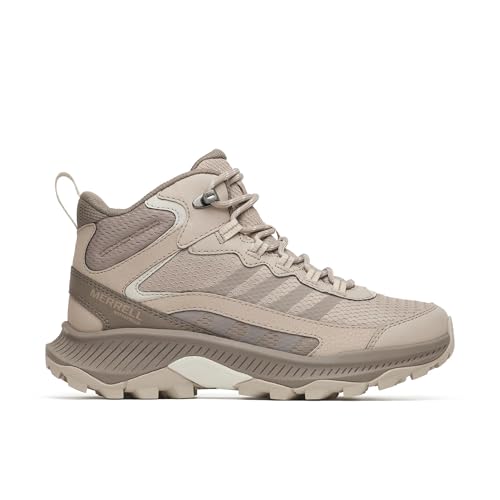
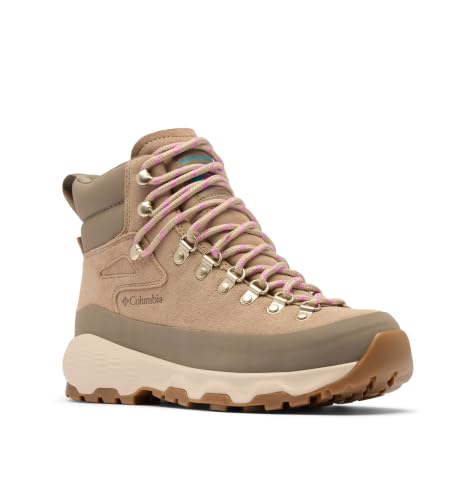

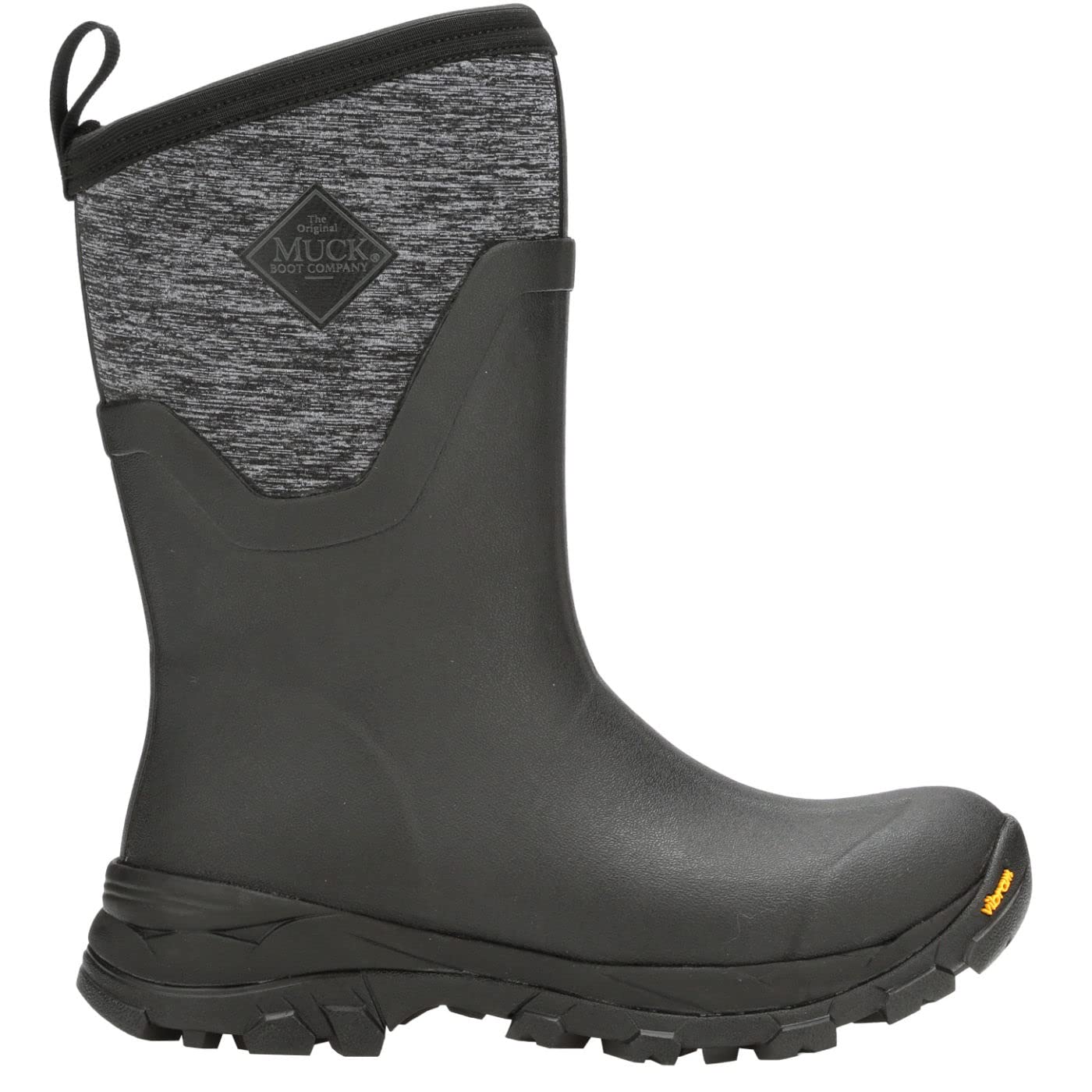

Types of Boots Compared
The table below sums up the main options before the detailed sections. Use it as a quick reference, then read the type that fits your trip most closely.
| Type | Best For | Pros | Cons | Typical Price |
|---|---|---|---|---|
| Waterproof Hiking Boots | Wet trails and mixed terrain | Dry feet, ankle support, good grip | Can feel warm and heavy | about $90 to $200 |
| Insulated Winter and Snow Boots | Cold, snowy, and shoulder season days | Warm, waterproof, deep tread | Bulky and too warm in summer | about $100 to $250 |
| Tall Rubber Boots | Wet landings, docks, and mud | Fully waterproof and easy to rinse | Less support on long hikes | about $100 to $180 |
Waterproof Hiking Boots
Waterproof hiking boots use a membrane or treated leather to block rain, puddles, and wet brush, which makes them the default choice for Alaska trails. Look for sealed seams and a gusseted tongue, since water often enters through the tongue and stitching before it soaks through the upper. A mid height cuff helps keep mud and shallow water out, while a lugged outsole grips wet boardwalks and slick rock.
The tradeoff is warmth and weight. Waterproof boots breathe less than mesh shoes, so your feet may sweat on warm afternoons, and the added structure makes them heavier on long climbs. Pair them with moisture wicking socks so sweat does not leave your feet damp inside a dry boot. For dedicated trail options, see our guide to best hiking boots for alaska, which focuses on grip and ankle support for rough ground.
Insulated Winter and Snow Boots
Insulated boots add a warm lining and a taller, sealed shaft for snow, slush, and freezing mornings. They suit winter outings, shoulder season trips, and anyone who stands still for long periods, such as at viewing spots or on the water.
Their limits are bulk and heat. In summer they can leave feet sweaty, and heavy insulation makes long hikes tiring. Check the temperature rating and make sure the sole has a deep, soft tread for ice and packed snow. For cold weather options, see our guide to best snow boots for alaska.
Tall Rubber Boots
Tall rubber boots are fully waterproof from sole to calf, which makes them a strong pick for wet landings, fishing docks, and soggy trailheads. They rinse clean in seconds and shrug off deep puddles that would soak a hiking boot.
The drawback is support. Most rubber boots have loose ankles and simple soles, so they suit short walks and wet work better than long, steep hikes. Look for a cushioned insole and a lugged outsole, and add warm socks for cool mornings.
Waterproof Hiking Boots vs Rubber Boots: Which Should You Choose?
Compare the two on weather cover, support, weight, comfort, and pack size. Rubber boots win on pure water protection and easy cleaning. Waterproof hiking boots win on ankle support, grip on rough ground, and comfort over long distances.
If you must pack only one pair, choose waterproof hiking boots whenever your itinerary includes trails, since they cover the widest range of conditions. Add rubber boots for wet landings or heavy rain days, and insulated boots for winter, if luggage and budget allow. Wet, cold feet ruin a day faster than slightly heavier footwear does.
How to Choose the Best Boots for Alaska
The factors below apply to any Alaska boot, but they matter most when conditions turn wet and cold. Work through them in order, and do not let a single feature, such as a brand name membrane, override fit and grip.
Traction and Support
Traction keeps you upright on wet roots, boardwalks, and loose gravel, while support keeps your foot from rolling on slopes. A deep, widely spaced lug pattern sheds mud and grips better than a shallow street tread. A stiffer midsole and a mid height cuff steady your ankle when you carry a pack or cross uneven ground.
Try boots on a slope or stairs if you can, since flat store floors hide how a boot behaves on real Alaska terrain. A thick, soft midsole cushions long days but can feel less steady on rocky trails than a firmer one.
Insulation and Warmth
Alaska weather swings widely, so match warmth to your season. Summer trips usually call for uninsulated waterproof boots with breathable linings, while winter and shoulder season trips call for insulation and a thicker sole that blocks cold from the ground. Wool or synthetic socks keep feet warmer than cotton, especially when damp.
Removable insoles help, because you can swap in an aftermarket insole that matches your arch without changing boots. Check the fit with the socks and insoles you will actually wear on the trip. If you have ongoing foot pain, talk with a clinician about support needs before a long trip.
Durability and Expected Lifespan
Durability depends on upper material, sole construction, and how often you walk in wet grit. Full grain leather and sturdy synthetic uppers outlast light mesh, and stitched or well bonded soles hold up better on rough trails. Mud, grit, and repeated wetting wear footwear faster than dry climates do.
Watch for worn lugs, cracked midsoles, and uppers that no longer hold water out, since each one signals the end of useful life. Rotating two pairs also extends their life by letting each pair dry fully between days.
Features That Matter for Alaska
Alaska demands weather protection, grip, and warmth in one package, and no single boot excels at all three without tradeoffs. Waterproof membranes and sealed seams matter most in the rainy southeast and on coastal trips, while insulation matters most for winter outings.
Ankle height matters too, since a mid cut boot steadies your ankle on uneven ground and blocks debris better than a low cut shoe. For wildlife viewing stops and boat based days, pack footwear you can change quickly, and follow local trail and wildlife rules, keeping a safe distance from animals. For rainy day specialists, see our guide to best rain boots for alaska, which covers tall rubber styles for the wettest conditions.
Fit, Sizing, and Toe Box
Measure your feet in the afternoon, when they are slightly swollen, and wear your trip socks for the fitting. A roomy toe box lets your toes spread on descents, which prevents blisters and black toenails on long downhill walks. Your heel should stay put without lifting, and you should be able to wiggle your toes without pressing the front of the boot.
Break boots in before the trip with several short walks, and learn the return policy in case the size feels different after a full day. If one foot is larger, fit the larger foot and use an insole or lacing adjustment for the smaller one. Cold weather calls for slightly more room, since thicker socks need space without cutting off circulation.
How to Make Your Boot Last Longer
Air dry wet boots away from direct heat, since radiators and campfires can crack leather and warp soles. Remove the insoles to speed drying, and stuff the boots loosely with newspaper to hold their shape. Clean mud off after each wet day, because dried grit grinds into seams and shortens the life of the upper.
Rotate two pairs for daily wear when you can, so each pair dries fully between outings. Reapply water repellent treatment when water stops beading on the upper, and follow the manufacturer's care instructions. Check laces, eyelets, and sole bonding regularly, and repair small issues before they become failures on the trail.
Frequently Asked Questions
What features matter most in boots for alaska?
Waterproofing, grip, fit, and weather appropriate warmth matter most, in that order for most trips. Sealed seams and a gusseted tongue keep rain out, while deep lugs grip mud and wet boardwalks. Fit decides comfort over long days, since even the best membrane cannot help a boot that blisters your feet. Choose the balance that matches your season and itinerary, not the single most rugged boot on the shelf.
Do I need waterproof boots?
You need waterproof footwear for most Alaska trips that include trails, boats, or the rainy southeast, but town only trips in dry weather can work with lighter shoes. Rain can arrive suddenly even in summer, and a single soaked pair can stay damp for days in cool weather. If you pack only one pair, make it waterproof, and carry a second lightweight pair for dry town days.
Are expensive boots worth it?
Expensive boots are worth it when the extra money buys better materials, sealed construction, and a sole that lasts, but price alone does not guarantee fit. A midrange boot that fits well beats a premium boot that pinches your toes or slips at the heel. Spend more when your trip includes long, wet, or rough trails, and spend less for short town focused trips.
How long is the break in period?
Most modern boots need only a few short walks to break in, while stiff leather boots may need one to two weeks of gradual wear. Start with short walks around home, then build to longer outings with your trip socks and pack weight. Stop and adjust lacing or insoles if you feel hot spots, since blisters form fast once a pressure point appears. Never start a multi day Alaska hike in brand new boots.
How should boots fit?
Boots should fit snugly at the heel and midfoot with room to wiggle your toes, and they should feel comfortable after a full day, not just in the store. Fit them in the afternoon with your trip socks, and walk on stairs or a slope to check for downhill toe pressure. Your heel should not lift with each step. If the fit feels tight across the toes, try a wide size before going up a full length.
Final Thoughts
Match the boot to your trip first, then weigh waterproofing, grip, and fit in that order for most Alaska outings. A waterproof boot with deep lugs and a roomy toe box covers the widest range of conditions, while rubber or insulated boots round out a complete travel kit. Check the picks in the table once more, and favor the pair you can walk in all day over the pair that looks toughest on the shelf.
The best boots for alaska are the ones that keep you dry, steady, and comfortable from the trailhead to town. No boot guarantees protection on rough or slippery ground, so follow local trail and wildlife rules and choose routes that match your experience. For wildlife viewing days, see our guide to best binoculars for alaska, and enjoy the trip with footwear you trust.


