
Best Boots for Walking on Rocks in 2026: Budget, Midrange, and Premium Picks
Disclosure: We may earn a commission when you buy through links on this page, at no extra cost to you. As an Amazon Associate I earn from qualifying purchases. Learn more

Compare the best boots for walking on rocks at every price point. Learn what you get at budget, midrange, and premium levels and where spending more pays off.
Rocky ground punishes the wrong footwear fast, bruising the soles of your feet and twisting ankles on loose stone. Choosing the best boots for walking on rocks comes down to grip, underfoot protection, and fit, and prices range from around $60 to well over $250. This guide shows what each price level buys you, so you can spend where it matters.
Below is a plain comparison of price tiers, the features that protect your feet on stone, and the mistakes that leave walkers sore. Use the comparison table below to match a tier to your routes, then read on for fit and care details.
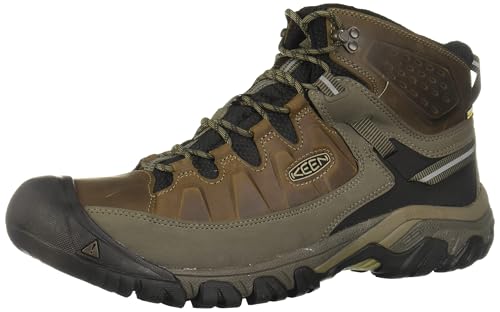


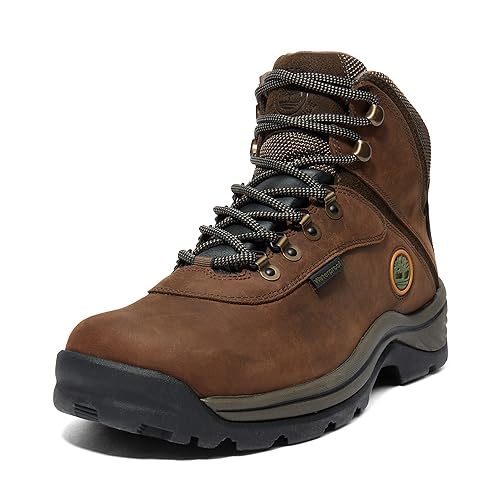
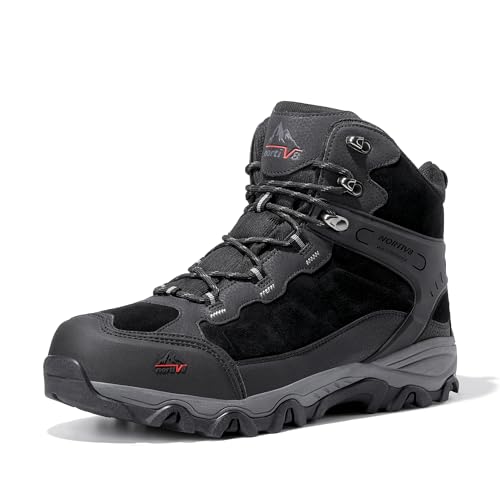


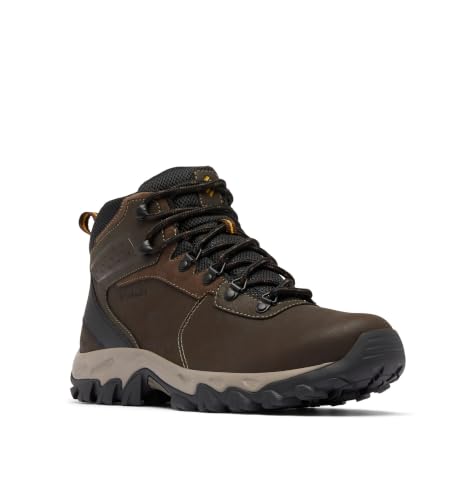
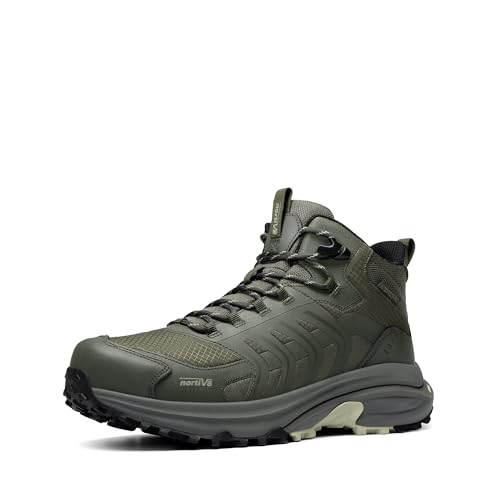
Who Should Buy Boots for Walking on Rocks?
Day Hikers Who Cross Scree, Slab, and Broken Trail
You need a boot that grips tilted stone and shields your foot from sharp edges poking through the sole. A midrange boot with a firm midsole and deep lugs suits most marked trails with rocky sections. A lighter budget boot can work on short walks over dry, rounded stone, but long descents over loose scree expose weak cushioning quickly.
Creek and Coastal Walkers on Wet Stone
Wet rock changes everything, because algae, spray, and polished surfaces cut traction sharply. Look for softer rubber and closely spaced lugs that keep more rubber in contact with slick stone, plus quick drying uppers if you wade often. When your route stays in shallow water, see our guide to the best water shoes for walking on slippery rocks for a lighter option built for that job.
Workers and Volunteers Who Cross Gravel and Rubble Daily
If your day involves construction sites, quarry floors, or trail repair, you walk on crushed stone for hours, and durability matters more than low weight. A stiffer boot with a protective toe spreads pressure from jagged pieces and survives daily scuffing. Readers whose jobs add safety rules should also see our guide to the best work boots for walking on rocks, which covers workplace requirements.
How Price Maps to Grip and Protection on Stone
Budget Tier: Basic Grip for Easy Rocky Paths
Boots at about $60 to $100 usually give you a molded foam midsole, shallow lugs, and synthetic uppers that feel fine on short, dry routes. The trade off is faster wear, since soft soles let sharp stones press through on rough ground. This tier suits occasional walkers on maintained trails. If most of your walking is on hard flat surfaces instead, compare our guide to the best boots for walking on concrete.
Midrange Tier: Firmer Support for Regular Rocky Miles
At about $100 to $180, boots typically add a stiffer midsole, a thin rock plate, deeper multidirectional lugs, and better ankle padding. That combination spreads the pressure of pointed stone across the whole foot and keeps your heel seated on uneven steps, where most walkers feel the biggest jump in comfort. Uppers also resist abrasion better, so the boots hold their shape for several seasons.
Premium Tier: Durable Uppers and Precise Fit for Hard Terrain
Boots above about $180 to $250 tend to use full grain leather or advanced synthetic uppers, firmer dual density midsoles, and outsoles from specialist rubber makers. You pay for edge hold on narrow ledges, a snug fit without pressure points, and construction that tolerates years of sharp stone. This tier suits frequent scrambling, heavy packs, or multi day routes.
Key Features to Compare
Outsole Grip and Lug Pattern for Stone
The outsole is the rubber layer that meets the rock, and its pattern decides whether you slide or step with confidence. Lugs of about 4 to 5 mm with varied shapes bite into gravel and dirt between stones, while a defined heel brake helps on loose descents. Softer rubber grips wet slab better but wears faster on abrasive granite. Choose multidirectional lugs and a slightly sticky compound, and treat mirror smooth soles as a warning sign.
Cushioning, Rock Plates, and Stability Underfoot
Cushioning in a rock boot is less about softness and more about protection, since a thin soft sole lets every point of stone push into your foot. A firm midsole paired with a thin rock plate spreads that pressure and keeps the boot from twisting around loose rocks, which is the stability your ankles rely on. Walkers who choose the best boots for walking on rocks for long descents should favor this firmer build over plush soles that feel good in the shop and tiring on stone.
Arch Support, Heel to Toe Drop, and Foot Type
Arch support matters because rocky ground forces your foot to work at odd angles for hours. Flat feet and overpronation call for a firm heel counter and structured insole that limit inward roll, while high arches need cushioning under the heel and forefoot. Heel to toe drop of about 8 to 12 mm suits most walkers, easing calf strain on climbs. A much lower drop can feel stable on slab but may tire unaccustomed calves, so change gradually.
Sizing for Long Descents and Swelling Trail Feet
Fit decides more comfort on rocks than any other factor, because your foot shifts forward on descents and swells during long walks. Measure both feet in the afternoon, wear your walking socks, and leave about a thumb width in front of your longest toe. The toe box should let your toes spread for balance without letting the foot slide side to side. If you are between sizes, the larger size usually works better with thicker socks.
Waterproofing, Gore Tex Membranes, and Breathability
A waterproof membrane such as Gore Tex keeps rain and shallow puddles out, which helps on wet trails and cold mornings on damp stone. The trade off is warmth and slower drying, since a breathable membrane moves moisture out more slowly than open mesh. If you mostly walk in hot, dry country, a non waterproof breathable upper dries faster after crossings and feels cooler. Choose waterproofing for wet climates, and skip it in hot country.
Weight and Flexibility for Rocky Ground
Heavier boots protect better and last longer on sharp stone, but every extra ounce costs energy across thousands of uneven steps. A boot that flexes slightly at the toes yet stays stiff through the midfoot gives protection without a clumsy, plank like feel on slab. Light boots suit fast day walks on moderate rock, while stiff heavy boots earn their weight on scree, talus, and loaded pack routes.
Common Mistakes to Avoid
- Buying smooth soled boots for rocky trails, so the first wet slab sends you sliding.
- Choosing a soft, plush sole for sharp stone, so pointed rocks bruise the soles of your feet within an hour.
- Sizing boots in the morning with thin socks, so swollen afternoon feet jam against the toe box on descents.
- Paying for waterproofing in hot dry country, so your feet overheat and the boots dry slowly after crossings.
- Ignoring lug wear before a big trip, so worn rubber loses grip exactly where the route turns steep and loose.
- Skipping a gradual break in, so stiff new boots raise blisters on your first long rocky walk.
Care and Maintenance for Boots Used on Rocks
After rocky walks, brush dried grit out of the lugs and seams, because trapped grit grinds at stitching and rubber every time the boot flexes. Rinse mud off with plain water, stuff the boots with newspaper, and dry them at room temperature away from heaters, since direct heat cracks leather and weakens sole glue. Check the outsole monthly for torn lugs and deep midsole cuts.
Reproof waterproof uppers when water stops beading, using the treatment the maker recommends. Store boots in a dry place out of direct sunlight, and replace worn insoles when arch support feels flat. Retire the pair when lugs are smooth at the heel or forefoot, or when the midsole no longer spreads pressure from stone.
Boots: Your Questions Answered
What features matter most in boots for walking on rocks?
Grip, underfoot protection, and fit matter most, in that order. A boot can have excellent cushioning and still fail you if the rubber skates on wet slab or the toe box lets your foot slide. One point many buyers miss is edge hold: a firm sole edge lets you stand on a narrow rock lip without the boot rolling on stepped bedrock.
How often should I replace boots for walking on rocks?
Replace them when grip or protection fades, which for regular rocky use is often after about 400 to 600 miles. Check the heel lugs: if the tread is worn to about 2 mm or less, traction on loose descents is already compromised. Upper tears near the toe are another early signal, since sharp stone widens small cuts quickly once grit gets inside.
Do I need waterproof boots for walking on rocks?
You need waterproof boots only if your routes regularly mix rock with rain, wet grass, or shallow streams. On dry summer routes, waterproofing can work against you by holding in sweat during long climbs. Many walkers keep a waterproof pair for shoulder seasons and a breathable pair for summer, rotating them by forecast.
Can I wear boots for walking on rocks all day?
Yes, you can wear them all day if the fit leaves room for swelling and the midsole matches your foot type. For very long days, stop every few hours to loosen the laces, let heat escape, and check for hot spots before they become blisters. Walkers who stand on rock at work sites often prefer a roomier fit than pure hikers, because standing loads the forefoot differently.
How long is the break in period for boots for walking on rocks?
Most modern boots settle in after about 10 to 20 miles of shorter walks. Stiff leather models can take longer, sometimes three or four weeks of regular use before the collar relaxes. Wear new boots on two or three short rocky loops first, carrying your planned pack weight, so rub points show up close to home.
Our Verdict
Start with the tier that matches your mileage, then judge every boot by outsole grip, underfoot protection, and afternoon fit. Midrange boots serve most rocky trail walkers well, while premium builds repay frequent scramblers. Whichever tier you choose, the best boots for walking on rocks keep you steady and pain free on stone, so compare your shortlist against the product table above.


