
Best Alaska Hunting Boots for 2026: What Actually Matters Before You Buy
Disclosure: We may earn a commission when you buy through links on this page, at no extra cost to you. As an Amazon Associate I earn from qualifying purchases. Learn more

Compare alaska hunting boots by insulation, waterproof build, traction and fit, with a clear checklist for cold, wet and steep ground in Alaska.
Alaska punishes the wrong boots fast. Cold rain, boggy tundra, steep wet rock and long pack outs leave little room for a poor fit or a failed seam, and the best alaska hunting boots are the ones matched to your terrain and season. Use the checklist in this guide and the comparison table below to judge each pair by protection, support and traction first.
Start with where and when you hunt. A September caribou trip across soft ground asks for a different boot than a late season hunt in snow or a coastal hunt in steady rain.


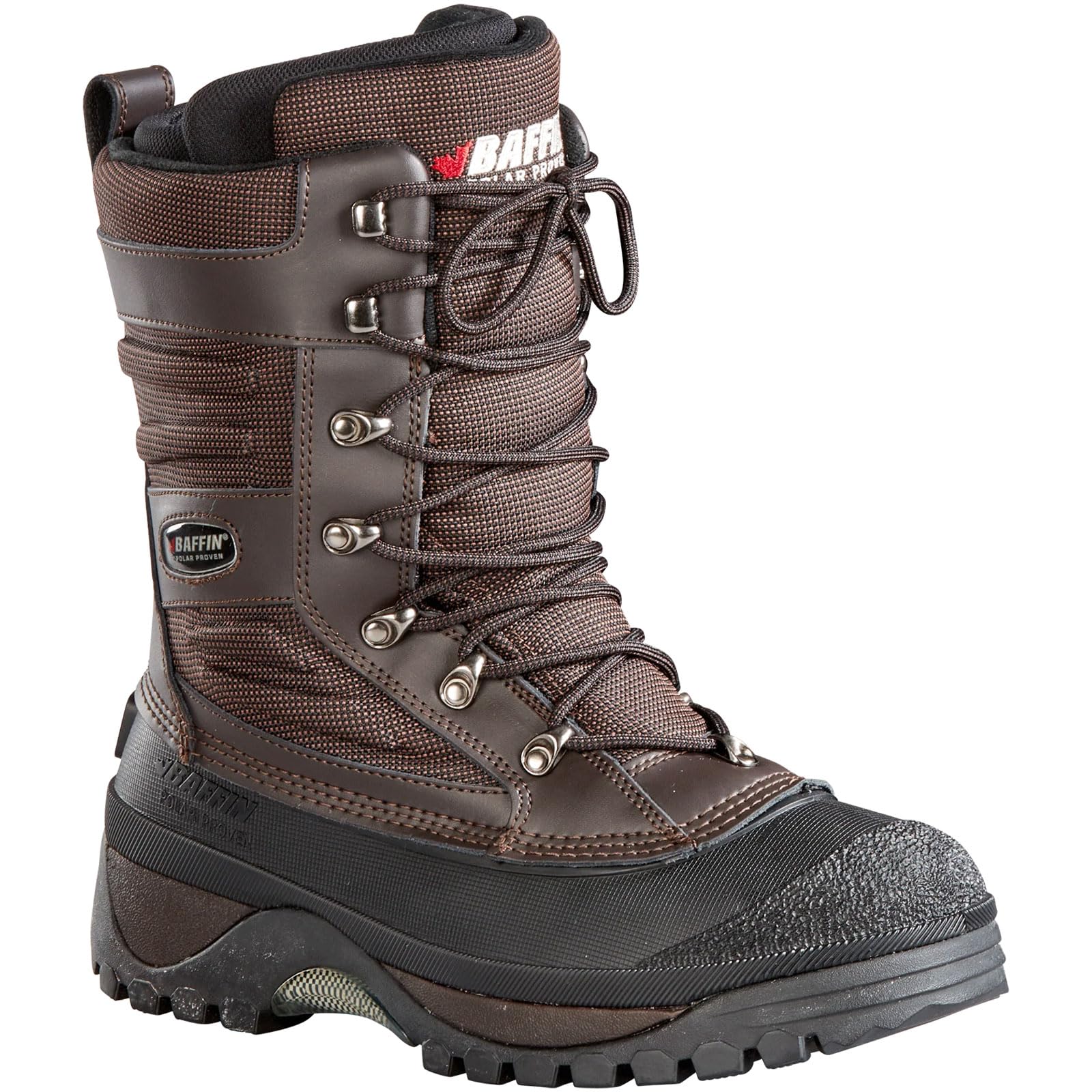

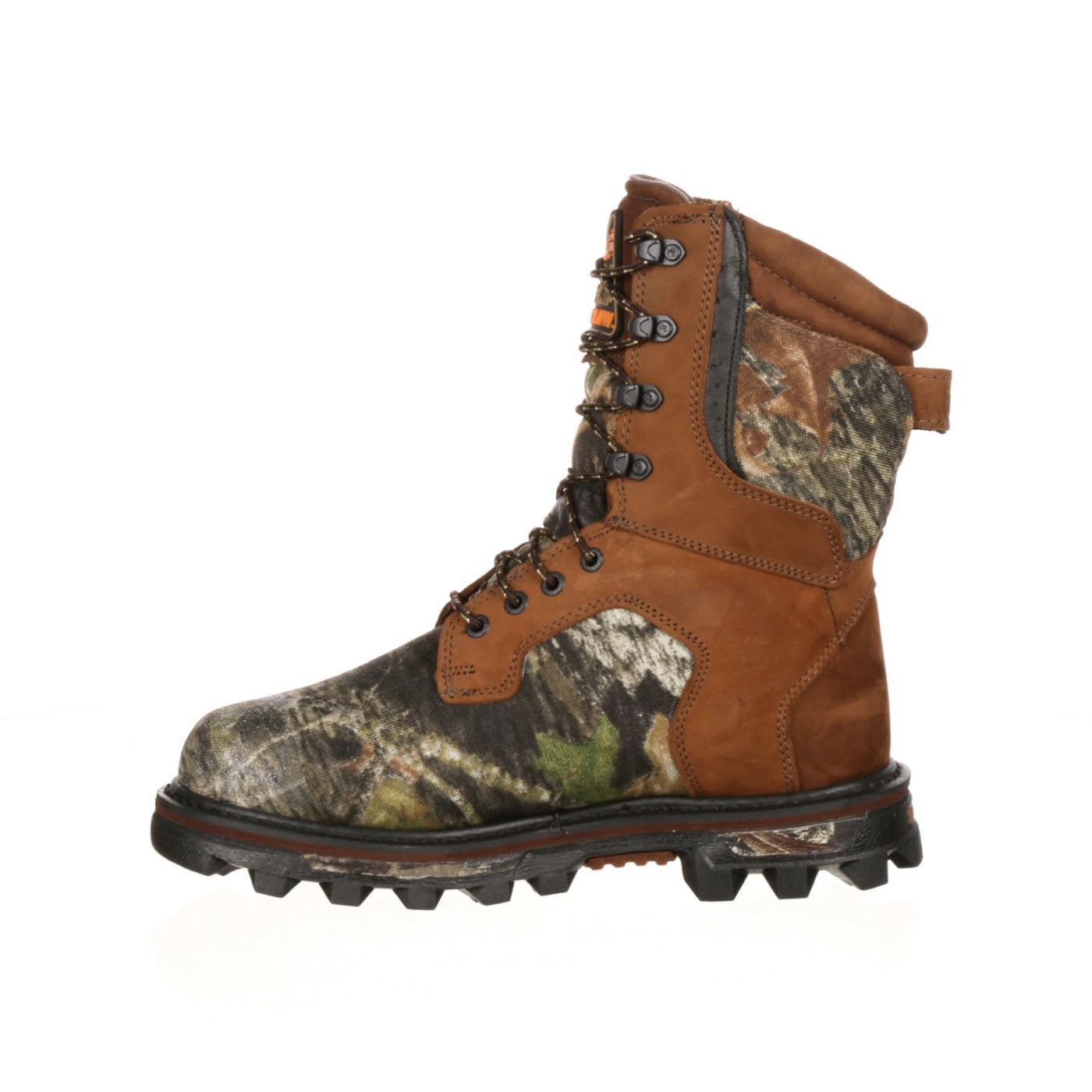


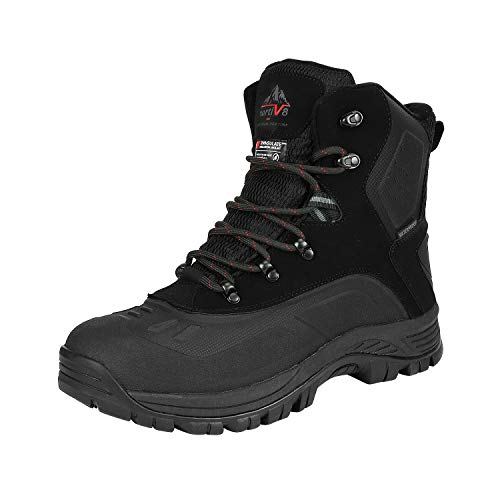

Who Should Buy Which Alaska Hunting Boots?
Pick by the ground you will cover most and the load you will carry. Weather alone is not enough, because distance, pack weight and water depth change what your feet need.
Tundra and Bog Hunters After Moose and Caribou
You walk for miles on soft, uneven ground that holds water in almost every low spot. Choose a tall boot with strong ankle support, a roomy toe box for thick socks and a sole that grips in mud without clogging. A stiff shank helps when you carry meat, because soft ground steals energy from each step. If your focus is tundra travel for caribou, see our guide to the best boots for alaska caribou hunting for more detail.
Mountain Hunters Climbing Steep and Rocky Ground
You climb, side hill and descend with a pack on ground where a slip can end a hunt. Choose a firmer boot with a stiff midsole, a protective toe cap and deep lugs that bite on wet rock and loose soil. Fit matters most here, because heel lift on a climb becomes a blister on the descent.
Coastal and Late Season Hunters in Rain and Snow
You hunt in steady rain, wet brush or snow, often at slow speed or while glassing for long periods. Choose more insulation, a taller shaft and a waterproof build you can trust for creek crossings and saturated ground. Warmth needs change when you sit still, because feet cool faster without steady movement. For broader Alaska travel, see our guide to the best boots for alaska.
Key Features to Compare
Judge every pair in the same order, starting with fit and ending with weight. That order keeps a low price from hiding a boot that will fail on water, cold or steep ground.
Fit, Sizing and Toe Box With Thick Socks
Try boots late in the day, when feet are slightly swollen, and wear the exact socks you will hunt in. Your toes should brush nothing at the front, even when you walk downhill, and your heel should stay put with little lift. Thick socks need about a thumb width of space in front of your longest toe. Men who need wide sizes may also see our guide to the best hunting boots for men.
Insulation and Waterproof Protection
Insulation is sold by weight, often about 200 to 400 grams for active hunts in mild cold and about 600 to 1000 grams for cold, slow hunts. More insulation helps when you sit, but it can overheat feet on long climbs and adds bulk. Waterproof protection should cover the whole foot, with sealed seams and a gusseted tongue that keeps creek water out at the laces.
Upper Materials for Cold, Wet Alaska Country
Full grain leather resists brush and rock and molds to your foot over time, but it needs drying and conditioning to stay supple. Synthetic panels weigh less and dry faster, but sharp rock can wear them sooner. Breathability still matters inside a waterproof boot, because sweat from a long climb can chill feet once you stop. Look for a lining that moves moisture away from your socks.
Ankle Support, Arch Support and Cushioning
A tall, firm upper and a stiff shank protect your ankles when tundra hides holes and when a heavy pack shifts your balance. Arch support should match your foot type, with firmer support for flat feet and a more neutral bed for high arches. Cushioning softens long descents, but a sole that feels too soft on flat ground may feel unstable on a side hill.
Outsole Traction for Mud, Rock and Snow
Lug depth and pattern decide grip more than tread looks alone. Deep, spaced lugs shed mud and bite into soft soil, while stickier rubber and a defined heel brake help on wet rock and steep descents. Snow needs lugs that stay flexible in cold, because hard rubber can skate on packed surfaces. Avoid a flat, worn style sole for mountain use.
Weight, Flex and Break In Time
A pair often weighs about 3 to 5 pounds, and each extra pound costs energy over a full day in soft ground. Stiffer mountain boots protect feet and carry loads well, but they need more break in time. More flexible boots suit flatter hunts and feel ready sooner, yet they give less support under a heavy pack. Match flex to your steepest day.
Boot Types and a Quick Buyer Checklist for Alaska
Three broad types cover most Alaska hunts. Mountain boots are stiff and protective for rock and load carrying. Insulated boots trade agility for warmth on cold, slow days. Tall rubber boots shed water best in bogs, but they offer less ankle support for long climbs. The best alaska hunting boots for you fit your main terrain, not the longest feature list.
Before you buy, answer each point honestly. If a boot fails two or more points, keep looking.
- Can you wiggle your toes freely while wearing your thickest hunting socks?
- Does the heel stay in place when you walk uphill and downhill indoors?
- Is the shaft tall enough for the creek depth and snow you expect?
- Does the insulation level match your season and your activity level?
- Will the lugs suit your main ground, mud, rock or snow, without clogging?
- Can you carry your full pack weight in the boots without hot spots?
- Do you have time to break the boots in well before the hunt starts?
Watch for red flags while you compare. Vague claims about warmth with no insulation weight, no clear waterproof details and a sole with shallow tread suggest a boot built for light use. If you also hunt in milder states, see our guide to the best hunting boots to see how Alaska needs differ.
Common Mistakes to Avoid
- Buying boots in your street shoe size without thick socks leads to numb toes in cold weather.
- Choosing warmth alone for a long climb leaves feet soaked in sweat and colder once you stop.
- Using a low boot for bog or creek country lets water enter over the top on the first crossing.
- Starting a remote hunt in new boots turns a small hot spot into a hunt ending blister.
- Ignoring pack weight when you judge support makes a soft boot feel unstable on the pack out.
- Storing wet boots in a sealed bag invites odor, mildew and damage to leather and glue.
How to Make Your Alaska Hunting Boots Last Longer
After each wet day, loosen the laces, remove the insoles and air dry the boots away from direct heat. Stuffing them loosely with plain paper can help draw moisture from the toe box. Direct heat can crack leather and weaken glue, so patience protects the boot better than speed. Brush off mud once it dries, because grit in seams wears materials with every step.
Clean leather with plain water and a soft brush, then apply a conditioner made for that leather type once the boots are dry. Check laces, seams and lug edges before each trip, and replace worn laces before they fail in the field. Store boots upright in a dry place with air flow.
Alaska Hunting Boots: Your Questions Answered
How long is the break in period for Alaska hunting boots?
Most Alaska hunting boots need about 20 to 40 miles of walking before a remote hunt. Stiff mountain styles sit at the long end of that range, while softer styles may settle sooner. Start with short walks, add pack weight in stages and note any hot spot early. Tape or adjust socks at the first sign of friction, because waiting rarely makes a pressure point disappear.
Do Alaska hunting boots need to be waterproof?
Yes, Alaska hunting boots should be waterproof for most hunts in the state. Rain, bogs, snowmelt and creek crossings can soak feet even on a dry forecast, and wet feet lose heat fast. The one exception is a short, dry interior hunt on firm trails, where a non waterproof boot may breathe better. Even then, carry spare socks in a dry bag.
Can you wear Alaska hunting boots all day on a hunt?
Yes, you can wear Alaska hunting boots all day if fit, support and insulation match your pace. Comfort depends less on soft cushioning and more on a stable heel, room for swelling and socks that stay dry. At camp, loosen the laces and change into dry socks. Elevating your feet for a short rest can also reduce swelling.
Are expensive Alaska hunting boots worth the cost?
Expensive Alaska hunting boots can be worth the cost when the extra money buys better fit, stronger materials and a sole suited to your terrain. Price alone does not guarantee warmth or durability, and a costly mountain boot is poor value for flat bog hunting. Spend first on fit and protection for your hunt type.
How should Alaska hunting boots fit with thick socks?
Alaska hunting boots should feel snug at the heel and midfoot, with clear space in front of your toes when you wear thick socks. You should be able to wiggle your toes, and your toes should not strike the front when you press downhill. If your toes feel fine standing but go numb after an hour, the boot is likely too narrow across the forefoot, not too short.
Final Thoughts
For Alaska, decide in this order: fit with your real socks, protection from water and cold, then traction and support for your ground and load. Use the product table above to compare shaft height, insulation and weight against that order. When you judge best alaska hunting boots by terrain and season first, you are far more likely to reach camp with warm, dry and steady feet.


