
Best Boots Dryer of 2026: Complete Buying Guide
Disclosure: We may earn a commission when you buy through links on this page, at no extra cost to you. As an Amazon Associate I earn from qualifying purchases. Learn more

Choose the best boots dryer for ski, work, and hiking boots by heat, timer, capacity, and noise before you order.
Wet boots are slow to forgive. Leather stiffens, liners grow sour, and a pair that went into the closet damp on Friday can still feel cold and clammy on Monday. A dedicated dryer solves that with gentle warmed air instead of the blast of a hair dryer or a radiator. If you are choosing the best boots dryer for your home, this guide explains the types, the heat and timer specs that matter, and the capacity questions to settle before you order.
You will also find style guidance for ski and snowboard liners, work boots, and everyday winter pairs, plus care tips that keep both the dryer and the boots in good shape. Keep the comparison table below in view as you read and match each spec to the footwear you dry most.



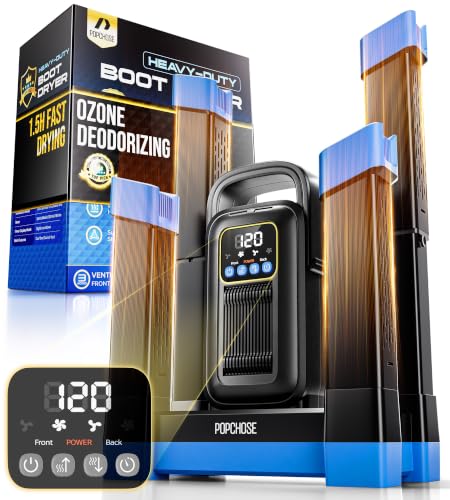
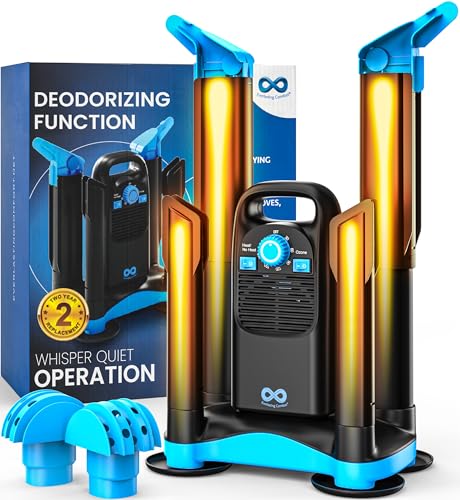
Three Dryer Styles Worth Shortlisting
Boot dryers fall into a few repeatable styles. Shortlist by style first, and the model level choices about timers, tubes, and noise get much easier.
Forced Air With Timer and Heat Settings
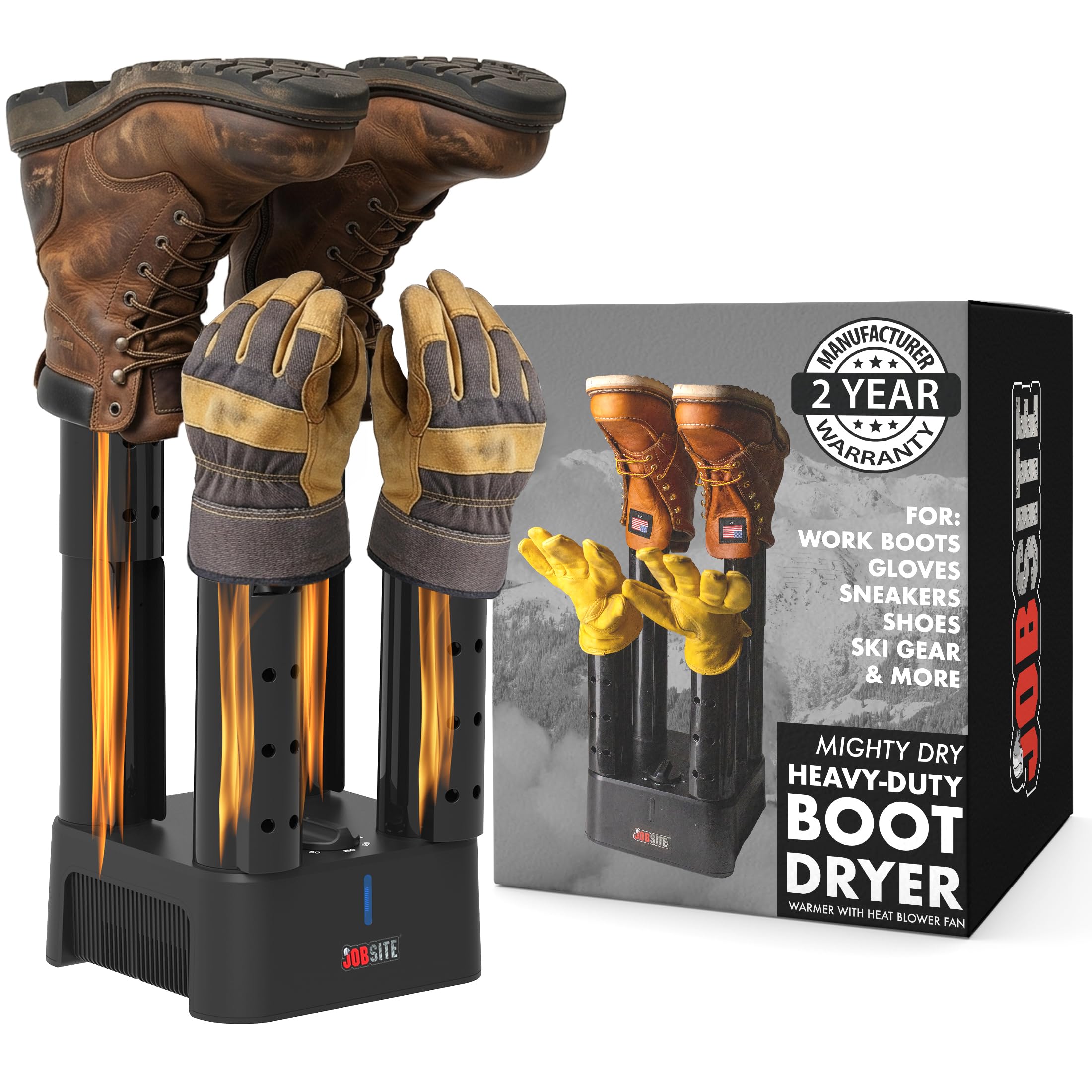
A forced air unit with a fan, a timer, and at least two heat settings handles the widest mix of footwear. Warm air pushed through two or four tubes dries a soaked pair in a few hours, the timer shuts the unit off while you sleep, and a low heat mode protects delicate liners. This style suits households drying ski boots, work boots, and kids snow boots in the same week. Its trade off is fan noise and a counter footprint larger than a basic convection post, so check the dimensions against your mudroom shelf.
Simple Convection Posts
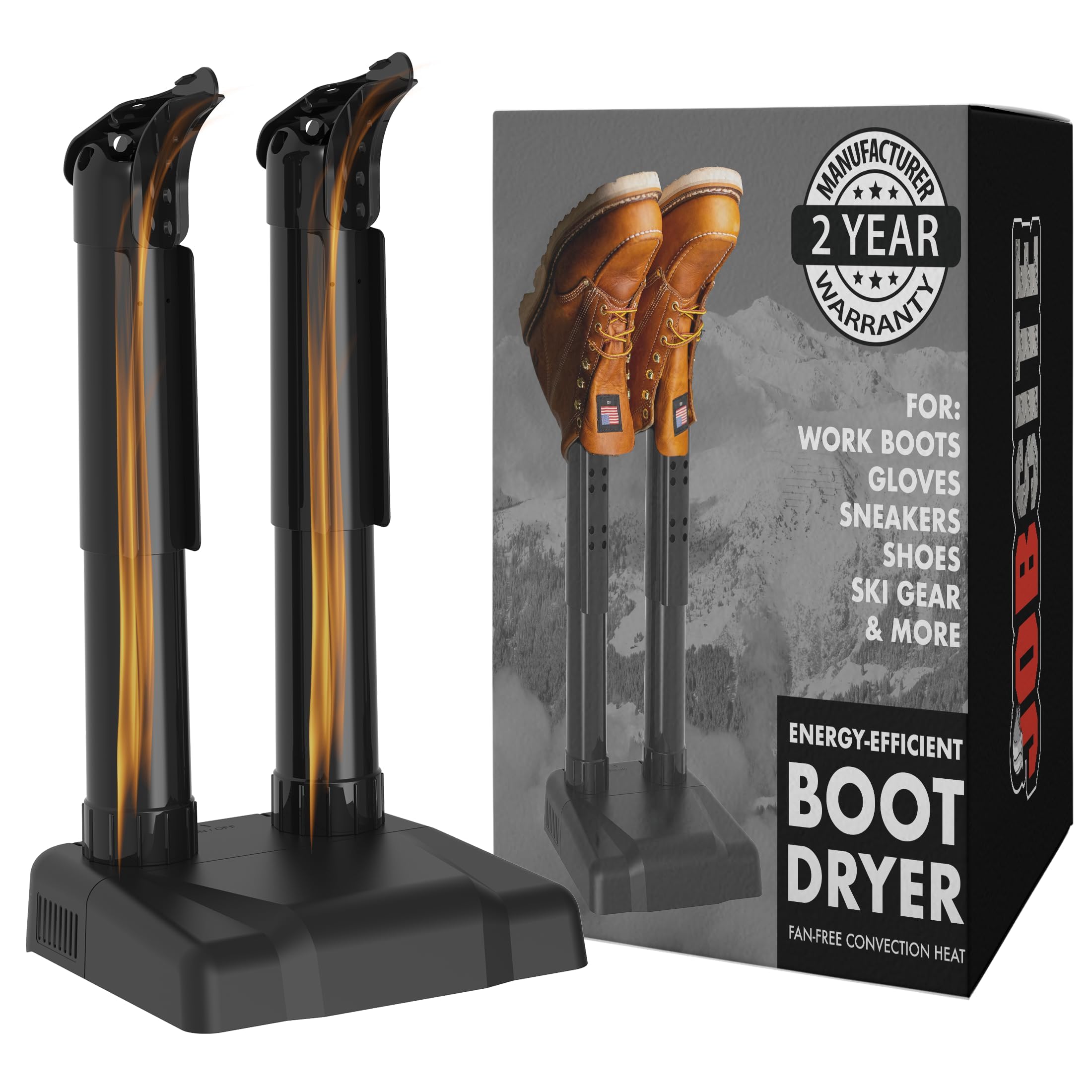
A convection dryer uses quiet rising warm air and no fan at all. It costs less, draws very little power, and runs silently overnight, which suits apartments and light use: damp commuter boots, gloves on accessory posts, and footwear that needs freshening more than rescue. Expect longer sessions, often overnight for a truly soaked pair. The trade off is patience and fewer controls, since most value models offer one heat level and no timer. If your boots get wet daily and must be ready by morning, price the step up to forced air honestly.
Multi Pair Stations With Extensions
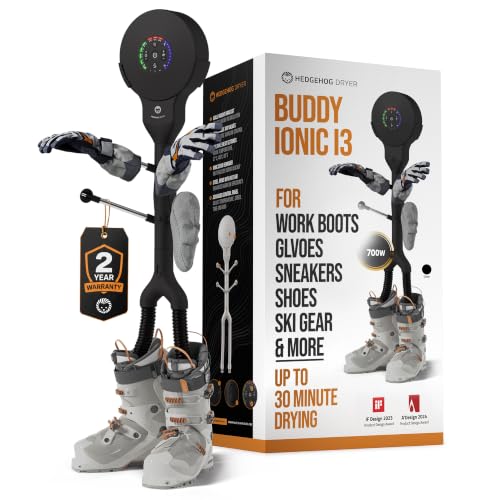
A premium station dries two or more pairs at once, adds tall extension tubes for ski and hunting boots, and may include ozone or ultraviolet odor treatment, glove attachments, and a drip tray. Families with several skiers and workers in wet trades get real value from the parallel capacity. Prices climb into the low hundreds of dollars, so weigh the extras against how many pairs you actually dry each week. The trade off is size: a four pair station needs a permanent home, not a closet corner.
How to Choose the Best Boots Dryer: Buying Guide
This is the working section of the guide. Read each spec with your own boots in mind, because the right answers for a ski household and a construction household differ more than the marketing suggests.
Type: Convection or Forced Air
Convection dryers warm the air around heating elements inside vertical posts, and the air rises through the boot on its own. They are silent, simple, and gentle, but slow. Forced air dryers add a fan that pushes warmed air through tubes, cutting a soaked boot session to a few hours and reaching toes more evenly. Choose convection for overnight drying of damp boots in quiet spaces. Choose forced air when boots come home soaked, when mornings are deadlines, or when thick insulated boots slow natural airflow to a crawl.
Dimensions, Power, and Placement
Measure the spot before you buy: mudroom bench, laundry shelf, or garage floor near an outlet. Check the unit footprint, the height with extension tubes fitted, and whether the base includes a drip tray to catch melt water. Boot dryers plug into a standard household outlet and draw modest power compared with laundry appliances; for context on full size machines, see our guide to the best clothes dryers. Place any dryer on a hard, dry surface with open air around the vents, never inside a closed cabinet while it runs.
Timers, Heat Settings, and Controls
A timer is the control you will use most. Dial or digital timers that run up to about three hours, or overnight settings on convection models, let you start a session and forget it. Two or three heat levels matter if your household mixes sturdy leather work boots with heat sensitive ski liners. Simple indicator lights and a clear off position beat fussy touch panels in a mudroom. If a model offers an odor treatment cycle, treat it as a bonus feature rather than a reason to pay more.
Noise and Vibration
Fan models make a soft rushing sound, roughly like a small room fan on low, while convection models are silent. Noise decides placement: a forced air unit in a bedroom closet will annoy a light sleeper, while the same unit in a garage or laundry room goes unnoticed. Vibration is rarely an issue, but a lightweight unit on a hollow shelf can hum, so a solid surface helps. If the dryer will live near living space, weight silence heavily in your choice and lean toward convection or a fan model with a low speed setting.
Efficiency and Energy Use
Boot dryers are small appliances, so a session costs very little even on a fan model, and most are not covered by the ENERGY STAR program the way laundry machines are. Compare wattage when two models look alike: lower wattage with a timer you actually use beats a powerful unit left running all weekend. Short, complete drying also protects the boots themselves, since leather and liner foams age faster through repeated long damp cycles than through one warm session. Efficiency here is mostly about habits, not headline ratings.
Drying Modes You Will Actually Use
Most owners use two modes: a warm session of one to three hours for soaked boots, and a gentle freshening run for damp liners and gloves. A no heat fan mode, when offered, suits very delicate footwear and summer shoes that only need airflow. Long boots need extension tubes more than they need extra modes, because warm air must reach the toe. Skip models whose extra cycles duplicate what a timer and a heat switch already do, and spend the difference on capacity or build quality instead.
Capacity: Pairs, Ports, and Boot Height
Capacity means three things: how many pairs dry at once, how many ports or tubes the unit has, and how tall a boot it can serve. A two port unit handles one pair; four ports handle two pairs or one pair plus gloves. Ski, snowboard, and chest wader boots need tall tubes or extensions, while low work boots fit standard posts. Count your worst week, not your average day: a family ski trip or a rainy work week is when capacity pays, and a second pair drying tomorrow is a poor answer for this morning.
Types of Boots Dryers
Electric Forced Air Dryers
These are the mainstream choice: a base unit with a fan and heater, two or four tubes, and usually a timer. They dry fastest, handle thick insulation best, and cost from around $50 to around $150 depending on capacity and features. They suit skiers, trades workers, and anyone on a morning deadline. The downsides are fan noise and more parts to keep clean, so wipe the intake vents as part of seasonal care.
Silent Convection Dryers
Convection posts warm boots slowly with rising air and no moving parts. They cost less, sip power, and can run all night in a bedroom or apartment without a sound. They suit damp, not drenched, footwear and patient routines. Their weakness is thick or tall boots, where slow air may leave toes damp by morning, so pair them with insole removal and a head start: start the session as soon as the boots come off, not at bedtime.
Portable and Travel Dryers
Compact inserts and small folding units travel to ski condos, work sites, and hunting camps. Some run on vehicle power or a standard outlet, and most handle one pair at a time with modest heat. They will not match a home station for speed, but dry boots overnight in a hotel bathroom are worth real money on a trip. Check airline and lodge rules if you fly with one, and remember that a portable unit is a companion to a home dryer, not a replacement for heavy daily use.
Picking the Right Dryer for Different Uses
Best Snowboard Boots Dryer
Shoppers hunting the best snowboard boots dryer setup should start with heat control, because many snowboard boots use heat molded liners that high temperatures can distort. Choose a low heat or fan only setting, tall tubes that reach into a stiff high back boot, and enough airflow to dry thick liners overnight between riding days. Pull the liners out when the design allows it, since separated liners dry far faster. Daily drying also fights odor in boots that rarely see fresh air all season.
Work boots ask for the opposite emphasis: higher heat tolerance, sturdy tubes, and capacity for a second pair of gloves or a partner pair. If that is your main use, read our guide to the best boot dryer for work boots for duty focused criteria. Families should simply size up one level, because the week everyone skis or works in the rain is the week a one pair unit fails the household.
Setup and Care Tips
- Remove insoles and loosen everything. Pull insoles out, open laces and buckles fully, and remove snowboard or ski liners when possible; open footwear dries in half the time.
- Shake out water first. Tip out pooled water and blot liners with a towel before the session, and let the drip tray, not your floor, catch the melt.
- Match heat to material. Use low heat for leather and heat molded liners, since repeated high heat dries leather oils and can warp molded foam.
- Use the timer. Set it and walk away rather than running the unit all day; most pairs finish in one to three hours on forced air.
- Keep vents and tubes clean. Wipe dust from intakes monthly in season and check tubes for mud, because airflow is the whole mechanism.
- Observe basic electrical safety. Plug into a grounded outlet on a dry surface, keep the base out of standing water, and unplug before cleaning.
One habit to skip: tossing boots into a tumble clothes dryer. The heat, tumbling, and loose hardware can crack soles, warp liners, and dent the drum and a rigid boot cannot tumble safely. A boot dryer exists precisely because boots need still, gentle, directed air.
Frequently Asked Questions
How long does a boot dryer take to dry soaked boots?
A forced air dryer usually dries a soaked pair in about one to three hours, while a convection model may need most of a night. Boot type drives the range: thin hiking boots finish fast, while saturated insulated work boots and ski liners sit at the slow end. Starting promptly, removing insoles, and using tall tubes when fitted all shorten the session. If a pair still feels damp at the toe, run one more hour rather than raising the heat.
Can a boot dryer damage leather boots or ski liners?
Used correctly, no: boot dryers hold temperatures far below a hair dryer or radiator, in a range leather and liner foams tolerate well. Damage comes from misuse, such as sealing a boot against a blocked tube, choosing high heat for heat molded liners, or leaving a unit running for days. Follow the heat guidance for your footwear, keep airflow paths open, and condition leather on its normal schedule. When a manufacturer gives a maximum heat for a liner, treat that number as a hard limit.
How long does a boot dryer last?
A well kept home unit typically serves for many seasons, and convection models often outlast fan models because they have no moving parts. Fan wear and a cracked tube are the usual failure points, so models with replaceable tubes age more gracefully. Dust in the intake shortens fan life, which is why a quick wipe during the season matters. If drying times stretch while the unit sounds normal, check for blocked vents before assuming the heater has failed.
What capacity boot dryer does a family need?
Count the pairs that come home wet on the same day. One skier or one outdoor worker does fine with a two port unit. Two adults who ski, hunt, or work outdoors should start at four ports, and a family with kids in winter sports should consider a station with glove attachments, since small boots and mittens multiply fast. When in doubt, buy one size up: extra ports cost less than a second unit bought in frustration next season.
Final Thoughts
Settle three things and the choice makes itself: forced air or silent convection, capacity for your wettest week, and heat gentle enough for your most delicate liners. Add a timer, place the unit where wet boots actually land, and the best boots dryer for your home will quietly pay for itself in longer lasting footwear. Compare your finalists in the product table above, and buy for the boots you own today, not a future collection.


