
Best Boot Dryer for Ski Boots of 2026: Complete Buying Guide
Disclosure: We may earn a commission when you buy through links on this page, at no extra cost to you. As an Amazon Associate I earn from qualifying purchases. Learn more

Choose the best boot dryer for ski boots by heat control, airflow, and capacity so liners dry fully at home or away.
Wet ski boot liners steal comfort on the next run and can develop odour if they stay damp overnight. A dryer built for tall, stiff boots solves that problem far better than a radiator or a hair dryer. If you are choosing the best boot dryer for ski boots for your home, lodge trips, or a family ski routine, use this guide to match heat, airflow, and capacity to your boots.
The right choice dries liners fully without cooking the foam or plastic shells. That balance of warmth and moving air is the heart of every section that follows.

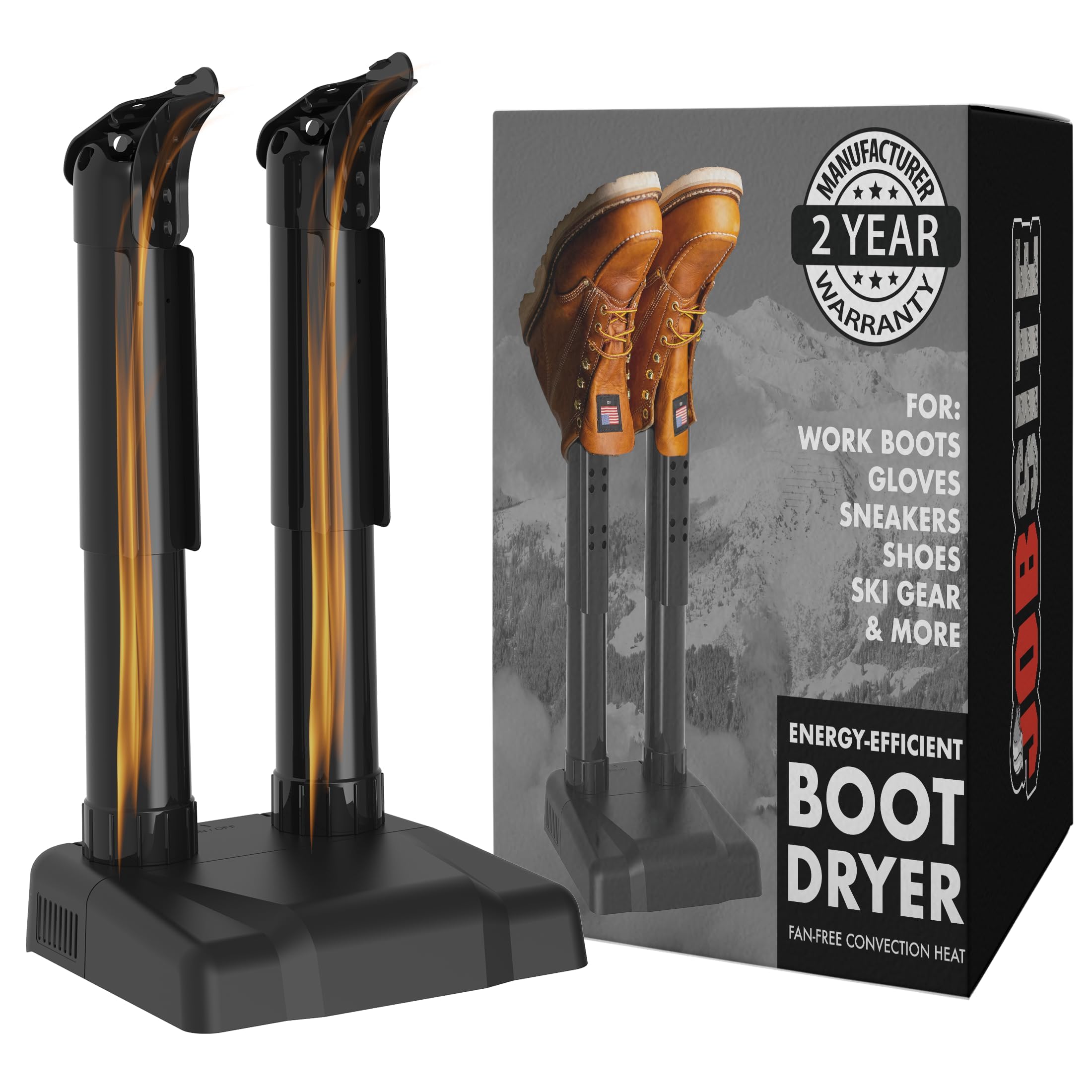
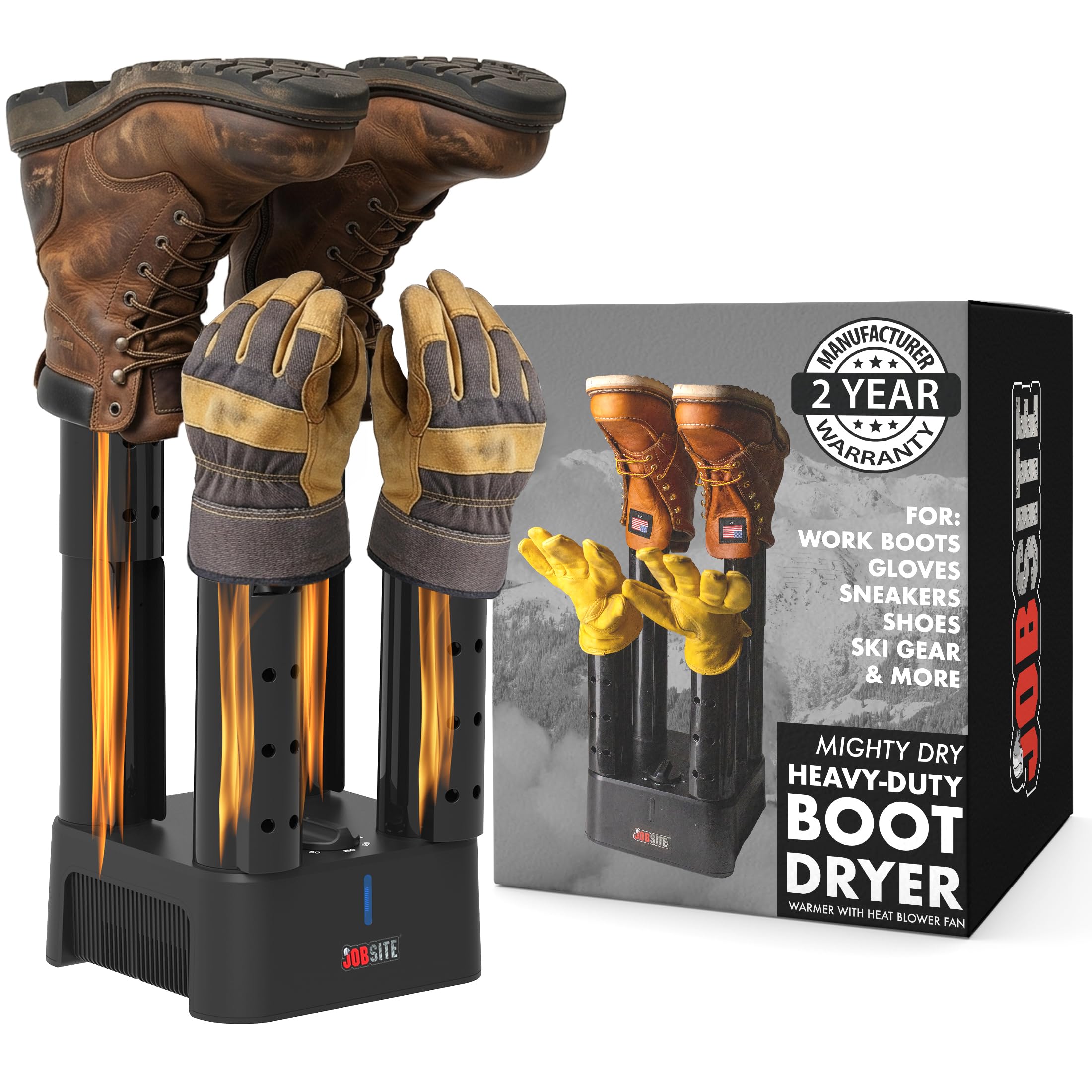


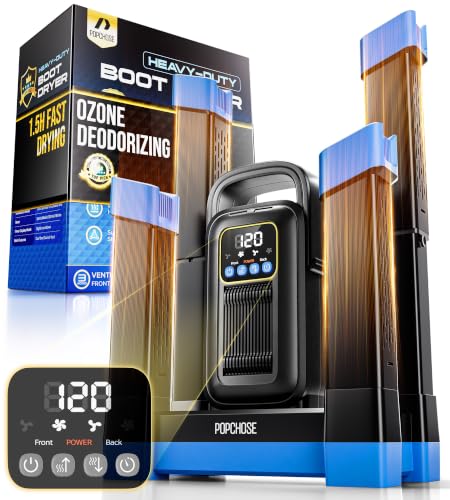


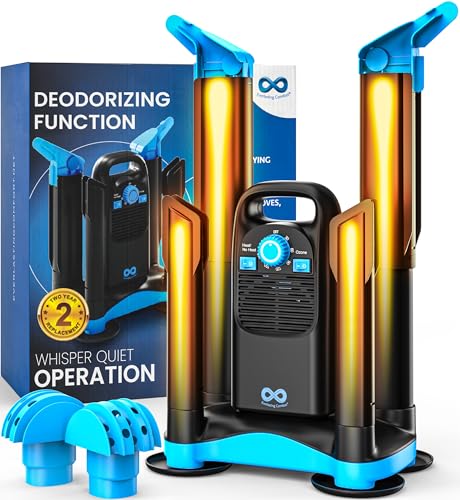
Choosing by Budget and Build Level
Boot dryers span a wide price range, but the differences that matter are airflow strength, heat control, and how many pairs you can dry at once. Use these levels to judge value rather than chasing features you will not use.
Mid Range Level
For most skiers, the best overall choice is a forced air dryer with adjustable tubes that reach deep into ski boots, plus a timer and a gentle heat setting. Expect to pay around $60 to $120 for this level. It dries a pair of boots in about two to four hours depending on how wet the liners are, and it handles gloves or mittens with suitable attachments. This level suits regular skiers who dry boots after most ski days and want reliable results without nursing the process along by hand.
Budget Level
For the best value, look for a simple convection or low powered forced air model around $30 to $60 that still reaches the toe area of a ski boot. These dryers work more slowly, often overnight, but they use little power and run quietly in a bedroom or lodge room. This level suits occasional skiers and anyone drying one pair at a time. Check tube length carefully, because a short tube that suits shoes may leave the toe of a ski boot liner damp, which is exactly where moisture collects most.
Premium Level
Premium dryers, around $120 to $250, add stronger fans, multiple heat settings, digital timers, and capacity for two or more pairs at once. They suit families, ski houses, and keen skiers who dry boots daily through the season. Faster drying matters when several people need dry boots by morning. Even at this level, more heat is not automatically better, because ski boot liners and heat moulded shells can be damaged by high temperatures. Choose control and airflow over raw heat, and value a clear warranty and replaceable tubes or attachments.
How to Choose the Best Boot Dryers: Buying Guide
This is the core of the decision. Work through each factor with your own boots in mind, because ski boots are taller, stiffer, and thicker lined than almost any other footwear you will dry.
Features That Matter for Ski Boots
Ski boots need tubes long enough to deliver air to the toe, since the liner toe stays wet longest. Look for airflow that reaches the full length of the boot and a maximum temperature that stays in a gentle range, roughly around 100 to 120 degrees Fahrenheit at the outlet for heated models. A timer matters because it lets you set the dryer at night and trust it to stop. If your boots have heat moulded liners, confirm the maker of your boots allows heated drying, and use the lowest setting or air only mode when in doubt.
Type and How It Dries
Forced air dryers use a fan to push warm air through tubes into each boot, which dries fastest and most evenly. Convection dryers rely on warm air rising naturally through the boot, which is slower but silent and simple. Radiant and heated insert styles warm from inside the boot and suit travel or very gentle drying. For ski boots, forced air is usually the most dependable choice because the stiff cuff and thick liner resist passive airflow. Choose convection only if quiet overnight drying matters more than speed in your home.
Capacity in Pairs of Boots
Capacity means how many pairs the dryer handles at the same time, not a laundry style volume figure. A single pair unit suits solo skiers and couples who can take turns overnight. A two pair unit suits families and shared ski houses, where morning readiness matters for everyone. Remember that adding pairs can slow drying if the fan and heater are shared, so check whether the stated drying time applies with all tubes in use. If you also dry gloves, liners, or helmets, look for extra ports or attachments rather than improvising with blocked tubes.
Skiers building a full kit may also want to read our guide to the best ski boots so drying care matches the boots you own.
Dimensions, Venting, and Hookups
Check the footprint and tube height against your storage spot, because ski boots are tall and need clearance above the dryer. Most home boot dryers plug into a standard 120V outlet and need no special venting, but they do need open air around the intake so the fan can draw freely. Keep the unit on a hard, dry floor away from puddles of melting snow. If you plan lodge or travel use, a compact model that packs flat and works with a car adapter can be useful, though drying will usually be slower on lower power.
Smart Features
The most useful extra features are a timer with automatic shut off, a choice of heated or air only drying, and a quiet fan mode for overnight use. Digital displays and app controls add little for most skiers, because drying is a set and forget task. An ozone or sanitising feature is sometimes offered to reduce odour, but follow the maker instructions carefully and ventilate the room, since such features are not a substitute for cleaning liners. Prioritise safety features and clear controls over novelty, especially in a busy ski house with children around.
Drying Modes You Will Actually Use
In practice you will use two modes again and again: gentle heat for a few hours after a normal ski day, and air only drying for boots that are barely damp or have delicate liners. A longer overnight setting helps after very wet days or when liners have been washed. Short high heat bursts are rarely wise for ski boots, because foam and adhesives age faster under heat stress. Choose a dryer whose modes match this simple pattern, and you will not miss a long menu of settings that promise more than ski boots can safely use.
Reliability and Repairability
A boot dryer works in a damp, gritty environment, so build quality matters. Look for sturdy tubes that will not crack when stiff boots are pushed onto them, a fan rated for long duty, and a housing that wipes clean. Replaceable tubes and widely available attachments extend the life of the unit. Check the warranty length and whether the maker sells spare parts, because a dryer that fails in mid season is a real problem for daily skiers. Simple designs with fewer electronics often prove easier to keep running year after year.
Types of Boot Dryers
Portable Tube Dryers
Portable tube dryers are small units or inserts that travel well and suit one pair at a time. They are light, pack into a boot bag, and work well in hotel rooms and lodges. Drying is slower than with a full sized forced air unit, so start them as soon as you come off the slopes. They suit occasional skiers and travellers who value packability over speed.
Forced Air Dryers
Forced air dryers use a fan and usually a heater to push warm air deep into each boot. They give the fastest and most even results for thick ski boot liners. Noise and size are the main trade offs, though many models run quietly enough for overnight use in another room. They suit regular skiers, families with larger units, and anyone who needs reliably dry boots by morning.
Gentle Convection Dryers
Convection dryers warm air that rises through the boot without a fan. They are silent, simple, and gentle on liners, which suits heat sensitive boots well. The cost is time, since a soaked liner may need most of a night or longer. They suit patient users, light dampness, and bedrooms where fan noise would disturb sleep. Check tube length with care, because passive airflow needs a clear path to the toe.
Multi Pair Rack Dryers
Multi pair rack dryers hold two or more pairs upright on heated posts or tubes, often with space for gloves as well. They are the workhorse choice for families and ski houses. They cost more and take more floor space, but they end the morning queue for the dryer. If several people ski daily, this type earns its price quickly. Our guide to the best boots dryer options covers similar multi use designs for other footwear too.
Setup and Care Tips
- Remove liners if your boot maker allows it, because separated liners dry faster and more fully than liners left inside stiff shells.
- Shake off snow and loosen buckles and straps before drying, so air can move freely through the whole boot.
- Use gentle heat or air only for heat moulded liners, and stop if the liner feels hot to the touch rather than warm.
- Place the dryer on a dry, hard surface with space around the air intake, and keep cords away from melting snow and walkways.
- Wipe tubes and housing clean after trips, since grit and road salt shorten the life of fans and seals.
- Never leave a heated dryer running unattended for long periods, and unplug it once boots are dry to save power and reduce risk.
For women comparing the rest of their setup, our guide to the best women's ski boots explains fit points that also affect how liners hold and release moisture.
Frequently Asked Questions
What features matter most in boot dryers for ski boots?
Tube length, gentle and controllable heat, and a timer matter most for ski boots. Air must reach the toe of the liner, and heat must stay low enough to protect foam and moulded shells. One extra point is noise, because many skiers dry boots overnight in lodges or shared rooms. A quiet fan mode can matter as much as raw speed, so check any stated noise level or night setting before you buy for travel use.
How long do boot dryers last?
A well built boot dryer typically lasts for many ski seasons, often five years or more with basic care. Fans and heating elements do the hard work, so models with sturdy housings and replaceable tubes tend to last longest. Store the unit dry and clean during summer, because damp storage invites corrosion and odour. If drying times grow longer over the years, clean the intake and check tubes for blockages before assuming the dryer has failed.
Are multi pair boot dryers worth it?
Yes, multi pair dryers are worth it when two or more skiers need dry boots by the same morning. They remove the overnight rotation problem and often dry gloves at the same time. For a solo skier they are usually more capacity and cost than needed. Consider your largest group on a typical trip rather than a rare full house, and remember that a shared fan can slow drying when every port is in use at once.
Forced air or gentle convection: which dries ski boots better?
Forced air dries ski boots better in most cases, because the fan pushes warm air to the toe of thick liners. Convection is gentler and silent, but slower, which can leave very wet liners damp by morning. If your boots have delicate heat moulded liners, forced air on its lowest heat or air only setting gives you speed with control. Match the method to your schedule first, then to your boots, and you will rarely be disappointed.
How many pairs of boots do I need to dry at once?
Most solo skiers and couples need capacity for one pair at a time, since drying can rotate overnight. Families and ski house groups should choose capacity for every daily skier, usually two to four pairs. Count gloves and liners too if you plan to dry them on the same unit. Buying one size up is sensible if your group is growing, but oversizing for rare guests adds cost and bulk you will handle on every trip.
Final Thoughts
Prioritise tubes that reach the toe, gentle controlled heat, and capacity that matches your group, and your boots will start each day dry and comfortable. Chosen on those points, the best boot dryer for ski boots for your routine will protect your liners, cut morning stress, and earn its place in your ski kit for many seasons.


