
Best Agitator Washing Machine Buying Guide for 2026
Disclosure: We may earn a commission when you buy through links on this page, at no extra cost to you. As an Amazon Associate I earn from qualifying purchases. Learn more

Match the best agitator washing machine to your household with clear advice on capacity, wash action, spin speed, features, budget and care.
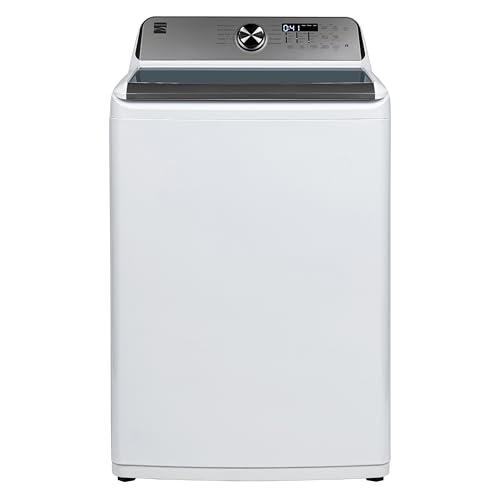
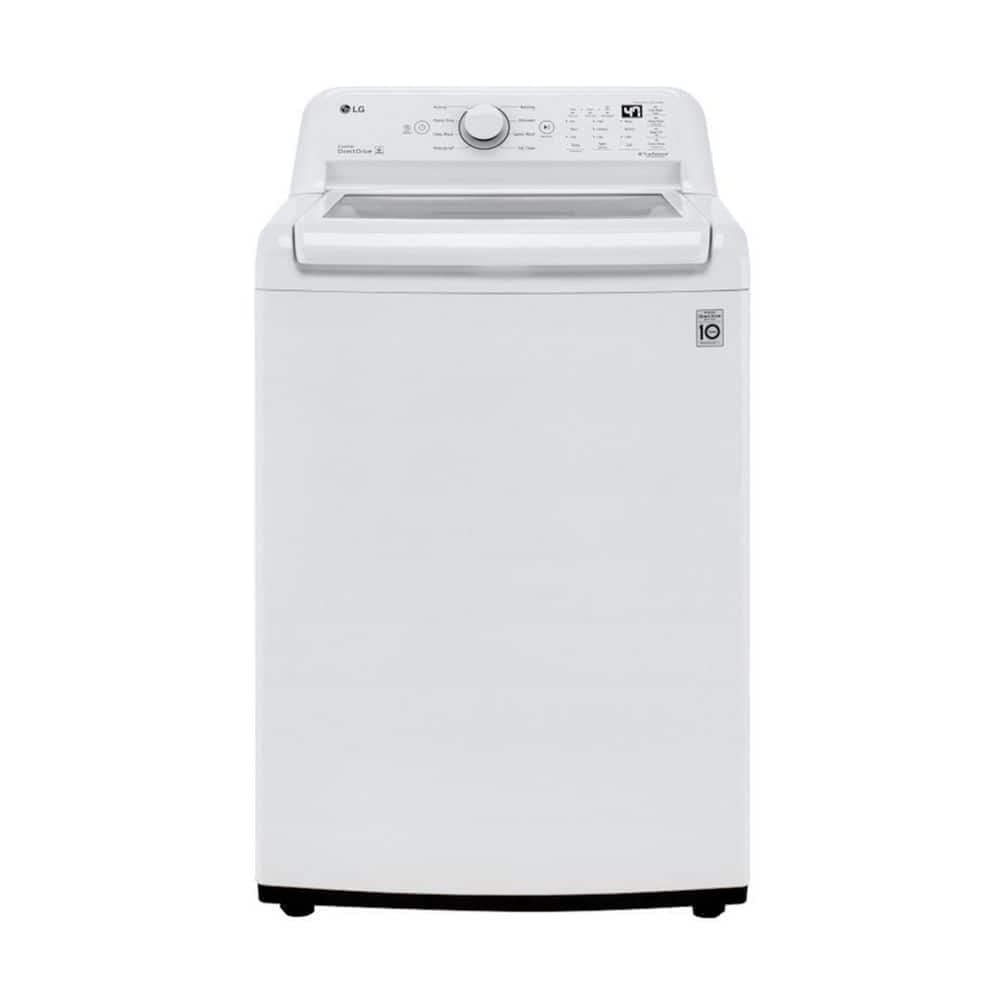
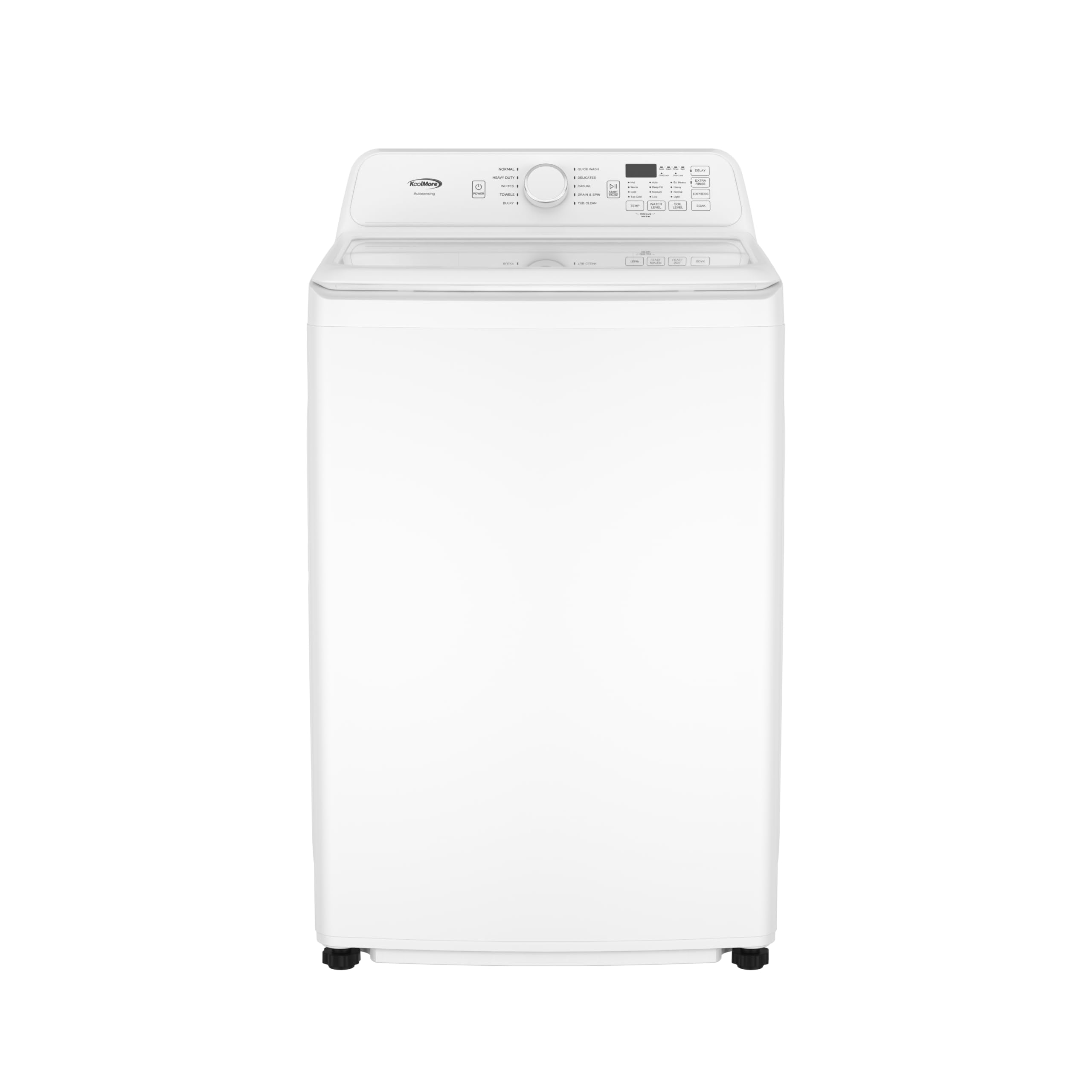
Choosing a washer with a center post can feel confusing because tubs, cycle names, and capacity numbers vary a lot between brands. If you want strong turnover on bulky or heavily soiled loads, the best agitator washing machine for your home is the one that matches your laundry volume, your space, and how much control you want over water and wash time. The product table sums up the main types and sizes so you can narrow your shortlist fast.
This guide explains the differences that actually affect results, from agitator shape and tub depth to soil settings and spin speed. You will also find buying profiles for different households, a clear budget breakdown, and practical care steps that help any agitator washing machine run well for years.




Three Buying Profiles and What to Prioritize
Most shoppers fall into one of three groups, and each group should rank features differently. Start with the profile that sounds most like your household, then use the criteria in the next sections to check specific models against it. This approach is more reliable than chasing a single top rated agitator washing machine label.
Busy family profile: capacity and turnover first
If you wash bedding, towels, sports kits, and school clothes most days, put usable capacity and load turnover at the top of your list. Look for a tub around 4.5 to 5.3 cu ft, a tall dual action agitator that pulls items from the top of the load down to the bottom, and a deep fill or deep water option for bulky loads. A fast spin near 800 rpm helps towels and jeans hold less water, so drying takes less time and energy.
Value focused profile: simple controls and lower running costs
If you want clean clothes without paying for extras you will rarely use, focus on clear dial or button controls, a normal cycle that finishes in about 30 to 45 minutes, and a porcelain or stainless steel tub that resists chips and rust. Skip steam, WiFi, and automatic dispensers if your budget is tight, because those features add cost without changing basic wash performance. A mid size tub around 4.0 to 4.5 cu ft suits most couples and small families well.
Small space profile: fit and flexibility first
If your laundry area is a closet, a small utility room, or an apartment corner, measure first and shop second. Compact agitator models around 24 inches wide and about 3.0 to 3.5 cu ft can handle everyday loads while leaving room for hoses and airflow. A removable or shorter agitator design can help with occasional bulky items, but confirm the lid clears upper cabinets when open. Renters should also check drain and fill hose length before ordering.
How to Evaluate Agitator Washers Without Guesswork
Judge each model on the same six points so your comparison stays fair. Check capacity in cu ft, wash action and agitator style, cycle range and ease of use, cleaning options such as a tub clean cycle, noise and vibration control, and safety listings plus warranty cover for the motor and tub. Manufacturer spec sheets and verified owner feedback are the most useful sources for these points.
Ignore vague claims about power and focus on numbers you can compare. Spin speed, water factor where listed, and estimated yearly energy use tell you more than marketing labels. If a spec is missing from the listing, check the manual on the manufacturer site before you buy.
How to Choose the Right Washing Machine
Size and form factor
Most full size agitator washers are top load models about 27 inches wide, about 42 to 44 inches tall with the lid closed, and about 27 to 28 inches deep. Large capacity versions near 5.0 to 5.3 cu ft suit families who wash king size bedding, while standard models around 4.0 to 4.5 cu ft fit most homes and cost less. If you compare options in our guide to the best top load washing machine, you will see the same width classes, so measure your doorway and laundry space before you choose.
Type and wash action
An agitator uses a center post with fins to move clothes through water, which gives strong turnover on sturdy fabrics and heavily soiled items. A dual action design moves the top section one way and the bottom section the other way, which helps large loads circulate without tangling as much. If you are still weighing the two wash systems, our explainer on agitator vs impeller walks through how each one treats delicate fabrics, water use, and load size.
Features worth paying for
The extras that earn their cost are a soil level control, a deep fill option, a second rinse, and a cycle for bulky or waterproof items that balances the load before spinning. Automatic load sensing saves water on small loads, while a manual water level choice helps when you wash rugs or pet bedding that need full immersion. Steam and WiFi alerts are nice to have, but they matter less than agitator shape, tub size, and a clear quick wash cycle for everyday loads.
Wattage, power and energy use
A typical agitator washer draws about 350 to 800 watts during wash and spin, and most models run on a standard 120 volt outlet. High efficiency agitator models use less water per load than older traditional models, often around 12 to 20 gallons for a normal load, though deep fill settings use more. Look for an Energy Star label if running costs matter to you, and remember that a faster spin cuts dryer time, which is where the bigger energy saving often comes from.
Safety features and certifications
Choose a model with a UL or ETL listing, a lid lock that engages during spin, and automatic balance correction that slows or redistributes an uneven load. Keep small children away from an open tub, never reach inside while the basket is moving, and unplug the machine before you clear a blocked drain pump. If your home has low water pressure or older plumbing, ask a plumber to check the fill valves and drain height before install day.
Laundry space and dimensions
Leave at least 1 inch behind the washer for hoses and about 1 inch on each side if you plan to place a dryer beside it. Check that the lid opens fully without hitting a shelf, and that you can reach the bottom of a deep tub comfortably, because a tub that is too deep can strain shorter users. Our broader guide to the best washing machine is useful if you need to compare top load dimensions with front load or compact formats.
How much should you spend?
Models under $500 are usually basic, with fewer cycles and a smaller tub, and they suit light use or a first rental. Spending about $500 to $800 gets you a larger tub, better balance control, and more useful water level choices for most families. At about $800 to $1000 you gain quieter operation, stronger build quality, and extras such as a removable agitator or a built in faucet for treating stains, while prices above that level mainly add smart controls and premium finishes.
Agitator vs Other Washing Machines: Pros and Cons
The main strength of an agitator washer is direct, vigorous movement that lifts soil from work clothes, towels, and bedding. Cycles tend to run faster than many front load cycles, the lid lets you add a forgotten item early in the wash on many models, and controls are often simple dials that are easy to learn. For shoppers who value that familiar wash action, the best agitator washer is often simpler to live with than a more complex format.
The trade offs are real and worth weighing. Agitator models can be harder on delicate fabrics, the center post takes up some tub space, and traditional designs use more water than impeller or front load models. Front load washers are gentler and stackable, while impeller models give you an open tub and use less water, so your fabric mix and water costs should guide the final call.
Care, Cleaning and Leveling Basics
Wipe the lid, the top of the agitator, and the dispenser area after wet or messy loads, and leave the lid open between washes so the tub can dry. Run a tub clean cycle about once a month, or follow the steps in our guide on how to clean a washing machine if your model has no dedicated cycle. Check fill hoses every year for cracks or bulges and replace them about every five years.
A washer that rocks or walks across the floor is usually out of level or sitting on a weak floor. Place a level on the top edge front to back and side to side, adjust the front feet until the bubble sits centered, then lock the feet in place with the nuts provided. Most models have self adjusting rear feet, so lift the back slightly and set it down to let them settle before you test again with a small load.
FAQ
What is the best agitator washing machine for a large family?
The best choice for a large family is a large capacity agitator model around 5.0 cu ft with a dual action post and a deep fill option. That size handles bedding and towel loads without constant splitting, which saves time across the week. Check the tub depth against the reach of the person who does most of the laundry, because the largest tubs can be hard to unload for shorter users.
Are agitator washing machines worth it for everyday laundry?
Yes, agitator washing machines are worth it if you wash sturdy fabrics and heavily soiled loads and you prefer shorter, simple cycles. They cost less to buy than many front load models and repairs tend to be straightforward. Choose a high efficiency version with load sensing if water bills concern you, since that design keeps the strong wash action while using far less water on small and medium loads.
How do you clean an agitator washing machine tub?
Run the tub clean cycle with hot water and a washer cleaner tablet, or use the manual method if your model has no cleaner cycle. After the cycle ends, lift out any removable dispenser parts, rinse them, and scrub the area under the agitator cap where lint and residue collect. That under cap spot is missed by most routine cleans and is a common source of stale smells.
How long do agitator washing machines last with normal use?
Most agitator washing machines last about 10 to 14 years with normal use and basic care. Life shortens when loads are often unbalanced or the machine is regularly packed past the top of the agitator. For a fuller picture of repair versus replace timing, see our guide on how long do washing machines last, which covers the warning signs that a washer is near the end of its service life.
How do you level an agitator washing machine that vibrates?
Level the washer by adjusting the front feet with a wrench until a level reads flat in both directions, then lock each foot with its nut. Run a spin test with a few towels and watch the corners, because a machine can read level at rest yet still rock under load if one foot is loose. Rubber anti vibration pads under the feet are a useful extra step on wood floors.
Final Thoughts
Match the tub to your biggest regular load, pick the agitator style that suits your fabrics, and spend on water control and balance features before smart extras. The product table pulls those points together so you can compare sizes and feature sets at a glance. When you choose the best agitator washing machine for your space, budget, and laundry habits, you get strong cleaning without overpaying for features you will not use.


