
Best Boot Socks for Cowboy Boots: Fit, Fabric, and Cushion
Disclosure: We may earn a commission when you buy through links on this page, at no extra cost to you. As an Amazon Associate I earn from qualifying purchases. Learn more

Choose the best boot socks for cowboy boots by shaft height, fabric, cushion, and fit so your boots stay comfortable all day.
Cowboy boots have a tall, stiff shaft, a snug instep, and leather that rubs the calf with every step. Ordinary ankle socks slide down, bunch at the heel, and leave blisters. The right sock stays up, cushions the shin and heel, and moves moisture away. This guide explains how to choose the best boot socks for cowboy boots by length, fabric, cushion level, and fit.
The product table lists current options. The sections below explain what to look for so you buy socks that actually work inside a western boot.
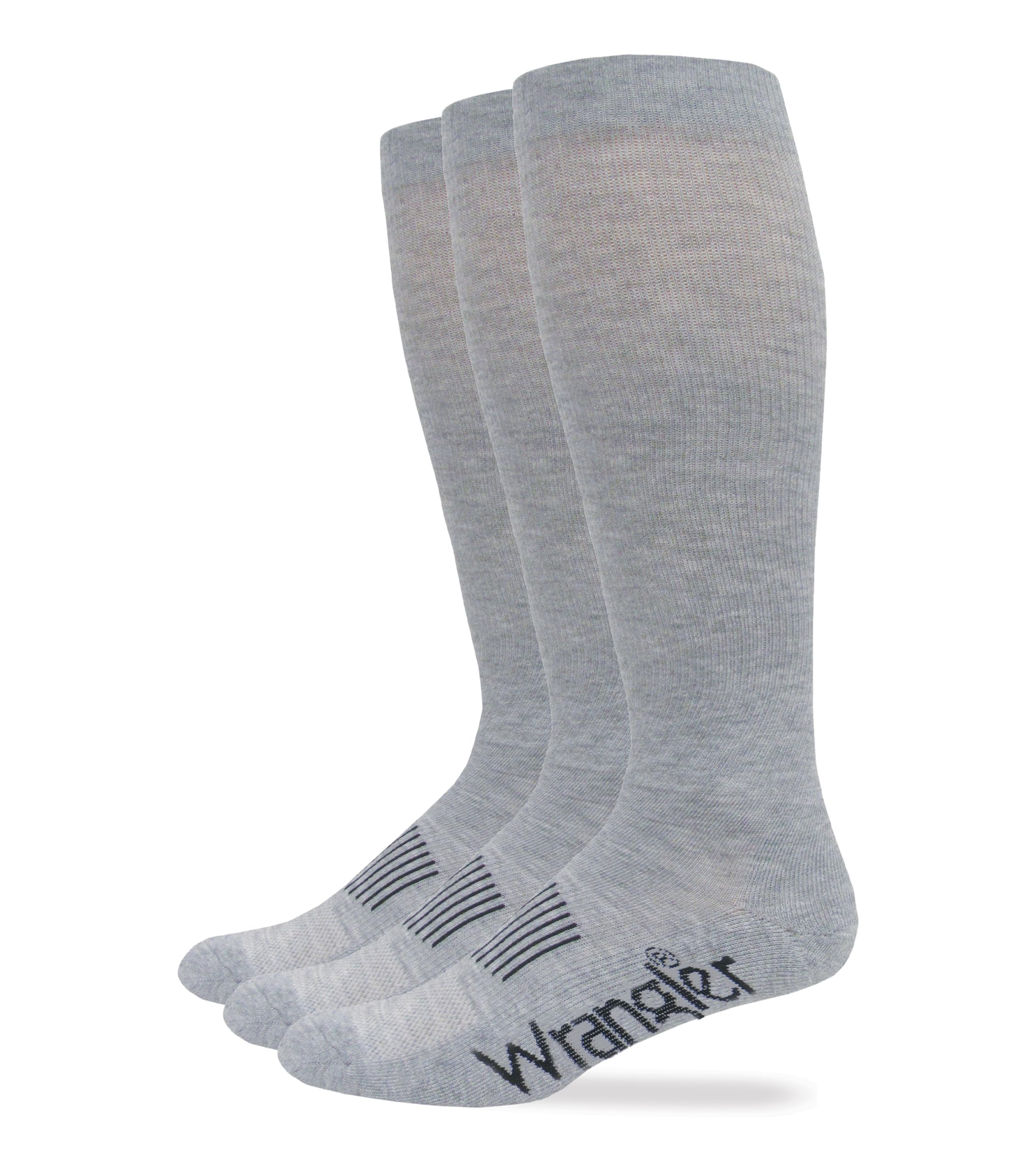


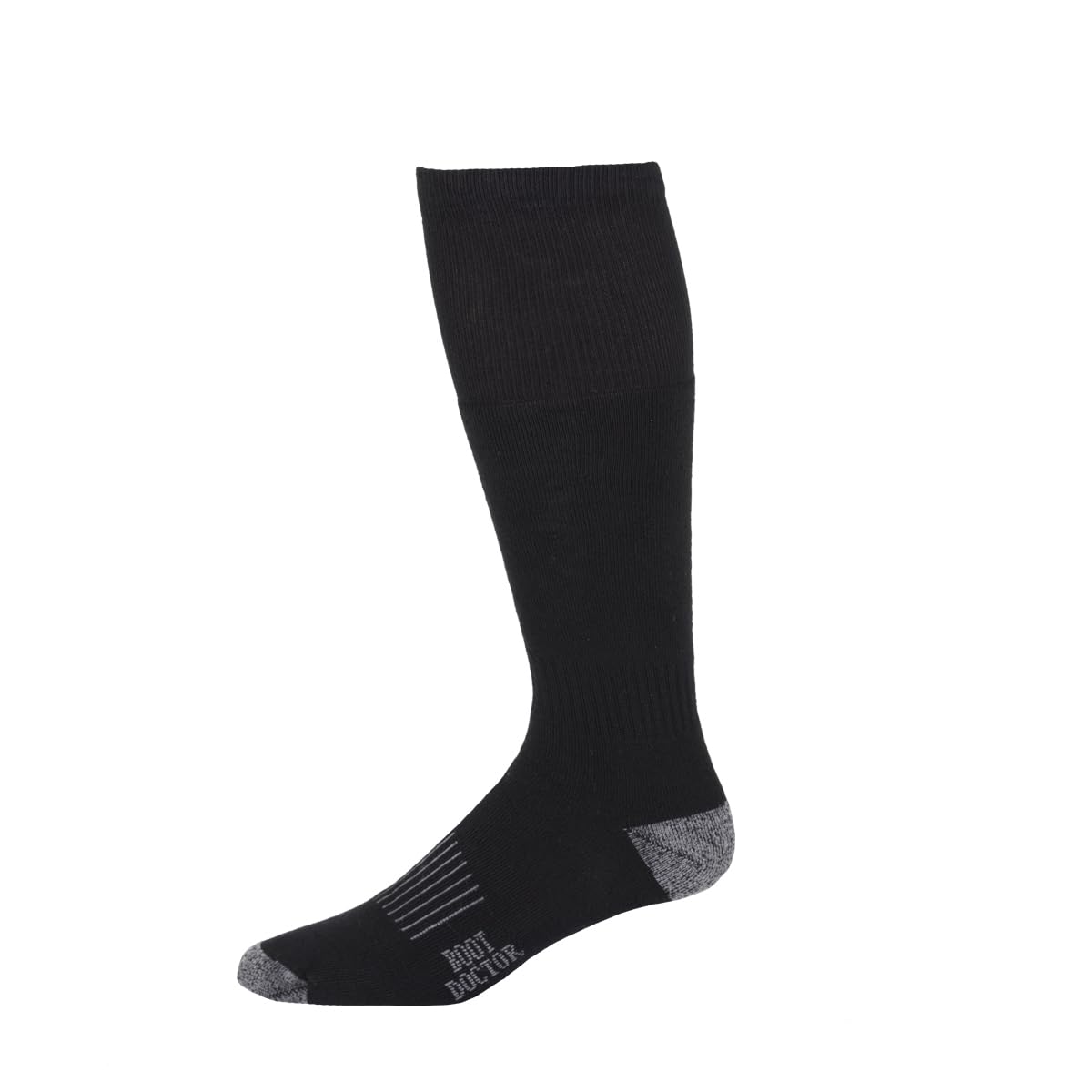
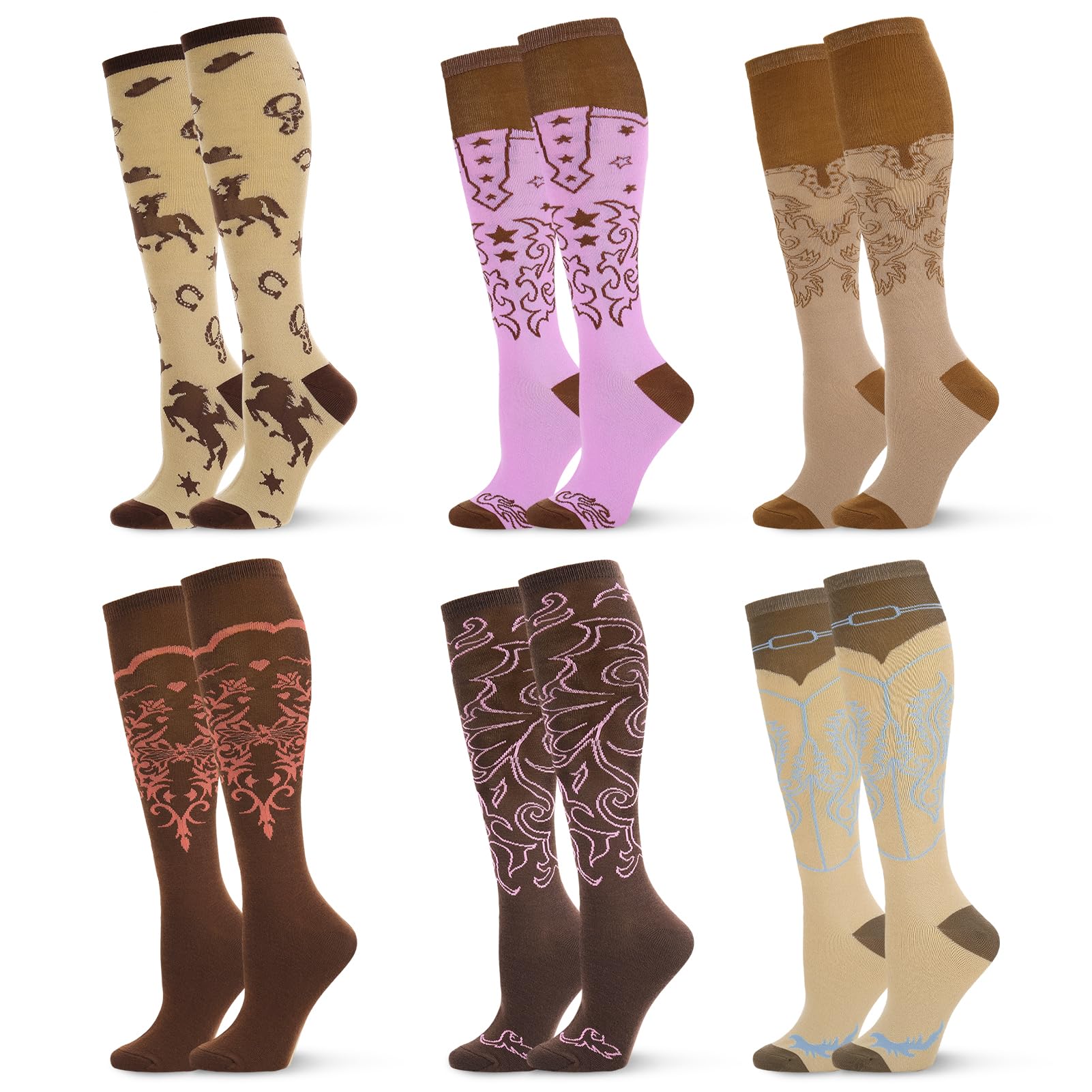

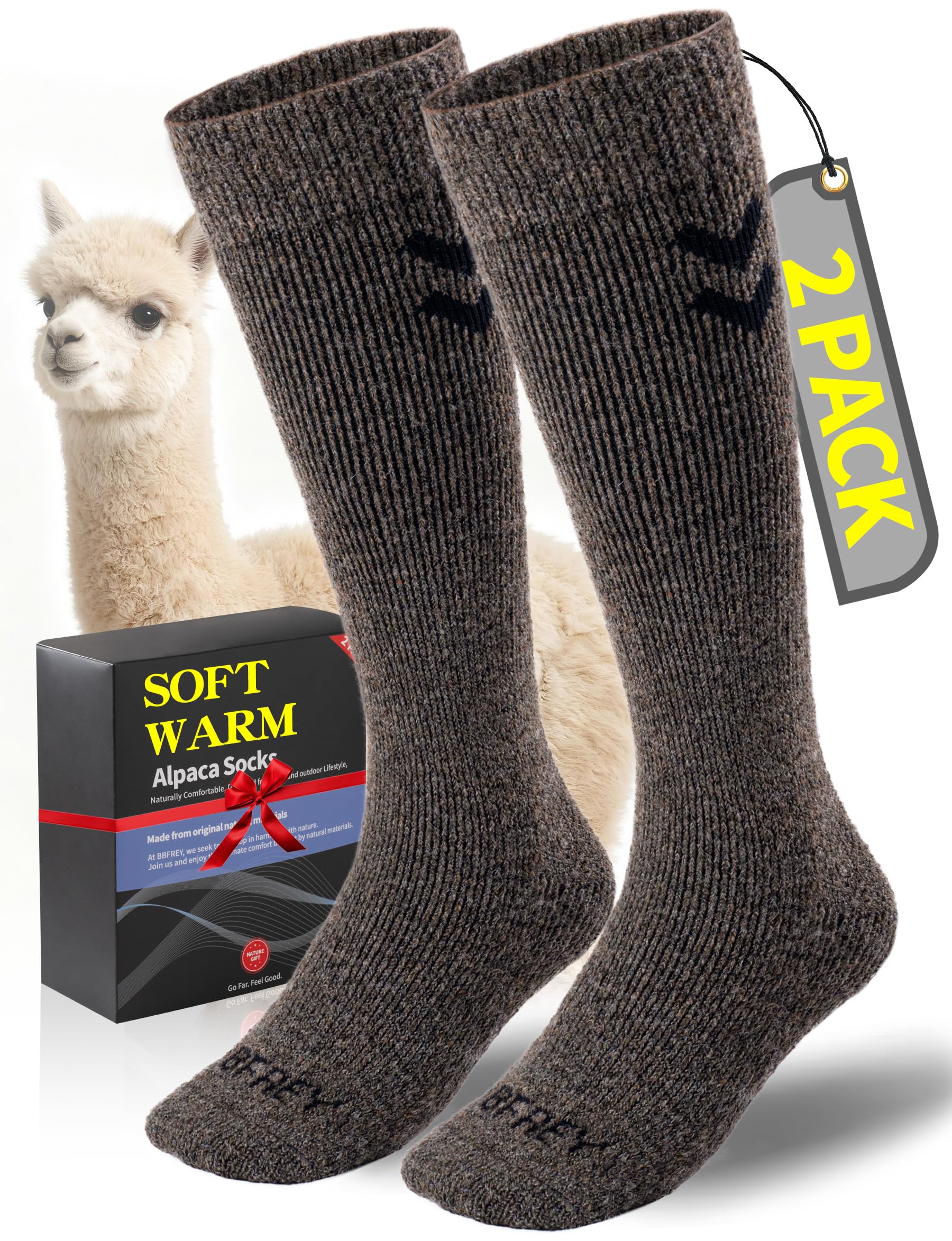
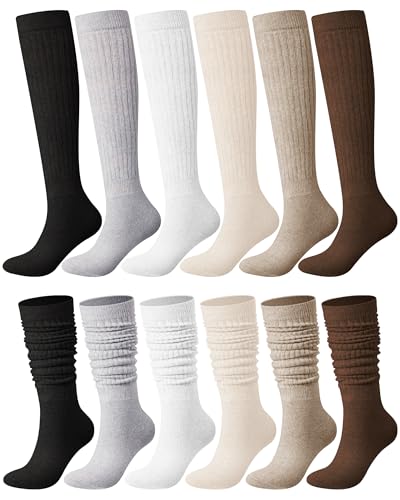
Why Cowboy Boots Need Their Own Socks
A western boot is rigid and closed. It has no laces to adjust, so the sock has to do the fitting work. Inside the boot, the shaft rubs against the lower leg, the heel counter grips the back of the foot, and the toe box can feel snug. A sock that is too short exposes the calf to leather, one that is too thin lets the foot slide, and one that is too thick can make a tight boot painful. Good boot socks are tall, seamless where it counts, and designed to handle sweat.
Types of Cowboy Boot Socks
Over the calf socks
These reach just below the knee and are the classic choice. They stay above the boot shaft, so the leather never touches bare skin. They suit most men and women who wear tall western boots.
Mid calf and crew socks
Shorter socks suit shorter ropers and ankle-height western boots. They are cooler in summer, but they leave the calf exposed in a tall shaft.
Lightweight dress socks
Thin, smooth socks suit dress boots and tight fits. They give less cushion but keep the boot comfortable for office or event wear.
Heavy cushion and thermal socks
Thick wool or wool blend socks suit cold mornings, long rides, and roomy boots. Avoid them in a snug boot, because they add bulk.
Moisture wicking summer socks
Blends of nylon, polyester, and cotton or merino move sweat away from skin. They suit hot weather, barn work, and long days.
Sock Types at a Glance
| Type | Best For | Watch For |
|---|---|---|
| Over the calf | Tall western boots, daily wear | Elastic that is too tight at the top |
| Mid calf or crew | Short ropers, summer | Shaft rubs the calf |
| Lightweight dress | Dress boots, snug fits | Little cushion |
| Heavy cushion or thermal | Cold weather, long rides | Too bulky for snug boots |
Key Features to Compare
Height
The sock should extend above the top of the boot shaft. Over the calf styles stay up with a gentle band, so the shaft never rubs bare skin.
Fabric
Merino wool regulates temperature and resists odor. Cotton blends are soft but hold sweat. Nylon and polyester blends add durability and dry quickly. Look for blends that include a small amount of spandex to hold the shape.
Cushion placement
Extra padding at the heel, ball of the foot, and shin protects the places where a stiff boot pushes hardest. Too much cushion can make a snug boot tight, so match thickness to your boot volume.
Seams and toe
A flat or seamless toe prevents rubbing inside a pointed or square toe. Check that the heel is shaped, not tubular, so it does not bunch.
Top band
A band that grips without cutting off circulation keeps the sock from sliding down. If the band leaves a deep mark on your calf, look for a wider or softer band.
How to Get the Fit Right
- Try new socks with the exact boots you plan to wear.
- Pull the sock up smoothly so there are no wrinkles at the heel or toe.
- Walk around the house for a few minutes and check for bunching behind the ankle.
- Make sure your toes can move and that the boot closes without forcing.
- Switch to a thinner or thicker sock if the boot feels too loose or too snug.
Match your sock size to your shoe size range. A sock that is too small stretches thin and wears quickly, and one that is too large bunches.
Choosing the Best Boot Socks for Cowboy Boots by Activity
For ranch work and barn chores, pick durable over the calf socks with reinforced heel and toe, since dirt, spurs, and stiff leather wear out thin socks quickly. For riding, choose smooth socks with a flat toe and no bulky seams, because anything lumpy will rub in the stirrup. For dancing and events, a thin, soft sock keeps the boot light and the fit close. For hunting and cold weather, choose merino or alpaca blends that insulate even when slightly damp. If you wear your boots to the office, a thin dark dress sock hides under trousers and still protects the calf.
Women who wear shorter shafts or fashion western boots can use mid calf or slouch styles, while knee high cowgirl boots call for a taller sock that matches the shaft. Kids grow fast, so multi-packs make more sense than a single expensive pair.
Care and Replacement
Wash socks in cool or warm water and air dry when you can, since high heat can shrink wool blends and loosen elastic. Turn them inside out to protect the cushioned areas. Rotate at least three pairs so no single pair wears out quickly. Replace socks when the heel thins, the elastic loses its grip, or the cushion flattens, often after a year of regular wear.
Choosing by Budget
Multi-packs of cotton blend boot socks often cost about $15 to $25 for three pairs. Merino and alpaca wool socks run about $20 to $40 per pair. Spend more on wool for cold weather and long days, and save money with a multi-pack for everyday wear. Fit and height matter more than a brand name.
Common Mistakes to Avoid
- Wearing ankle socks that let the shaft rub the calf.
- Choosing thick socks in a boot that is already snug.
- Buying socks with a tight top band that cuts into the leg.
- Wearing cotton-only socks in hot weather and letting sweat build.
- Skipping the try-on with your actual boots.
Related Guides
For related reading, see our guides to the best men's socks for cowboy boots, the best thick socks for cowboy boots, the best socks for cowboy boots summer, the best socks to wear with women's cowboy boots, and the best socks for boots.
Frequently Asked Questions
How tall should cowboy boot socks be?
Choose over the calf socks for tall western boots, so the sock stays above the top of the shaft. Shorter ropers can take mid calf socks.
Are wool socks too hot for cowboy boots?
Lightweight merino wool is not hot. It moves moisture away and regulates temperature, so it works in summer as well as winter. Heavy wool suits cold weather.
Should I wear thick or thin socks in cowboy boots?
Match the sock to the boot fit. A snug boot works better with a thin or midweight sock, and a roomy boot can take a thicker cushioned one.
Why do my socks slide down inside my boots?
The sock is probably too short, too large, or has a weak top band. Try a taller sock in your correct size with a grippy band.
How often should I replace boot socks?
Replace them when the heel thins, the elastic loosens, or the cushion flattens. That usually happens after about a year of regular wear.
Final Thoughts
Choose a sock tall enough to cover the shaft, with a fabric that handles sweat and cushion where your boot pushes hardest, and the best boot socks for cowboy boots will keep you comfortable from morning to night. Check the product table above for current options and try new pairs in your own boots.


