
Best Bookshelf Speakers under 50: Our 2026 Checklist and How to Choose
Disclosure: We may earn a commission when you buy through links on this page, at no extra cost to you. As an Amazon Associate I earn from qualifying purchases. Learn more

Use a clear checklist to judge the best bookshelf speakers under 50 by sound, build, inputs, and value, with red flags and setup advice before you buy.
At this price, marketing claims grow as budgets shrink, and a checklist is your best defense. This guide gives you a clear scoring method for the best bookshelf speakers under 50 dollars, with pass and fail thresholds you can apply to any listing in minutes.
You will see what realistic sound looks like at this level, which specs to check first, and which warning signs should send you back to searching. Use the comparison table below with the checklist beside it, and score each option as you read.


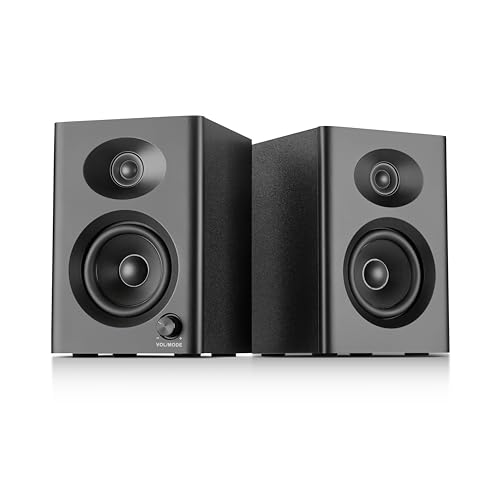
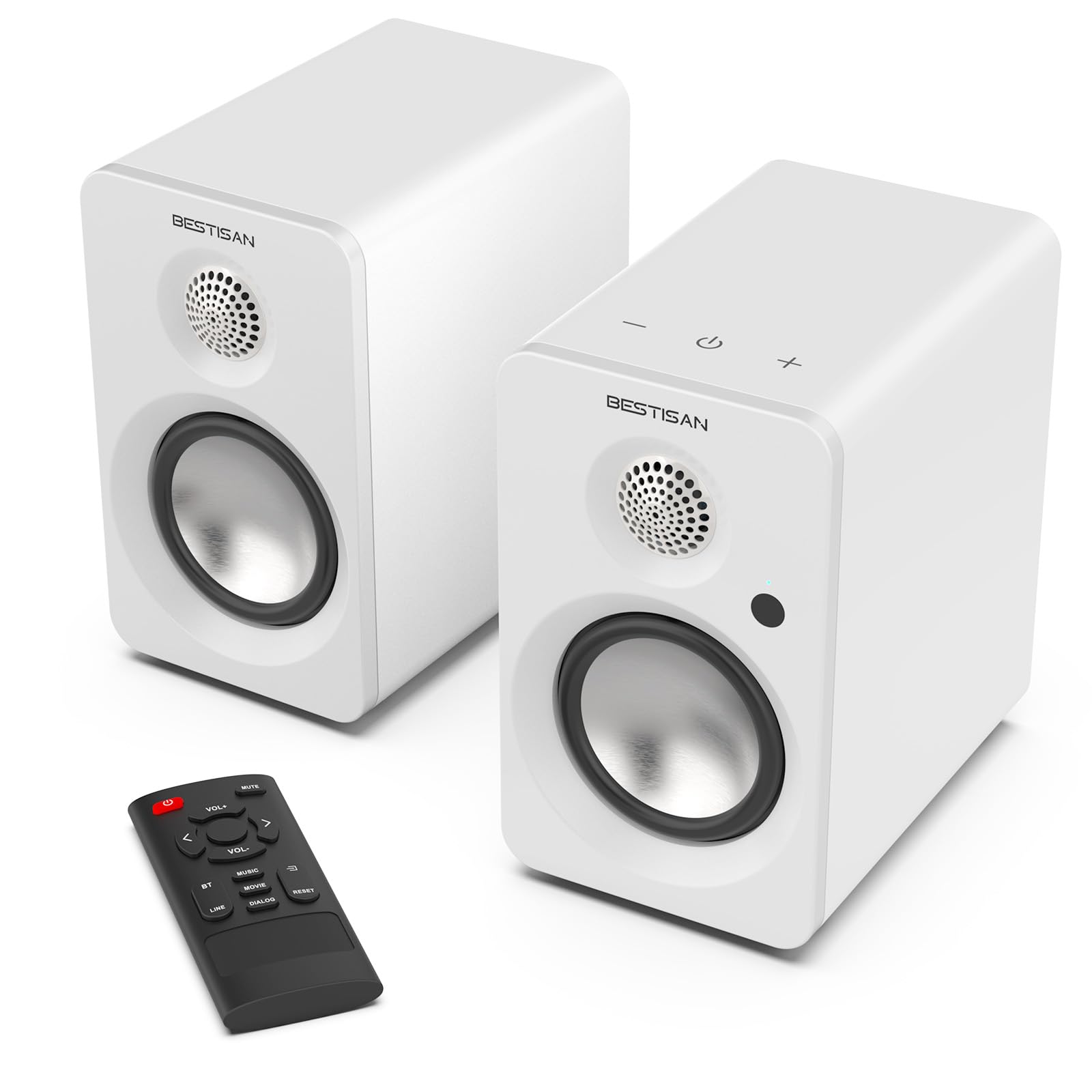
How to Evaluate Bookshelf Speakers
What You Can Realistically Get Under $50
Under $50, a pass means honest basics: a pair of compact cabinets, a small woofer with a separate tweeter or a decent single driver, and enough power for a desk or small bedroom. Expect to give up deep bass, remote controls, and premium finishes. Around $50 is the ceiling, and many pairs sell closer to around $35 to $45. Fail any model that promises room filling cinema sound at this price, because physics does not allow it.
Sound Quality and Tuning
Score sound by clarity first. Voices should stay intelligible at low volume, and music should not turn harsh when you raise it. A woofer around 3 to 4 inches is normal here, and frequency response claims deserve skepticism unless the brand states a tolerance. A balanced tuning that avoids booming bass passes, because boosted low end at this size usually masks dialogue. If a listing leads with wattage numbers in the hundreds, treat that as a red flag rather than a strength.
Ecosystem and App Features
Most pairs at this price have no app at all, and that is fine. A pass is simple, reliable control: a volume knob you can reach, clearly labeled inputs, and Bluetooth that pairs without repeated attempts if wireless is included. Firmware updates are rare in this tier, so judge the speaker as it ships. Fail models that require an app for basic volume or input switching, because app support for budget gear often ends quickly.
Connectivity: Bluetooth Version, Codecs, and Wired Inputs
A wired input is the must have at this price, because it guarantees sound from any source with no pairing fuss and no delay for video. Bluetooth 5.0 or newer is a welcome bonus for phone streaming, and multipoint connections are rare enough that you should not expect them. Codec support beyond the standard is a minor point through small drivers. Score connectivity by this order: a reliable wired input first, stable Bluetooth second, extra ports third.
Size, Weight, and Desk Fit
Fit is a real scoring factor because budget pairs often serve on desks and dorm shelves. Measure your space, including depth for cables behind the cabinet. Light cabinets are easy to move but can vibrate on a desk at higher volume, so foam pads help. A pass is a pair that fits with the tweeters near ear height and leaves room for your monitor and keyboard. Fail any pair you would have to lay on its side, because that ruins stereo imaging.
What Passing Models Look Like: Three Profiles
Rather than naming winners, use these three profiles to label any model in the product table above. A pair that matches one profile cleanly is a safer buy than a pair that claims to do everything.
Best Overall Profile
The best overall profile balances the checklist: clear midrange, a wired input plus Bluetooth, a sturdy cabinet, and a power adapter rather than USB only power. It suits a desk or bedroom that handles music, video, and calls. The compromise is bass depth, which stays modest. If a pair scores well on sound, build, and connections at once, it earns this label even if its spec sheet looks plain.
Best Value Profile
The best value profile trims features to protect sound. It may skip Bluetooth or a remote, but it keeps a proper tweeter, a solid cabinet, and honest power ratings. This profile suits a buyer with one main source, such as a computer or a record player setup with its own controls. The saving versus flashier listings is real, and the sound is often better because the money went into drivers instead of lights and extras.
Best for Heavy Use Profile
The best profile for heavy use favors durability: protected drivers, strong cable connections, and simple controls with nothing delicate to break. It suits shared spaces, workshops with dust kept at a distance, and family rooms where volume knobs get daily use. Expect a plainer finish and fewer inputs. Long warranty support, even one extra year, counts heavily here because replacement cost matters most to heavy users.
For wider context while you score, the best speakers under 50 category shows how single box and portable designs spend the same money, and the best speakers for pc under 50 listings focus on the desk use case that dominates this tier.
Quick Buyer Checklist
- Does the pair include a wired input that matches your main source?
- Is there a separate tweeter, or a clear explanation of the driver design?
- Does the price leave room for any cable or pads you still need?
- Will the cabinets fit your shelf or desk with space for cables behind them?
- Is the power supply a wall adapter rather than USB only, if you need volume?
- Are power ratings stated in a standard way, without inflated peak numbers leading the listing?
- Does the seller offer a return window long enough to test in your room?
- Is Bluetooth listed as a bonus rather than the only way to connect?
Red Flags to Watch For
Watch for vague specifications, such as huge wattage with no standard stated or frequency ranges with no tolerance. Be wary of listings with no clear brand support page, no manual, and a warranty measured in weeks. A sudden flood of glowing reviews in a short period is another warning sign, as is a price that undercuts every rival by half with no explanation.
Also fail any model whose photos hide the back panel. The rear view shows the truth about inputs, power, and build quality. If you plan to stretch the budget later, keep in mind how the best bookshelf speakers under 500 and best bookshelf speakers under 1000 tiers improve cabinets and drivers, so you can judge whether a budget pair is a starter or a stopgap.
Tips to Get the Most From Your Bookshelf Speaker
Placement is free performance. Raise the tweeters toward ear height with books or small stands, angle the pair toward your seat, and pull them a few inches from the wall. Keep cables tidy and connections snug, and dust the drivers gently. Small changes like these lift clarity more than any accessory at this price.
If wireless listening away from the desk also matters, the best wireless speakers under 50 category covers portable options built for that job, so your bookshelf pair can stay focused on your main seat.
Bookshelf Speakers: Your Questions Answered
Can you get a good bookshelf speaker under $50?
Yes, if good means clear voices, pleasant music at desk or bedroom volume, and a build that lasts. You will not get deep bass or loud room filling output, and listings that promise both are telling you to walk away. Apply the checklist, favor a wired input and honest ratings, and a pair under $50 can serve happily for years.
Wired or wireless: which sounds better?
Wired sounds better and costs nothing extra, with no pairing steps and no delay between video and audio. Bluetooth adds convenience for quick phone streaming and sounds fine for casual listening through small drivers. The practical setup is to wire your main source and use Bluetooth as a bonus, which is exactly how the checklist scores it.
The Bottom Line
Score every candidate on sound clarity, honest build, and a reliable wired connection, and let features fight for whatever budget remains. The product table above is your shortlist, and the checklist is your judge. Apply both, and the best bookshelf speakers under 50 dollars for your desk or bedroom will be the pair that passes cleanly rather than the one that promises the most.


