
Best Bookshelf Speakers under 3000 by Budget: A Smart Guide for 2026
Disclosure: We may earn a commission when you buy through links on this page, at no extra cost to you. As an Amazon Associate I earn from qualifying purchases. Learn more

Compare the best bookshelf speakers under 3000 by budget tier, driver size, inputs and room fit with a clear checklist for confident buying decisions.
Spending up to $3000 on bookshelf speakers can feel both exciting and risky, because prices and sound quality vary a lot within that ceiling. This guide shows you where extra money actually improves sound and where it mostly buys finish or features. If you are comparing best bookshelf speakers under 3000 for music, movies, or a desk setup, start with the comparison table below, then use the tiers that follow.
Your room, your amplifier, and your listening distance matter as much as the speakers themselves. A modest pair placed well will often beat a costly pair placed badly, so this guide covers placement and matching gear alongside price.


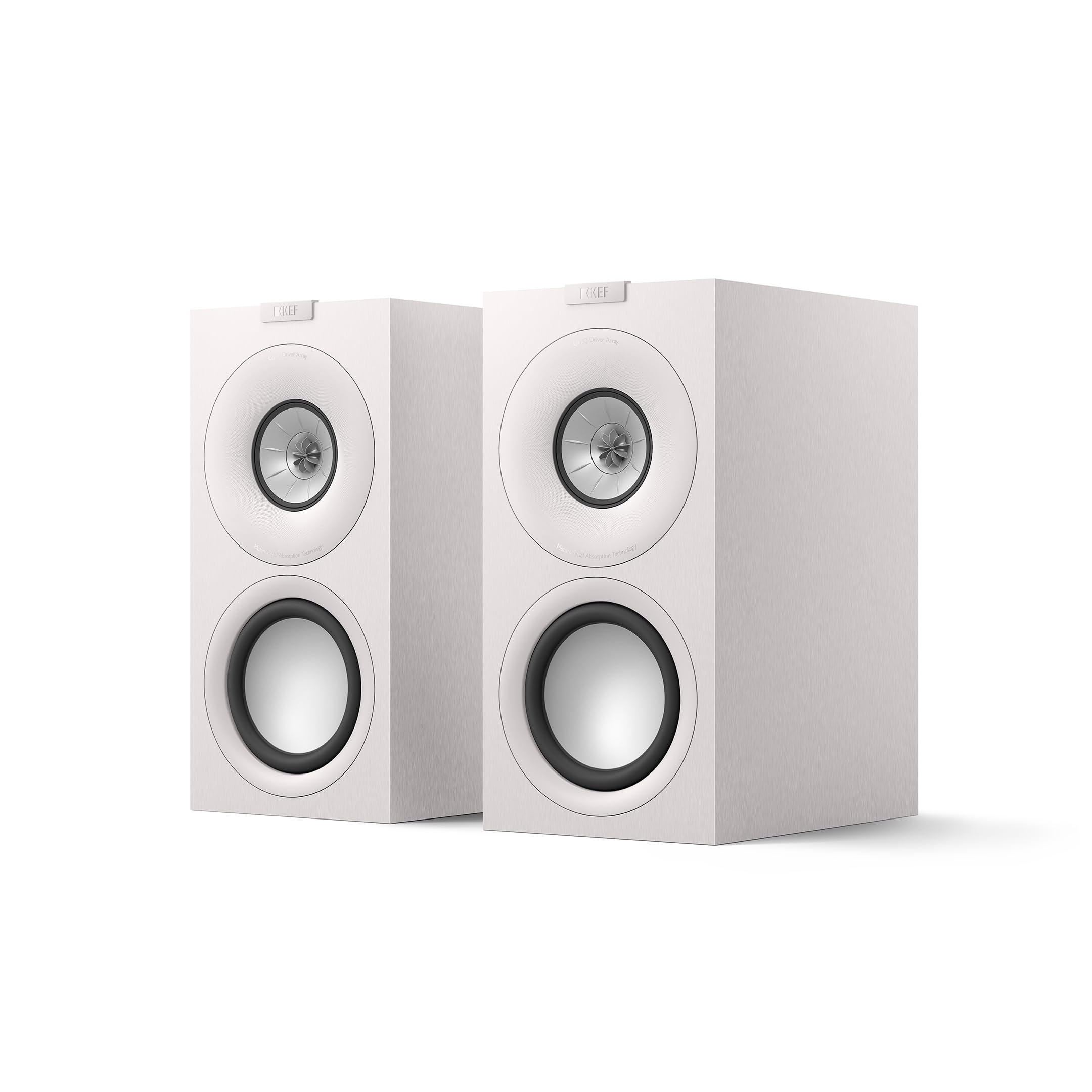


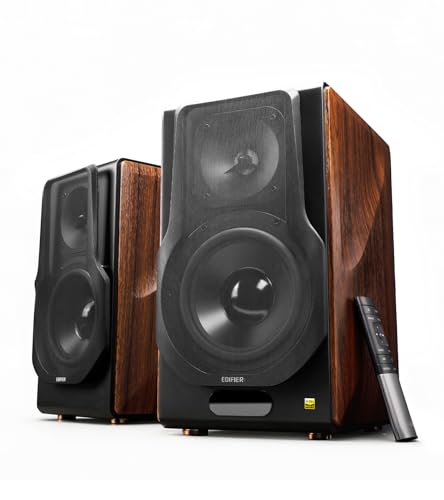
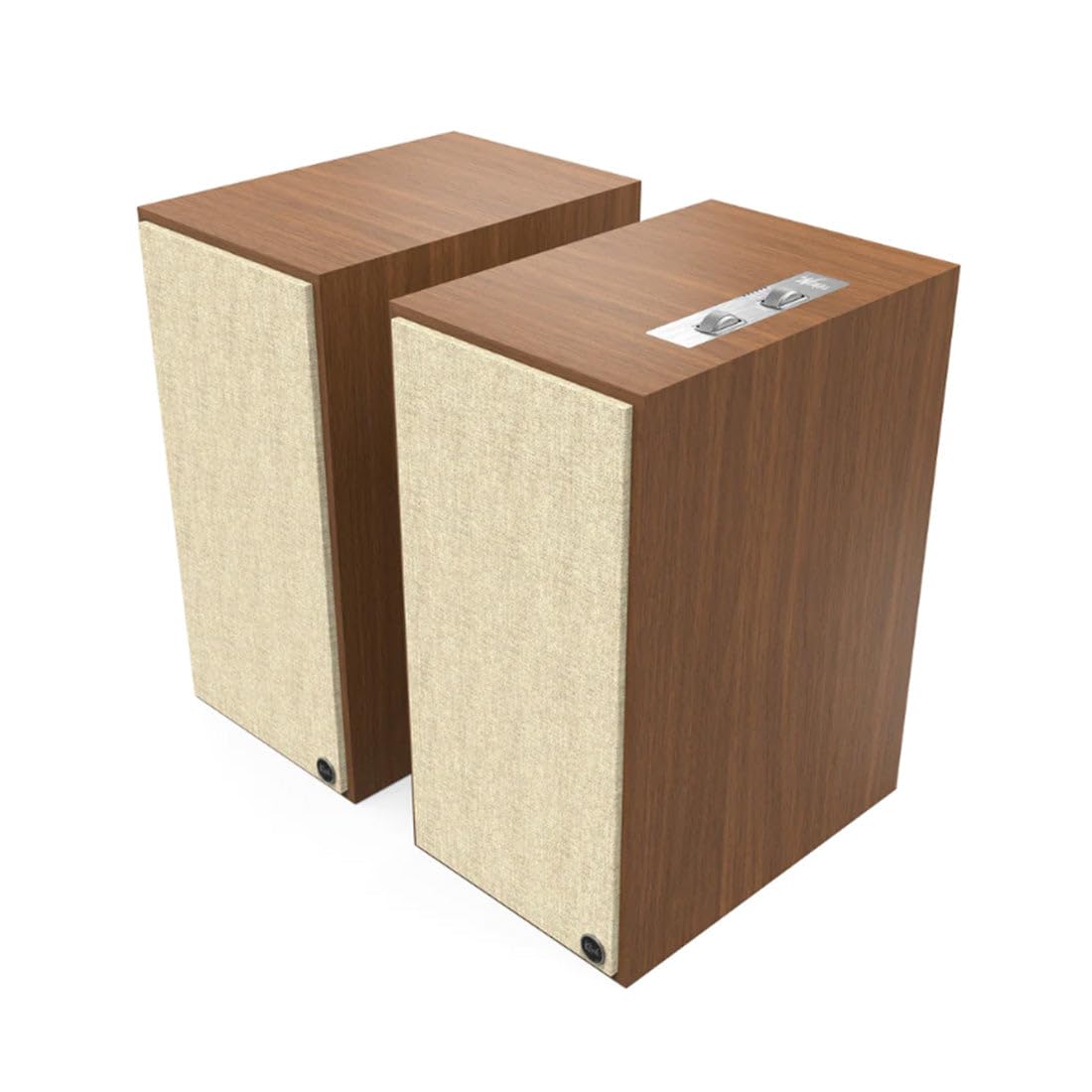
How to Split Your Budget Across the System
Before you look at tiers, decide how much of your total budget belongs to the speakers alone. Cables, stands, and a suitable amplifier or source can quietly consume a large share if you do not plan for them.
Budget Tier Approach
At the lower end of this ceiling, around $300 to $800 for a pair, put most of your money into the speakers and keep the rest simple. Use an amplifier or receiver you already own if it is in good working order. Spend a small amount on sturdy stands or isolation pads so tweeters sit near ear level. Skip costly cables at this level, because basic copper wire of adequate thickness will carry the signal cleanly and leave more money for the speakers themselves, where you will actually hear the difference.
Midrange Tier Approach
In the middle, around $800 to $1800 for a pair, you can afford to balance speakers and electronics more evenly. A clean amplifier with enough power for your room helps these speakers show their clarity at both low and high volume. If you stream most of your music, a reliable streamer or a good digital to analog converter can be worth funding here. Keep about ten percent of your budget aside for stands, basic room treatment such as a rug or curtains, and any cables you genuinely need to replace.
Premium Tier Approach
Near the top, around $1800 to $3000 for a pair, the speakers should still receive the largest share, but supporting gear becomes more important. Speakers at this level reveal weak sources and poor placement, so budget for solid stands and careful setup time. If your current amplifier is old or underpowered for the speakers you want, upgrading it may deliver more than jumping to the next speaker tier. Resist spending heavily on exotic accessories, because placement and room acoustics will shape the result far more than premium wire or small add ons.
What Your Money Gets You at Each Price Tier
Each step up buys something real, but the gains get smaller as you climb. Knowing what changes at each tier helps you stop at the point that fits your ears and your room.
Budget Tier: What to Expect
Around $300 to $800, expect competent drivers, simple crossovers, and cabinets that may use thinner panels or basic vinyl finishes. Sound is usually lively and enjoyable, with clear vocals and enough bass for small to medium rooms. You may notice some roughness at high volume or a narrower sweet spot when you move off center. For a first serious system, a bedroom setup, or a desk in a small room, this tier already delivers a major step up from soundbars and small smart speakers.
Midrange Tier: The Sweet Spot for Most Buyers
Around $800 to $1800, cabinets get stiffer, drivers get more refined, and crossovers use better parts, which together bring cleaner midrange and more controlled bass. Finishes improve, and many models add flexible inputs or powered designs with built in amplification. This is the tier where stereo imaging becomes precise and instruments separate clearly. For most living rooms and dedicated listening spaces up to about 300 square feet, this range offers the best balance of performance, build quality, and long term satisfaction without paying for small refinements.
Premium Tier: When Spending More Pays Off
Around $1800 to $3000, you pay for lower distortion, wider and more even dispersion, and cabinets built to very tight tolerances. Bass extension improves for the size, and fine detail in recordings becomes easier to hear at modest volume. These gains reward careful placement, good recordings, and a quiet room. Spending more pays off if you listen closely and often, or if you plan to keep the speakers for many years. If your room is noisy or untreated, the extra refinement may be partly wasted.
If your total budget is tighter than this ceiling, it helps to see what changes at lower levels, so read our guide to the best bookshelf speakers under 500 for a sense of the trade offs at that price.
Features Worth Paying For (and Ones to Skip)
Spec sheets list many numbers, but only a few features reliably predict whether a pair will suit your home. Focus on the ones below and treat the rest as secondary.
Ecosystem and App Features
Powered speakers may offer an app with EQ controls, firmware updates, and input switching, while passive speakers rely on your amplifier or receiver for those jobs. An app is worth paying for if you will actually adjust EQ for your room or switch sources often. Check whether the app is still supported and whether basic controls also exist on the speaker or remote, so the speakers remain easy to use if the app changes. A simple, stable setup usually ages better than a long list of smart features.
What You Can Realistically Get Under $3000
Under $3000 you can realistically get a pair that resolves fine detail, plays loudly in a medium room without strain, and lasts for many years with basic care. You cannot get full range bass that replaces a subwoofer in a large room, because small cabinets have physical limits. Do not cut corners on amplifier matching or stands to afford a higher tier. A well matched midrange pair will sound more complete than a premium pair starved by weak power or poor support.
Shoppers who want a broader view across all speaker types can also see our guide to the best speakers under 3000 before narrowing back to bookshelf models.
Sound Quality and Tuning
Look at driver size, frequency response, and the tuning style the maker describes. A five inch or six inch woofer usually balances bass and clarity well for bookshelf use. A response that extends to around 50 Hz will cover most music, though movie fans may still want a subwoofer. Neutral tuning suits long listening sessions and varied music, while a warmer tuning can flatter bright rooms and older recordings. If you can, judge with familiar songs and pay attention to voices, because clear and natural vocals reveal midrange quality quickly.
Placement and Room Size
Bookshelf speakers need breathing room, so plan to place them on stands or a sturdy surface with the rear panel at least several inches from the wall unless the design is made for close wall placement. In a small room, a compact pair placed near ear level will image better than a large pair squeezed into corners. For stereo listening, form a triangle between the two speakers and your seat, with tweeters near ear height. Larger rooms may need bigger drivers or a subwoofer to fill the space without strain.
Long Term Costs to Factor In
The purchase price is only part of ownership. Stands, cables, and possibly a subwoofer add to the total, and powered speakers may need eventual service for their built in electronics. Passive speakers can last for decades, though foam surrounds on very old drivers can wear out. Factor in the cost of a suitable amplifier if you do not own one, plus basic items such as speaker wire and pads. A clear warranty of at least a few years adds real value, so check what it covers for drivers and electronics before you buy. Readers comparing the next tier down may find our guide to the best bookshelf speakers under 1000 useful for judging whether the step up is worth it for them.
Bookshelf Speakers: Your Questions Answered
Can you get a good bookshelf speaker under $3000?
Yes, you can get genuinely excellent bookshelf speakers well under $3000. Even the midrange tier delivers clear vocals, controlled bass, and precise imaging for most rooms. One point buyers miss is return policy, because hearing a pair at home in your own room is the surest test. Choose a seller with a fair home trial or return window when you can, and keep the packaging until you are sure the sound suits your space.
Wired or wireless: which sounds better?
Wired connections still sound more consistent, because they avoid compression and dropouts that can affect wireless links. A good wired setup also removes pairing and latency worries for movies and games. Wireless powered speakers are convenient and can sound very good for casual listening, especially with a stable home network. One extra point is updates, since wireless models depend on software support over time. If sound quality is your top priority and cables are practical in your room, choose wired.
Wrapping Up
Start with your room size, then match amplifier power and placement to the tier you can afford, and let sound quality and tuning guide the final choice. The product table above pulls the key specs together so you can compare quickly. When you judge the best bookshelf speakers under 3000 for your own home, the right answer is the pair that fits your space, your gear, and the way you actually listen every day.


