Best Bookshelf Speakers under 1000 Dollars 2026: A Budget Focused Guide
Disclosure: We may earn a commission when you buy through links on this page, at no extra cost to you. As an Amazon Associate I earn from qualifying purchases. Learn more

Learn how to spend up to 1000 dollars on bookshelf speakers wisely, balancing speaker quality, amplifier cost, stands, and room setup for good sound.
Spending up to 1000 dollars on speakers does not mean spending it all on the speakers themselves, because best bookshelf speakers under 1000 dollars sound best as part of a balanced system. The comparison table below shows how different speaker types fit different budgets, while this guide helps you allocate money across speakers, amplifier, and stands.
A total budget of 1000 dollars is a useful planning figure, but it should cover more than the speaker boxes. Stands, cables, and an amplifier for passive speakers all cost money, and a system that spends everything on speakers while neglecting stands and amplification may sound worse than a balanced system. This guide focuses on getting the best combined sound for the total budget, not just the most expensive speakers you can afford.
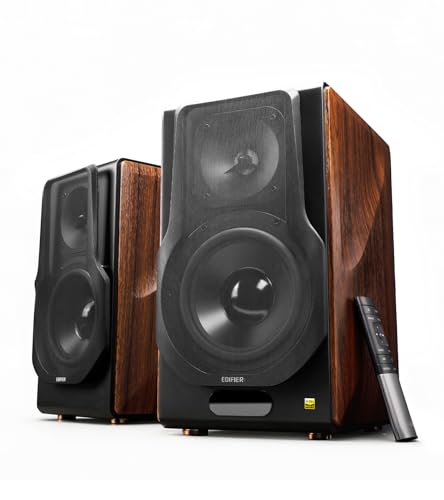


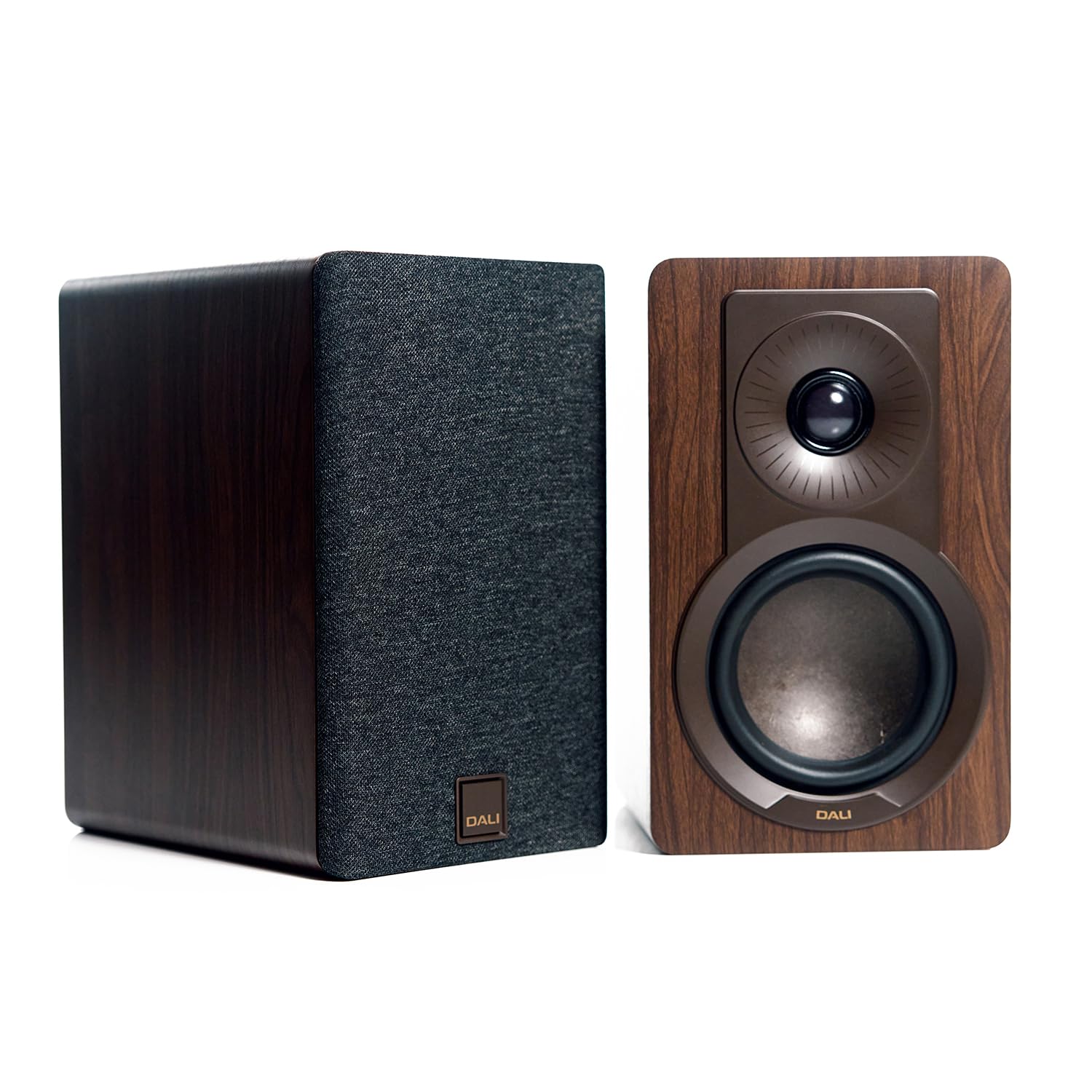
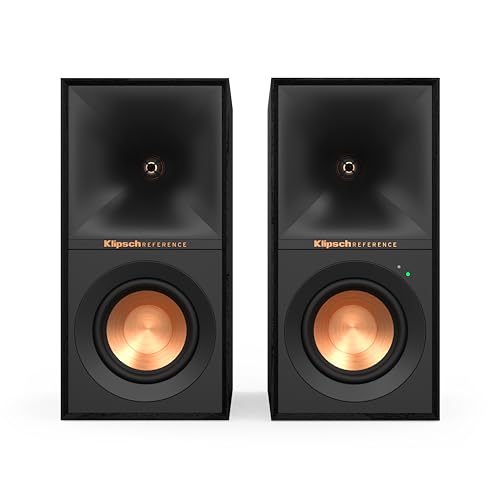
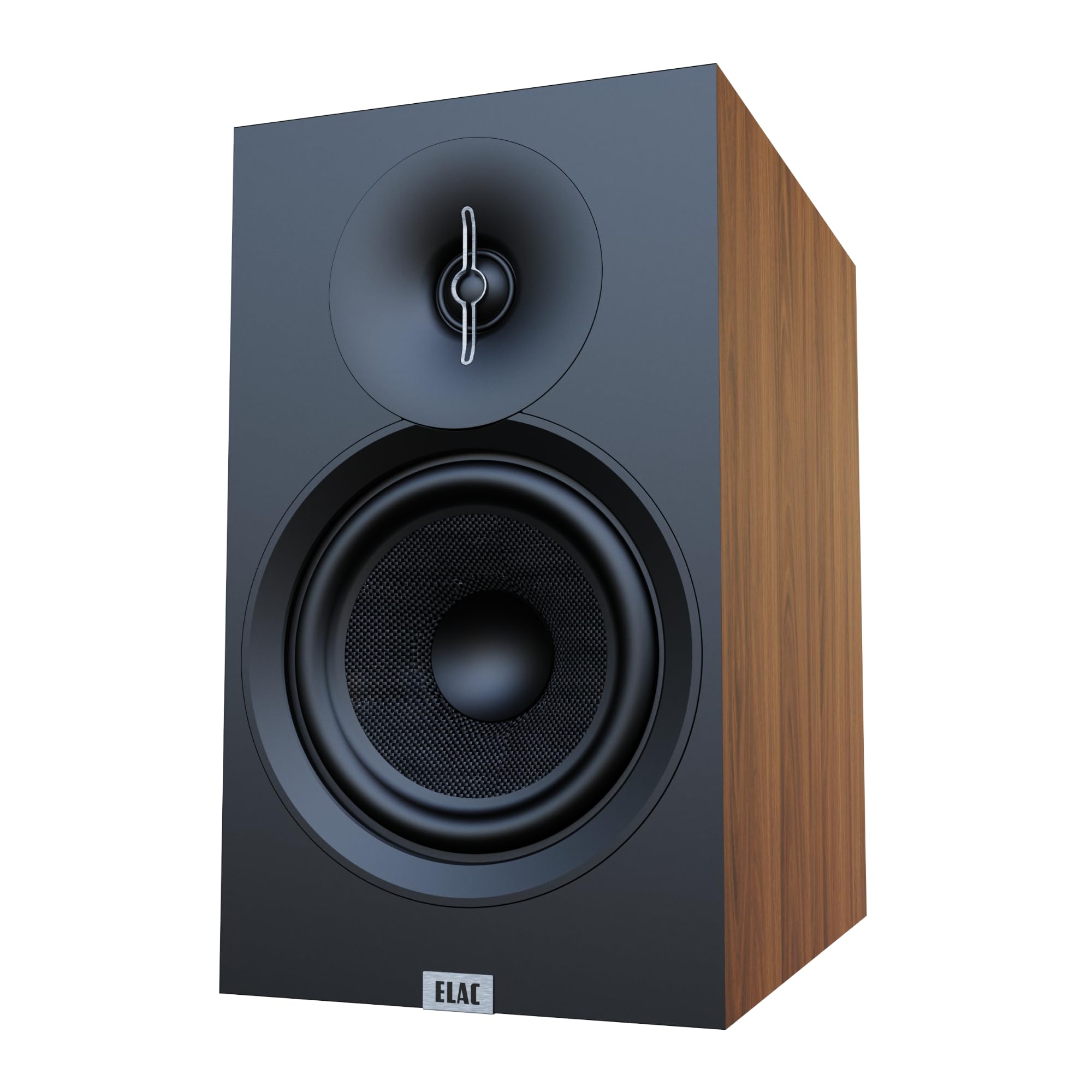
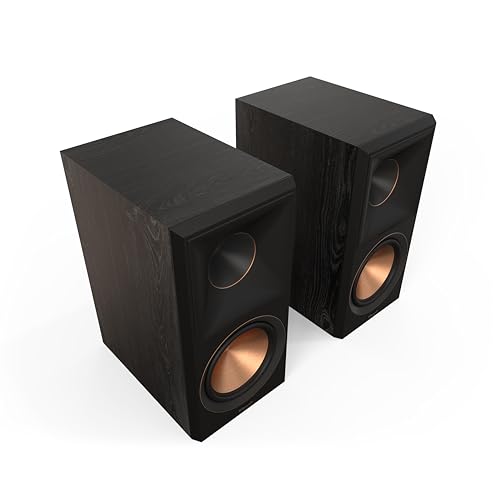

The Basics
Start by deciding whether you want passive or active speakers, because that decision shapes the whole budget. Active speakers include amplification, so more of the budget goes to the speakers themselves, but you have less flexibility to upgrade the amplifier later. Passive speakers need an amplifier, so you should reserve part of the budget for a capable amplifier and for stands that place the speakers at ear height.
Room setup is free but powerful. Placement, distance from walls, and listening position affect sound as much as speaker choice. A well placed midrange pair will often outperform a dearer pair placed poorly, so plan your room layout before you finalise the budget split.
Key Features to Compare
Splitting the Total Budget
A sensible starting split for a passive system is roughly two thirds for speakers, one quarter for an amplifier, and the rest for stands and cables. For an active system, most of the budget can go to the speakers, with a smaller amount for stands and cables. Adjust the split based on what you already own: if you have a good amplifier, spend more on speakers, and if you have good stands, spend the saving elsewhere.
Speaker Quality Versus Features
At this budget, prioritise sound quality, driver quality, and cabinet build over extra features you may rarely use. A speaker with a well designed crossover and a solid cabinet will usually sound better than a speaker with many inputs but a weaker design. Features such as wireless connectivity are useful, but they should not come at the expense of core sound quality.
Amplifier Cost for Passive Speakers
An amplifier does not need to be expensive to sound good, but it should have enough power for your room and speakers. A modest, well matched amplifier will drive efficient speakers well in a typical living room. Avoid spending so much on an amplifier that you must buy very cheap speakers, because the speakers have the largest effect on sound character.
Stands, Cables, and Room Setup
Stands are not an optional extra for bookshelf speakers, because height and stability affect imaging and bass. A sturdy pair of stands at ear height is a worthwhile investment, and good quality cables need not be expensive. Spend time on placement, including distance from walls and toe in angle, because these free adjustments can transform sound.
Value Over Time and Upgrades
Think about future upgrades when you spend. A passive system lets you upgrade the amplifier or add a subwoofer later, while an active system is simpler but less flexible. Choose a system that you can live with for several years, and avoid buying speakers that you will want to replace quickly because they were chosen for price alone.
Who Should Buy Which Type
For Buyers With an Existing Amplifier
If you already own a good amplifier, you can spend most of the 1000 dollars on speakers and stands. Check that the amplifier can drive your chosen speakers, especially if they have low sensitivity or low impedance. A speaker upgrade alone can transform a system when the amplifier is already capable.
For Buyers Starting From Scratch
If you are starting from scratch, an active speaker system is often the simplest way to stay within budget, because amplification is included. Alternatively, a passive system with a modest amplifier and good stands can sound excellent and offer upgrade paths. Compare total system cost, not just speaker price, before deciding.
For Music and Film Combined Use
For combined music and film use, choose speakers with clear dialogue, good imaging, and enough bass for film sound without a subwoofer. A slightly larger driver may help with film dynamics, but keep room size in mind. If film bass is a priority, reserve part of the budget for a future subwoofer rather than overspending on speakers alone.
Related Choices to Compare
If you are also weighing a nearby option, the guide to best speakers under 1000 dollars explains how that choice differs and when it may suit your needs better. Compare its main trade offs with the points above before you decide.
If you are also weighing a nearby option, the guide to best bookshelf speakers under 1000 explains how that choice differs and when it may suit your needs better. Compare its main trade offs with the points above before you decide.
If you are also weighing a nearby option, the guide to best powered bookshelf speakers under 1000 explains how that choice differs and when it may suit your needs better. Compare its main trade offs with the points above before you decide.
If you are also weighing a nearby option, the guide to best bookshelf speakers under 3000 dollars explains how that choice differs and when it may suit your needs better. Compare its main trade offs with the points above before you decide.
Common Mistakes and Care
A common budget mistake is spending the full amount on speakers and then placing them on a bookshelf at the wrong height, which undermines imaging. Another mistake is buying a very powerful amplifier for a small room while neglecting stands. Balance the system, invest in stands, and spend time on placement before judging sound quality.
Keep speakers and amplifier ventilated, check cables for loose connections, and dust grilles regularly. Avoid placing an amplifier in a closed cabinet without airflow, because heat can shorten its life. A well cared for system will hold its value and sound good for many years.
Frequently Asked Questions
Should I spend all 1000 dollars on speakers?
Not necessarily, because stands, cables, and an amplifier for passive speakers also affect sound and must be budgeted for. A balanced system with good speakers, a capable amplifier, and proper stands usually sounds better than speakers alone placed poorly. Plan the total system cost before you buy. Include stands and cables in that plan, because both affect the final sound.
Are active speakers better value under 1000 dollars?
Active speakers can be better value for a first system, because amplification is included and matched to the drivers. Passive speakers offer more upgrade flexibility and a wider amplifier choice. Choose active for simplicity and passive for long term flexibility, based on your plans. Think about whether you may add a subwoofer or upgrade amplification later.
How much should stands cost?
Stands need not be expensive, but they should be sturdy, stable, and the right height to place tweeters at ear level. A modest pair of solid stands is usually enough, and spending a small part of the budget on stands is worthwhile. Avoid very light or wobbly stands, because they can affect sound and safety.
Do expensive cables improve sound?
Good quality, well made cables are important for reliable connections, but very expensive cables rarely make a noticeable difference in a typical home system. Spend a modest amount on solid cables with good connectors, and put the saving towards speakers, amplifier, or stands where it will have a clearer effect.
Can I add a subwoofer later?
Yes, most bookshelf systems can add a subwoofer later for deeper bass, especially for film use. Check that your amplifier or active speakers offer a subwoofer output or a suitable connection. Adding a subwoofer later is often better than overspending on speakers now in an attempt to get deep bass from a small cabinet.
A Final Check Before You Order
Before you order, write down your total budget split for speakers, amplifier, and stands, and check that passive models leave enough for amplification. A balanced plan that includes sturdy stands and time for placement will give you a better sounding system than spending the whole budget on speaker boxes alone, and it leaves room for a future subwoofer if film bass becomes a priority.
Final Thoughts
Plan the total system, not just the speaker price, and balance speakers, amplifier, and stands for your room. A thoughtful budget split and careful placement will give you better sound than spending everything on the speakers alone. The comparison table above can help you compare speaker types within the budget.
For most buyers, best bookshelf speakers under 1000 dollars are about a balanced system: good speakers, a capable amplifier if needed, and stands that place them correctly. Get that balance right and the budget will go much further.