Best Bookshelf Speakers under 3000 Dollars: A First Time Buyer's Guide for 2026
Disclosure: We may earn a commission when you buy through links on this page, at no extra cost to you. As an Amazon Associate I earn from qualifying purchases. Learn more

Learn how to choose the best bookshelf speakers under 3000 dollars with plain English spec guidance, setup steps, and mistakes to avoid for your first system.
Buying your first serious speakers is exciting and a little intimidating, because prices climb fast and the spec sheets read like a foreign language. This guide walks you from the basics to a confident shortlist of the best bookshelf speakers under 3000 dollars for your room, in plain English and in a sensible order.
You will learn what the key terms mean, which specs deserve your money, and which mistakes cost first time buyers the most. Use the comparison table below as your shortlist while you read, and by the end you will know exactly which questions to ask of any pair on it.




Bookshelf Speaker Basics: What You Are Buying
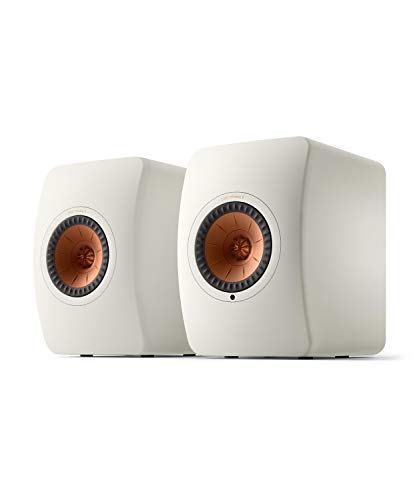
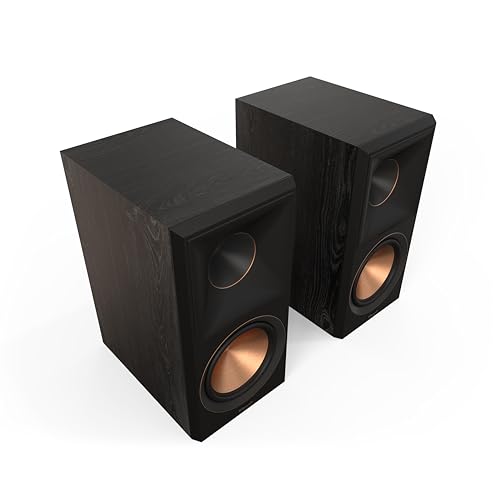
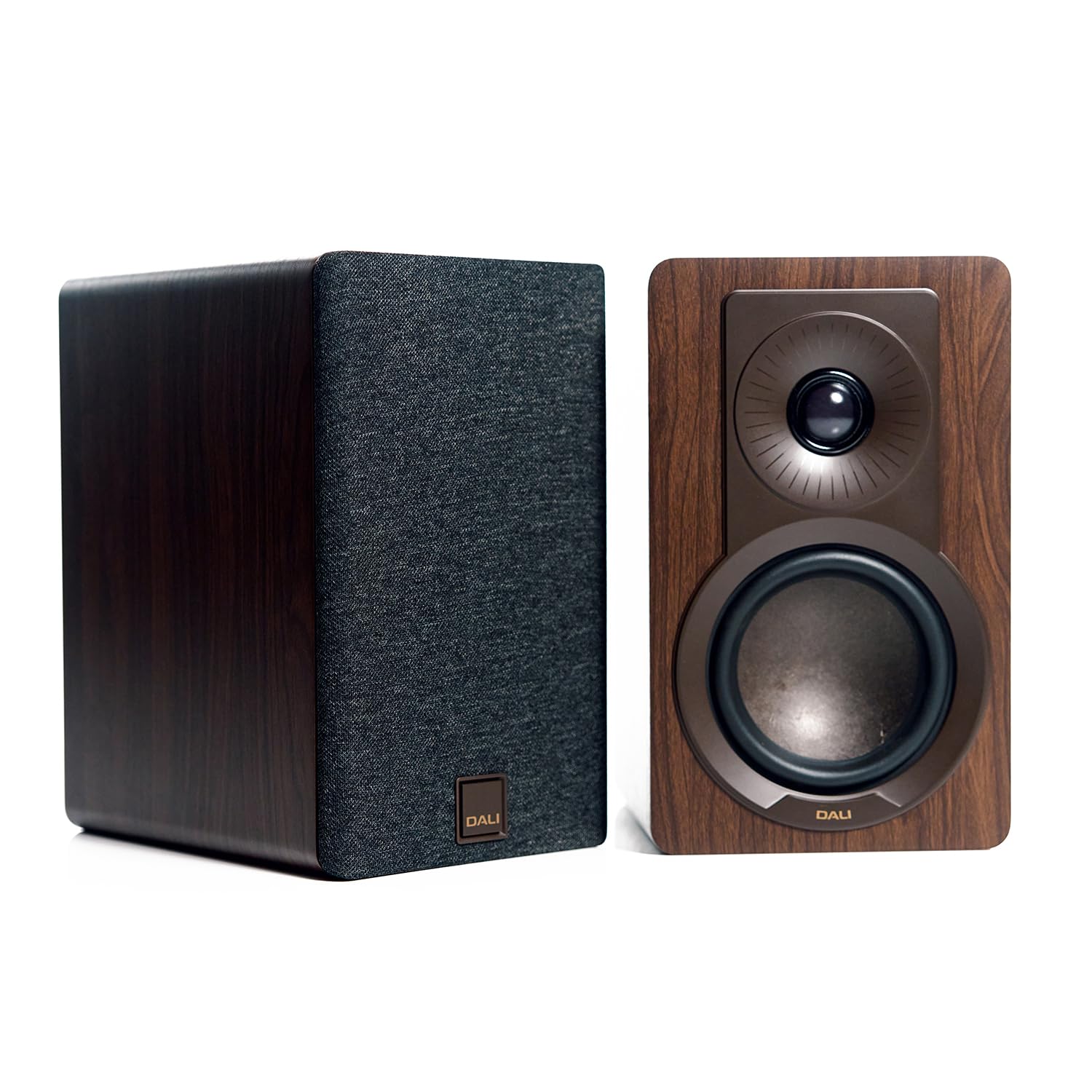
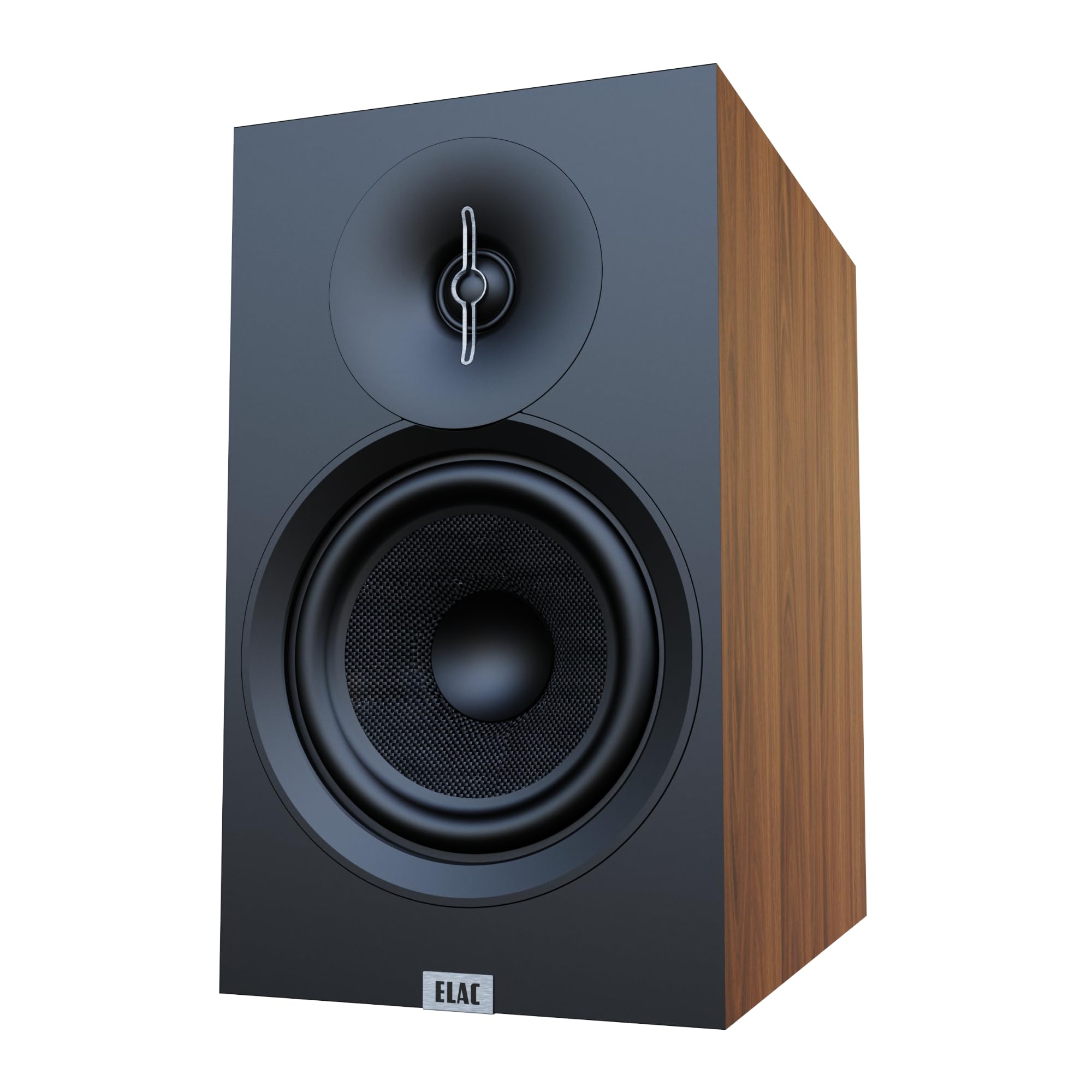
A bookshelf speaker is a compact loudspeaker, usually sold in pairs, designed to sit on a shelf, a stand, or a desk rather than on the floor. Inside each cabinet, a woofer handles low and middle notes and a tweeter handles high notes. A circuit called a crossover splits the signal so each driver plays the range it handles best.
Pairs come in two kinds. Passive speakers need an amplifier or receiver to power them, which gives you freedom to upgrade parts separately. Powered speakers carry the amplifier inside the cabinet, which keeps the system simple. At a budget near $3000 for the pair, both kinds can sound excellent, and the choice is about how you like to build a system.
One warning for newcomers: a higher price does not fix a bad room or poor placement. Budget for stands, cables, and sensible positioning alongside the speakers themselves, because those details decide a surprising share of the final sound. Readers working with a smaller total can see how the same basics apply in the best bookshelf speakers under 300 dollars range before committing to this level.
Key Specs Explained in Plain English
What You Can Realistically Get Under $3000
Around $3000 for a pair buys refined cabinets, carefully matched drivers, and crossovers built from quality parts. Expect finishes that look like furniture, heavy boxes that stay quiet at high volume, and detail that reveals the difference between a good recording and a great one. You still do not get the deepest cinema bass from a compact cabinet, so a subwoofer may join the system later for film.
Do not save money on the amplifier match if you choose passive speakers. A fine pair driven by a weak or noisy amplifier will disappoint, so reserve a fair share of the total budget for amplification and sources. The best bookshelf speakers under 1000 dollars tier shows where the next level down trims cost, which helps you see what your extra money buys here.
Sound Quality and Tuning
Sound quality starts with the drivers. A woofer around 5 to 7 inches suits most rooms, giving full voices and believable bass without overwhelming a small space. Frequency response describes the range a speaker can play, but the shape of that response matters more than the endpoints. A smooth, even response sounds natural, while big peaks sound harsh or boomy.
Tuning is the voicing the maker chooses. Some pairs lean warm, with gentle treble that flatters older recordings. Others lean neutral and reveal exactly what a recording contains. Neither is wrong. Match the voicing to your music and your room, and remember that bare walls and hard floors brighten any speaker, so softer furnishings balance a lively pair.
Noise and Room Sound
Speakers do not offer active noise cancellation, because that technology belongs to headphones that seal around your ears. With speakers, the room itself is part of the system. Echo from hard surfaces muddies detail, and outside noise competes with quiet passages. Heavy curtains, a rug, and a filled bookshelf on the wall behind you all improve clarity more than any electronic feature.
Isolation still matters in a mechanical sense. Decoupling the speakers from a resonant desk or shelf with pads keeps bass tight and stops furniture from buzzing along with the music. If you share walls with neighbors, a smaller pair played at sensible volume with good placement will sound better and cause fewer complaints than a large pair played loudly.
Ecosystem and App Features
Powered models at this level often include an app with EQ controls, input naming, and firmware updates. EQ is the genuinely valuable part, because a gentle cut to a boomy bass region or a lift to quiet dialogue can tune the speakers to your room. Check that the app supports your phone platform and that basic controls also exist on the unit or remote, so the speakers never depend on one app to work.
For passive pairs, the ecosystem question shifts to your amplifier or streamer. Confirm that its inputs cover your TV, your turntable if you own one, and your streaming source. A simple system you understand beats a clever system that frustrates you, so favor controls you will actually use weekly.
Size, Weight, and Placement Fit
Comfort with speakers means fit in your room rather than fit on your body. Premium cabinets can weigh 15 to 25 lb each, so confirm that your shelf or stands can carry them safely and that the depth fits with room behind for rear ports and cables. Measure before you buy, including the space a stand footprint needs on the floor.
Weight is also a quality clue. A heavy, well braced cabinet vibrates less, and less vibration means cleaner midrange. Still, plan how you will move the boxes during setup, and keep the packaging until placement is final, because returns are far easier with the original foam and cartons intact.
Power and Charging: What to Know
Bookshelf speakers do not run on batteries, so there is nothing to charge and no battery life figure to compare. Powered pairs plug into the wall, and passive pairs take power from your amplifier. What matters instead is sensitivity and power handling. Sensitivity tells you how loud a passive speaker plays with a given amount of power, and a higher number suits smaller amplifiers.
As a starting point, most listeners in average rooms are well served by an amplifier rated around 30 to 100 watts per channel from a reputable maker. More power gives headroom for loud passages without distortion. Always turn volume down before switching inputs or cables, a habit that protects both speakers and ears.
Rookie Mistakes to Avoid
- Spending the whole budget on speakers alone. Passive pairs still need an amplifier, cables, and stands. Price the full system before you fall for one component.
- Judging by spec sheets only. Identical numbers can sound very different. Use specs to shortlist, then judge tuning and build quality.
- Placing speakers against a wall or in a corner by default. Crowded placement bloats bass. Give rear ports room to breathe and angle the pair toward your seat.
- Ignoring the return window. Your room is the final test. Buy from a seller with a fair return policy and test with your own music in the first week.
- Chasing the biggest discount. A heavily marked down pair may be an outgoing model with limited support. Check warranty terms and parts availability.
Shoppers comparing the wider field can also scan the best speakers under 3000 dollars category, which includes floor standing options, and the best bookshelf speakers under 3000 listings for price context. Comparing shapes first keeps you from paying bookshelf prices for a problem a different form solves better.
Getting Started: Setup and First Use
Start by placing the stands or shelf, then set the speakers so the tweeters sit near ear height when you are seated. Connect the amplifier with the power off, match positive and negative terminals on both speakers, and keep the two cable runs similar in length. Power on, start at low volume, and play a familiar song to confirm both channels sound balanced.
Next, fine tune in small steps. Move the pair a few inches at a time, adjust the angle toward your seat, and listen again. Update firmware on powered models once the basics work, and register the warranty while the paperwork is handy. Keep the room arrangement stable for a week before judging, because your ears adjust as much as the speakers settle in.
If your total budget is still forming, the best speakers under 3000 overview helps you split money between speakers, amplification, and a source without starving any one part.
FAQs
Can you get good bookshelf speakers under $3000?
Yes, this budget reaches genuinely high quality pairs with refined drivers, quiet cabinets, and finishes built to last decades. The gains over mid priced pairs are real but smaller than the jump from budget to mid price, so placement and amplifier matching matter more than ever. Set aside part of the budget for stands and cables, and the result can anchor a system you keep for many years.
Wired or wireless: which sounds better?
Wired connections remain the reference at this level, offering full resolution audio with no delay or compression. Wireless streaming on premium powered models is far better than it once was and suits casual listening well, but a cable from a good source still reveals the most detail your money bought. Most owners wire the main source and stream wirelessly for convenience listening.
Our Verdict
For a first serious system, prioritize an even, natural tuning, a cabinet your furniture can support, and an amplifier match that leaves headroom. Then place the pair with care and give your ears a week to adjust. Look back at the product table above with those three tests in mind, and the best bookshelf speakers under 3000 dollars for your home will stand out as the pair that fits your room, your sources, and your patience for setup.