
Best Bookshelf Speakers for Tube Amps: Every Type Explained Side by Side for 2026
Disclosure: We may earn a commission when you buy through links on this page, at no extra cost to you. As an Amazon Associate I earn from qualifying purchases. Learn more
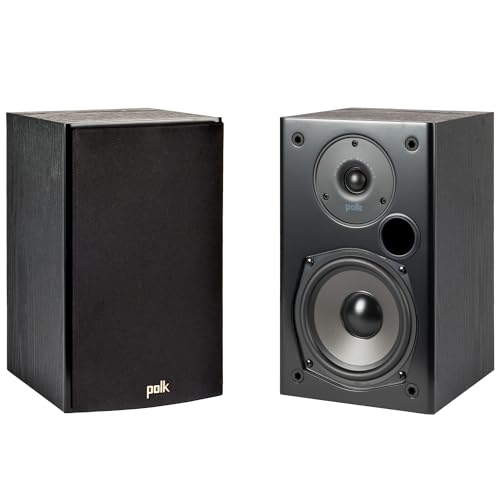
Best bookshelf speakers for tube amps: why sensitivity near 90 dB and a gentle 8 ohm load matter, and which type fits.
Pairing speakers with a tube amplifier is a matching exercise, not a simple shopping list. Most tube amps make modest power, often about 5 to 40 watts, so they need speakers that play loudly on little power and present an easy electrical load. Shoppers looking for the best bookshelf speakers for tube amps will meet wireless models, wired models, and designs borrowed from other categories, and only one family truly fits. This guide compares each type openly, explains the specs that decide a good match, and helps you avoid an expensive mismatch. Start with the comparison table below, then check your amplifier ratings against the guidance that follows.
Two numbers decide most of the story: speaker sensitivity and impedance. Keep them in mind through every section, because they matter more here than in almost any other speaker purchase.

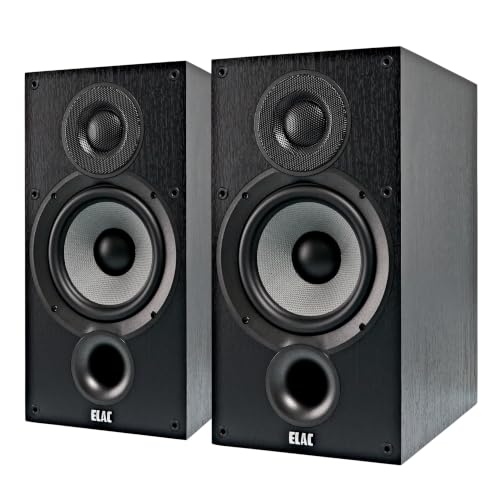


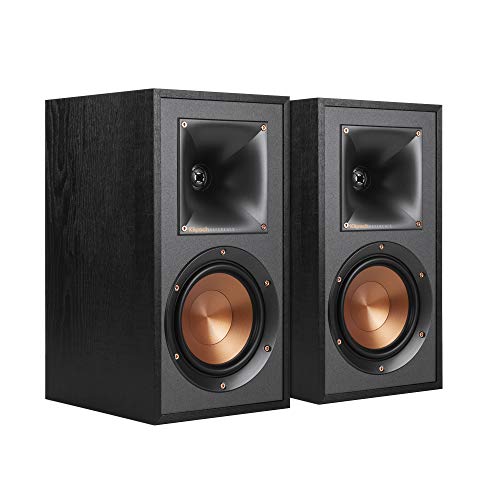
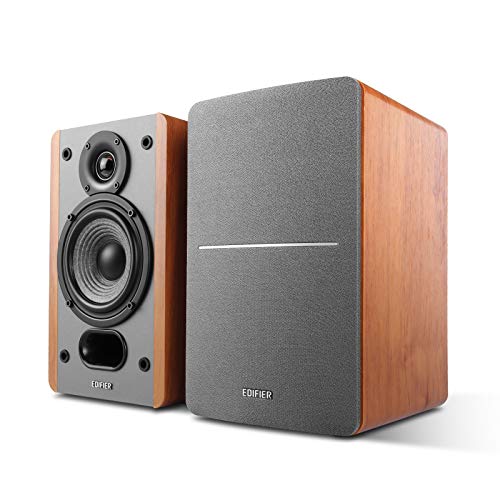


Types of Bookshelf Speakers Compared
Typical prices tell only half the story with tube gear. Wired passive pairs that suit tubes run around $200 to $900. Wireless powered pairs run around $200 to $800 but bypass your amplifier entirely. Specialty designs with high sensitivity drivers sit at the upper end. The three types below show why connection style and sensitivity, not price, decide whether a speaker belongs anywhere near a tube amp.
Wireless/Bluetooth Models
Wireless and Bluetooth bookshelf speakers are powered designs with their own built in solid state amplifier. That single fact removes them from tube duty, because your tube amp cannot drive them through its speaker outputs, and feeding them a line level signal means their internal amp, not your tubes, shapes the sound. They are fine speakers for a phone based setup in another room. As partners for a tube amplifier, though, they defeat the purpose of owning one. Choose this type only for a separate, simple system that has nothing to do with your tube rig.
Wired Models
Wired models, meaning passive speakers connected by speaker wire, are the correct and only full match for a tube amplifier. Your amp powers them directly, so its warmth and character reach your ears intact. The best wired candidates share traits: sensitivity around 90 dB or higher, a nominal impedance of 8 ohms, and a simple crossover that does not strain a low power amp. Prices and sizes vary widely, which makes this the richest category to shop. If you are building the system from scratch, our guide to the best amp for bookshelf speakers explains amplifier matching from the other side.
Gaming Models
Gaming speakers are small powered desktop units with their own amplifiers, lighting, and effect focused tuning. Like wireless models, they cannot be driven by a tube amp, and their boosted treble and compressed dynamics clash with the natural presentation tube owners value. Their sensitivity and impedance figures, where published at all, describe a powered product, not a load your amp can work with. Choose gaming speakers for a gaming desk if you like them, but keep them far from your tube setup, where a passive pair is the only honest option.
Wireless/Bluetooth Models vs Wired Models: Which Should You Choose?
For a tube amplifier, this comparison has a clear answer, and it rests on five points. For signal path, wired passive speakers use your tubes, while wireless models sideline them. For power, a tube amp delivers its watts only through speaker wire into a passive load. For sound character, wired keeps the warm, open tube presentation, while a powered wireless unit substitutes its own solid state voice. For cost, a good passive pair plus tubes you already own beats buying a second amplified system. For flexibility, wireless wins only in a separate room. Verdict: wired, every time. Our broader guide to the best speakers for tube amps extends this logic to floor standing designs as well.
How to Choose the Right Bookshelf Speaker
Sound Quality and Tuning
With tubes, favor speakers with a smooth, even response and gentle impedance behavior over dramatic tunings. Paper cone woofers and soft dome tweeters have a long history of pairing well with tube warmth, giving vocals body without glare. Frequency response down to around 55 to 65 Hz is realistic for a shelf size pair and covers most music with satisfaction. Avoid speakers voiced bright to impress in a store demo, because tube systems are often played for hours, and excess treble energy turns tiring long before the evening ends.
Speaker Cables and Placement With Tubes
Use ordinary, well made speaker cable of a sensible thickness, kept as short as your layout allows, and match the polarity at both ends so the pair stays in phase. Exotic cable is not needed. Placement matters more, because tube amplifiers often sit near the speakers and need ventilation on every side. Keep the amplifier on a firm shelf away from the speaker cabinets, since vibration from loud bass can reach the glass and add noise.
Give the speakers a few inches from the back wall, set the tweeters near ear height, and angle the pair toward your seat. Because tube amps often have modest output, a speaker with high sensitivity will reach comfortable volume without pushing the amp near its limits, which is when distortion becomes audible.
Features That Matter for Tube Amps
Tube amps reward three speaker traits above all. First, sensitivity of about 90 dB or higher, measured with 1 watt at 1 meter, lets a low power amp reach full, lively volume without strain. Second, a kind impedance curve, nominally 8 ohms and never dipping very low, keeps the amp stable and its tone even. Third, a simple crossover or even a single full range driver reduces the load further. Older designs often meet these needs beautifully, which is why our guide to the best vintage speakers for tube amp setups draws so much interest. The same matching logic applies to the related category covered in our guide to the best speakers for vacuum tube amp systems.
Care and Maintenance Tips
Treat the pairing as a system. Keep firmware updated on any digital source you feed the amp, and store spare tubes safely in their boxes away from knocks, since glass tubes are fragile. Protect speaker drivers with grilles in busy rooms and wipe cabinets with a dry cloth. Safety matters with tube gear: give the amplifier clear ventilation space, let it cool fully before moving it, keep it out of reach of small children and pets while it runs hot, and never open the chassis yourself, because high voltages inside can linger after switch off. A qualified technician should handle any internal service.
Bookshelf Speakers: Your Questions Answered
What features matter most in bookshelf speakers for tube amps?
High sensitivity and a gentle impedance load matter most, ahead of every other feature. Aim for sensitivity around 90 dB or higher and a nominal 8 ohm rating, so a modest tube amp can drive the pair with ease and grace. A simple crossover helps as well. Brand heritage and cabinet finish are pleasant extras, but the electrical match decides whether your system sounds relaxed and full or thin and strained at the volume you want.
Wired or wireless: which sounds better?
With a tube amp, wired is not just better, it is the only route that uses the amp at all. Speaker wire delivers the tube output straight to a passive pair, preserving warmth, depth, and dynamics. Wireless speakers substitute their own internal amplifier, so you would hear that amplifier instead of your tubes. If you want streaming convenience, add a wireless source in front of the tube amp and keep the final speaker connection wired.
Wrapping Up
Match on sensitivity and impedance first, choose a passive wired pair, and let your tubes do the work they were built for. The product table above gathers suitable candidates in one place so you can check ratings quickly before you buy. Paired with that care, the best bookshelf speakers for tube amps will reward you with the relaxed, lifelike sound that makes tube listening worth the effort.


