
Best Amp for Bookshelf Speakers: Buying Guide for 2026
Disclosure: We may earn a commission when you buy through links on this page, at no extra cost to you. As an Amazon Associate I earn from qualifying purchases. Learn more

How to choose the best amp for bookshelf speakers: power, impedance, inputs and size for clean sound at a desk or on a media shelf.
Bookshelf speakers are small, so they depend on the amplifier more than most buyers expect. A weak or noisy amp makes them sound thin, while a clean one gives voices, guitars and piano real weight. This guide to the best amp for bookshelf speakers explains how much power you need, which inputs matter, and what size of amp suits a desk or a media shelf.
Use the product table to compare amps on power, inputs and size. Then read the checks below so you can match one to your speakers and your room.
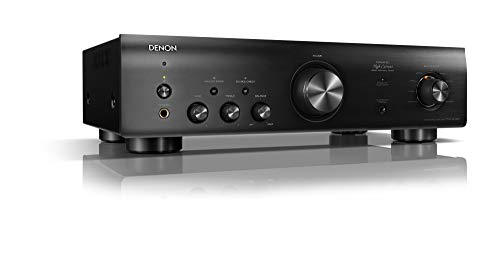


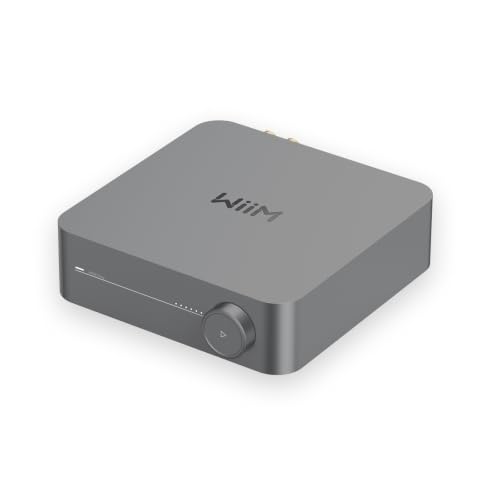


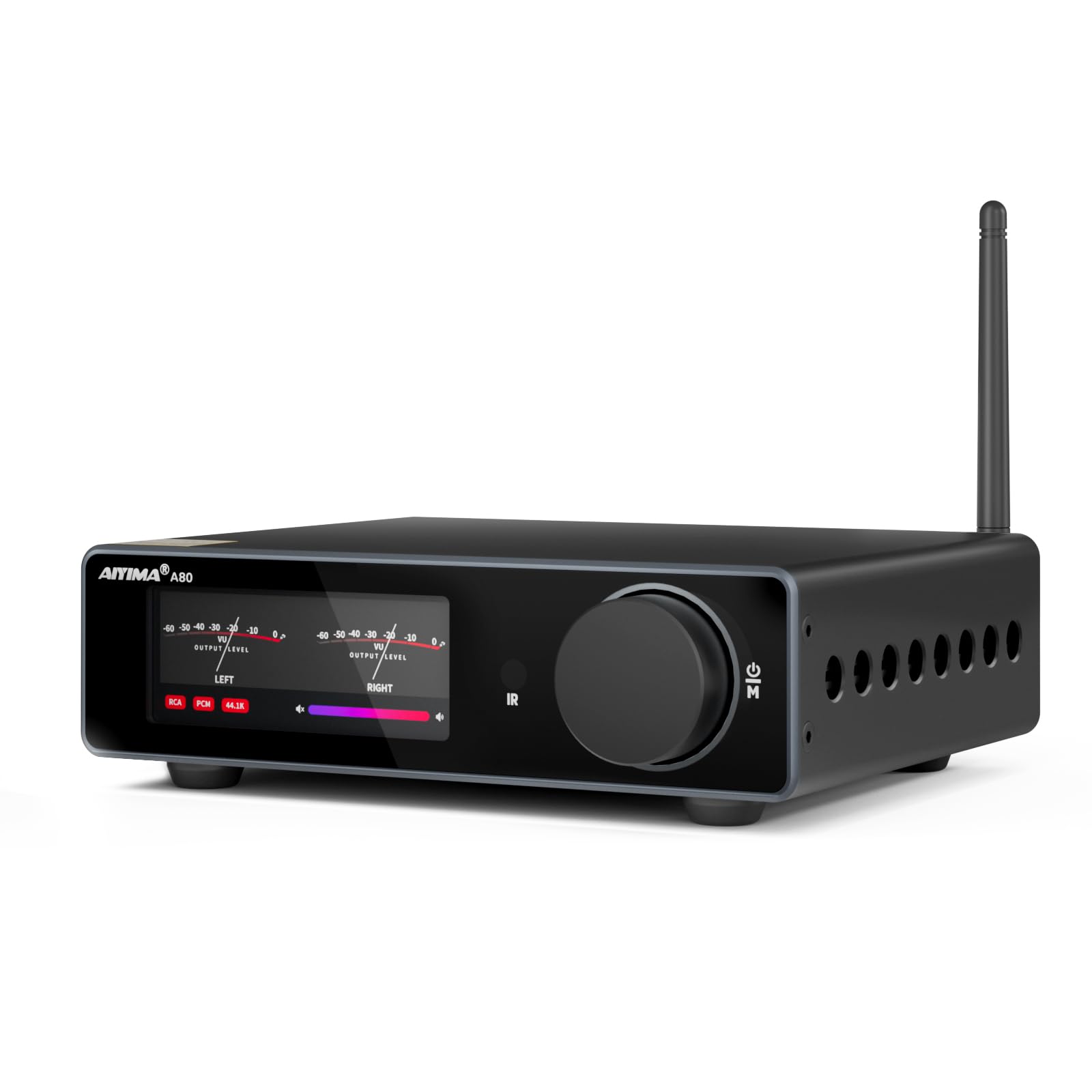
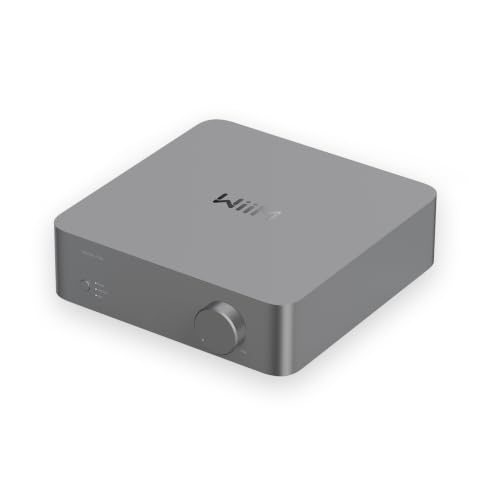

How to Choose the Best Amp for Bookshelf Speakers
Three facts about your speakers decide the match: their power handling, their impedance and their sensitivity. You can find all three in the manual or on the back panel. Once you know them, the amp choice becomes straightforward.
Power for a Small Room
Most bookshelf speakers are happy with 30 to 100 watts per channel of clean power. In a bedroom, office or small living room, even 25 watts can be plenty if the speakers are efficient and you sit a few feet away. Choose an amp whose continuous power sits at or a little above the speaker power handling, and avoid chasing peak watt claims.
Impedance and Sensitivity
Many bookshelf speakers are rated at 8 ohms, and some are 6 or 4 ohms. The amp must be stable at that load, so check the rated output at the impedance you own. Sensitivity near 87 dB or higher plays loudly on modest power, while lower sensitivity asks for a stronger amp. If your room is large or you listen loudly, favor an amp with a robust power supply.
Inputs and Phono Stage
Match the inputs to your sources. A TV needs an optical or HDMI ARC input, a streamer or computer works well over USB, and a turntable needs a phono input unless the player has its own preamp. Bluetooth is convenient for phones, and a wired connection is better for critical listening. Add a subwoofer output if you may want more bass later, since small cabinets cannot move much air.
Size, Heat and Placement
Measure the shelf depth and width before you order, and leave a few inches of open space above the vents. Compact class D amps run cool and fit desks, while larger class AB amps need more room and airflow. Keep the amp away from closed cabinets and stacked gear, because trapped heat shortens its life.
Types of Amps for Bookshelf Speakers
Stereo Integrated Amps
A stereo integrated amp combines the preamp and power amp in one box with a volume knob and several inputs. It is the simplest and most popular match for passive bookshelf speakers. It suits living rooms and music focused setups.
Small Desktop Amps
Small desktop amps suit near field listening, where you sit close to the speakers and need modest power. They save space and often include Bluetooth and USB. Our guide to the best small amp for bookshelf speakers covers this format in more detail.
Tube Amps
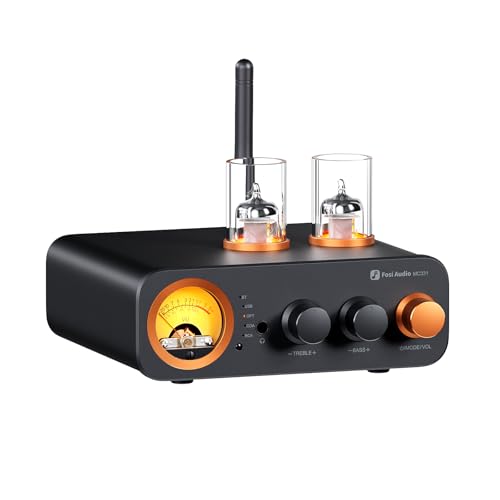
Tube amps give a warm sound that some listeners enjoy, but they run hot, need replacement tubes over time and usually have lower power. They suit careful music listening with efficient speakers. If you are curious about this route, see our guide to the best bookshelf speakers for tube amps.
Setup and Daily Use
Place the speakers at ear height, a short distance from the back wall, and angled slightly toward your seat. Connect the speaker wire with the amp switched off, matching positive and negative terminals on both channels. Start at a low volume with the tone controls flat, then raise the level slowly while listening for harshness.
Turn the volume down before changing inputs, and keep the vents clear. If your speakers are powered, they already include an amp, so you do not need one. If you are still choosing speakers, compare options in our guide to the best bookshelf speakers or the best powered bookshelf speakers. For general matching rules, see our overview of the best amp for speakers.
Common Mistakes to Avoid
- Buying by peak watts. Compare continuous power per channel at a stated impedance.
- Ignoring the phono stage. A turntable needs a phono input or a separate preamp.
- Blocking the vents. A closed shelf traps heat and can trigger shutdowns.
- Oversizing the amp. More power than the room needs adds cost and clutter without better sound.
- Skipping a spare input. You will likely add a source later.
What to Spend and What You Get
Amps for bookshelf speakers cover a wide price range, and the middle is where most buyers do best. A compact amp in the lower range gives clean power for a desk or a bedroom, with Bluetooth and one or two wired inputs. A mid range integrated amp adds a stronger power supply, a remote, a subwoofer output and often a built in digital converter, which suits a living room.
Higher priced amps add more current, better volume controls and quieter backgrounds, which you will hear mainly with revealing speakers in a quiet room. Spend on the amp only after you have chosen speakers that suit your room, because speaker placement and room treatment often change the sound more than a small amp upgrade.
A Simple Matching Example
Suppose your bookshelf speakers are rated at 8 ohms, handle up to 80 watts and have a sensitivity near 87 dB. A stereo amp that delivers 50 to 80 watts per channel into 8 ohms is a comfortable match for a medium room. If you sit about six feet away and listen at moderate levels, you will use only a few watts most of the time, with the rest kept in reserve for loud peaks.
If the same speakers sat in a large room, you would want the upper end of that range, or more efficient speakers. If they were 4 ohm speakers, you would also check that the amp is rated for a 4 ohm load. Working through these three numbers takes a few minutes and prevents most mismatches.
Frequently Asked Questions
How many watts do bookshelf speakers need?
Most do well with 30 to 100 watts per channel. Small rooms and efficient speakers need less, while larger rooms and low sensitivity speakers need more. Clean power matters more than the number on the box.
Can I use a receiver instead of an amp?
Yes. A stereo receiver is an amp with a radio tuner and extra inputs. An AV receiver also works for films, though a stereo amp usually sounds cleaner for music at the same price.
Do bookshelf speakers need a subwoofer?
Not always. Small cabinets roll off the deepest bass, so a subwoofer helps with films and bass heavy music. Choose an amp with a subwoofer output if you may add one.
Is a small amp enough for a desk setup?
Yes. At near field distance a compact amp with 20 to 50 watts per channel is usually plenty. Check that it has the inputs you need, such as USB or optical.
What happens if the amp is too weak?
A weak amp clips at higher volume, which sounds harsh and can damage tweeters. If music turns hard before the volume feels right, you need more clean power or more efficient speakers.
Final Thoughts
Check speaker power handling, impedance and sensitivity first, then match inputs and size to your room. The best amp for bookshelf speakers is the one that stays clean at your usual volume and fits your shelf with room to breathe. Compare your shortlist in the product table, and confirm each amp against your speaker ratings before you order.


