Best Bookcases for Home Library: Smart Picks at Every Budget
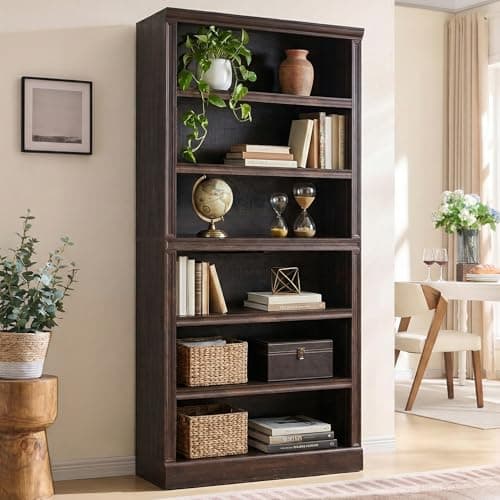
A home library asks more of a bookcase than a few paperbacks and a plant ever will. Hardcovers, reference sets, and art books get heavy fast, and a shelf that looks fine on day one can start to bow within months once it is fully loaded. Finding the best bookcases for home library use means looking past the photos to shelf strength, materials, and how the unit is anchored.
Prices make the choice harder. You can buy a tall bookcase for well under $100 or spend several hundred dollars on a triple wide unit, and the difference is not always obvious in a listing. This guide breaks down three picks at different budgets, what each price tier really buys you, which features are worth paying for, and which ones you can safely skip, so your money goes toward shelves that stay straight for years.
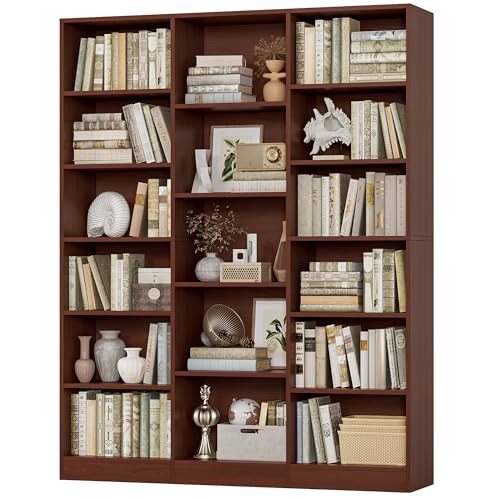
Top 3 Picks by Budget
These three bookcases come from the product table above and are currently sold on Amazon.com. Prices move often, so treat the figures below as a rough guide.
Best Budget Pick
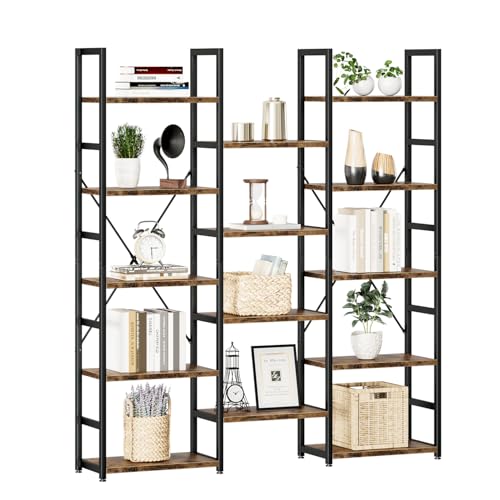
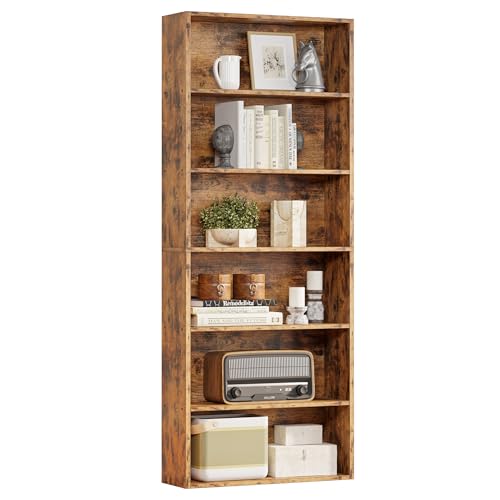
The IRONCK Industrial 6 Shelf Bookcase, at around $70, suits renters, students, and anyone starting a collection in a small room. Its slim footprint (about 23.8 inches wide, 9.3 inches deep, and 70.8 inches tall) fits beside a desk or in a narrow hallway. Two strengths stand out: it has a very large base of buyer ratings for the price, and it ships with a tip over resistance device so you can secure it to the wall. The limitation is capacity. The listing rates each shelf at up to 22 lb, and the body is MDF particleboard, so it is better for paperbacks and lighter books than a wall of heavy hardcovers.
Best Midrange Pick
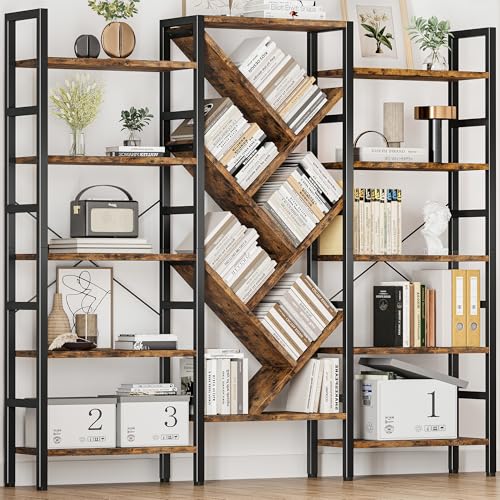
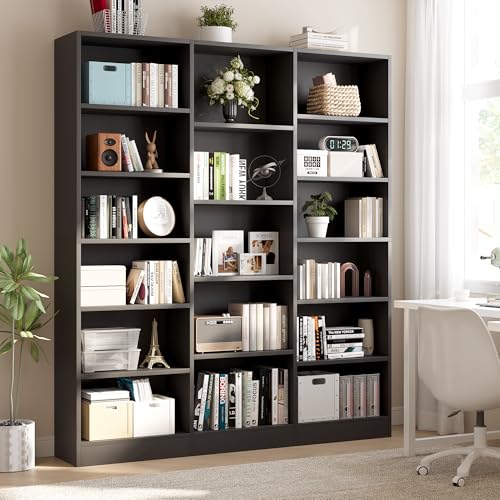
The INNOD 70x70 Triple 5 Tier Bookshelf, at around $110, is a good match for readers who need a lot of storage in one piece. At roughly 70.9 inches wide and 11.8 inches deep, it offers 17 open shelves, and the extra depth handles standard hardcovers comfortably. Its strengths are a steel frame paired with wood panels, braced by an X shaped rear support, plus an included anti tipping kit and adjustable foot pads for uneven floors. The trade off is style: the open, industrial look with exposed metal will not suit every room, and the listing does not publish a per shelf weight rating.
Best Premium Pick
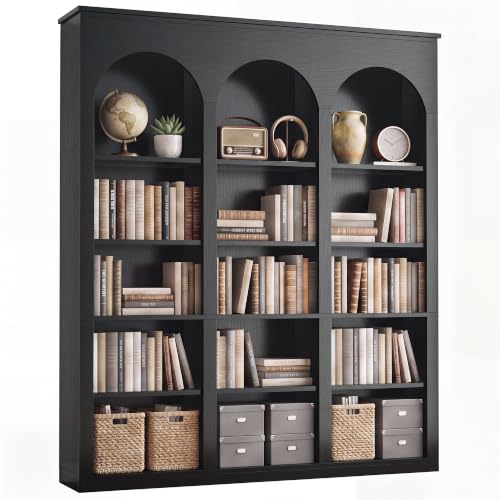
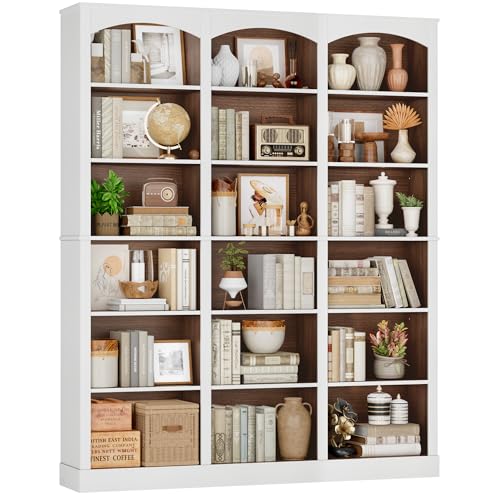
The FACBOTALL 71" Triple Wide Arched Bookcase, at around $200, is for readers who want a library wall with some presence. It measures about 63.4 inches wide, 10.15 inches deep, and 71.2 inches tall, with 18 open shelves under an arched top. The two big pluses are a stated capacity of up to 40 lb per shelf and a metal anti tip device, and two tiers of shelves adjust in height for taller volumes. The limitation is material. It is not sold as a solid wood piece, so if you want an heirloom bookcase, the premium tier below explains what to look for.
What Your Money Gets You at Each Price Tier
Budget Tier: Particleboard and Laminate
Most bookcases under about $100 use particleboard or low density fiberboard wrapped in laminate or a printed finish. The appeal is obvious: they are cheap, light enough for one person to carry, and quick to assemble. The weakness is long term strength. Particleboard flexes under steady load, and once a shelf takes a set, it rarely springs back. Screws can also strip out if you move the unit or reassemble it. Budget bookcases work best for paperbacks, a mix of books and decor, kids' rooms, or a starter collection you expect to outgrow. If you go this route, load the heaviest books on the lowest shelves and avoid long, wide spans.
Midrange Tier: MDF, Plywood, and Metal Frames
In the middle of the market you start to see thicker MDF, plywood shelves, wood veneer surfaces, and metal frames that carry much of the load. These units hold more weight per shelf, feel steadier when full, and often add useful touches like adjustable shelves, leveling feet, and real anti tip hardware. Metal framed designs are especially good at resisting sag because the steel supports each shelf along its edges. For most home libraries this is the sweet spot, since you get a noticeable jump in durability without paying furniture store prices. Wider triple column designs in this tier can also replace two or three narrow budget units with one steadier piece.
Premium Tier: Solid Wood and Barrister Styles
At the top end, a solid wood bookcase in oak, walnut, maple, or pine is built to last for decades. Solid wood holds screws firmly, can be refinished, and resists sagging when the shelves are thick enough. A barrister bookcase adds glass doors on each shelf, keeping dust and sunlight off rare or valuable books, and many barrister designs stack in modules. Premium also covers a built in look, where units line up wall to wall with matching trim. Expect to pay well into the hundreds of dollars per unit here, but a well made piece can move with you through several homes.
Features Worth Paying For (and Ones to Skip)
Shelf Strength and Sag Resistance
Shelf sag is the most common complaint with library bookcases. A fully packed shelf of books can weigh roughly 20 to 30 lb per foot, so a 3 foot shelf may carry 60 lb or more. Two details reduce bowing the most: shelf thickness of about 3/4 inch, and a span between supports of no more than about 30 to 36 inches. Center supports, metal frames, and front edge banding help too. Always look for a stated weight per shelf in the listing, and if it is missing, ask the seller before you buy. If you build or upgrade shelves yourself, our guide to the best plywood for shelves covers which sheets resist sag.
Depth, Height, and Shelf Spacing
A depth of 10 to 12 inches suits most fiction and nonfiction, while oversized art books, atlases, and record collections often need 13 inches or more. Shallow units around 9 inches are fine for paperbacks but can leave hardcovers hanging off the front. Height matters for reach and stability, since tall units hold more but need anchoring. Adjustable shelves let you fit tall books on one level and small ones on another, which wastes less space than fixed spacing. Leave about an inch of clearance above your tallest books so they slide in and out easily.
Anti Tip Hardware and Wall Anchoring
Any tall bookcase should be secured to the wall, and this matters even more in homes with young children who may climb shelves. Check whether an anti tip kit is included, and use anchors suited to your wall type, ideally fastening into a stud. A loaded bookcase that tips can cause serious injury, so this is not a step to skip. Anchoring also helps on carpet, where a tall unit can lean forward slightly as the shelves fill. Plan to anchor before you load the first book, while the case is still light and easy to position.
Back Panels and Build Quality
The back panel does more than hide the wall. A thick, screwed in back keeps the frame square and stops side to side wobble. The thin fiberboard sheet nailed to the back of many budget units is a common weak spot, since it can pop loose and let the case rack. Cross braces on metal frames serve the same purpose. Also check the joints: cam locks, dowels, and metal brackets hold up better over years than a few small screws driven straight into particleboard edges.
Style Extras You Can Skip
Built in LED strips, caster wheels, and decorative trim can be nice, but none of them affects how well a bookcase holds books. Wheels can even make a tall unit less stable. A ladder bookshelf looks great for display but usually offers shallow, narrow shelves. Put your money into strength and materials first, then add style touches if the budget allows.
Long Term Costs to Factor In
The sticker price is only part of the cost. Budget for wall anchors or an anti tip kit if one is not included, and for professional assembly or installation if you do not want to tackle a large unit yourself. Sagging shelves may eventually need replacing or reinforcing. If you expect your collection to grow, choose a line that sells matching units or modules, so you can expand later with a consistent look. The reading corner itself is worth budgeting for too, whether that means a good reading lamp or a comfortable seat such as a roomy recliner.
Frequently Asked Questions
How much weight can a bookcase shelf hold?
It varies widely. Budget particleboard shelves are often rated around 20 to 30 lb, while sturdier metal framed or solid wood shelves can be rated at 40 lb or more. A fully packed shelf of books can weigh 20 to 30 lb per foot, so check the listing's per shelf rating against how you plan to load it.
Is solid wood worth it for a home library?
It is worth it if you want a bookcase that lasts for decades and can be refinished. Solid wood holds fasteners well and resists sag when shelves are thick. If your budget is tight, a well built metal framed or plywood bookcase is a sensible middle ground.
How do I stop bookshelves from sagging?
Keep spans short, around 30 to 36 inches, and choose shelves about 3/4 inch thick. Put heavy books on lower shelves and near the supports. For existing shelves, add a center support, glue a hardwood strip under the front edge, or flip a bowed shelf over occasionally.
Should a bookcase be anchored to the wall?
Yes. Any tall bookcase should be anchored, especially in homes with children or pets. Use the included anti tip hardware or a purchased kit, and fasten into a stud or use anchors rated for your wall. Anchoring also keeps the case from leaning as it fills up.
How many bookcases do I need for my books?
Measure your collection in linear feet, then add about 20 to 30 percent for growth. A standard 3 foot wide shelf holds roughly 25 to 35 average hardcovers, so a five shelf unit of that width covers about 15 feet of books. Wider triple column units hold far more.
The Bottom Line
If money is tight, a budget unit like the IRONCK works for lighter books as long as you anchor it and keep heavy volumes low. For most readers, a midrange metal framed option such as the INNOD offers the best balance of capacity and price. If you want more presence and a higher shelf rating, the FACBOTALL arched bookcase is a strong step up, and solid wood is the choice for a true heirloom. Whatever you pick, the best bookcases for home library setups share strong shelves, short spans, and solid anchoring. Pair them with good sound from the best bookshelf speakers under $200 and a supportive reclining office chair if your library doubles as a study. Check the product table above to compare current prices and sizes.