
Best Body Worn Cameras for Law Enforcement 2026: The Buyer Checklist
Disclosure: We may earn a commission when you buy through links on this page, at no extra cost to you. As an Amazon Associate I earn from qualifying purchases. Learn more

Compare the best body worn cameras for law enforcement with a buyer checklist on video quality, battery life, storage, mounts, and evidence handling.
A body camera is evidence equipment, not a small action camera clipped to a shirt. When you shop for the best body worn cameras for law enforcement, judge every model against the work it must do on patrol: record a full shift without gaps, capture faces and plates in poor light, and produce footage that holds up when a court reviews it months later.
This guide uses a buyer checklist instead of product picks, so you can score any camera on the same points. Work through who should buy which setup, then use the comparison table below to narrow your shortlist.
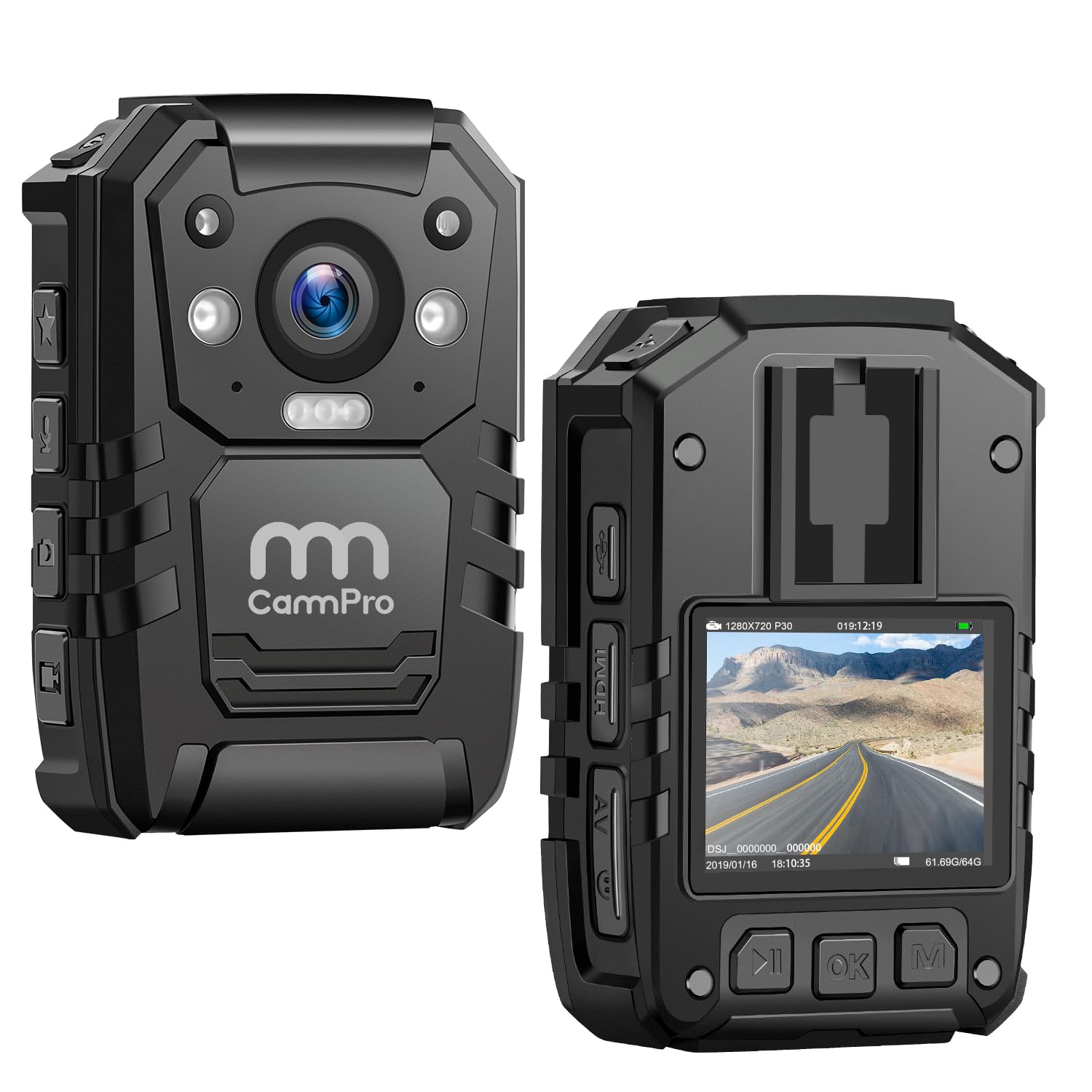


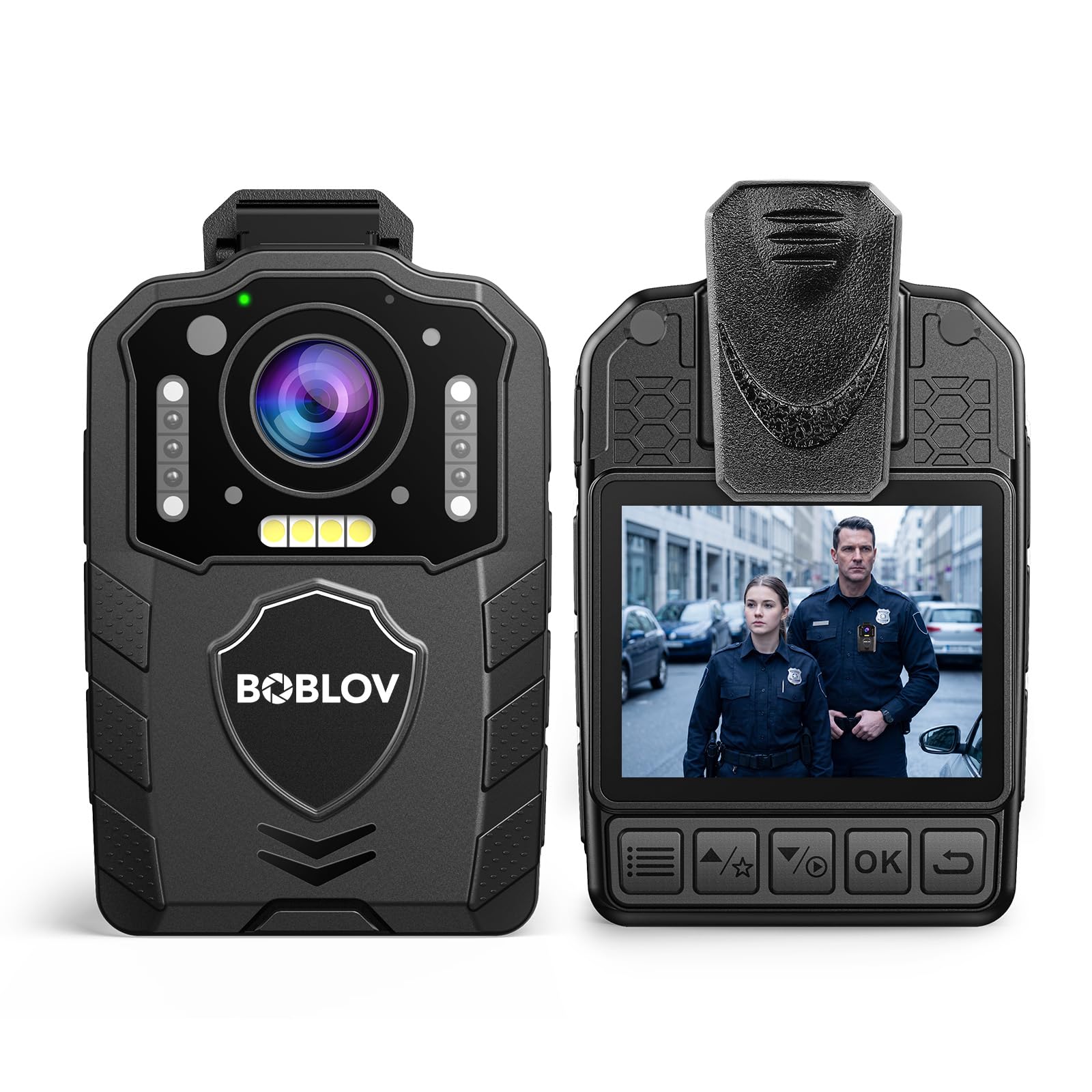
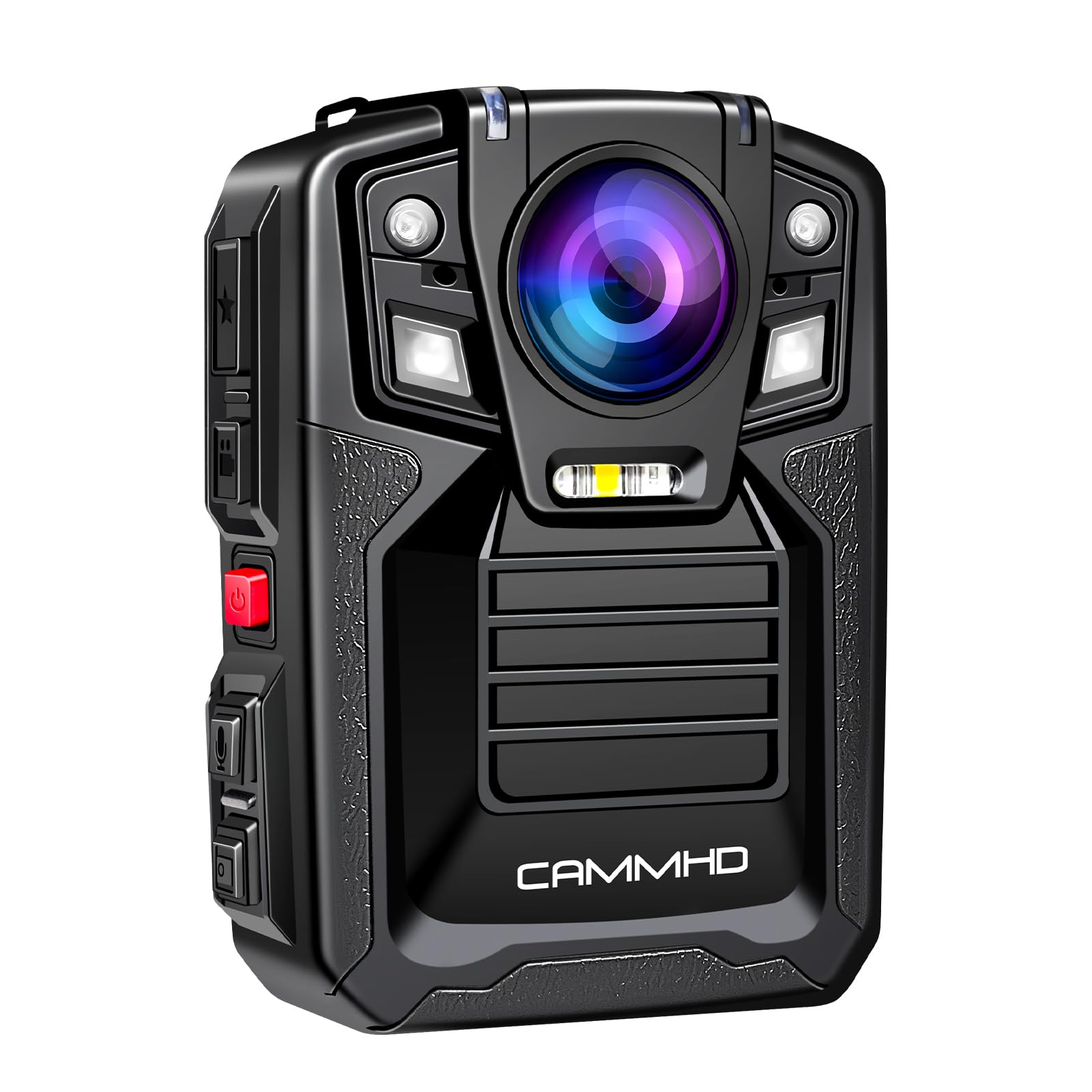


Who Should Buy a Body Worn Camera Setup for Patrol Work?
The right setup depends on where officers spend their shift and how footage moves into an evidence system.
Patrol Officers Working Long Public Facing Shifts
You need a camera that disappears into your routine for 10 to 12 hours. Prioritize battery life that covers the whole shift with time to spare, a mount that stays aimed at chest height on stops and foot pursuits, and one large record button you can find by touch. Weight matters more than extra resolution, since a heavy camera ends up tilted toward the ground.
Traffic Units and Motorcycle Officers
Your encounters happen outdoors, often at speed and in bright sun or rain. Look for strong weather sealing, a lens that handles glare at roadside stops, and audio that stays clear when traffic noise competes with voices. A mount that works on a shirt and an outer carrier adds flexibility across seasons. See our guide to the best body cameras for law enforcement for a related view of patrol recording.
Small Agencies and Procurement Teams Buying for a Whole Department
Your decision is about a system, not a single camera. You need docks that charge and upload at shift change without a line forming, software that controls who can view, share, or delete footage, and a clear price for storage over several years. Ask how replacements are handled, since ongoing costs shape your budget more than the first purchase order.
Key Features to Compare
Score each camera on the points below, in this order, since a weakness in the first three can make the rest irrelevant in court.
Video Quality, Field of View, and Low Light Recording
Resolution tells only part of the story. A field of view of about 120 to 170 degrees records hands, doorways, and people beside the officer, while a very wide view can push faces farther away. Footage at 1080p is a practical baseline, with higher resolution helping when you enlarge a plate or badge number. Low light performance matters as much, so check how faces look under streetlights, where mixed lighting often washes out detail.
Battery Life and Charging for Full Shifts
Battery claims only help if they match how officers actually record. A camera rated for about 10 to 14 hours suits a standard shift, but screen use, GPS, and wireless upload all shorten that figure. Ask whether the battery is built in or swappable, since a swappable pack lets a double shift continue after a quick change. Dock charging suits most departments, because the camera charges while footage uploads.
Storage, Encryption, and Evidence Handling
When you shortlist the best body worn cameras for law enforcement, treat storage as an evidence question, not a memory card question. Onboard storage of about 32 to 128 gigabytes covers a shift at most settings, but what happens next matters more. Footage should be encrypted, stamped with time and date, and protected so an officer cannot edit or delete it on the device. Good evidence software keeps an audit trail of every view and share.
Mounts, Weight, and Controls You Can Use With Gloves
A camera only records what it points at, so the mount deserves as much attention as the lens. Magnetic mounts are fast to attach but can shift during a struggle, while clip mounts on an outer carrier hold position better. Most duty cameras weigh about 4 to 8 ounces. Controls should be simple under stress: one prominent record button, a clear light or tone that confirms recording, and buttons large enough for gloved hands.
Durability and Weather Sealing on Duty
Patrol gear gets rained on, dropped on concrete, and knocked against door frames. Look for a water resistance rating such as IP67, which signals the housing can handle heavy rain and brief immersion, and ask about the drop rating and the stated height. A recessed lens survives daily knocks better than a slim consumer design. If officers work around water, confirm that port covers stay sealed while the camera is mounted.
Automatic Activation, Buffering, and Location Data
The best recording is the one that starts on time. Some systems begin recording when a light bar turns on, a door opens, or a nearby officer activates a camera, which reduces missed footage during fast calls. Buffer recording saves the seconds of video just before you press record, usually without audio, so the start of an encounter is not lost. GPS tagging ties footage to a place, but policy should state who can access that data.
Quick Buyer Checklist Before Your Agency Commits
Use these questions before you approve a purchase. A no on the first four should pause the order, whatever the price.
- Does the battery cover your longest shift, with power left for overtime?
- Can officers start recording with one touch, without looking down?
- Is footage encrypted on the camera and tracked with an audit trail after upload?
- Does the mount hold the camera steady on the uniform your officers actually wear?
- Have you priced docks, replacement batteries, mounts, and storage for the full contract period?
- Does the system support your retention schedule and redaction work for records requests?
- Have you checked state law and agency policy on notifying people that recording is in progress?
Setup style is the other choice here. Standalone cameras with onboard storage suit very small teams. Dock based systems suit most departments, since charging and upload happen in one step. Connected systems that stream video to a command center suit large agencies, but they add subscription cost. For camera styles outside a duty evidence system, see our guide to the best body worn cameras.
Common Mistakes to Avoid
- Buying on resolution alone leaves you with sharp footage of the ground when the mount tilts down.
- Ignoring storage and software fees makes a low camera price grow into the largest part of the contract.
- Skipping a wear trial hides problems with gloves and vests until the whole fleet is already issued.
- Leaving activation fully manual means the most stressful calls are the ones most likely to be missed.
- Writing no clear policy on activation, notice, and retention exposes officers to complaints even when the camera works well.
- Mixing personal phones into evidence recording creates confusion over who owns the footage.
Care and Maintenance of Body Worn Cameras
Clean the lens with a soft lens cloth at the start of each shift, since a smear from sunscreen or rain spray can blur every face recorded that night. Wipe the housing with a damp cloth, check the mount clip for cracks, and confirm the port covers close fully. Never use harsh solvents on the lens coating, and do not leave a camera on a hot dashboard.
At the station, seat each camera fully in its dock so charging and upload both complete before the next shift. Report a swollen battery or a loose mount and remove that camera from service until checked. Store spares in a dry, padded case. Supervisors should spot check a sample of footage each month for angle and audio.
Body Worn Cameras: Your Questions Answered
What features matter most in body worn cameras for law enforcement?
Reliable activation, shift length battery life, and protected evidence storage matter most. A camera that starts on time and cannot be edited on the device protects officers and the public better than one with extra resolution but weak controls. Also ask how quickly a supervisor can find and share a clip after a serious incident, since slow retrieval can delay statements.
How much should a law enforcement agency spend on body worn cameras?
Plan on about $300 to $900 per camera, then budget separately for the system around it. Docks, evidence software, storage, mounts, and replacement batteries often cost more over a contract than the cameras themselves. Compare total cost per officer per year, and ask each vendor to price the same officer count and retention period.
Can a smartphone replace a body worn camera for law enforcement work?
No, a smartphone should not replace a duty body camera. Phones are personal devices with calls and apps competing for attention, and their footage raises questions about ownership and access to the rest of the device. A duty camera mounts securely, records with one touch, and uploads into an evidence system. Keep phones for still photos only where policy allows.
Which body worn camera features help most during low light traffic stops?
A sensor that holds detail in mixed light helps most, because roadside stops combine headlights, streetlights, and dark shoulders. Infrared can help away from traffic, but it records in black and white and can wash out reflective clothing at close range. Position matters too: a camera aimed slightly up from chest height captures faces over a flashlight beam.
How long should a law enforcement agency keep body worn camera footage?
Keep footage only as long as your state law, records schedule, and agency policy require. Many agencies keep routine, non evidentiary video for about 30 to 180 days, while video tied to arrests or complaints is kept far longer. Set the period by category in your evidence software, and review pending cases before any deletion date arrives.
Wrapping Up
Start with the evidence basics: a camera that records the full shift, starts without fuss, points where the officer faces, and stores footage no one can quietly change. Then weigh comfort and total system cost. Chosen that way, the best body worn cameras for law enforcement become a routine part of patrol. Compare finalists in the product table above, run the checklist with your own officers, and check state law before the first camera goes on shift. For general options, see our guide to the best body cameras.


