Best Body Cameras for Law Enforcement: Buying Guide for 2026
Disclosure: We may earn a commission when you buy through links on this page, at no extra cost to you. As an Amazon Associate I earn from qualifying purchases. Learn more

Compare the best body cameras for law enforcement by video quality, battery life, mounting, and storage, with buying tips for officers and agencies of any size.
A body camera has one job: record what happened, clearly enough that the footage settles questions later. Yet models differ widely in video quality, battery life, mounting, and how they handle files once a shift ends. The best body cameras for law enforcement for your agency depend on shift length, working conditions, and the policy your officers record under.
This guide explains the features that decide whether footage is usable, compares the main camera types, and covers the policy points that shape any purchase. The product table gathers the key options side by side, so you can match a camera to your patrol pattern and budget.
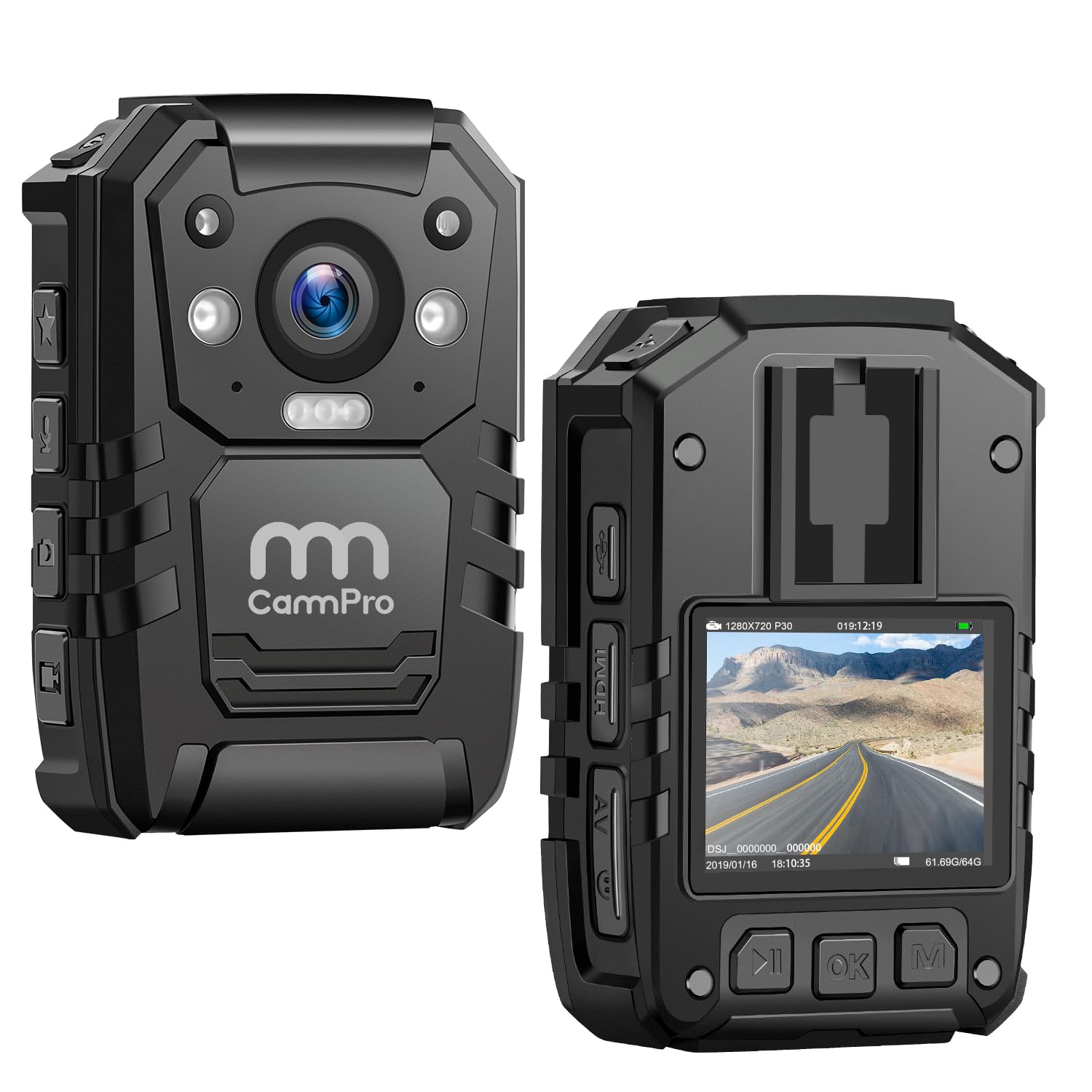
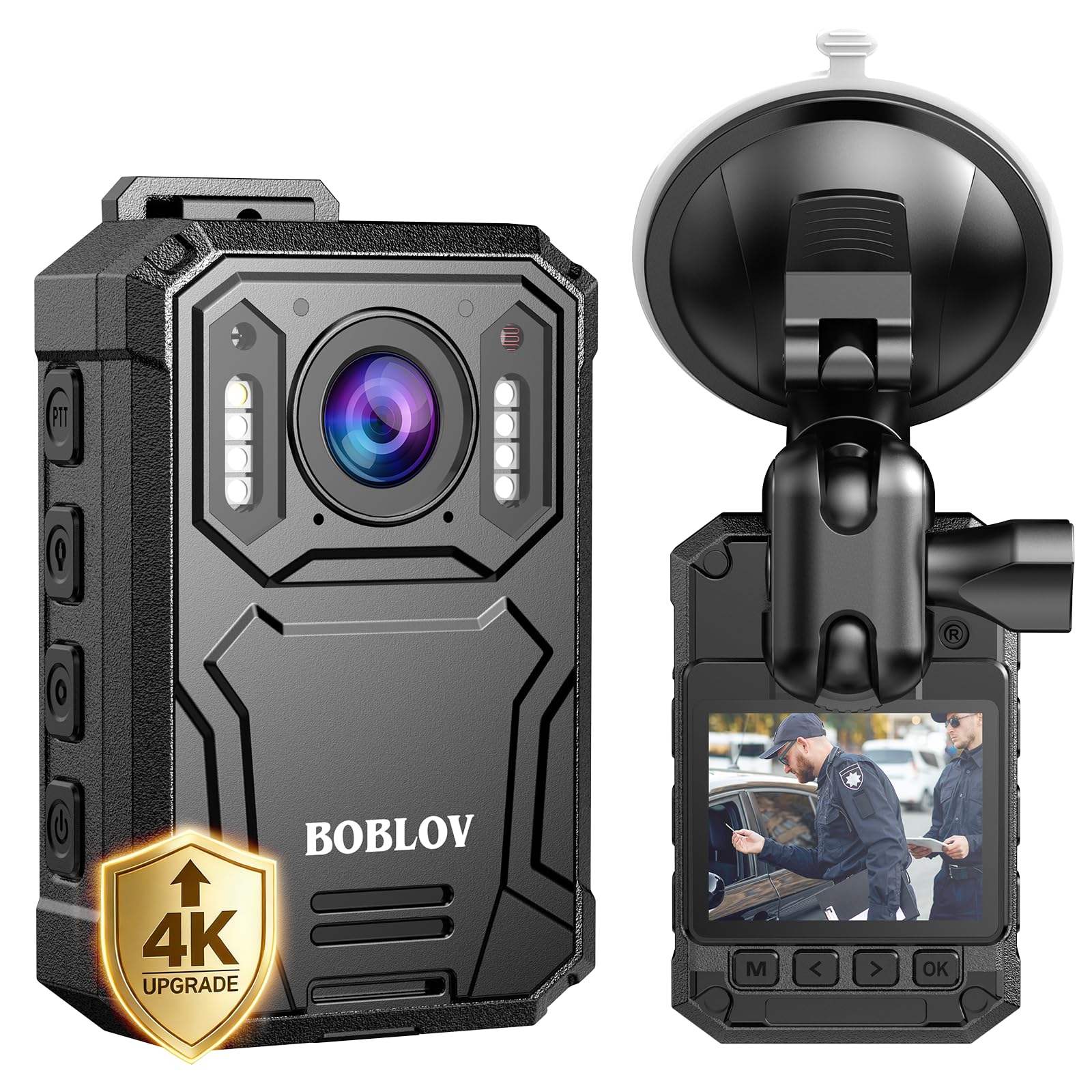


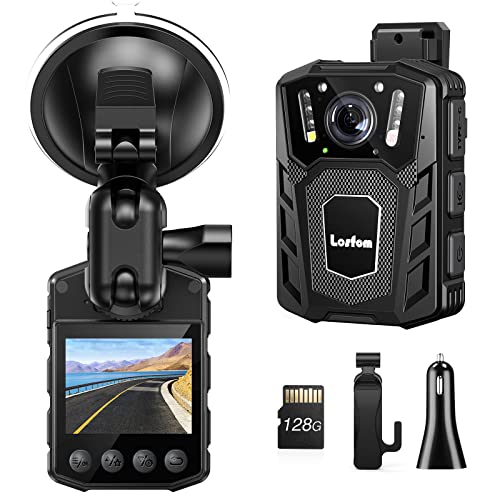

How to Choose: Key Features to Compare
The factors below decide how a camera performs on real shifts, from a quiet traffic stop to a wet night call. Departments comparing terminology can also read our overview of the best body worn cameras for law enforcement, which uses the same criteria.
Features That Matter for Law Enforcement
Police work asks more of a camera than casual recording. Activation must be fast and possible by touch alone, because an officer cannot look down and search for a small button during an incident. A pre event buffer, which saves the 30 to 120 seconds before you press record, captures how an encounter began. Look for clear status lights and tones you can silence, storage that cannot be edited on the device, and time stamps that sync with dispatch records.
Video Resolution and Low Light Performance
Resolution of 1080p is the practical floor, because faces and license plates must stay readable at a distance. Higher settings such as 1440p sharpen detail but fill storage faster and drain the battery sooner. Sensor quality matters more than the megapixel count, since a larger sensor gathers more light and holds detail in shadow. Infrared or strong low light modes decide whether night footage shows a face or only a silhouette, so weight them heavily for night shifts.
Durability and Weather Sealing
A patrol camera gets rained on, knocked against door frames, and dropped on pavement. Look for an IP67 rating or better, which covers heavy rain and brief immersion, plus a stated drop height of about 2 meters. Sealed ports keep dust and moisture away from the charging contacts. A housing that survives weather but has a fragile mount still fails in the field, so judge the clip and the case as one system.
Stabilization and Field of View
Body cameras do not use autofocus systems like photo cameras, because the lens is fixed focus and set for a wide depth of field. What matters instead is electronic stabilization, which smooths the shake from walking and running so footage stays watchable. A field of view around 120 to 140 degrees captures hands and surroundings without the heavy distortion of extreme wide lenses. Too narrow a view misses action at the edges, which is often where a dispute starts.
Ease of Use and Activation
Controls must work with gloves on and under stress. One large record button, a sliding switch you can feel, and simple docking that uploads and charges without cables all reduce errors. Automatic activation triggers, such as starting when a holster releases or a light bar turns on, remove the human step entirely on some systems. The easier a camera is to start and dock, the more consistently officers will use it across every shift.
Recording Modes, Storage, and Battery
Storage of 32 to 128 GB is typical, and higher video settings fill it quickly, so match capacity to your retention and upload routine. Battery life should cover a full shift of about 10 to 12 hours, with margin for overtime. GPS tagging ties footage to a location, which helps reconstruct an incident later. File protection also matters: recordings should transfer to a managed system where access is logged, rather than sitting on removable cards anyone can copy.
Types of Body Cameras
Standard Chest Mounted Cameras
The classic design clips or magnet mounts at chest height and records from the officer point of view. These models carry the largest batteries and storage, and they suit uniformed patrol best. Our roundup of the best body cameras covers this main group in more depth. The weakness is aim: the camera points where the chest points, which may differ from where the officer is looking during a struggle.
Compact Clip On Cameras
Smaller units clip to an epaulette, pocket, or glasses arm and weigh far less, so they fit plain clothes work, bike patrol, and officers who find chest units uncomfortable. The cost is shorter battery life and smaller storage, so they may need a mid shift swap or charge. Many departments issue them as supplements rather than as the only camera. A broader look at the best body worn cameras shows how these compact styles compare with full size units.
Integrated Camera and Dock Systems
These systems pair each camera with a station dock that charges it, uploads footage, and applies updates automatically when the shift ends. They cost more up front, and the software often carries a subscription, but they remove the file handling mistakes that plague manual systems. Large agencies gain the most, because hundreds of cameras stay managed with little daily effort from supervisors.
Choosing Body Cameras for Your Situation
Best Body Cameras for Law Enforcement Car Camera
The phrase best body cameras for law enforcement car camera points to setups where the body camera and the patrol car camera work as one system. Look for automatic handover, where the in car unit records the wide scene and the body camera takes over when the officer steps out, with both files sharing one time stamp. A vehicle dock that charges the body camera between calls also helps. Choose this pairing when most encounters begin as traffic stops.
Policies, Privacy, and Local Rules
A camera purchase is also a policy purchase. Before choosing hardware, confirm your agency rules on when recording must start, when officers may stop it, and how long footage is kept. Recording inside homes, hospitals, and places of worship raises privacy questions, and consent and notification rules differ by state and by country. This guide cannot give legal advice for your area, so have your agency leadership and legal counsel review local recording and disclosure rules before the first camera goes into service.
How to Make Your Body Camera Last Longer
- Wipe the lens with a clean lens cloth, not your shirt, because gritty fabric scratches the coating and softens every recording after it.
- Carry a spare battery or a charged spare camera on long shifts, since a dead camera records nothing and swapping beats rationing.
- Store the camera in a dry, padded bag or its dock, away from heat in a parked car, which ages batteries quickly.
- Update the firmware when your administrator releases it, because updates often improve battery reporting and fix upload faults.
- Inspect mounts and clips weekly, since a cracked clip is the most common reason a camera ends up on the ground.
Frequently Asked Questions
What features matter most in body cameras for law enforcement?
Reliable activation matters most, because footage that never starts has no value. After that come battery life that covers a full shift, low light video clear enough to identify faces, and storage that protects files from editing or loss. A pre event buffer and automatic triggers add real value on busy patrols. Buyers should weigh these working features above maximum resolution, which often costs battery and storage without improving evidence quality.
How long should a body camera battery last on patrol?
A patrol camera should record for about 10 to 12 hours, matching a full shift with overtime margin. Quoted battery figures usually assume mixed recording and standby, so heavy recording days drain the pack sooner. Agencies running longer shifts should choose swappable batteries or vehicle charging between calls. Trying one unit across a real week of shifts tells you more than any rating printed on a box.
Which body camera features matter most for night shifts?
Sensor quality and low light processing matter most, because street lighting leaves faces in shadow. Infrared assistance helps at close range, though it records in black and white and can wash out reflective clothing. A wide field of view also helps at night, since incidents move fast and off center. Finally, a status light you can dim matters, because a bright recording light can distract or escalate a calm night encounter.
How much storage does a body camera need?
Storage need depends on resolution and how much of each shift is recorded. At 1080p, a camera typically uses about 4 to 8 GB per recorded hour, so a 64 GB unit holds roughly one to two busy shifts. Agencies that upload at a dock every night can run smaller storage safely. Longer retention on the device, such as for remote postings without docks, calls for 128 GB or a strict offload routine.
How much should an agency spend on its first body cameras?
Professional systems often run several hundred dollars per camera before docks, software, and storage costs, while budget units on Amazon cost far less. Very cheap units tend to fall short on battery life and file protection, which are the two things evidence recording cannot compromise. A small pilot purchase of a few units lets officers try mounts, activation, and upload routines before a full rollout. Budget for the data system as well, since managing footage usually costs more over time than the cameras.
The Bottom Line
Judge a body camera by whether officers will activate it every time, whether it records a full shift clearly, and whether its files stay protected afterward. Resolution and price come after those three checks. The best body cameras for law enforcement for your team are the ones that fit your policy and your patrol pattern, so compare the picks in the table against your shift length and budget before you order.