Best Body Worn Cameras for 2026: Everything to Know Before Your First Purchase
Disclosure: We may earn a commission when you buy through links on this page, at no extra cost to you. As an Amazon Associate I earn from qualifying purchases. Learn more

Shopping for the best body worn cameras for the first time? Compare battery, storage, and mounts, learn the recording rules, and avoid rookie mistakes.
Buying your first body worn camera is different from buying any other camera, because the footage may end up settling a dispute, backing up a report, or protecting you after a hard shift. The honest starting point is simple: shoppers comparing the best body worn cameras are buying a record, not a deterrent, since a camera records an event and never prevents one. Your job, your workplace policy, and the recording rules where you live shape the right choice far more than any single spec.
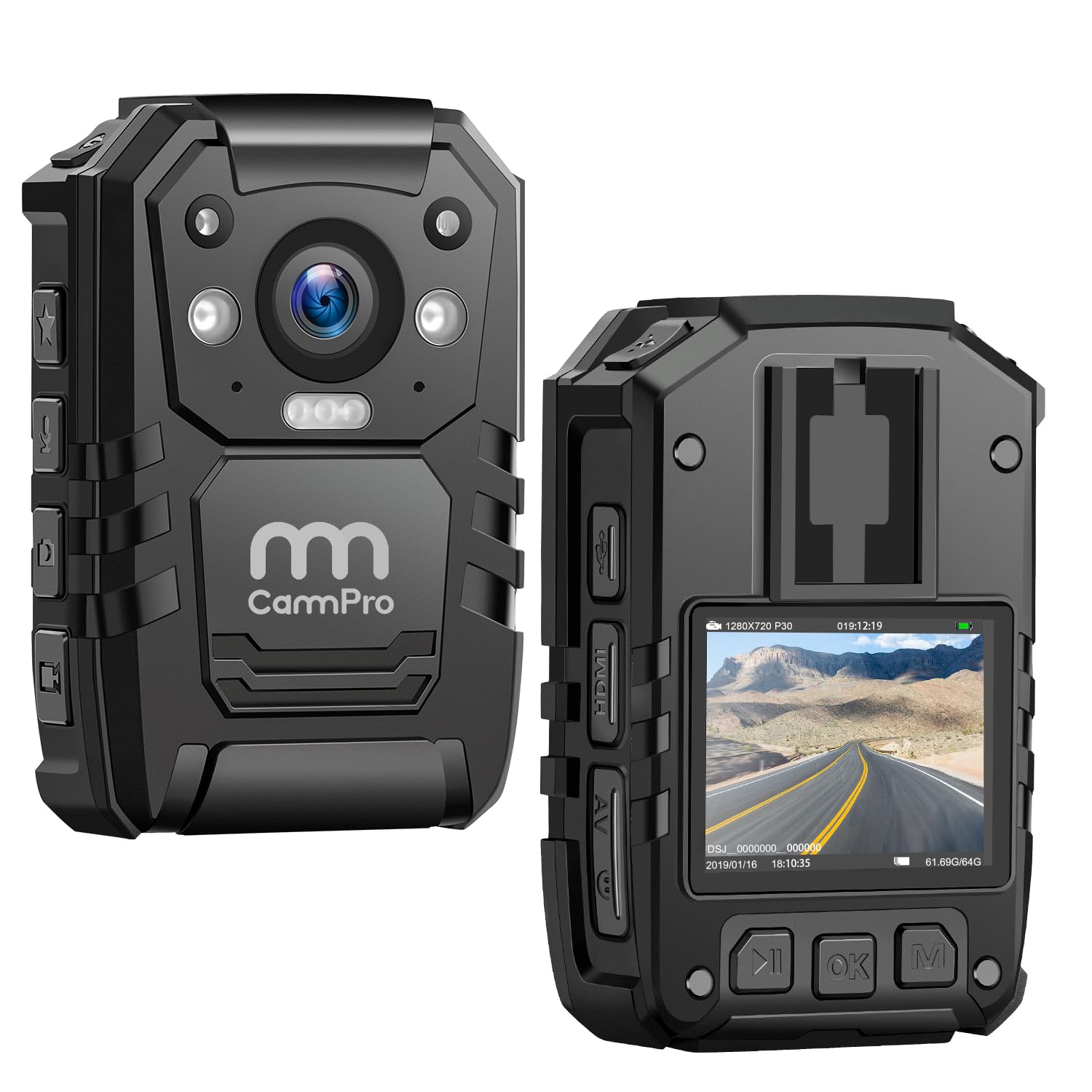
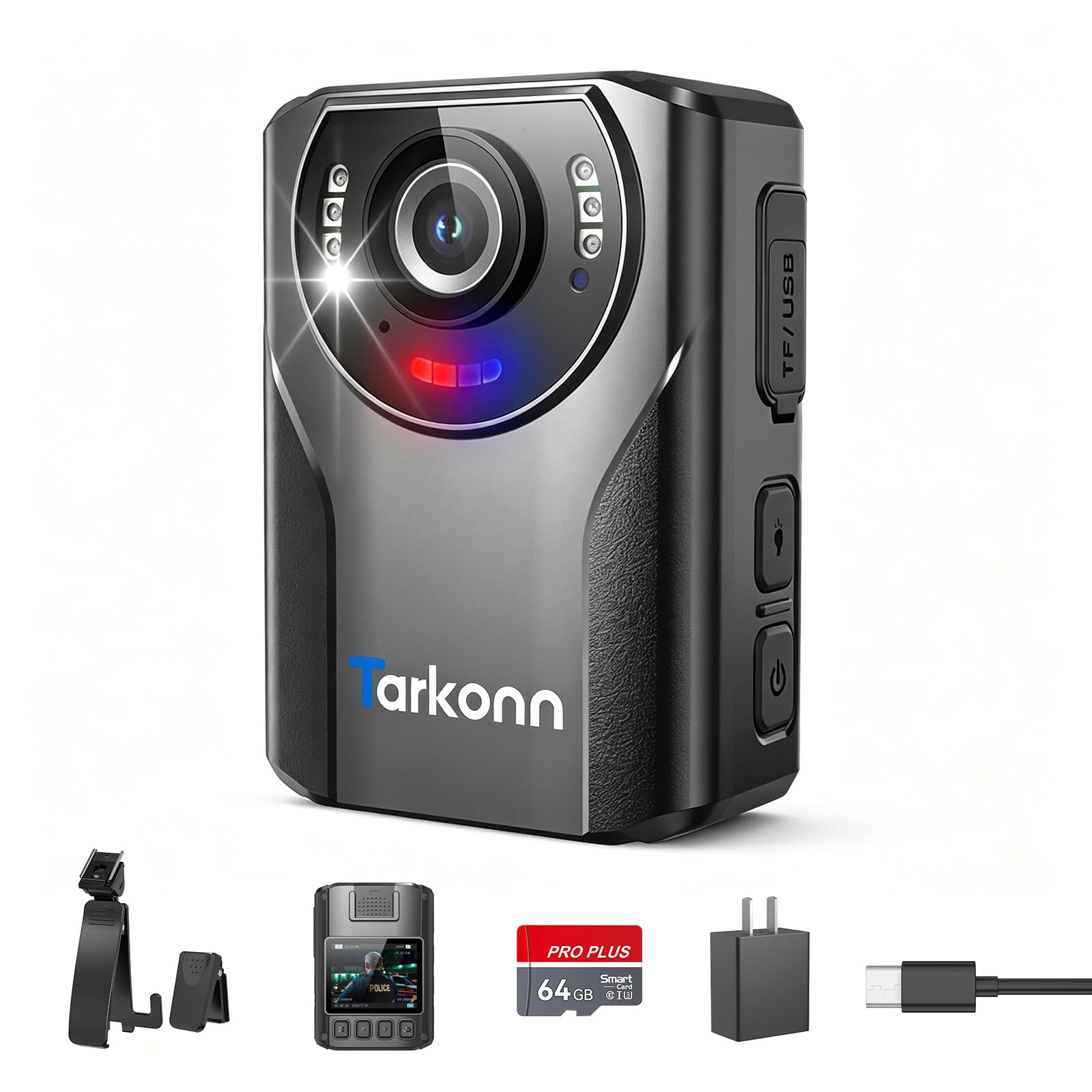
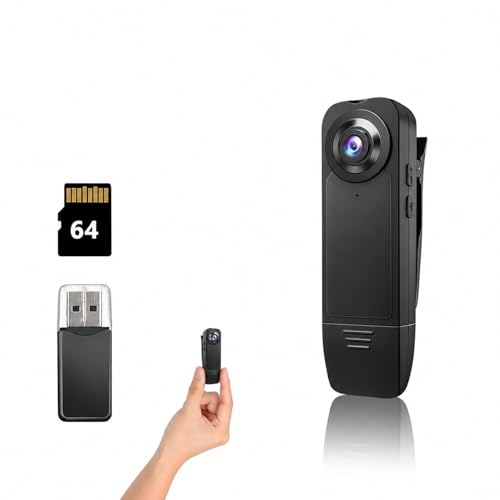
This guide walks through the basics in plain English, the specs that actually matter across a full shift, and the consent rules to settle before your first recording. The product table lines up the main options side by side so you can match each one to the work you actually do.





How to Choose the Best Body Worn Cameras: The Basics
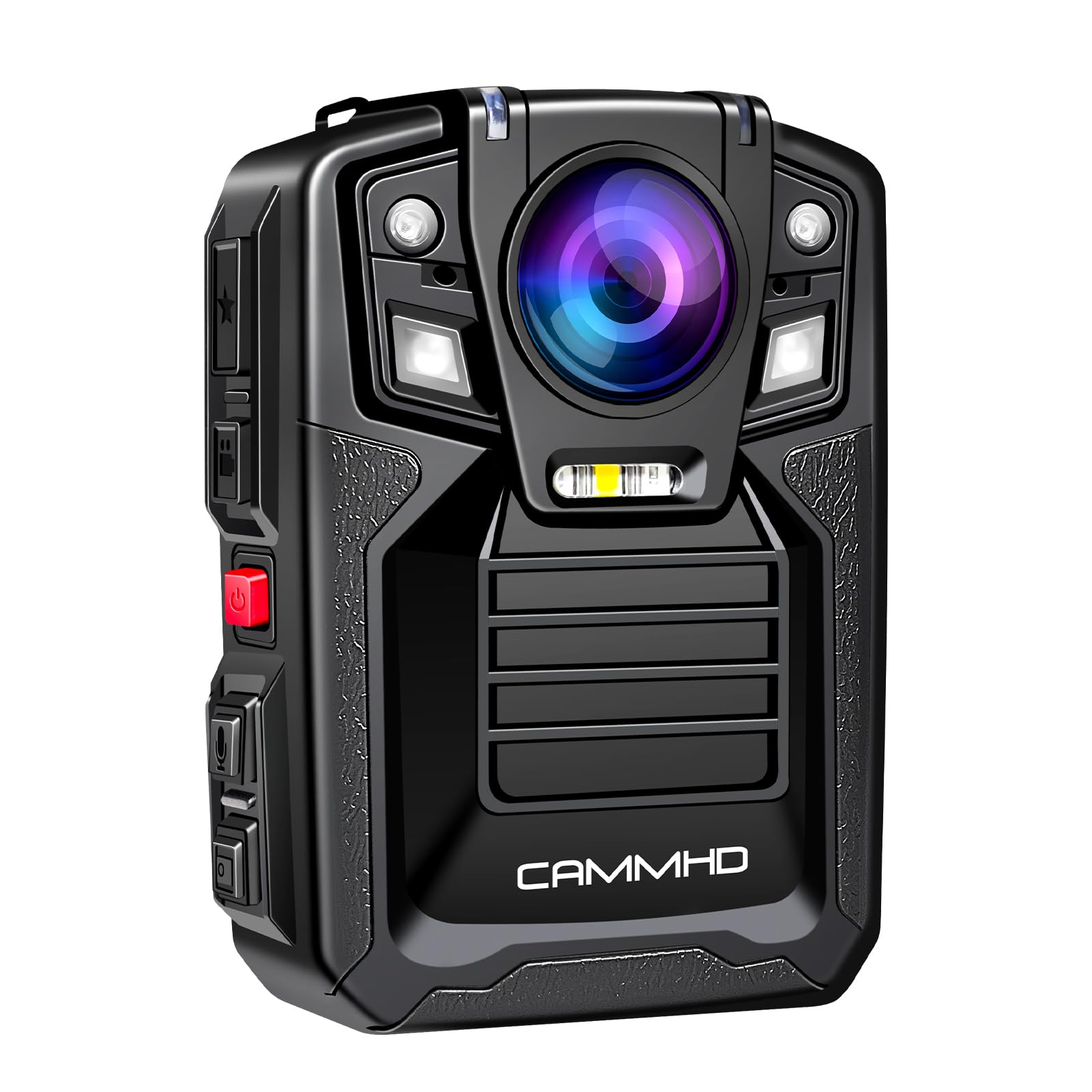
A body worn camera is a small recording unit that clips or mounts at chest or shoulder height and captures what you see and hear while you work. Most record video in short segments to internal storage, stamp each file with the date and time, and save the files when you dock or plug the camera in at the end of a shift. Shoppers often shorten the name and start their search with guides to best body cameras, which cover the same family of devices.
That chest level view is what sets the category apart from the wider world of best digital cameras, where the camera sits in your hands and points only where you aim it. A body camera keeps recording while your hands stay free for doors, paperwork, tools, or a radio. The trade is control: you cannot zoom in on a detail across a parking lot, and the view tilts and sways as you move, so mount position and a wide field of view matter more than they do on a handheld camera.
Start With the Job: Who Wears One and Why
Security staff are the classic buyers, since guards, loss prevention teams, and site officers need a calm, time stamped account of confrontations and refusals of entry. Many departments and firms standardize on one class of camera for the whole team, and guides to best police body cameras show the higher duty end of that market, built around agency rules rather than personal choice.
Delivery drivers, meter readers, home health aides, and field service technicians form the second big group. Their recordings document deliveries, site conditions, and access problems, and the camera mostly needs to be light, simple, and hard to knock off a uniform. Battery life covering the whole route matters more to this group than top resolution.
The third group buys a camera as a personal record for public facing work, dog walking routes, parking enforcement, or volunteer patrols. If that is you, the buying order changes again: local consent rules and plain, honest controls you can operate without looking down come first, and picture quality comes second. In every group, the camera only witnesses. It does not calm a room down, stop a theft, or replace a written report, so buy it as a witness and nothing more.
Key Specs Explained in Plain English
The product table shows the range of cameras on offer, and the specs below explain what separates them in daily use.
Resolution and Field of View
Resolution is the detail in each frame, sold in classes such as 1080p, 1440p, and 4K. For reading a name badge, a license plate at close range, or the words on a posted notice, 1440p is a sensible target, while 1080p still covers faces and events at talking distance. Field of view is how wide the picture spreads, usually about 120 to 170 degrees. Wider views catch more of a doorway or a vehicle interior but bend straight lines at the edges, so treat very wide figures as a trade, not a pure win.
Battery Life and Charging
Battery ratings are given in hours of continuous recording, and honest shopping means matching that figure to your longest shift with room to spare. A camera that dies mid shift records nothing, and the gap always seems to land on the moment you needed. Look for a rated life of about 8 to 12 hours if you record often, and check how the camera charges: a dock that tops up and downloads at once builds the habit of an empty, charged camera waiting each morning.
Storage and File Keeping
Internal storage is fixed on most models, in classes of about 32 to 256 gigabytes, and higher resolution fills it faster. The habit that gives footage its weight is keeping the original files unedited and stored carefully, with the camera set to the right date and time before every shift. Trimming, renaming, or re saving a clip can undermine it later, so move originals to a folder or drive, keep them whole, and let copies do the traveling when a supervisor or insurer asks to see them.
Mounts and Fit
The mount decides whether the camera still points forward at hour nine. Clip mounts grip a shirt placket or duty belt, magnetic mounts pair through a uniform layer, and shoulder or epaulet mounts sit higher for a view over a dashboard or counter. Match the mount to what you actually wear, since a heavy camera on a thin polo shirt will sag and film the ground. A short walk, a flight of stairs, and a sit in your vehicle will tell you more than any listing photo.
Durability and Weather Sealing
Outdoor shifts bring rain, dust, and knocks against door frames, so look for a sealed body with a stated water resistance rating and covered ports. Drop survival matters too, since a camera that falls on concrete during a scuffle has to keep recording or at least keep its files. Rubber edging and a recessed lens help, and a lens you can wipe clean with a soft cloth in one pass matters on wet nights. Sealing ratings describe fresh water resistance under controlled conditions, so rinse off salt and grit rather than trusting the rating forever.
Low Light and Night Recording
Many shifts run in dim parking structures, stairwells, and unlit yards, where a larger sensor and wider lens opening gather more of the little light available. Some cameras add infrared lamps for near total darkness, which record a clear but colorless picture at short range. Judge night claims carefully, because a bright sample image may come from a street lit scene. If your work is mostly at night, weight this spec above resolution, since a sharper camera that sees nothing after dark is the wrong tool.
Recording Rules, Consent and Privacy
Rules come before hardware. If your employer or agency issues cameras, that policy decides when you record, what you keep, and how long files are stored, and it overrides anything a product page promises. Guides to best body worn cameras for law enforcement show how formal those duty policies can get, with set activation rules and retention schedules. Everyone else should still check local recording laws before the first shift, because consent rules for recording conversations vary widely by state and country.
Audio is the most restricted part of any body camera. Some places allow recording a conversation when one person in it knows, others require every party to agree, and workplaces, hospitals, schools, and private homes add their own limits. Models sold as best body cameras with audio make the sound easy to capture, which makes the legal homework more important, not less. A plain habit protects you in most settings: say out loud that you are recording, keep the camera visible, and stop when a supervisor, a property owner, or the law tells you to stop.
Rookie Mistakes to Avoid
- Buying resolution and forgetting the shift. A 4K camera with a five hour battery is a part time witness, so match battery life to your longest day first.
- Skipping the rules check. Recording audio where consent is required can turn your own footage into a liability, so read local law and workplace policy first.
- Wearing a mount that does not fit your uniform. A sagging camera films belts and dashboards, so try the mount on the clothes you actually wear.
- Editing or trimming original clips. Altered files carry less weight in any review, so archive originals untouched and share copies.
- Letting storage fill up. A full camera stops recording without much warning, so build a download and clear routine into the end of every shift.
Getting Started: Setup and First Use
Charge the camera fully, then set the date, time, and your name or badge number in the on screen stamp before anything else, since a wrong clock weakens every file the camera makes. Format the storage from the camera menu, choose your resolution, and decide whether loop recording suits your policy, knowing a loop overwrites the oldest files once storage fills. Clip the camera on, record a minute indoors and a minute outside, and watch both clips for angle, sound level, and shake.
From there, build the shift routine: camera on at the start, a spoken note when you activate it during an encounter, and a download, charge, and lens wipe at the end. Keep a soft cloth for the lens rather than a shirt tail, store the camera dry, and note any mount damage while it is still a small problem. After the first week, review a few ordinary clips, not just eventful ones, to confirm the view still matches where you actually look while working.
Frequently Asked Questions
Is a smartphone enough instead of a body worn camera?
A phone records good video, but it ties up a hand, drains the battery you need for calls, and stops the moment you pocket it. A body camera keeps recording hands free through a whole shift and holds its chest level angle without attention. The practical middle ground many new buyers miss is the mount: a phone on a chest harness covers short, occasional tasks, while daily duty calls for a purpose built unit with a dock and fixed storage.
What specs matter most on a first body worn camera?
Battery life that covers your longest shift, a mount that suits your uniform, and storage you can clear every night matter more than headline resolution. After those three, look at field of view and low light performance, since most first time regret comes from a camera that died early or filmed the floor. One extra worth checking is the record button itself: a large, raised control you can find by touch beats a smooth touch panel when gloves or stress enter the picture.
How long can a body worn camera record before storage fills up?
It depends on resolution and storage size, but a mid sized camera at 1080p often holds roughly a full working week of shifts before space runs short, while 4K can cut that to a day or two. Cameras that record in short segments make the math easy to check in the file list after one shift. If your workplace sets a retention period, size your download routine to it, because keeping thirty days of footage takes far more planning than keeping three.
Do body worn cameras have to be visible to the people being recorded?
In most workplaces and public facing roles, yes, the camera is worn openly, and many policies require you to announce recording at the start of an encounter. Hidden recording raises the legal stakes sharply and is banned outright in some roles and places. The specific duties differ by state, employer, and setting, so treat visibility and a spoken notice as the default, and get written guidance from your employer or a local legal source before doing anything less open.
How much should a first body worn camera cost?
Simple personal and light duty cameras run about $60 to $150, mid range units with longer battery life and better mounts run about $150 to $300, and duty grade cameras with docking systems run about $300 to $600. First time buyers often forget the extras, so add a spare mount, a second charging cable for the vehicle, and storage for archived files to the real total. Spending into the mid range for battery and mount quality usually serves a new buyer better than spending on maximum resolution.
Final Thoughts
Choose by job first, rules second, and specs third, and the shortlist mostly builds itself. For most first time buyers, the best body worn cameras are the ones that outlast the shift, sit steady on the uniform you own, and store their files in a routine you will actually follow. Set the clock, check the angle, and keep the originals untouched. Then look at the product table and pick the one that matches your work, your policy, and your budget.