Best Boost Mobile Phone: Buying Guide for 2026
Disclosure: We may earn a commission when you buy through links on this page, at no extra cost to you. As an Amazon Associate I earn from qualifying purchases. Learn more
Pick the best boost mobile phone by comparing displays, battery life, cameras, software support and plan fit for your budget.
Shopping for a best boost mobile phone means balancing the phone itself with the plan you will use it on. A phone that looks like a bargain can disappoint if its battery fades fast, its software support ends early, or its camera struggles in low light. You do not need the most expensive option to get a phone that handles calls, messages, photos, and everyday apps well.
This guide explains the features that matter, the types of phones available, and how to match a phone to your budget. The comparison table below gives a quick overview of the main phone types.

Spending Levels: What Each Budget Gets You
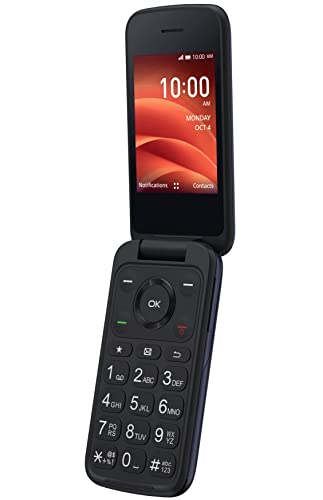
At the lower end of the range, around $100 to $200, expect a solid everyday phone with a decent screen, a capable camera in good light, and enough performance for calls, messaging, and social apps. Storage may be limited, so check whether you can add a memory card.
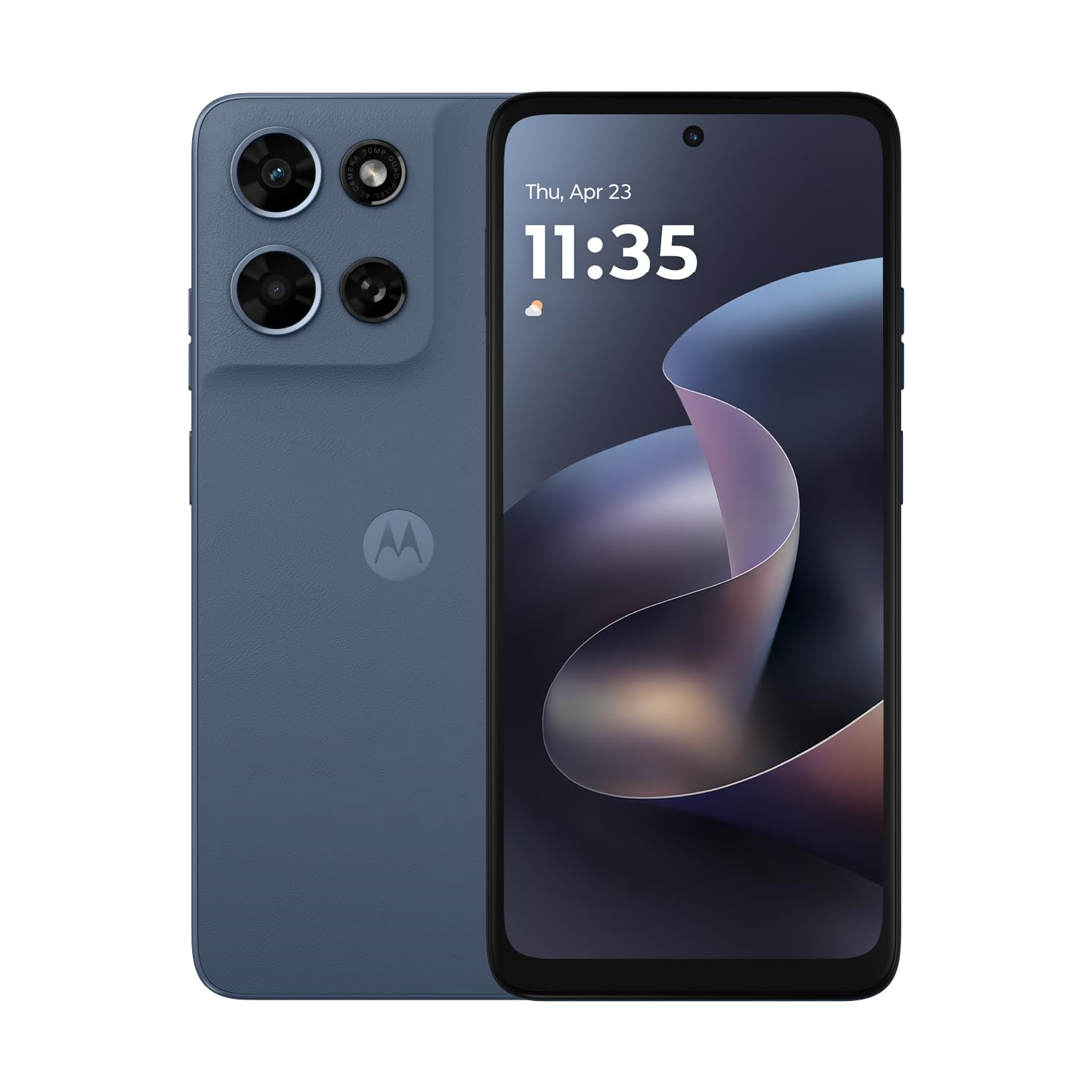
In the middle range, about $200 to $400, you generally get a brighter screen, a better camera system, faster charging, and longer software support. At the upper end, above $400, you pay for a premium display, stronger cameras in low light, and longer update windows. Buy up only if those extras match how you actually use your phone every day.
How to Choose the Best Boost Mobile Phones: Buying Guide
The features below are the ones that change daily life with a phone. Work through them in order, and note which ones matter most for your routine.
Display Size and Quality
Screen size shapes how a phone feels in your hand and pocket. Larger screens suit video and reading, while smaller screens are easier to hold one handed. Look beyond size at brightness, since a dim screen is hard to read outdoors, and at smoothness, since a higher refresh rate makes scrolling feel more fluid.
Think about your habits. If you read a lot or watch video daily, a larger, brighter screen is worth paying for. If you mostly call, text, and check maps, a mid size screen will serve you well.
Build, Durability, and Water Resistance
Build quality affects how a phone survives drops, rain, and daily pocket wear. A water resistance rating such as IP68 means the phone is built to handle immersion under maker specified conditions, while lower ratings cover splashes only. Strong glass helps against scratches, but no phone is unbreakable, so a case and screen protector remain wise.
Consider your environment. If you work outdoors or near water, water resistance and a sturdy frame matter more than a slim design. Check the maker's guidance on what the rating actually covers before relying on it.
Software Updates and Support Window
Software support is easy to overlook and hard to fix later. A phone with several years of operating system and security updates stays safer and keeps working with new apps for longer. Ask how many years of updates the maker promises for that model, not just for the brand in general.
For buyers who keep a phone for three or four years, a longer support window can matter more than a slightly faster chip. Keep software updated once you own the phone, since updates often include security fixes.
Camera System
Camera quality depends on more than megapixels. A good main camera handles everyday photos well, while an ultrawide lens suits landscapes and group shots. Night mode helps in dim restaurants and evening streets, but results vary widely, so look for sample photos in real world conditions rather than trusting a spec sheet alone.
Match the camera to your habits. If you photograph children, pets, or fast action, quick focus and a reliable shutter matter most. For a deeper look at camera focused options, see our guide to the best mobile phone cameras.
Carrier Compatibility and 5G
Carrier compatibility decides whether a phone works fully on your plan. An unlocked phone can move between compatible carriers, while a carrier locked phone is tied to one provider until it is unlocked. Check that the phone supports the network bands your carrier uses in your area.
5G can bring faster downloads where coverage is strong, but it is not essential for calls, messaging, and most apps. If you stream a lot of video on mobile data, it is worth having. If you want an Android option for the same carrier, see our guide to the best boost mobile android phones.
Battery Life and Charging Speed
Battery size, given in mAh, is only part of the story. Screen brightness, chip efficiency, and signal strength all affect how long a charge lasts in real use. A phone that lasts a full day of your normal use, with charge left at bedtime, is a better fit than a phone with a huge battery that drains fast on a weak signal.
Charging speed matters when you top up between outings. Faster wired charging can refill a large part of the battery in half an hour, while wireless charging adds convenience at a desk or nightstand. Follow the manufacturer's charging guidance, and avoid charging in extreme heat.
Types of Boost Mobile Phones
| Type | Best for | Trade off |
|---|---|---|
| Camera focused | Photography lovers | Higher price, larger size |
| Budget | Everyday use on a tight budget | Shorter support, simpler camera |
| Compact | One hand use, small pockets | Smaller screen and battery |
| Flagship | Top display and camera performance | Highest price |
Camera Focused Phones
Camera focused phones put the most effort into lenses, sensors, and photo software. They suit buyers who photograph often and want reliable results in varied light, though the trade off is usually price and sometimes size.
Budget Phones
Budget phones cover the essentials at a lower price: calls, messaging, maps, social apps, and casual photos. They suit first time smartphone buyers, children, and anyone who wants a spare phone. Expect a simpler camera and a shorter support window, and check storage and memory carefully, since these limits show up first as a phone ages.
Compact Phones
Compact phones are easier to hold, pocket, and use one handed. They suit smaller hands and buyers who dislike large slabs of glass. The trade off is a smaller screen for reading and video, and often a smaller battery.
Flagship Phones
Flagship phones offer the best displays, cameras, and build in the lineup, plus the longest support windows. They suit buyers who use their phone heavily and plan to keep it for years. Buy flagship only if you will use its extras regularly.
How to Make Your Boost Mobile Phone Last Longer
- Use a case and screen protector: Most damage comes from everyday drops and pocket scratches. A case absorbs impact and a protector guards the screen.
- Keep software updated: Updates bring security fixes and app compatibility. Turn on automatic updates or check monthly so your phone does not fall behind.
- Avoid charging in extreme heat: Heat ages batteries faster. Do not leave a charging phone in a hot car or under bedding, and unplug once it is full if you can.
- Back up photos regularly: A backup protects memories if the phone is lost or damaged. Set automatic cloud backup or copy photos to a computer each month.
- Manage storage before it fills up: A nearly full phone can slow down and fail to update. Delete unused apps and old videos.
- Clean the charging port gently: Lint in the port can stop cables from seating fully. Use a soft, dry tool and never force a cable.
If you use your phone with other gear, our guide to the best mobile phone headsets covers headsets for calls and media, and our guide to the best android mobile phones compares Android options more broadly.
Boost Mobile Phones: Your Questions Answered
Should I buy an unlocked phone?
An unlocked phone gives you flexibility to switch compatible carriers without buying a new handset. That flexibility matters if you may change plans, travel, or pass the phone to someone on another carrier. Check the unlocking policy before you buy, since some carriers require a waiting period or a paid off device.
Is a mid range phone good enough?
For most buyers, yes, since a mid range phone handles calls, messaging, social apps, maps, and casual photography smoothly. It usually offers a good screen, decent battery life, and several years of updates. You may miss the finest camera detail or the fastest charging, but those extras rarely change daily use unless you have a specific need, such as professional photography or heavy gaming.
How much storage do I need?
Most buyers are comfortable with 128 GB, which holds apps, thousands of photos, and a reasonable amount of video. Choose 256 GB if you record a lot of video, download large games, or keep years of photos on the phone. Remember that the operating system itself uses part of the advertised storage, so usable space is always a little less.
How many years of updates should a phone get?
Aim for at least three years of operating system and security updates, and more if you plan to keep the phone longer. Longer support keeps apps compatible and protects against known security issues. Ask the maker for the promised window for the exact model, since support varies even within one brand.
Do I need 5G?
5G is useful but not essential for most buyers. It speeds up large downloads and streaming where coverage is strong, but calls, messaging, and everyday apps work well on 4G. If coverage is patchy where you live, prioritize battery life and signal quality instead, since a phone hunting for 5G can drain faster.
The Bottom Line
The three decisions that matter most are how long you will keep the phone, how much you rely on its camera, and what your budget allows. A mid range phone with solid battery life and several years of updates suits most buyers. Match the phone to your daily habits, not to the longest spec list.
A best boost mobile phone should feel easy to live with from the first week to the third year. Compare the picks in the product table, check carrier compatibility and update support, and choose the phone that fits your routine and your budget.