Best Body Cameras with Audio: A First Time Buyer's Guide for 2026
Disclosure: We may earn a commission when you buy through links on this page, at no extra cost to you. As an Amazon Associate I earn from qualifying purchases. Learn more

Best body cameras with audio start with consent law and microphone quality. Learn battery, storage, mounts, and price bands before you buy.
A body camera looks simple until you add sound, and then the purchase changes completely. The best body cameras with audio for a first time buyer are not chosen by video numbers alone, because the microphone brings laws, policies, and everyday manners into the decision. A camera that films a scene is one thing, while a camera that records voices is a much more serious tool.
This guide starts with the legal ground rules, then moves through microphones, battery life, storage, and mounts in plain language. The product table lists the picks side by side, so keep it in mind as the sections explain what each class can and cannot do.
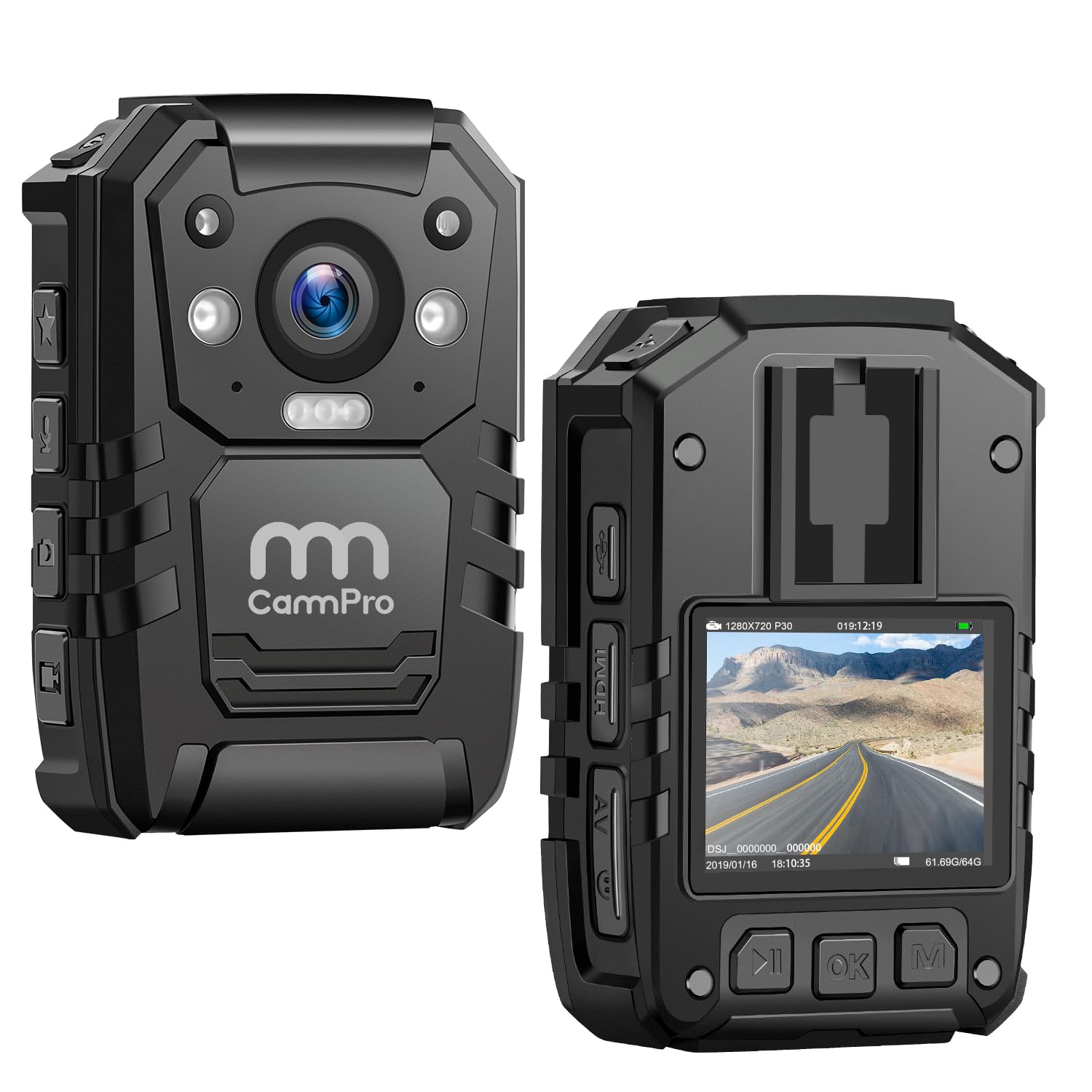

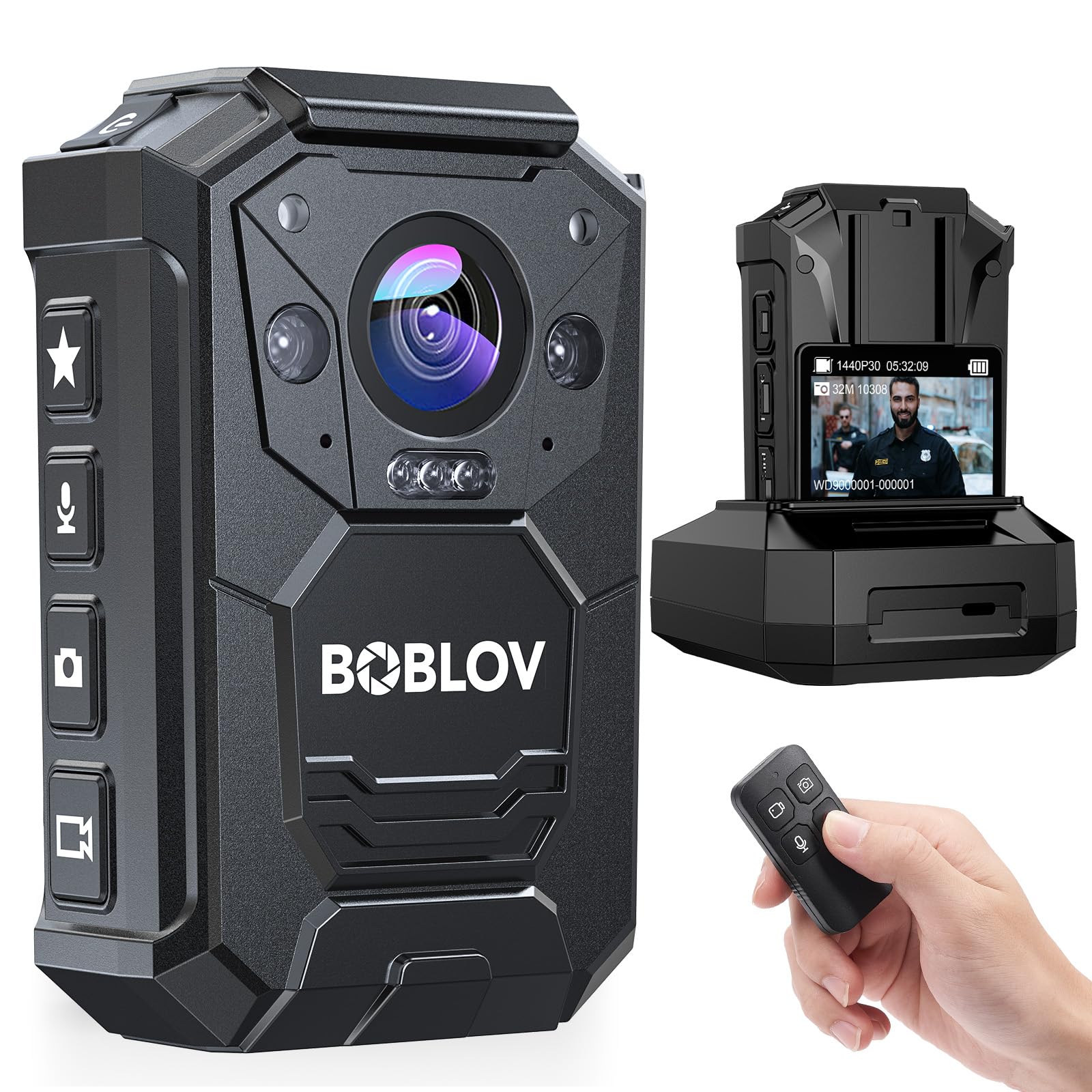


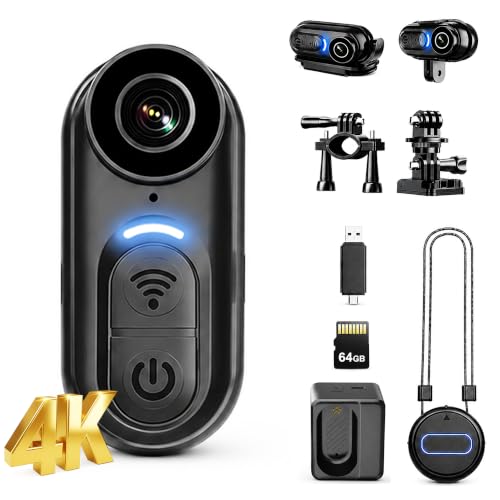
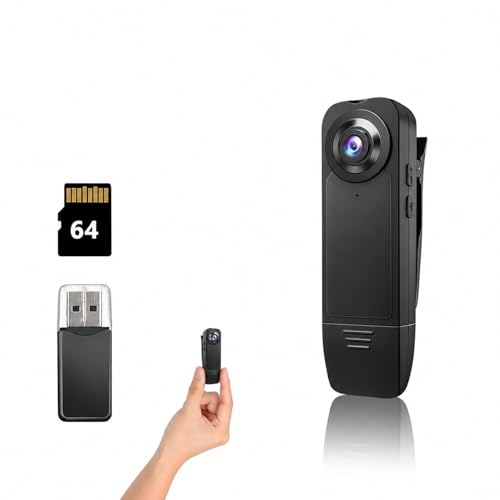
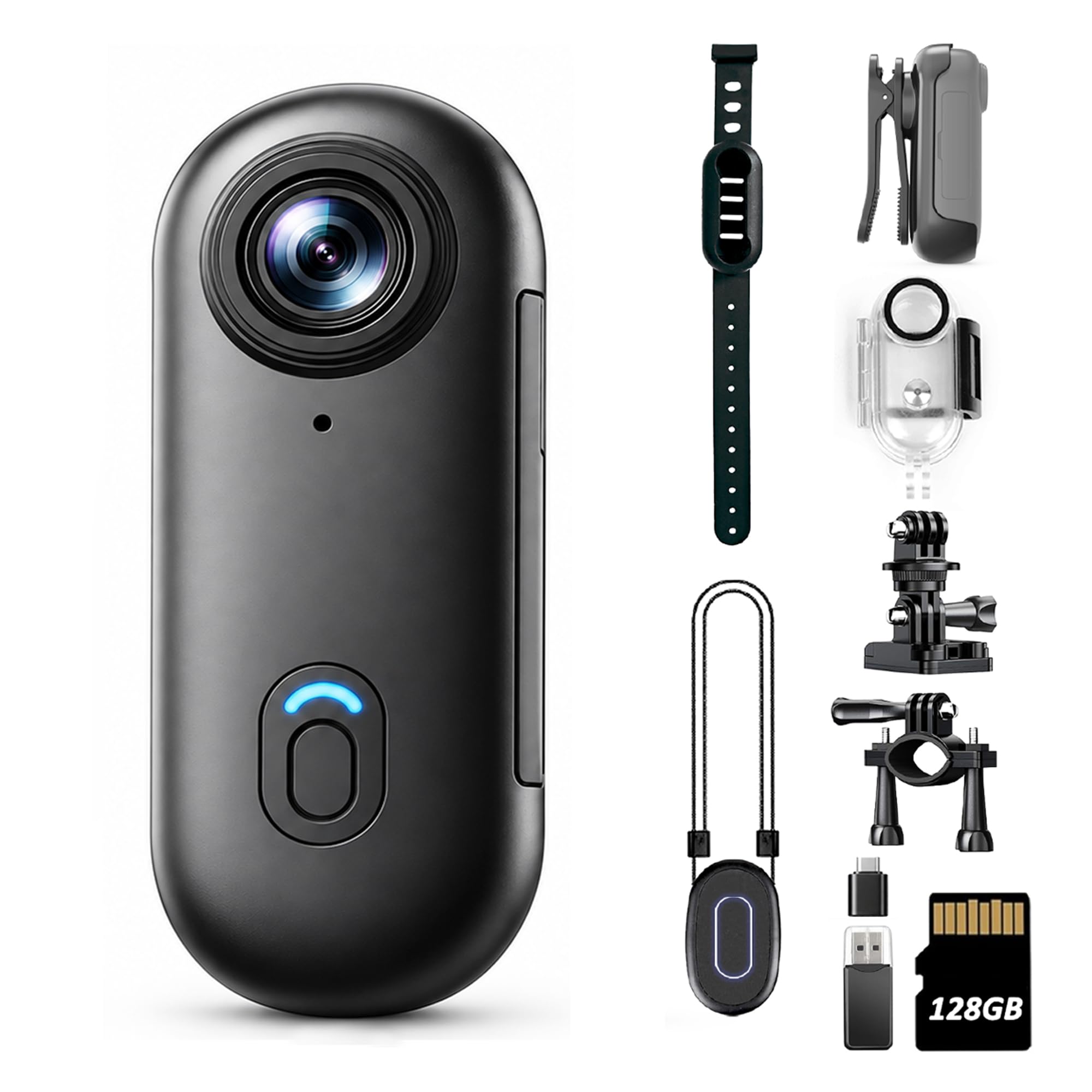


Best Body Cameras with Audio 101: The Basics
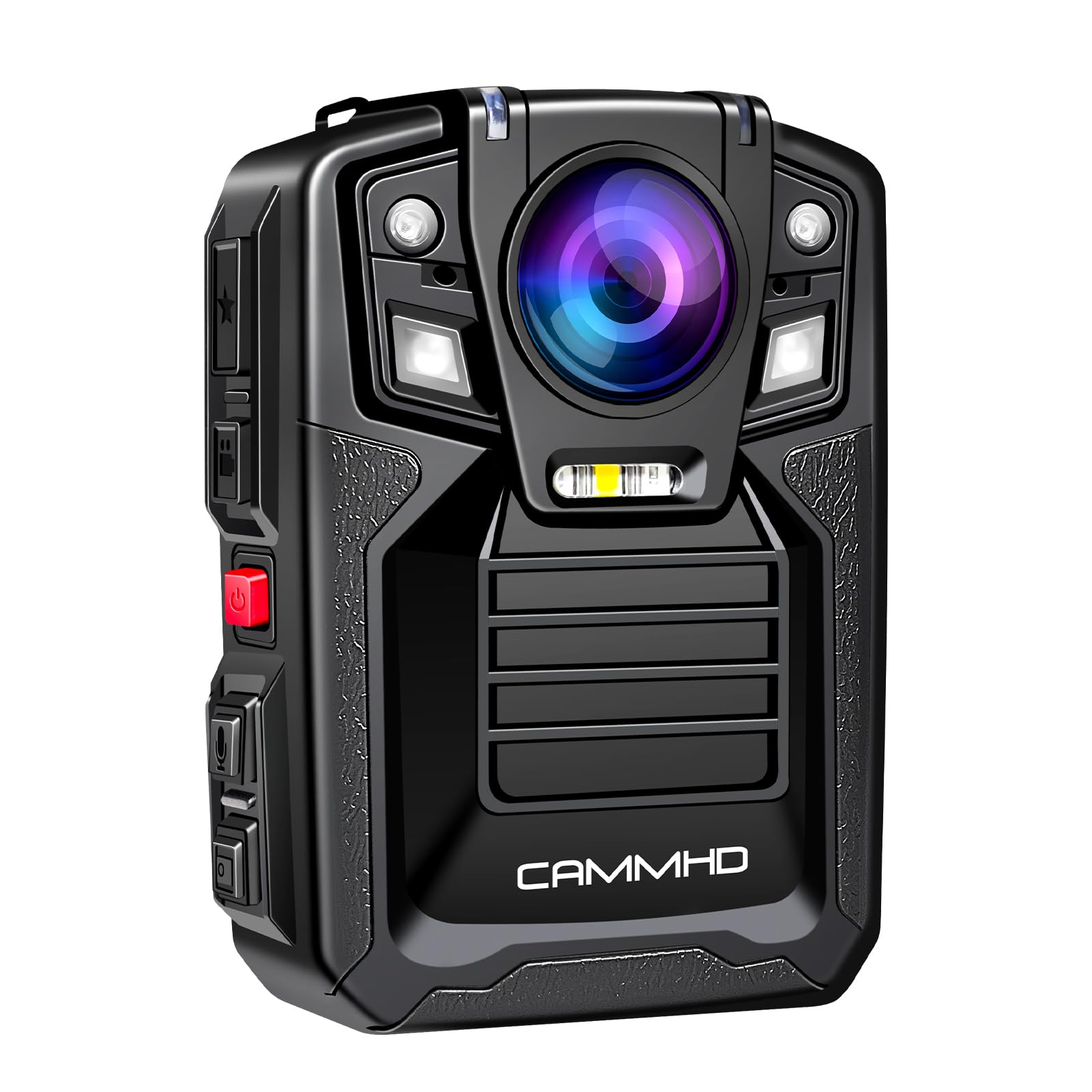
A body camera is a small recording unit worn on the chest, shoulder, or glasses frame that captures video from the wearer's point of view. Models with audio add a microphone that records speech and ambient sound along with the picture. Files save to internal memory or a memory card, and most units stamp each clip with the time and date.
Stated plainly, audio is the highest risk class of recording. Consent law classes for audio are stricter than for video in many places, because some places allow recording with one party consent while others require every party to agree. The wearer checks their own law classes, and any workplace policy classes, before any use, not after the first complaint arrives.
The purpose side is just as plain. A body camera is a record class tool, meaning it documents what happened and prevents nothing by itself. Disclosed use classes are the lawful classes in most settings, so people should know the camera is there and running. Private space classes such as bathrooms, locker rooms, and bedrooms are never recording ground, whatever the local rules say about public places.
Key Specs Explained in Plain English
Why Audio Changes the Whole Purchase
Sound settles disputes that video alone cannot, because words, warnings, and tone are often the very things in question. That value is why the parent class of best body cameras keeps splitting into silent and audio versions. It is also why this class demands more care, since a microphone hears through doors and across rooms in ways a lens does not. If your role does not truly need voices, a video only unit is the calmer purchase.
Microphone and Audio Quality
Microphone placement decides more than microphone price. A mic buried under a thick case or pointed at your chest will muffle speech, while an exposed mic near the collar picks up voices clearly. Wind is the daily enemy outdoors, so foam covers and sheltered placement matter. Some units accept an external microphone, which is the honest upgrade path when clear speech is the whole point of wearing the camera.
Video Quality and Low Light
Resolution numbers are only part of the picture, and stabilization matters because a chest mounted camera moves with every step you take. In low light, infrared lamps let many units record a usable grayscale image after dark. Note that a still photography class like best digital cameras answers a different question entirely, since those cameras are held for single shots rather than worn for hours.
Battery Life and Storage
Recording with audio and infrared drains a battery faster than plain daytime video, so maker figures describe gentle use, not your longest shift. Match the rated hours against your working day and keep a margin. Storage fills at a steady rate, and audio adds little, but long shifts in high resolution still eat cards quickly. A unit that loops over the oldest files suits patrol style work, while event based clips suit occasional use.
Mounts and the Worn Camera Class
The wider family sometimes called best body worn cameras includes chest harnesses, magnetic mounts, clip mounts, and glasses mounts. A mount that wobbles ruins both picture and sound, so check the hold with the jacket or uniform you actually wear. Magnetic mounts are fast but can shift in a scuffle, while harness mounts stay put and spread the weight. Choose the mount for your clothing, not for the product photo.
Ease of Use for Your Skill Level
A good first camera starts recording with one large button you can find by touch, because fumbling through menus during a real incident means the moment is gone. Status lights and tones should confirm recording without a screen check. File transfer by cable or card reader beats a fragile app for most beginners. Simple controls also reduce the chance of an accidental silent recording, which is the most frustrating failure in this class.
Rookie Mistakes to Avoid
- Recording audio before checking consent law, because a clear recording made unlawfully can be useless as evidence and a legal problem for the wearer.
- Assuming hidden recording is acceptable, when covert classes such as best spy cameras with audio sit under the strictest consent rules and are unlawful to use on people in many places.
- Treating a childcare setting like any other, when classes such as best nanny cameras with audio record other people's children and caregivers and demand disclosed, lawful use only.
- Buying for resolution alone and ignoring the microphone, so the video is sharp while every voice sounds like it came from underwater.
- Letting files pile up unmanaged, because storage that fills mid shift and footage nobody can find later both defeat the purpose of wearing the camera.
Getting Started: Setup and First Use
Begin with paperwork, not hardware. Read your local consent rules and your employer's policy, then set the camera's time and date correctly, since a wrong stamp weakens every clip it makes. Charge the unit fully, format the memory card in the camera itself, and record a short clip at home where you speak at normal volume and then play it back.
Use a lens cloth, not your shirt, to clean the lens, because grit on fabric scratches coatings. Carry a spare battery or a charged power bank on long days, and build a simple routine for saving and naming files after each shift. Tell the people you work with that the camera records sound, and make that disclosure a habit from the very first day.
Frequently Asked Questions
Is it legal to record audio with a body camera?
It depends on where you are and who is being recorded. Some places allow one party consent, which means the wearer alone can agree, while others require every person in the conversation to consent first. Workplace policies and property rules can add stricter limits on top of the law. Check the rules that apply to your exact setting before recording anyone, and when in doubt, announce the recording out loud.
How much should a beginner spend on a first body camera with audio?
Most beginners land between about $60 to $150 for a dependable first unit with a decent microphone and honest battery life. Cheaper classes around $30 to $60 often cut corners on audio and mounts, which are the parts that matter most here. Premium classes at about $150 to $300 add storage, infrared range, and tougher housings. Spend first on sound quality and a solid mount, and let video extras wait.
Can a body camera with audio record clearly at night?
Yes, within limits, because most units in this class carry infrared lamps that light a small area for the sensor after dark. The picture turns grayscale and fine detail fades with distance, so faces far away stay hard to identify. Audio is unaffected by darkness and often carries the record at night. Keep expectations modest, since no small worn unit matches a fixed camera with a large lamp.
Is a smartphone enough instead of a body camera?
A phone records well for a few minutes, but it fails as an all day worn recorder. Its battery drains fast, it needs a hand or an awkward pocket position, and incoming calls interrupt recording. A body camera mounts securely, runs for a full shift, and starts with one button. If your need is occasional and short, the phone works, while regular duty calls for the dedicated tool.
What specs matter most for a beginner buying a body camera with audio?
Microphone quality matters most, because unclear speech defeats the reason this class exists. Battery life that covers your longest day comes second, followed by a mount that holds steady on your clothing. Storage size and simple controls round out the list. Treat headline resolution as a minor factor, since a stable, clearly heard recording serves you better than a sharp one nobody can understand.
Final Thoughts
The right first purchase follows a short order. Confirm the consent rules for your setting, insist on disclosed use, then judge the microphone, battery, and mount before any video headline. The product table above shows how the picks compare, and the best body cameras with audio for you will be the ones whose sound stays clear and whose use stays lawful. Buy for the record you actually need, and this small tool will do its one job well.