
Best Body Pillows for Back Pain: Every Type Explained for 2026
Disclosure: We may earn a commission when you buy through links on this page, at no extra cost to you. As an Amazon Associate I earn from qualifying purchases. Learn more

Compare the best body pillows for back pain by fill, shape, length, and firmness to match how you sleep.
A body pillow can change how your spine, hips, and shoulders line up at night, especially if you sleep on your side or wake with stiffness in the morning. Choosing best body pillows for back pain is less about finding one perfect fill and more about matching length, loft, firmness, and shape to how you actually sleep. This guide compares the main types side by side, explains the features that affect comfort, and helps you avoid common sizing mistakes.
The comparison table in the first section gives a quick view of each type and its usual price range, while the sections that follow explain how each fill behaves through the night. Keep in mind that a pillow is a comfort aid, not a treatment, so talk with a doctor if back pain persists, worsens, or comes with numbness or weakness.


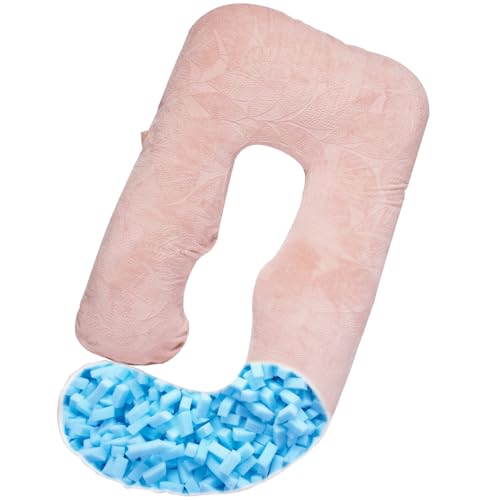


Types of Body Pillows Compared
Body pillows differ in fill, cover, shape, and length, and each combination suits a different sleeper. A pillow that feels supportive at first may flatten, bunch, or slide away during the night, so it helps to judge a type by how it holds its shape, how warm it sleeps, and how easy it is to wash. The table below summarizes the main fill types before each one is explained in detail.
| Type | Best For | Pros | Cons | Typical Price |
|---|---|---|---|---|
| Hybrid fill | Balanced support and softness | Holds shape, adapts to curves | Can sleep warm, heavier to move | About $50 to $120 |
| Linen covered | Hot sleepers, easy washing | Breathable, durable cover | Cover feel varies, fill still matters | About $40 to $100 |
| Down and down alternative | Soft, huggable comfort | Light, moldable, gentle pressure | Flattens sooner, less firm support | About $40 to $130 |
| Latex fill | Steady, responsive support | Keeps loft, resists flattening | Firmer feel, higher price | About $70 to $150 |
Hybrid Fill
A hybrid body pillow blends two or more fills, often a supportive foam core with a softer fiber layer around it. The idea is to combine steady support with a softer surface, so the pillow follows the curve of your waist and hips without feeling hard. Hybrid fills usually hold their shape better than fiber alone through the night, which helps side sleepers who hug the pillow and rest a knee on it. They can sleep warmer than fiber fills, and they tend to weigh more, so check the total weight if you move the pillow often.
Linen Covered Pillows
A linen covered body pillow uses a linen or linen blend cover over a fiber, foam, or latex fill, and the cover itself changes how the pillow feels. Linen breathes well and tends to feel cool and dry, which suits hot sleepers or warm bedrooms. It also washes and dries with reasonable care, although it may feel textured at first and soften with washing. Remember that the cover does not decide support on its own, so still check the fill, loft, and length underneath, and choose a removable cover if you want to wash it separately from the pillow.
Down and Down Alternative
Down and down alternative fills are soft, light, and easy to mold, which makes them pleasant to hug and reshape during the night. They suit sleepers who prefer gentle pressure and a pillow that can be folded or tucked under a knee without resistance. The tradeoff is support, because soft fills compress under weight and may need refluffing or folding to keep hips and shoulders aligned. If you need firmer support for your lower back, a down alternative pillow with a higher fill amount and a firmer outer chamber may work better than a very soft, lightly filled version.
Latex Fill
Latex fill, whether solid or shredded, responds quickly when you move and springs back instead of holding a deep impression. That responsiveness helps the pillow keep its loft through the night, which can suit sleepers who change position often or who dislike sinking into foam. Latex usually feels firmer and more buoyant than fiber, so it may not suit sleepers who want a very soft hug. It also tends to cost more, and some people notice a faint natural scent at first, which usually fades with airing.
Hybrid Versus Linen: Which Should You Choose?
Hybrid and linen describe different things, so the choice is really between a blended fill and a breathable cover, and many pillows combine both. A hybrid fill wins on shape retention and balanced support, because its layered construction resists flattening under hips and knees. A linen cover wins on breathability and easy care, because it moves air well and handles regular washing. For a hot sleeper who still wants steady support, a hybrid fill inside a breathable cover can offer both benefits.
How to Choose the Right Body Pillow
Beyond fill type, several practical factors decide whether a body pillow stays comfortable night after night. Length, loft, firmness, and shape all interact, so a pillow that looks right on paper can still disappoint if it is too short for your height or too soft for your sleeping position.
Material and Fill
Memory foam contours slowly and cradles curves, latex responds quickly and keeps loft, and fiber fills feel soft and light but compress sooner. Cotton percale covers feel crisp and cool, sateen covers feel smooth, bamboo covers feel soft and breathable, and linen covers feel airy and textured. Down feels luxuriously soft and moldable, while down alternative offers similar softness without animal fill and is often easier to wash. Judge a fill by how it behaves after several hours, not just by how it feels when you first squeeze it in a store.
Cooling and Breathability
Gel infusions, open cell foam, and breathable covers can all help a pillow sleep cooler, but no single feature guarantees a cool night. Airflow through the cover and fill matters more than a marketing label, and a pillow that traps heat around your torso can disturb sleep even if the surface feels cool at first. If you sleep hot, favor a breathable cover, a fill that does not trap heat, and bedding that lets air move.
Durability and Care
A body pillow should keep useful loft for at least a year or two of nightly use, although soft fiber fills may flatten sooner than foam or latex. Check whether the pillow itself is machine washable or whether only the cover washes, because washing the whole pillow wrongly can clump fill and ruin support. A sleep trial and a clear warranty can reduce risk, but read what they cover. Replace a pillow when it no longer springs back or leaves your hips and shoulders out of line despite refluffing.
Certifications
Certifications such as CertiPUR US for foam, OEKO TEX for textiles, and RDS for responsibly sourced down describe material content and sourcing standards, not comfort or medical benefit. CertiPUR US relates to foam content and emissions, OEKO TEX relates to textiles screened for harmful substances, and RDS covers down sourcing practices. These labels can help you compare safety and sourcing claims, but they do not tell you whether a pillow will feel supportive for your body.
Features That Matter in the Best Body Pillows for Back Pain
For back comfort, the most useful features are length, loft, and firmness matched to your sleeping position. A pillow should be long enough to support from shoulders to knees for a side sleeper, or to hug comfortably without forcing your spine into a twist. Loft should fill the gap between your waist and the mattress without lifting your hips too high, and firmness should hold that gap through the night rather than collapsing. Shape matters too, since a curved shape can support both knees and the head end, though it takes more bed space.
Best Body Pillows for Back Pain by Sleeping Position
Body Pillows for Back Sleepers: Which Type Works Best
Back sleepers use a body pillow differently from side sleepers, because the goal is gentle support beside the body rather than a thick barrier between the knees. A medium loft pillow placed along one side can support an arm and keep shoulders relaxed without pushing the spine out of line. A softer, moldable fill often works well here, since a very firm pillow can lift an arm too high and strain the shoulder. Look for a length that reaches from shoulder to hip without bunching under the lower back.
Care and Maintenance Tips
Fluff and rotate a body pillow regularly so fill does not settle at one end, and shake it out after washing to restore loft. Wash the cover weekly in warm water if you use the pillow nightly, and follow the care label for the pillow itself, since some fills need spot cleaning only. Use a washable protector to guard against spills and dust, and air the pillow after washing so damp fill does not develop an odor.
See our guide to best body pillows for lower back pain if your discomfort centers on the lower back, since that guide focuses on length and loft for that area. For general head and neck support alongside a body pillow, see our guide to best pillows for back pain. If neck discomfort is a separate concern, see our guide to best neck pillows for neck pain, and for combined neck and back comfort see our guide to best pillows for neck back pain.
Body Pillows: Your Questions Answered
What features matter most in body pillows for back comfort?
Length, loft, firmness, and shape matter most, because they decide whether hips, shoulders, and knees stay aligned through the night. A pillow that is too short cannot support both shoulders and knees, while one that is too soft collapses under weight and loses alignment. Check the fill type as well, since foam and latex hold loft longer than soft fiber. A useful extra check is the pillow weight, because a very heavy pillow can be hard to reposition during the night.
Is a higher thread count always better?
No, a higher thread count does not always mean a better cover, because fiber quality, weave, and finish affect feel and airflow as much as the number itself. A very high thread count cover can feel dense and trap heat, while a moderate thread count cover in a breathable weave can feel cooler and softer. Judge a cover by touching it, checking whether it is removable and washable, and noting whether it feels crisp, smooth, or textured. For hot sleepers, breathability usually matters more than chasing the highest thread count.
Are cooling body pillows worth it for hot sleepers?
Cooling features can help, but they work best as part of a breathable sleep setup rather than as a single fix. Gel, open cell foam, and breathable covers can reduce heat buildup, yet a warm room, heavy bedding, or a non breathable protector can cancel those benefits. If you regularly wake warm, favor a breathable cover and fill, keep the bedroom ventilated, and choose light bedding. A pillow with a removable cover also lets you wash away sweat and oils that can make a pillow feel warmer over time.
How do I wash body pillows safely?
Start with the care label, because washing rules differ sharply between fiber, foam, and latex fills. Many fiber pillows and removable covers are machine washable on a gentle cycle, while foam and latex usually need spot cleaning and air drying. Use a mild detergent, avoid high heat that can damage fill or covers, and dry fully before use so damp fill does not clump or develop odor. A front loading machine handles a long pillow more gently than a top loader with a central agitator, which can twist and bunch the fill.
What firmness is best for back comfort?
Medium firmness suits most sleepers, because it holds the gap between waist and mattress without feeling hard or pushing joints out of line. Side sleepers often need slightly firmer support to keep hips and shoulders level, while back sleepers often prefer a softer, more moldable pillow beside the body. Body weight matters too, since a heavier sleeper compresses soft fills more and may need a firmer or denser fill to keep alignment. If you are between firmness levels, a pillow with an adjustable fill lets you add or remove material until the loft feels right.
How often should I replace my body pillow?
Most body pillows need replacing every one to three years, depending on fill and nightly use, with soft fiber pillows usually wearing out sooner than foam or latex. Replace sooner if the pillow stays flat after fluffing, bunches to one end, or no longer keeps your hips and shoulders aligned. A washable cover can extend useful life by protecting the fill, but it cannot restore fill that has lost its spring.
Final Thoughts
The best choice balances length, loft, firmness, and a fill that holds its shape through the night, with a cover that stays cool and easy to wash. Match those factors to your sleeping position first, then use price and certifications as secondary checks. The product table can help you compare the main options side by side. With a thoughtful match, best body pillows for back pain can become a nightly comfort aid, and you should talk with a doctor if pain persists, worsens, or comes with numbness or weakness.


