Best Body Pillows for Pregnancy: A Buyer Checklist for 2026
Disclosure: We may earn a commission when you buy through links on this page, at no extra cost to you. As an Amazon Associate I earn from qualifying purchases. Learn more

A checklist for choosing the best body pillows for pregnancy: shape, fill, firmness, covers, bed fit and budget.
Shopping for sleep support during pregnancy can feel confusing because long pillows look alike in photos yet feel very different in bed. A useful choice starts with your sleep position, your bed size and the kind of pressure you notice at night, rather than with a single claim on a listing. This guide turns those needs into a clear checklist you can use before you order, so the product table is easier to read with purpose.
Your body changes across pregnancy, so a pillow that feels right in one month may feel too soft, too short or too warm in a later month. The best body pillows for pregnancy are therefore judged here on shape, support, washability, material labels and value, not on one night of comfort alone. Keep your usual sleep side, your height and your bedroom temperature in mind as you work through each section.




A Checklist You Can Use Before You Order
Use this section as a score sheet. A strong option should pass most of the checks below, while a weak option may look attractive in a photo yet fail on length, washing or stitching. Write down your answers as you compare listings, and give extra weight to the two or three factors that matter most for your own sleep.
Shape and Length for Side Rest
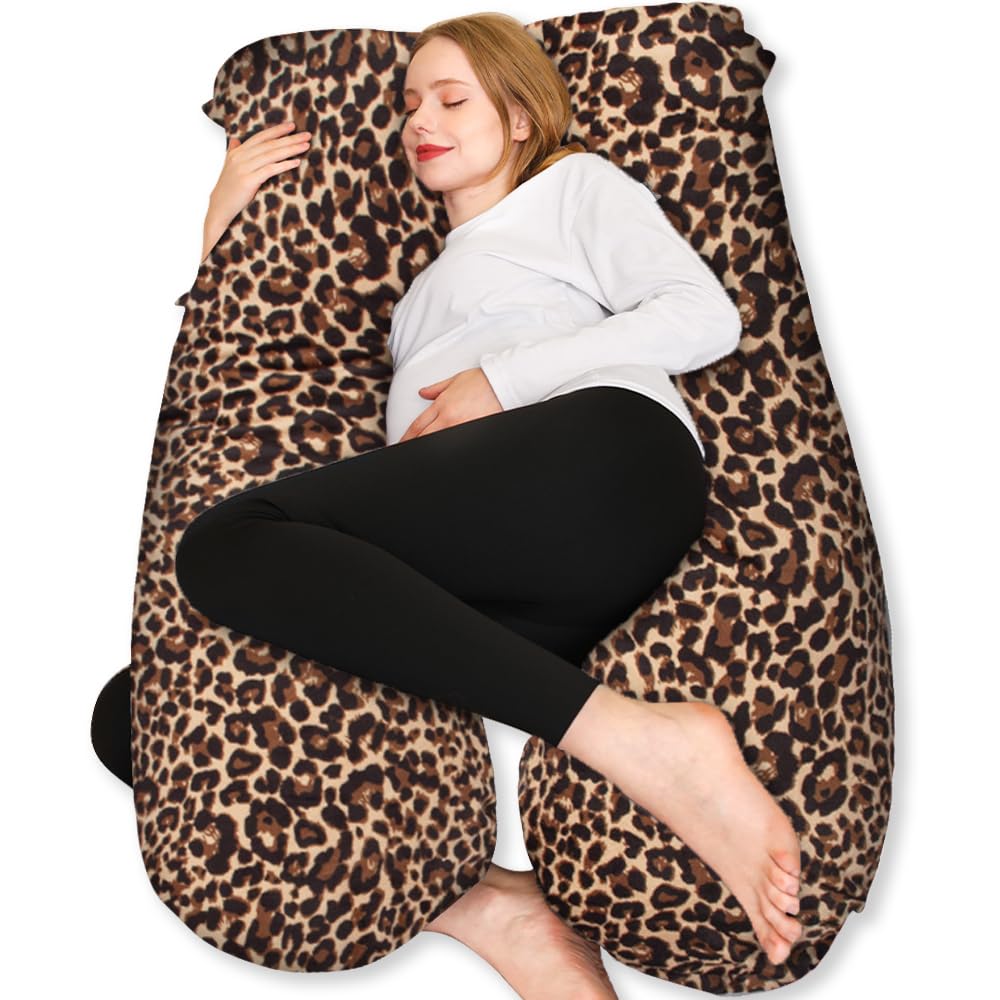
Shape decides where support lands. A pillow shaped like a U can cushion the front and back at once, while a pillow shaped like a C can curve around the belly and between the knees without filling the whole bed. A straight long pillow is simpler to move and store, but it usually supports only one side of the body at a time.
Length matters too, because a pillow that ends above the knees or below the shoulders leaves a gap where pressure can build. Check the listed length against your height and sleep position before you assume a standard size will fit.
Fill and Firmness That Hold Their Form
Fill decides whether the pillow keeps its loft through the night or flattens under the weight of a hip or shoulder. A firmer fill can hold a knee gap open and keep the spine in a more even line, while a softer fill can feel gentle around a tender belly yet may need frequent refluffing. Look for a clear description of the fill type and for guidance on how the pillow should be plumped after washing or storage. If a listing gives no detail about fill weight or loft, treat that gap as a warning sign rather than a minor omission.
Covers, Seams and Washing
A removable cover makes regular cleaning far easier, especially when night sweats or spills become more common. Check whether the cover and the inner pillow can both be washed, and read the care label for water temperature and drying guidance. Strong seams matter because a long pillow is pulled, folded and leaned on every night. Look for even stitching, a sturdy zipper that does not catch on fabric, and a cover that fits snugly without bunching into folds under the body.
Materials and Labels to Check
Material labels help you avoid fabrics that irritate skin or trap too much heat. Cotton and bamboo blends often feel cooler and softer, while some synthetic fills resist clumping and dry faster after washing. Look for clear material statements from the maker, and check for any recall or care notices before you buy.
Ask your doctor about your personal needs, especially if you have allergies, skin sensitivity or a condition that affects sleep. Report sudden swelling of the feet, hands or face to a doctor right away, since a pillow cannot address that symptom.
Bed Size and Room to Move
A very large pillow can crowd a partner, push against a wall or force you into one fixed position all night. Measure your bed width and think about how much space you need to turn, sit up and get out of bed comfortably. A compact curved pillow may suit a smaller bed, while a full wrap shape may suit a larger bed and a sleeper who stays in one place. If you share a bed, talk through the change in space before you order.
How Long the Support Should Last
Durability is about more than surviving one wash. A good long pillow should keep most of its loft for the rest of pregnancy and still feel useful after birth for propped rest or nursing support. Check the warranty length, the return window and whether replacement covers are sold separately. A pillow that loses shape quickly may seem like a bargain at first, yet it can cost more in replacements and restless nights.
Spending Levels Without Naming Winners
Budget options, often under $50, tend to use simpler fills and shorter lengths. They can work well for a short trial or for a smaller bed, but you should check washing guidance and seam quality with extra care. Midrange options, often about $50 to $110, usually offer better covers, more consistent fill and a wider choice of shapes.
Higher priced options, often about $110 to $180, may add cooling fabric, a more durable inner core or a longer warranty. A higher price alone does not prove better comfort for your body, so judge each level by the checklist above and spend more only when the extra feature solves a problem you actually have, such as heat, allergies or limited bed space.
For general pregnancy sleep support beyond a long body style, see our guide to best pregnancy pillows. That comparison can help you weigh wedge shapes and curved shapes before you commit to one long pillow.
If you often wake up warm, cooling fabric and breathable covers deserve extra attention. Our guide to best cooling body pillows explains those fabric choices in more detail.
For a maternity focused view of the same sleep needs, see our guide to best maternity body pillows. That guide looks at support across changing stages of pregnancy.
A Short Yes or No Checklist
Answer each question before you buy. A string of no answers does not always mean rejection, but it should prompt a closer look at the listing or a different shape.
- Does the shape support your belly, knees and back in your usual sleep position?
- Is the length long enough for your height without crowding the bed?
- Can the cover be removed and washed without a struggle?
- Does the listing state the fill type and care method clearly?
- Are the seams, zipper and warranty described in plain detail?
- Will the pillow still feel useful after birth for propped rest?
- Does the price match the cover quality, fill and warranty on offer?
Warning Signs in a Listing
Vague size claims are a common problem, because words like large or extra long mean little without inches. Missing care instructions are another warning sign, since a pillow that cannot be cleaned easily will soon feel less fresh. Very short warranties, unclear material labels and listings that promise medical results should also raise concern.
A pillow can support comfort and rest, but it cannot treat pain, swelling or sleep disorders. Move on if a listing uses absolute promises about health results, and favor a maker that describes comfort, support and care in honest terms.
Choosing for Your Stage and Space
Early pregnancy often calls for light support that can be shifted easily, while later pregnancy often calls for firmer knee and belly support and a shape that stays in place when you turn. Your bed size, your partner and your daytime rest habits all shape the right choice too. A reader who naps on a sofa may value a lighter pillow that moves from room to room, while a reader with a large bed may value a fuller wrap shape. Revisit the checklist as your needs change, rather than assuming that the first pillow you try must serve every stage.
Compact Body Pillows for Pregnancy
Smaller, lighter long pillows can suit a petite frame or a smaller bed. These compact options can be easier to wash, carry and store, yet they may leave taller sleepers without knee or shoulder support. Judge a compact pillow by the same checklist, with extra attention to total length and to whether the curve still reaches both the belly and the knees. A smaller pillow is a good choice only when its size matches your body and your bed, not simply because it costs less or takes less space.
Care That Keeps the Pillow in Shape
Fluff the pillow each morning and let it air out when you can, because trapped moisture can flatten fill and dull a fresh cover. Wash the cover on the schedule given by the maker, and dry it fully before you put it back on the inner pillow. Store a spare cover where it stays clean and dry, and keep the pillow away from direct heat that can weaken fabric and fill. Follow the maker care guide exactly rather than guessing at wash settings.
Frequently Asked Questions
What shape gives the most belly and back support during pregnancy?
A pillow shaped like a U often gives the most even front and back support, because it can cushion the belly on one side and the back on the other without constant repositioning. A pillow shaped like a C can still work well if you mainly need belly and knee support and you prefer a lighter pillow. Try to picture your usual turn at night, since a shape that traps you in one position may feel less restful than a shape you can shift with ease.
How firm should a pregnancy body pillow feel?
A medium firm feel suits many sleepers, because it holds a gap between the knees while still giving softly around the belly. A very soft pillow may feel cozy at first yet flatten under a hip by the middle of the night. A very firm pillow may hold its shape well but press too hard on a tender area. If you change position often, choose a fill that springs back after you move, and check the return policy so you can exchange a pillow that feels too hard or too flat after a few nights.
How do I wash a large pregnancy body pillow safely?
Start with the maker care label, since some inner pillows can be machine washed while others need spot cleaning only. Remove the cover first and wash it separately, then check that the inner fill is fully dry before you use the pillow again. A damp inner core can develop an odor and lose loft, so allow extra drying time for thick fills. Keep a second cover on hand if you wash often.
When in pregnancy should I start using a body pillow?
Many people start when side sleeping becomes more comfortable or when hip, knee or back pressure begins to disturb sleep, which often happens in the second trimester. There is no single start date that suits everyone, so let your own comfort guide the timing. Starting early can help you learn how to position the pillow before sleep becomes more broken. If pressure appears sooner, a smaller wedge or a folded blanket can offer short term support while you compare long pillow shapes.
Does a higher price mean a better pregnancy body pillow?
No, a higher price does not by itself mean a better pillow, because quality depends on clear material labels, sound stitching and honest maker guidance. A lower priced pillow with a removable washable cover and a clear care label can be a sound choice. A costly pillow may add cooling fabric or a longer warranty, yet those extras do not replace basic checks. Compare labels, seams and return terms at every price level, and ask your doctor if you have a personal health concern.
Final Checklist Verdict
Shape, firmness, washability, bed fit and honest maker labels matter more than any single marketing claim. Use the yes or no checklist above, spend more only for a feature that solves your own problem, and keep the product table in view as you compare options. The best body pillows for pregnancy for you will be the ones that fit your body, your bed and your changing comfort needs through the months ahead. Ask your doctor about personal needs, and revisit the checklist if your sleep position or comfort changes.