Best Boat Shoes for Fishing: Budget, Midrange, and Premium Options for 2026
Disclosure: We may earn a commission when you buy through links on this page, at no extra cost to you. As an Amazon Associate I earn from qualifying purchases. Learn more

Boat shoes for fishing compared by wet deck grip, drainage and fit, with what each price level buys and which features are worth it.
A fishing deck is a harsh place for footwear. Fish slime, bait, spray and washdown water coat the surface, and a shoe that grips well at the dock can skate on a wet gelcoat. The best boat shoes for fishing pair a soft, siped rubber outsole with quick drying uppers and a fit that stays put when the boat rolls. Use the comparison table below to see the main styles, then read on to match one to your trips.
Price spreads are wide, so this guide explains what each budget level buys, which features earn their cost and which to skip, and how to care for the pair so the grip lasts.
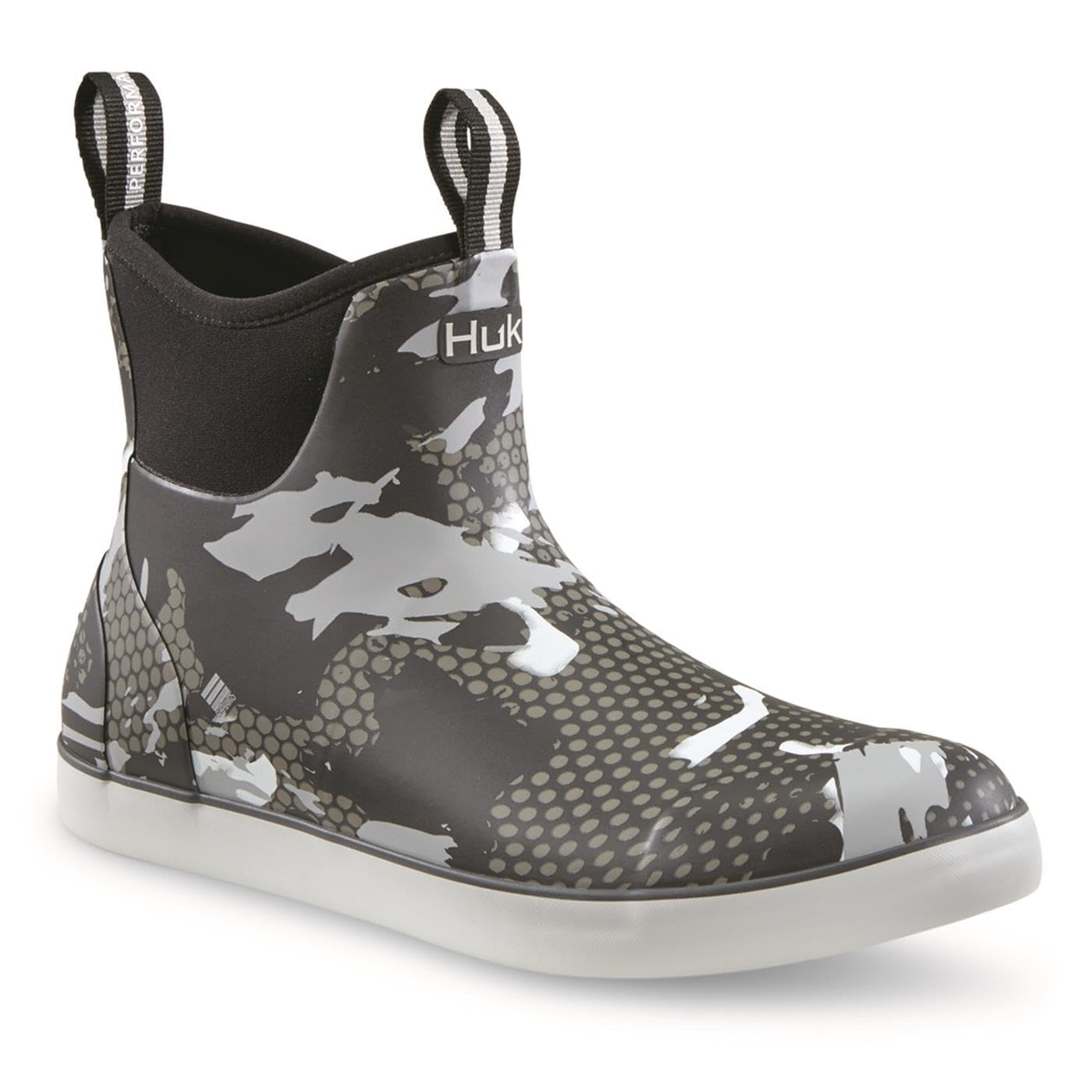

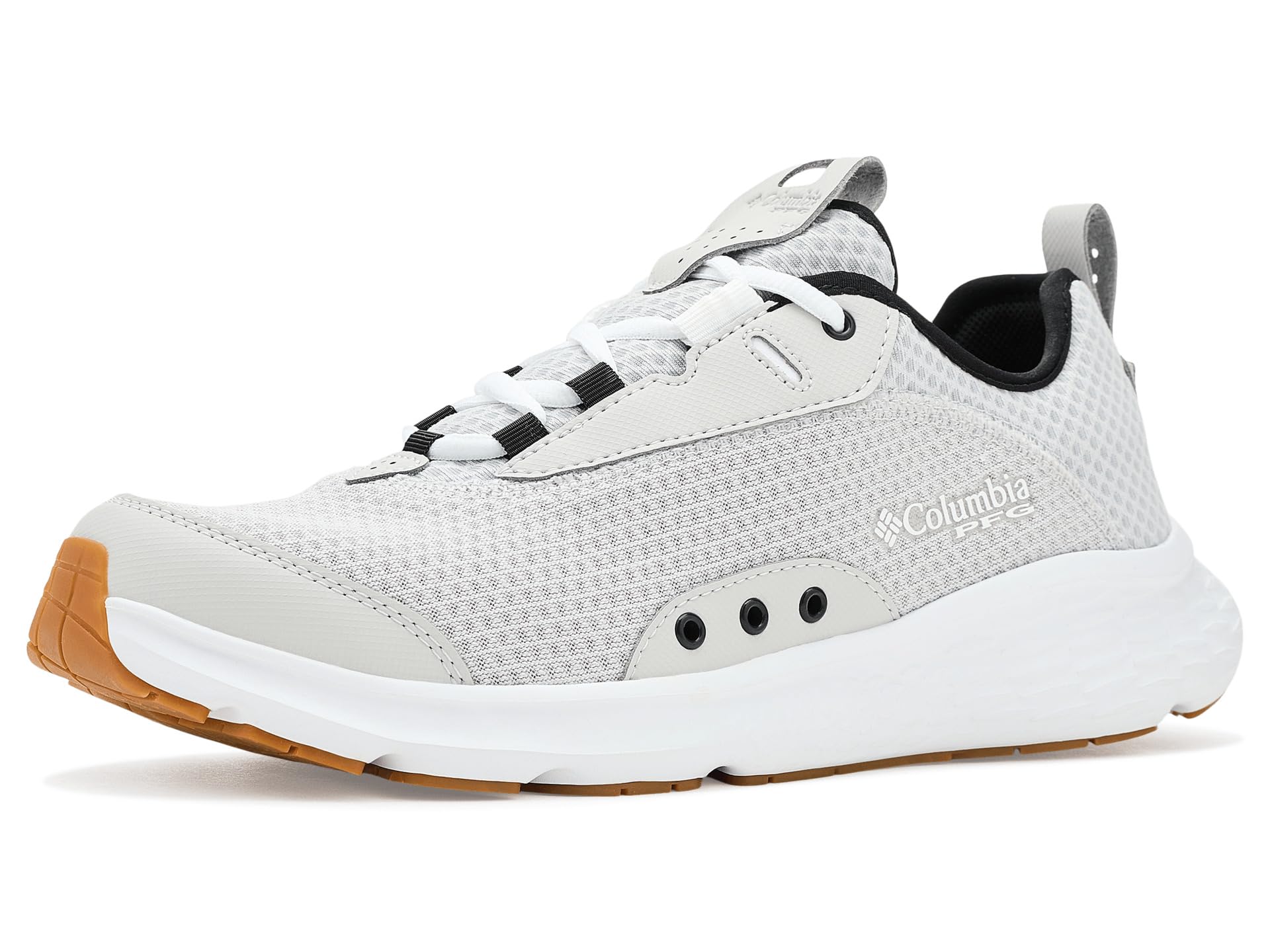

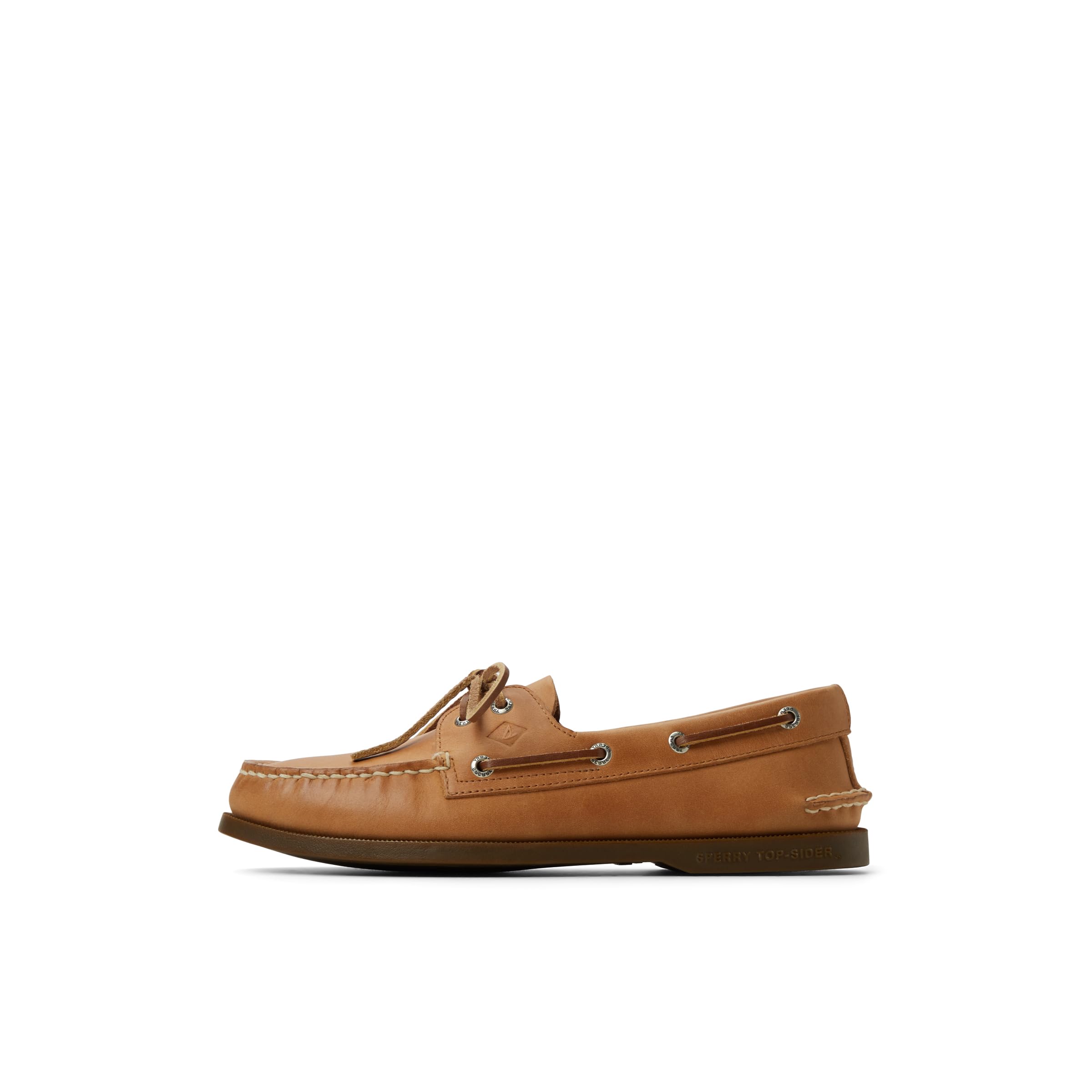

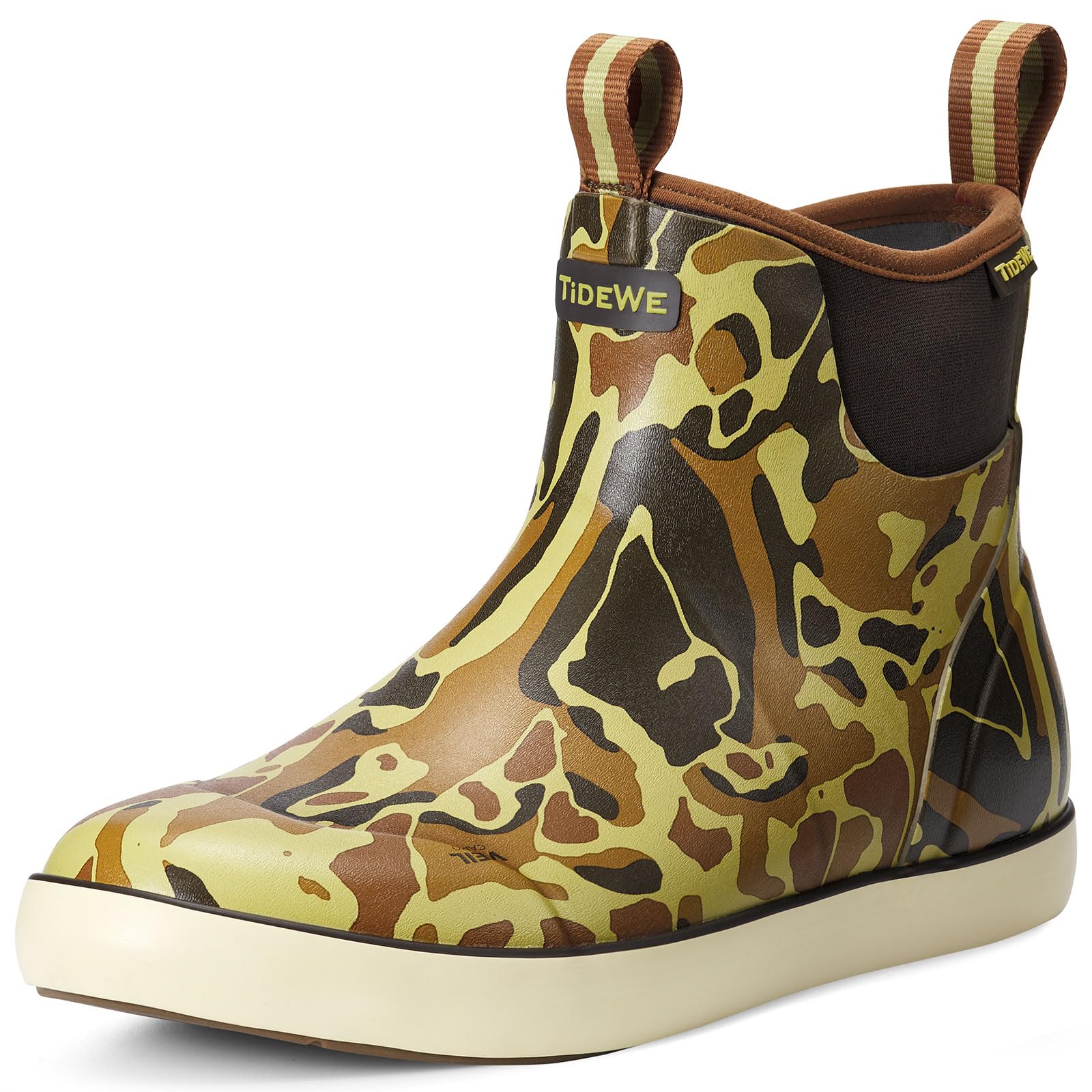


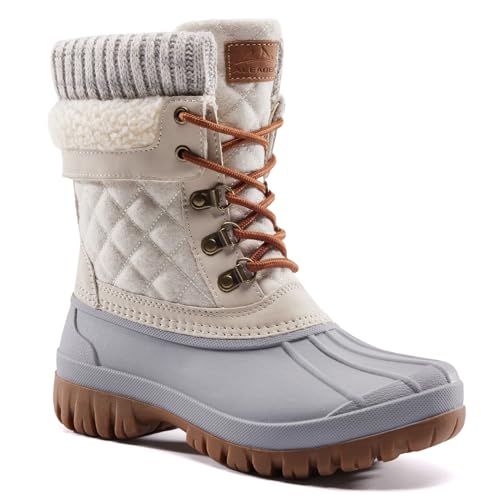
What to Look for in Boat Shoes for Fishing
Choose by the water you meet most often, then by how long you stand. A shoe for warm bay fishing needs airflow and fast drying, while a shoe for cool offshore mornings may need a closed upper that sheds spray.
Outsole Grip on Wet and Slimy Decks
Grip is the first filter. Look for soft rubber with fine slits, called sipes, that open under your weight and push water aside. A non marking compound protects light fiberglass from dark streaks. Deep lugs made for mud reduce contact on a smooth deck, so avoid them. Smooth tread on an old pair is the clearest sign it is time to replace them.
Drainage and Quick Drying Uppers
Shoes that stay soggy feel heavy, rub your skin and smell sooner. Mesh panels, drain ports and synthetic uppers dry far faster than untreated leather. Leather looks classic and can work for calm days, but expect a slow dry after a wet trip. Rinse with fresh water after each outing and air dry in the shade.
Fit, Sizing and Toe Protection
Measure your feet in the afternoon and try shoes with the socks you plan to wear. Leave a thumb width in front of the longest toe and make sure your heel stays seated. Fishing exposes toes to hooks, coolers and hatch edges, so a reinforced toe cap is worth having on a working boat. A drawcord or strap that locks the foot in place helps when the deck pitches.
Cushioning and Support for Long Standing
Standing at a rail for hours tires your arches and knees. A cushioned midsole with a shaped footbed spreads that load. Moderate cushioning with a stable base feels steadier than a very soft sole on a moving deck. If you have lasting foot pain, talk with a podiatrist or clinician rather than relying on shoes alone.
What Each Price Level Buys
Prices overlap, so use these ranges as a rough guide rather than a rule.
Budget Pairs for Occasional Trips
Around $40 to $70 usually buys a basic siped sole, a mesh or synthetic upper and simple cushioning. That works for a few outings a month in warm weather. Expect the tread to wear sooner and the footbed to flatten with heavy use.
Midrange Pairs for Regular Anglers
Around $70 to $120 is where most regular anglers should look. Soles are softer and better siped, uppers dry faster, and the stitching and toe protection hold up through a full season. This range covers most needs without paying for extras you will not use.
Premium Pairs for Frequent Use
Above about $120 you pay for refined materials, stronger construction and, in some cases, waterproof or insulated builds. It pays off if you fish several days a week or in cold water, where a taller or lined shoe makes the day more comfortable.
Shoe, Sandal or Boot?
A low shoe is lightest and best on warm days. A boot keeps out spray and cold water but runs hotter and heavier. If your decks stay wet and temperatures drop, see our guide to the best shoes to wear on a fishing boat for more options, and our guide to the best fishing shoes if you also fish from shore. For classic styling on and off the water, our guide to the best boat shoes and the best boat shoes for men cover wider choices.
Common Mistakes to Avoid
- Choosing shoes by look alone and ignoring outsole grip, the feature that prevents falls on a wet deck.
- Wearing cotton socks, which hold water and cause blisters.
- Buying a size too small for a snug feel, which cramps toes and makes feet colder.
- Skipping the rinse after salt water, which stiffens materials and corrodes eyelets.
- Using the same pair every day without letting it dry, which breeds odor and breaks down adhesives.
Care and Replacement
Rinse your shoes with fresh water after every salt water trip, remove the insoles and dry them away from direct heat. Rotate two pairs if you fish on back to back days. Check the sole each month, and replace the pair when the tread turns smooth, the sole starts to separate or the support collapses, even if the upper still looks fine.
Frequently Asked Questions
What makes a shoe good for fishing on a boat?
A good boat fishing shoe combines a siped, non marking rubber sole for wet grip, an upper that drains and dries quickly, and a secure fit that does not shift when the deck moves. Those traits matter more than brand or style.
Do I need waterproof boat shoes for fishing?
Not always. Many anglers prefer shoes that drain and dry fast over sealed shoes that trap water once it gets inside. Choose a waterproof boot instead when cold spray and low temperatures are common.
Should boat fishing shoes be worn with socks?
Either works. Thin moisture wicking socks reduce blisters and help shoes stay fresher, while some drainage shoes are made for bare feet. Avoid cotton, which stays wet.
How should boat shoes for fishing fit?
They should feel snug at the midfoot with no heel lift, and leave about a thumb width in front of the longest toe. Your toes should spread freely when you brace against a roll.
How often should I replace my boat fishing shoes?
Replace them when grip fades, the sole separates or the cushioning flattens. For weekly use that often means every one to two seasons, and salt, sun and heat can shorten it.
Final Thoughts
Put grip first, then drainage, then fit and toe protection, and let price follow your trip schedule. The midrange usually gives the best balance, but the right tier is the one that matches how often you fish. Compare your shortlist in the product table above and the best boat shoes for fishing for you will be the pair that stays planted and dry enough on your wettest regular day.