
Best Boat Shoes: A Practical Buying Guide for 2026
Disclosure: We may earn a commission when you buy through links on this page, at no extra cost to you. As an Amazon Associate I earn from qualifying purchases. Learn more

A practical guide to boat shoes, covering leather and canvas types, grip, water resistance, fit, drying, and care for life on and off the water.
Boat shoes are made for wet decks and easy summer wear, and best boat shoes shoppers often face a wide price range. The comparison table below gives you a quick overview, and this guide explains what your money really buys. A good pair grips well when wet, dries reasonably quickly, and feels comfortable without socks on warm days.
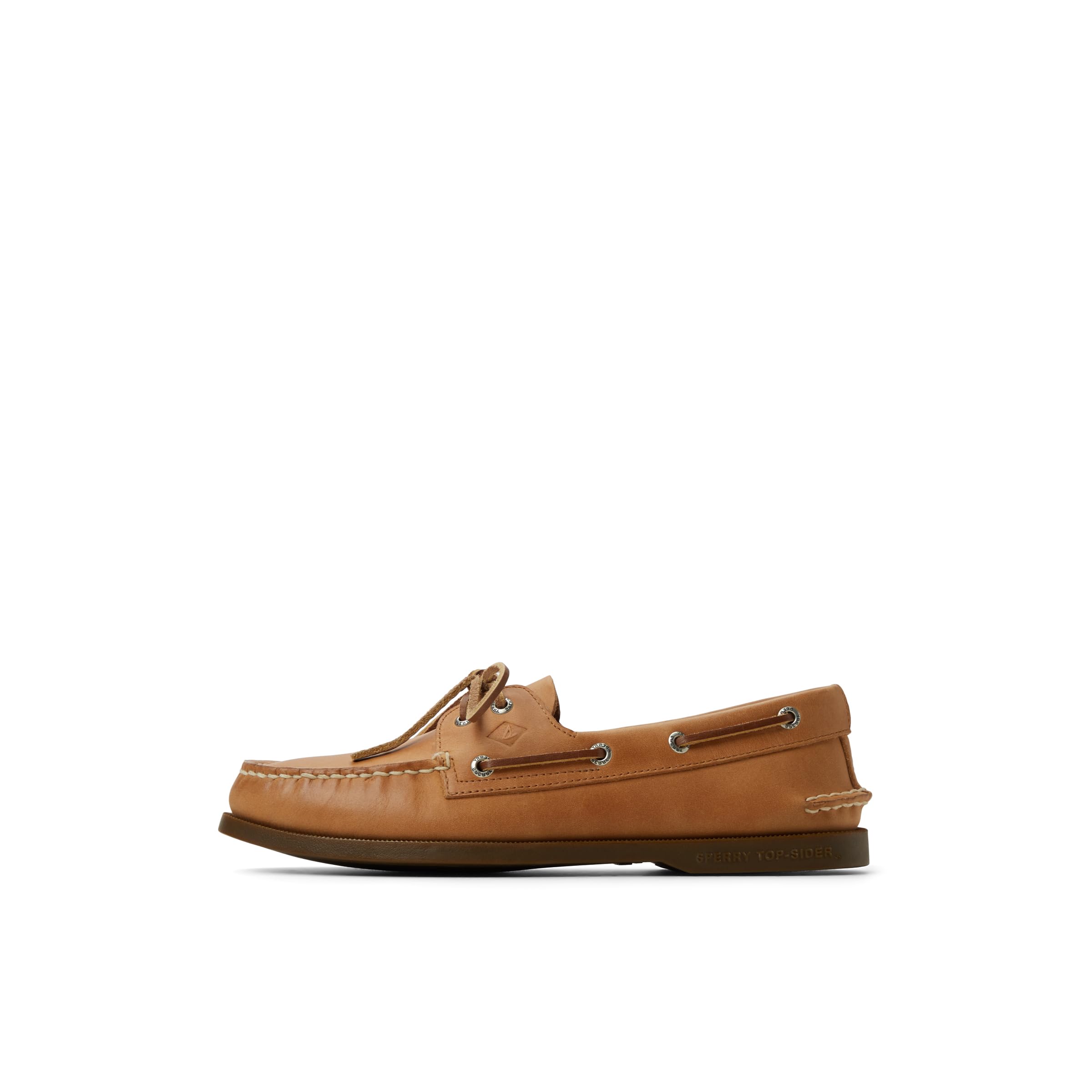

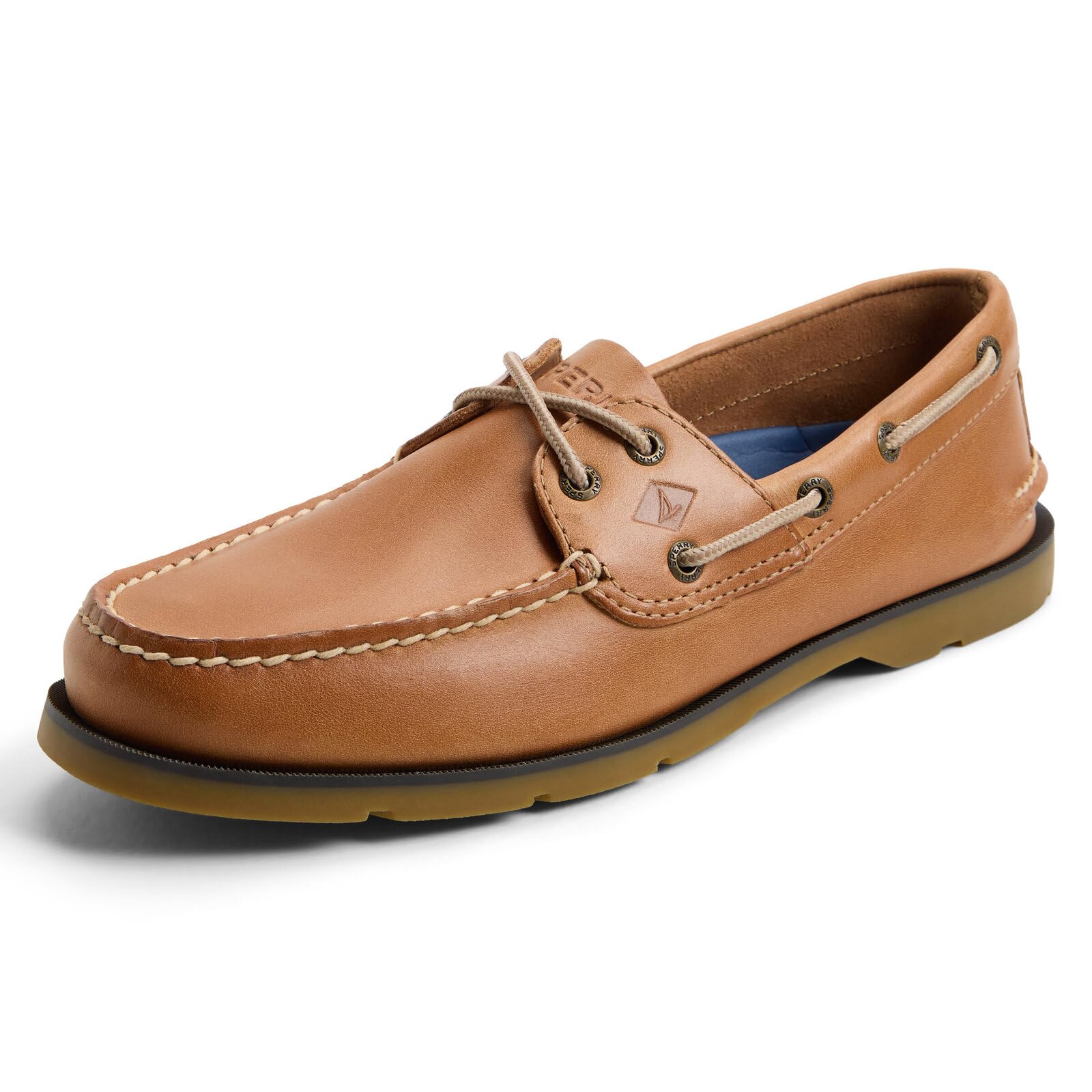


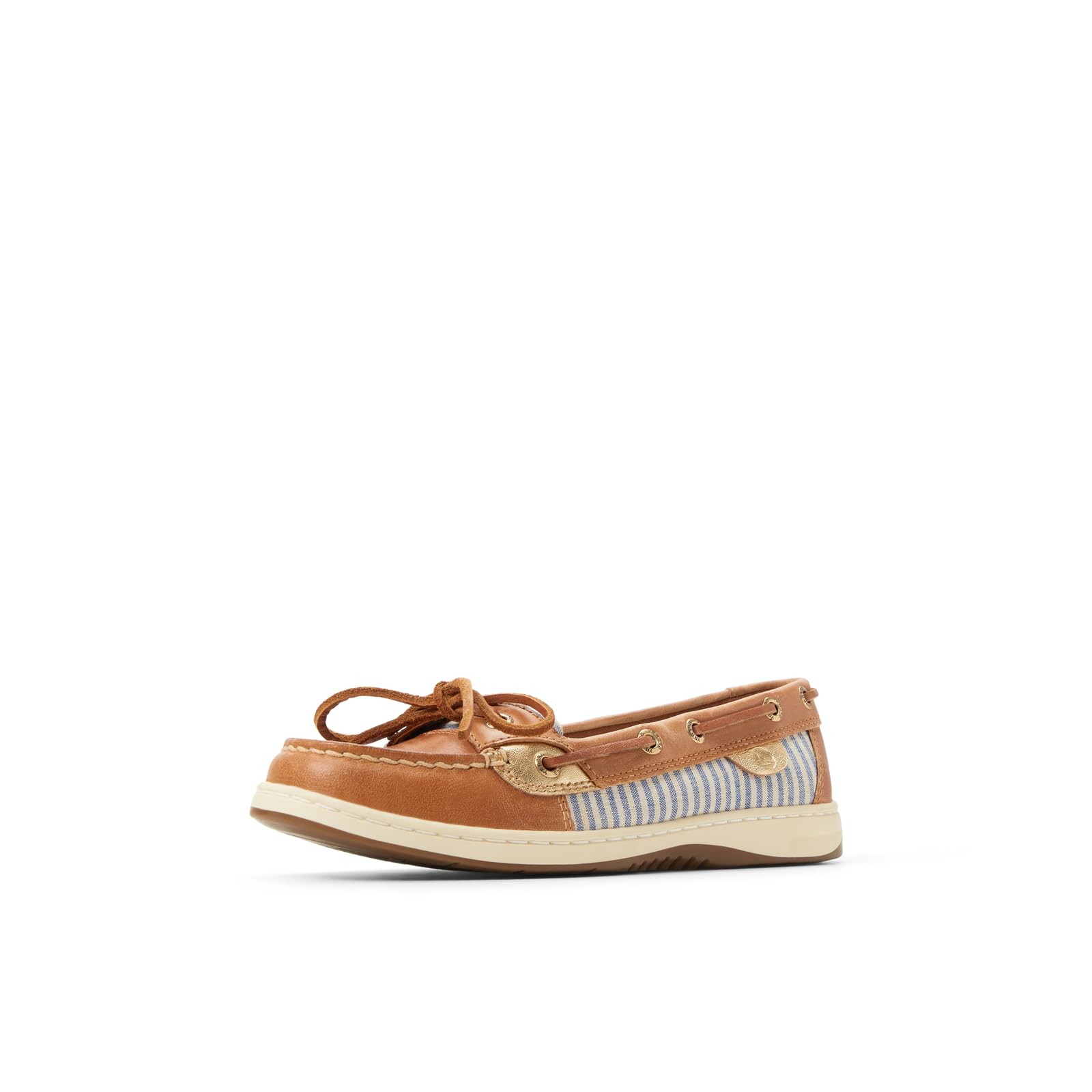


Types of Boat Shoes Compared
Traditional boat shoes have a low profile, a leather or canvas upper, and a non marking sole with siped grooves that channel water away. Moccasin style boat shoes feel softer and more flexible, while more structured versions offer extra support for longer walks ashore. Slip on styles are easy to wear, while lace up styles let you adjust the fit more precisely.
Canvas boat shoes are lighter and often cheaper, and they dry faster than leather. Leather boat shoes look smarter and mold to your feet over time, but they need more care. Choose the material that matches how often you will get them wet and how you plan to wear them.
Grip, Soles, and Wet Decks
Grip is the most important safety feature of a boat shoe. Look for a rubber sole with fine grooves that grip a wet surface without marking it. Test the sole on a smooth, wet surface if you can, and check that the shoe feels planted rather than slippery. Worn soles lose grip, so inspect them regularly and replace shoes when the tread fades.
The sole should also be flexible enough to feel the deck underfoot, which helps balance on a moving boat. Very stiff soles feel less secure on a boat, even if they are comfortable on land. A balance of grip and flexibility is the hallmark of a well made boat shoe.
Water Resistance and Drying
Boat shoes will get wet, so how they handle water matters. Leather treated for water resistance copes better with splashes, while untreated leather can stain and stiffen. Canvas dries faster but offers less protection in heavy rain. Some shoes include drainage features, but most rely on quick drying materials and open construction.
After a wet outing, let boat shoes dry naturally away from direct heat, which can crack leather and warp soles. Remove the insoles if possible, and stuff the shoes lightly to hold their shape. Regular cleaning with fresh water removes salt, which can damage materials over time.
Fit, Comfort, and Sizing
Boat shoes are often worn without socks, so fit matters a great deal. The shoe should feel snug without pinching, and your heel should not slip when you walk. Leather stretches slightly with wear, so a new leather pair may feel firm at first. Canvas stretches less, so the initial fit is closer to the long term fit.
If you are between sizes, think about how you will wear them. With thin socks or bare feet, a snug fit works well. For longer walks ashore, a little extra room and a cushioned insole improve comfort. Try shoes later in the day, when feet are slightly larger, for a more realistic fit.
Budget Tiers and Everyday Value
At the lowest tier, canvas boat shoes offer good grip and easy summer wear at a friendly price. The middle tier adds better leather, stronger stitching, and more comfortable insoles, which extends the life of the shoe. Higher priced pairs often use premium leather and finer construction, which suits regular boaters and smarter occasions.
Consider how often you will wear them. For occasional summer use, a mid priced pair is often the best value. For frequent boating, spending more on durable materials and solid construction pays off in comfort and longevity.
Care and Long Term Use
Clean boat shoes after salty or muddy use, and let them dry fully before storing. Treat leather occasionally with a suitable conditioner to keep it supple, and avoid harsh cleaners that strip natural oils. Canvas shoes can often be cleaned gently by hand, but check the maker's advice first.
Store boat shoes in a cool, dry place, and avoid leaving them in a hot car or damp locker for long periods. With steady care, a good pair stays comfortable and grippy for several summers. The product table above can help you compare the shortlist.
Related Guides to Explore
For a closer look at one angle, see our guides to the best boat shoes for men, the best boat shoes for women, the best boat shoes for sailing and the best boat shoes for fishing.
Styling Boat Shoes Beyond the Boat
Boat shoes work well beyond the marina when styled simply. Pair them with shorts, chinos, or light trousers for relaxed summer days, and keep the rest of the outfit casual. A plain shirt or polo complements the shoe without competing with it, and the overall look stays effortless.
For slightly smarter occasions, leather boat shoes pair well with chinos and a linen shirt. The key is balance, since boat shoes are inherently casual. Avoid pairing them with formal trousers or a suit, where a dress shoe would look more appropriate.
Color choice affects versatility. Brown leather suits most summer outfits, while navy or white canvas adds a fresh, nautical feel. A neutral pair that matches several outfits offers better value than a bold color that only suits one look.
Care keeps boat shoes looking smart off the boat as well. Clean salt and dirt promptly, condition leather occasionally, and let shoes dry fully between wears. A well kept pair looks intentional, while a scruffy pair undermines an otherwise tidy outfit.
Finally, know when to choose a different shoe. Long walks on hard pavements, hiking, or formal events call for more support or formality. Boat shoes excel for relaxed days and boating, and choosing them for the right occasions keeps them comfortable and stylish.
Choosing with Confidence
Compare boat shoes on grip, fit, and material quality rather than on brand alone. A shoe that grips wet surfaces securely and fits your foot shape will serve you better than a fashionable pair that slips or pinches, regardless of the label inside.
Try shoes on a hard floor and, if possible, a damp surface to judge grip realistically. Walk, turn, and stand for several minutes, since a shoe that feels fine for a moment may ache after an hour. Realistic testing prevents disappointing purchases.
Check construction details such as stitching, sole bonding, and insole quality, since these determine longevity. A well made shoe at a mid price often outlasts a cheap shoe several times over, making it better value despite the higher initial cost.
Consider how many pairs you need. One versatile pair suits occasional boating, while frequent boaters benefit from a rotation that lets shoes dry fully between outings. Rotation extends life and keeps shoes fresh.
Finally, choose a style you enjoy wearing, since a shoe you like gets worn and cared for. Comfort and appearance together make a boat shoe a favorite for summers, not only a functional item for the boat.
Frequently Asked Questions
Should boat shoes be worn without socks?
Boat shoes are traditionally worn without socks, and many designs are made for bare feet with soft linings. If you prefer socks, choose very thin, low cut socks that do not show. Bare feet feel cooler in summer, but socks reduce friction on longer walks. Choose whichever feels comfortable and keeps your feet dry.
Are leather or canvas boat shoes better?
Leather boat shoes look smarter, mold to your feet, and last longer with care, but they need more maintenance and dry more slowly. Canvas boat shoes are lighter, cheaper, and dry faster, which suits casual and frequent wet use. Choose leather for smarter wear and longevity, and canvas for easy summer use and quick drying.
How do I stop boat shoes from smelling?
Let shoes dry fully between wears, and remove insoles to air them out. Washable insoles help, and a light sprinkle of baking soda left overnight can freshen them. Avoid wearing the same pair every day without drying time, since damp shoes develop odor quickly. Good drying habits matter more than sprays.
Can boat shoes be worn off the boat?
Yes, boat shoes work well as casual summer shoes for walking, shopping, and relaxed outings. Their flat, flexible soles suit easy days, though they offer less support than a dedicated walking shoe for long distances. For all day walking on hard ground, a cushioned insole improves comfort noticeably.
When should boat shoes be replaced?
Replace boat shoes when the sole tread is worn smooth, the grip feels slippery on wet surfaces, or the upper no longer holds its shape. Stitching that pulls apart or a sole that separates is also a sign to replace them. Worn grip is a safety issue on a boat, so do not wait until a slip happens.
Final Thoughts
Prioritize grip, fit, and how the shoe handles water, then choose the material that suits your boating and your budget. The product table above can help you compare the shortlist. With that approach, the best boat shoes for you will be a pair that feels secure on deck and comfortable ashore.


