
Best Boat Shoes for Men of 2026: Complete Buying Guide
Disclosure: We may earn a commission when you buy through links on this page, at no extra cost to you. As an Amazon Associate I earn from qualifying purchases. Learn more

Choose boat shoes for men by grip, drainage, and fit on deck and ashore. Learn about deck soles, leather care, and comfort for long days on board.
Boat shoes look simple, but the details decide whether they feel secure on a wet deck or slippery after the first spray. The best boat shoes for men combine a soft, siped rubber sole, uppers that drain and dry quickly, and a fit that stays snug without socks. Use the comparison table below for a side by side look, then read on to match a style to the way you boat.
This guide covers who each style suits, the features that matter on board, what different budgets buy, and how to keep a pair in good shape.

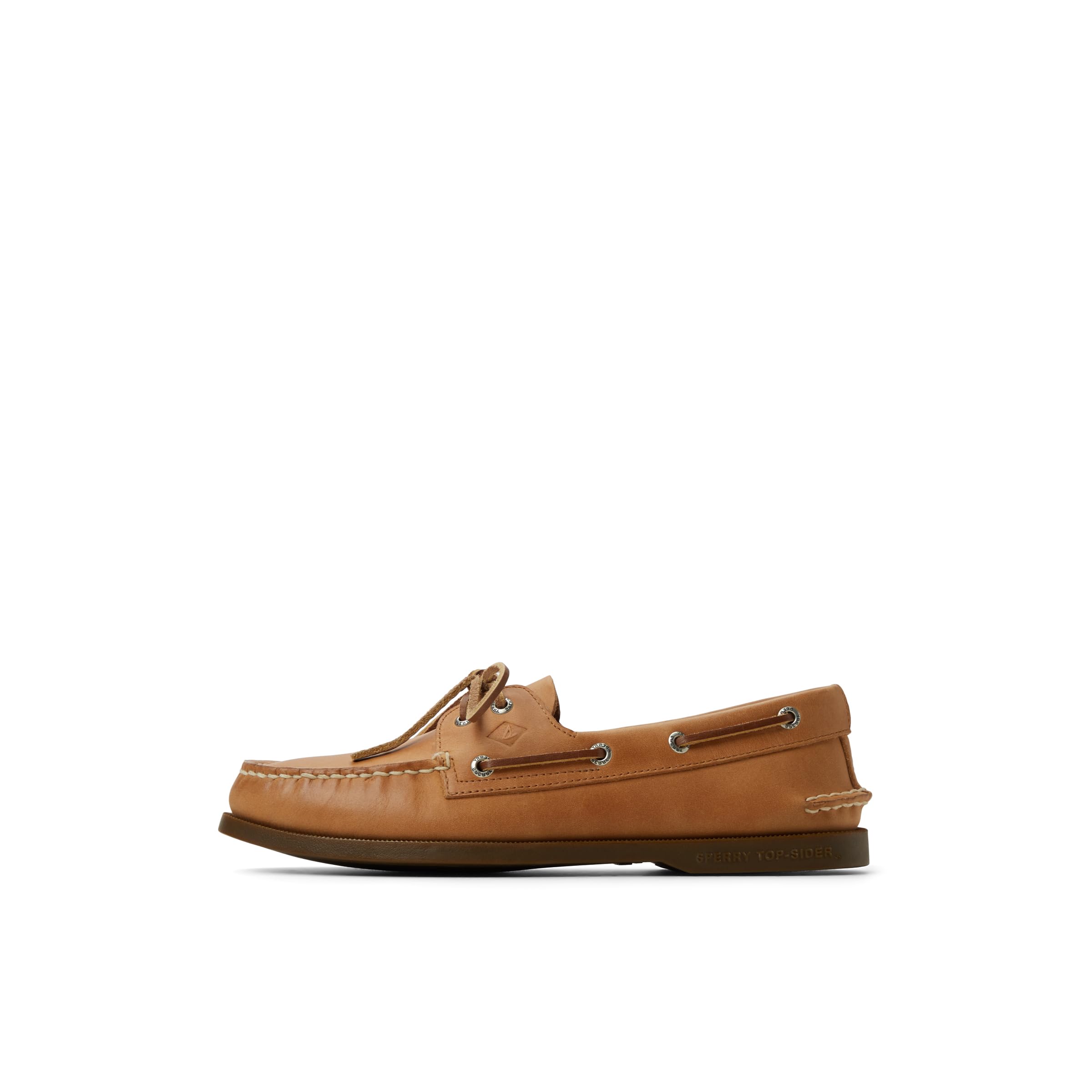
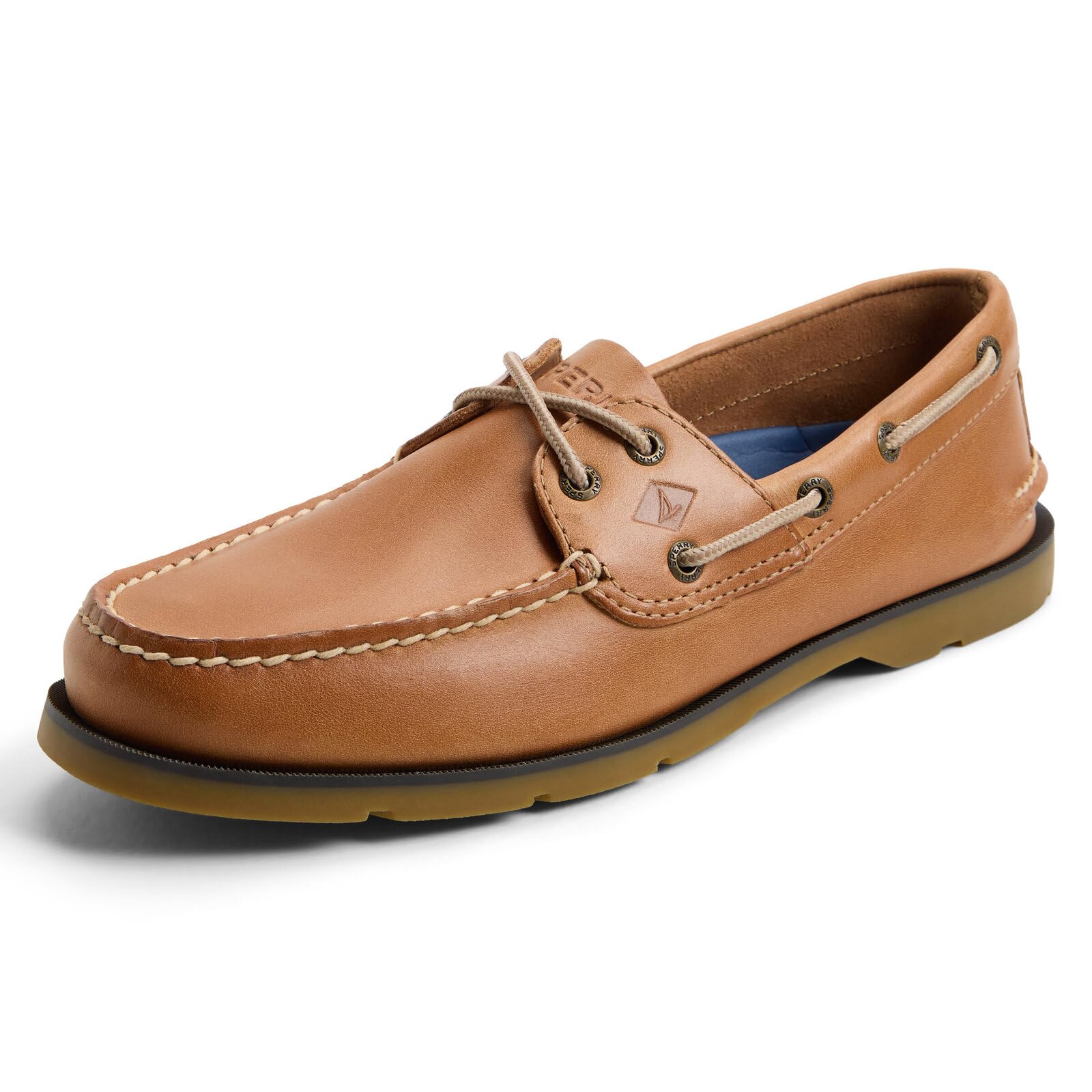


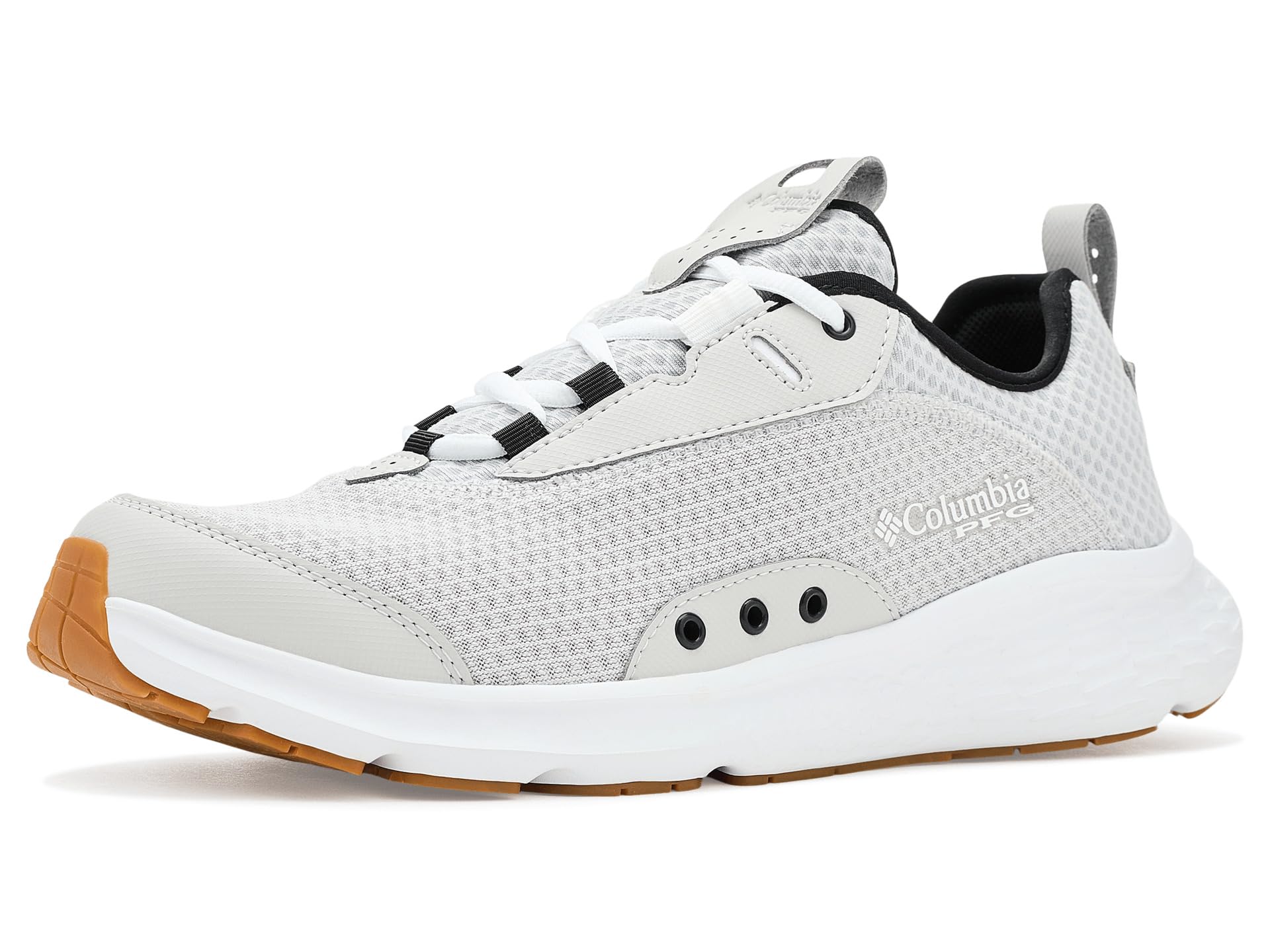
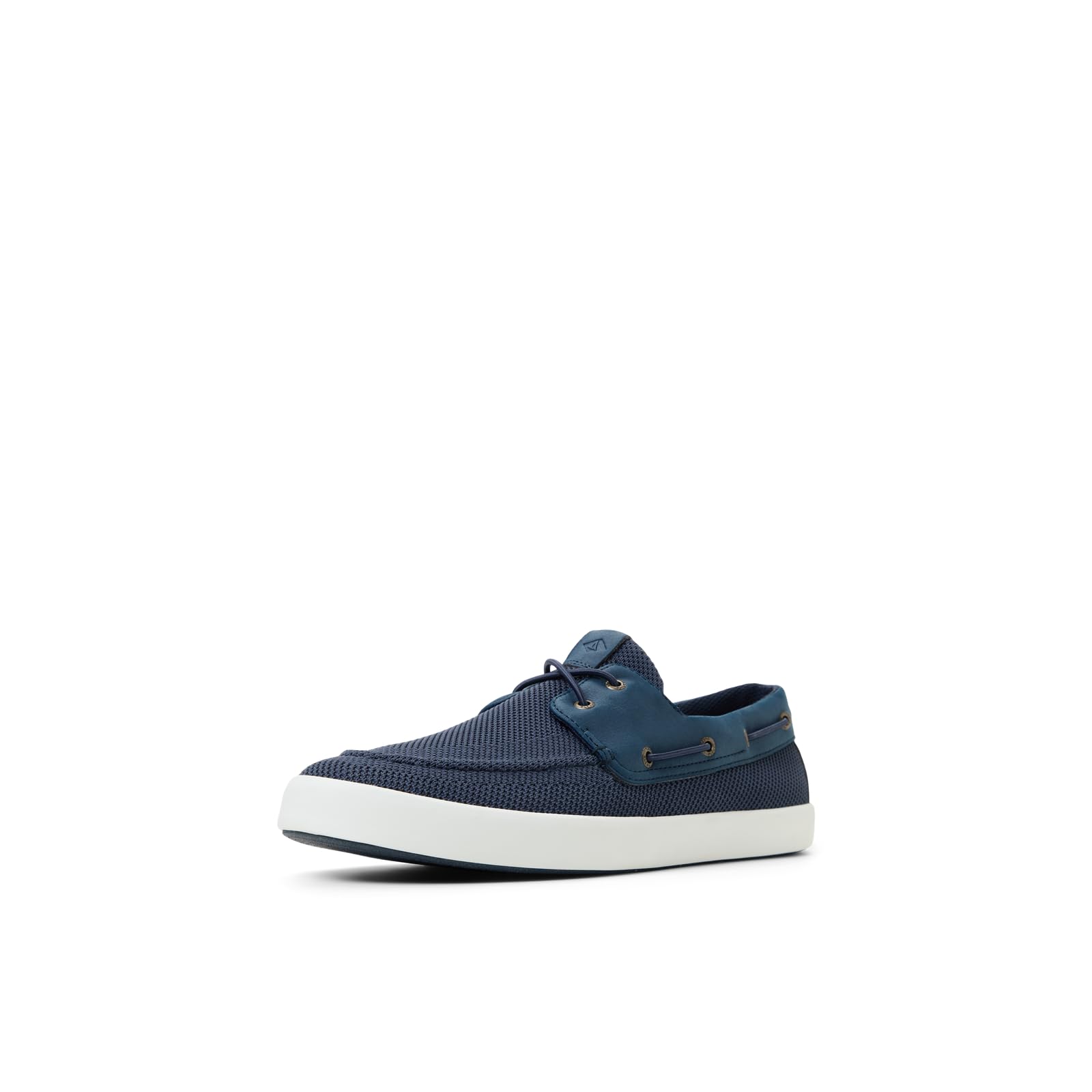
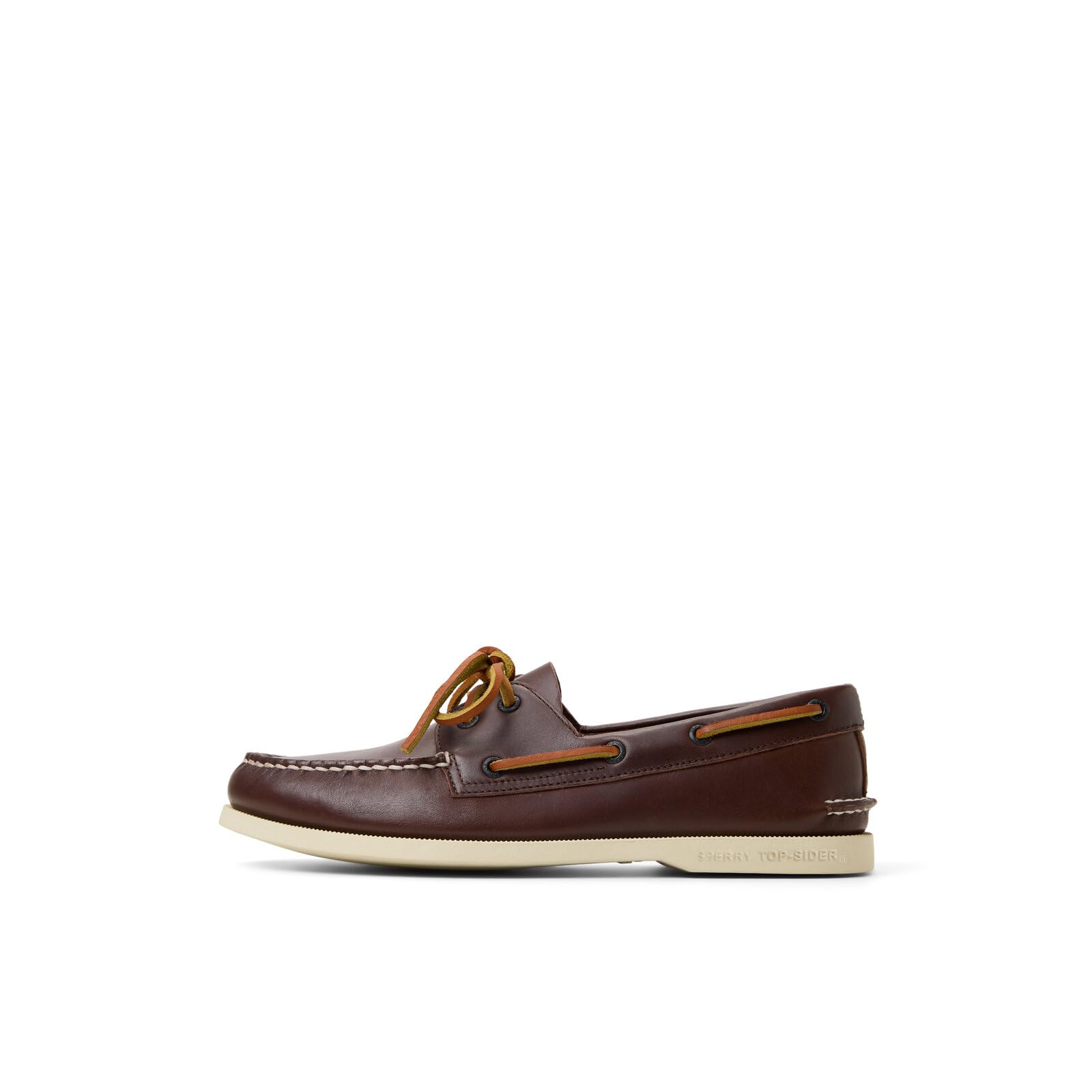
Who Should Buy Which Style of Boat Shoes for Men
Start with where you wear them most, since a pair built for the deck is not always the best choice for dinner at the marina.
Sailors and Weekend Boaters
If you spend hours on deck, put grip and drainage first. Choose a non marking sole with fine slits that channel water away, plus a lacing system that locks the heel. A leather upper with a water resistant finish works for dry days, while mesh or canvas panels suit hot, wet ones.
Dock and Waterside Walkers
For marinas, ferries and shore walks, comfort matters more than extreme traction. Look for a cushioned insole, a light sole that flexes and an upper that wipes clean. A slip on style is easy to take off before you step onto a clean deck.
Smart Casual Wearers
Boat shoes also work with chinos and shorts at waterfront restaurants. A leather pair with a clean toe shape and tonal laces reads dressier, though its deck sole will wear faster on rough pavement.
Key Features to Compare
Deck Grip and Non Marking Soles
A siped rubber outsole is the defining feature. The thin cuts open as you step and push water aside, so more rubber meets the wet surface. A light, non marking compound protects fiberglass and teak from dark scuffs. When the tread turns smooth, grip is gone, even if the upper still looks new.
Drainage and Drying Time
Mesh linings, side drain holes and synthetic panels keep the shoe light after spray. Full grain leather looks smart but dries slowly, so rinse and air dry it after salt water. Canvas dries fastest and needs the least fuss.
Leather or Canvas
Leather molds to your foot over time and handles light rain well when it is conditioned. Canvas is lighter and cooler, but it stains and wears faster at the toe. Treated suede is the most delicate, so keep it for dry docks.
Fit Without Socks
Many men wear boat shoes barefoot, so a soft lining and a snug heel matter. Try them in the afternoon, when feet are largest, and check there is a thumb width of space beyond the longest toe. A loose heel causes blisters and can let the shoe slip on a wet deck.
Cushioning and Support
Classic boat shoes have thin soles, which is fine for short outings but tiring on long walks. If you stand or walk all day, look for a molded footbed or removable insole with arch support. Ongoing foot pain is worth discussing with a podiatrist.
What Different Budgets Buy
Pairs under about $50 usually give a basic siped sole and simple materials, which suits occasional trips. Around $60 to $120 typically adds better leather, stronger stitching and more cushioning. Above that, you pay for premium leather, refined construction and a longer service life. If your budget is limited, choose a well fitted midrange pair over a flashy cheap one.
Common Mistakes to Avoid
- Buying a leather street shoe with a smooth sole, which slides on wet fiberglass.
- Ordering a size too small for a snug look, which cramps toes and rubs the heel.
- Machine washing leather pairs, since heat and agitation stiffen them.
- Leaving shoes wet in a sealed locker, which breeds odor and weakens glue.
- Ignoring the return policy when you cannot try the pair on first.
Care and Everyday Use
Rinse off salt with fresh water after boating, remove the insoles and dry the shoes in open air away from direct heat. Brush off dried salt, wipe leather with a damp cloth and condition it lightly now and then. Rotating two pairs lets each dry fully between trips.
Check the sole every month and replace the pair once the tread is smooth, the sole separates from the upper or the lacing hardware corrodes. For related options, see our guides to the best boat shoes, the best boat sandals for men and the best walking shoes for men.
Frequently Asked Questions
What makes a sole non marking?
A non marking sole uses a light colored, soft rubber that grips without leaving dark streaks on decks or light floors. It is the standard choice for boat shoes used on fiberglass or teak.
Should men wear boat shoes without socks?
Many do, which is why a soft lining and snug heel matter. If you prefer socks, choose thin no show pairs that wick moisture so the shoes stay fresher.
Are boat shoes waterproof?
Most resist spray and splashes, but few are fully waterproof. Expect damp feet in heavy water and choose quick drying materials rather than relying on a sealed upper.
How do I clean leather boat shoes?
Brush off salt, wipe with a damp cloth, dry in open air and apply a light leather conditioner. Skip harsh cleaners and direct heat.
Can I wear boat shoes off the boat?
Yes, their smart casual look suits everyday wear. The deck sole will wear faster on rough pavement, so keep a separate pair for long city walks.
Final Thoughts
Choose by use first, then check grip, drainage and fit before price. Compare your shortlist in the product table above, and the best boat shoes for men for you will be the pair that grips a wet deck, dries quickly and feels comfortable from the first day.


