Best Boots for Winter Hiking and Snowshoeing: Your 2026 Checklist for Cold Trails
Disclosure: We may earn a commission when you buy through links on this page, at no extra cost to you. As an Amazon Associate I earn from qualifying purchases. Learn more

Compare insulation, waterproofing, fit and snowshoe fit for winter hiking and snowshoeing boots, with a buyer checklist and care tips to guide your choice.
A boot that works for both winter hiking and snowshoeing has to solve two jobs at once. On foot it needs grip, ankle support and enough flex for a natural stride, while strapped into a snowshoe it needs a firm heel, a durable toe and warmth that lasts for hours in deep cold. The best boots for winter hiking and snowshoeing balance that insulation, waterproofing and binding fit without feeling stiff or heavy on a packed trail.
This guide turns that balance into a simple checklist. Work through the fit and feature checks below, note the insulation your usual temperatures demand, and then use the comparison table below to see which style matches your routes.



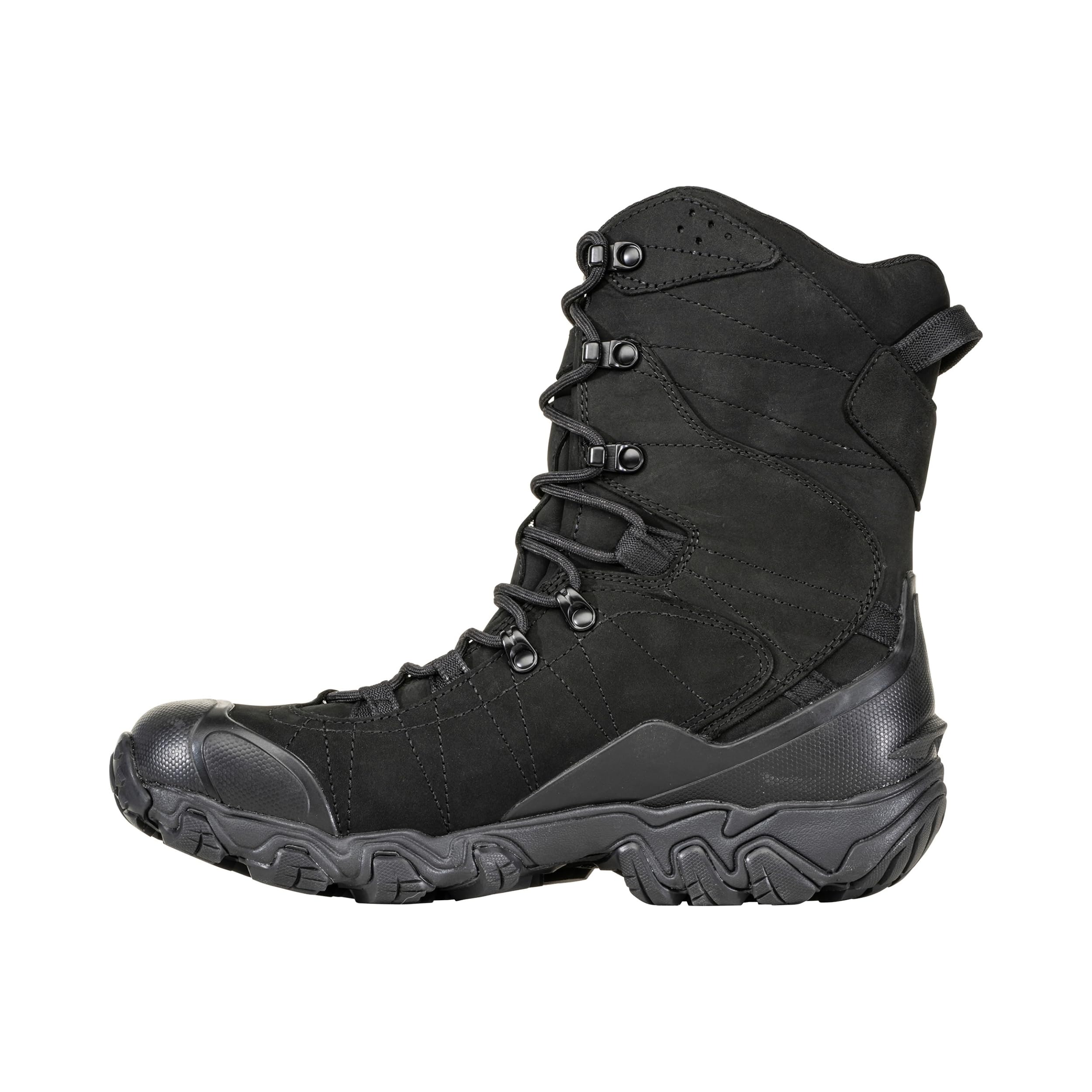
Who Should Buy Boots Built for Both Winter Hiking and Snowshoeing
Day Hikers on Packed Snow and Icy Trails
You walk groomed paths, frozen lake edges and forest trails where the surface changes from packed snow to bare ice. A mid height insulated boot with moderate flex suits you best, because it keeps ankles steady on uneven frozen ground without mountaineering bulk. Look for a lighter build around two pounds per pair and insulation near 200 grams, usually warm enough for active walking above zero degrees Fahrenheit.
Snowshoers on Longer and Colder Routes
You spend three or more hours off packed trails, often standing still to navigate or rest, and feet chill fastest at rest. Choose a taller boot with 400 grams of insulation or more, a firm heel counter that holds a snowshoe strap without slipping, and a toe built to resist contact with the snowshoe frame. For a shortlist built only around flotation days, see our guide to the best winter boots for snowshoeing.
Walkers Who Mix Trail Miles and Snowshoe Days
You hike on foot one weekend and snowshoe the next, and you want one pair to cover both. A versatile boot with a moderately stiff sole, a waterproof membrane and a shaft that clears deep snow is your target. You give up some soft flex and some extreme warmth, but you gain one pair that handles most winter conditions honestly well.
Key Features to Compare
That balance is what separates the best boots for winter hiking and snowshoeing from a warm boot made only for short walks around town. Compare the five factors below in this order, because fit and insulation decide comfort long before small differences in weight or price matter.
Insulation Level and Temperature Rating
Insulation is listed in grams, and the right amount depends on how hard you work and how cold your area gets. Around 200 grams suits active hiking in mild cold, 400 grams covers most snowshoe days and slower hikes, and 600 grams or more is for very cold regions or long stops. Temperature ratings are rough guides, since makers test them differently, so weigh your own circulation and sock choice just as heavily.
Waterproofing, Upper Materials and Breathability
A waterproof membrane such as Gore Tex keeps melt water and wet snow out in slush or deep drifts, while sealed seams stop leaks at the stitching. Full grain leather uppers resist abrasion from snowshoe frames, while synthetic uppers dry faster and weigh less. No membrane is fully breathable once you work hard, so a slightly roomier fit with moisture managing linings feels drier on long climbs than a tight boot that traps sweat.
Fit and Toe Room With Snowshoe Bindings Strapped On
Try boots late in the day, when your feet are largest, wearing the thick wool socks you plan to use. Your toes should wiggle freely and never press the front of the toe box downhill, because cold toes often come from squeezed circulation rather than thin insulation. Most people go up about half a size from a summer boot for that sock layer, and your heel should lift only slightly per step.
Snowshoe Binding Compatibility and Sole Stiffness
Snowshoe bindings strap across the toe and around the heel, so the boot needs a firm heel ledge, a reinforced toe and a sole stiff enough to stop the binding bending the boot under load. It should still feel stable across the midfoot, where the binding applies most pressure. Bring your snowshoes when you shop, strap in, and check that no strap crosses a lace hook or presses on top of your foot.
Traction, Outsole Design, Stability and Arch Support
The outsole needs deep, widely spaced lugs, often about 5 to 6 millimeters, that bite into packed snow and shed slush instead of packing smooth. A rubber compound that stays pliable in cold grips ice better than a hard summer compound. Stability comes from a supportive midsole and secure heel fit, while arch support and a modest heel to toe drop aid comfort over long miles. On truly icy slopes, add traction devices rather than expecting lugs alone to hold.
Quick Buyer Checklist for Dual Use Winter Boots
Run through these questions before you order, and treat any no answer as a reason to look at another model. If you are still deciding whether a hiking first design could work with your bindings, see our guide to the best hiking boots for snowshoeing for that narrower comparison.
- Does the insulation level match the coldest temperature you realistically face?
- Can you wiggle your toes freely while wearing your thickest trail socks?
- Does your heel stay seated when you walk downhill or kick steps in snow?
- Do your snowshoe straps sit flat without pressing on lace hooks or seams?
- Is there a gaiter ring or a shaft tall enough to keep deep snow out?
- Does the outsole use deep lugs and a rubber compound made for cold weather?
- Can you return the boots after an indoor fit test if the size feels wrong?
Watch for red flags while you compare listings. Vague insulation claims with no gram weight, no stated waterproof membrane, and flat summer style tread all suggest a fashion boot rather than a trail boot.
Common Mistakes to Avoid
- Buying your summer hiking size, which leaves no room for thick socks and leaves your toes cold and cramped.
- Choosing insulation by the temperature rating alone, which ignores how much you move and how often you stop.
- Wearing cotton socks, which hold cold moisture against your skin and speed up chilling on long days.
- Judging snowshoe fit only by standing still, which misses strap pressure that shows up once you start climbing.
- Picking a soft, flexible boot for regular snowshoe use, which lets bindings shift and wears the upper out early.
- Ignoring gaiter fit, which lets snow enter over the cuff and soak your socks from above.
Care and Maintenance for Insulated Winter Boots
After each outing, loosen the laces, remove the insoles and let the boots air dry at room temperature away from radiators and direct heat, which can crack leather and damage membrane linings. Brush off dried mud and salt, and clean leather uppers with a product made for waterproof footwear. Reapply water repellent treatment when water stops beading on the upper, and store the boots upright with the shafts open so air can circulate. Check laces and heel rubber before the season starts, because a frayed lace is easier to replace at home than on a cold trail.
Pay attention to cold injury warning signs on the trail itself. Toes that stay numb after you stop and rewarm them, or skin that turns pale, hard or blistered, need prompt medical attention rather than more walking. This guide covers only general fit and comfort, so talk with your clinician about personal needs if you have circulation problems, diabetes or a history of frostbite before planning long days in deep cold.
Frequently Asked Questions
What features matter most in boots for winter hiking and snowshoeing?
Insulation matched to your temperatures, a waterproof membrane and a binding friendly heel matter most for this dual use. One point buyers often miss is shaft height: a taller shaft works with gaiters to seal the gap where snow enters on unbroken routes. Shoppers who mainly walk cleared paths can also see our guide to the best winter boots hiking for lighter options aimed at hiking alone.
Can I wear winter hiking and snowshoeing boots all day?
Yes, you can wear them all day if the fit is right and you manage moisture. Stop every couple of hours to check your feet, loosen laces if your feet swell, and change into dry socks on very long days. A boot that feels perfect in the morning can rub by afternoon once socks compress, so fix hot spots early before they become blisters.
How long is the break in period for insulated winter boots?
Most insulated winter boots feel comfortable after about 10 to 20 miles of shorter walks. Start with one hour walks close to home, then add distance and a loaded pack before a full snowshoe day. Leather models take longer to soften than synthetic ones, and a stiff snowshoe ready sole may never flex like a summer hiker, which is normal.
Are expensive winter hiking and snowshoeing boots worth the cost?
Higher prices, often about $180 to $300, usually buy better insulation and tougher uppers. That value shows up most if you go out weekly or in remote areas where a failed seam ends the trip. If you walk a few times each winter on easy trails, a mid priced boot around $120 to $180 with the right fit often serves you just as well.
How should winter hiking and snowshoeing boots fit with thick socks?
They should feel snug at the heel and midfoot with clear space in front of your toes in your thickest socks. Stand and shift your weight forward: your toes should not jam into the front. If you plan to add a heavy expedition sock later, mention that when sizing, because that layer can use up the room you left for circulation.
Final Thoughts
Start with fit, then match insulation to your coldest realistic day, and confirm that your snowshoe bindings sit flat and secure before you judge anything else. A boot that passes those three checks will serve you on both packed trails and deep snow days. When you are ready to compare styles, revisit the product table above and choose the best boots for winter hiking and snowshoeing for the routes and temperatures you face most often.