
Best Boat Jump Starter Made Simple: A Clear Buying Guide for 2026
Disclosure: We may earn a commission when you buy through links on this page, at no extra cost to you. As an Amazon Associate I earn from qualifying purchases. Learn more

Learn how to choose the best boat jump starter with plain English specs, safety basics, and first time buying tips for reliable starts on the water.
A dead battery at the dock or out on the water can end a day of boating before it starts, often with no warning at all. A best boat jump starter is a small rechargeable power pack with clamps that gives your starting battery a short burst of power so the engine can turn over. This guide explains the basics in plain English, step by step, so you can shop with confidence even if you have never bought one before.
You do not need to be an electrician to get this right. You only need to match a few key specs to your engine, pick strong safety features, and learn a simple routine for charging and storage. Start with the comparison table below to see how common options differ, then read on for what each number and feature actually means.


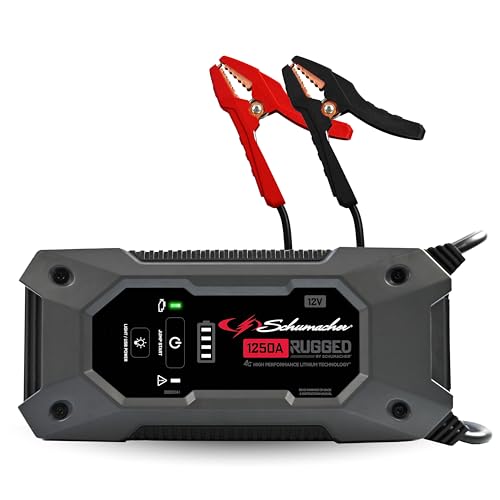


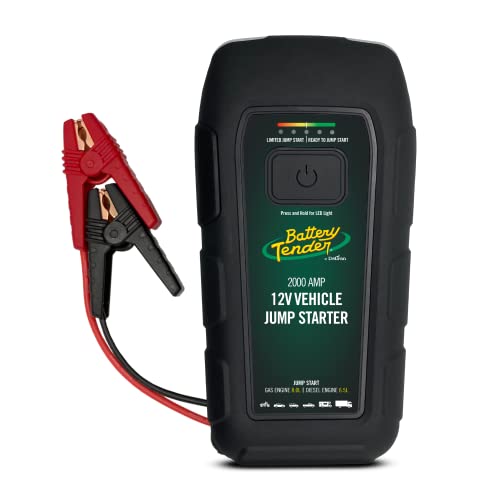

Boat Jump Starters 101: The Basics for New Owners
A boat jump starter is a portable battery pack, usually built around a lithium ion cell, that stores enough energy to crank a marine engine several times on one charge. It is not the same as your boat battery. Your boat battery runs the starter, lights, pumps, and electronics every day, while the jump starter sits in reserve and steps in only when that battery is too weak to do its job alone.
Using one is close to plug and play in spirit, even though no plug is involved in the jump itself. You connect the red clamp to the positive battery terminal, connect the black clamp to the negative terminal or a solid metal ground point named in your manual, and then start the engine. Once it runs, you remove the clamps in reverse order and let the engine charging system restore the boat battery.
Size matters on a boat because storage is limited and gear has to stay secure while the hull moves. A compact pack that fits in a dry locker is far more useful than a heavy unit left in the garage, so if small size is your top concern, see our guide to the best portable jump starter for boat for designs built around tight storage. Spray and humidity also speed up corrosion, so sealed ports, protective caps, and a sturdy case matter more on the water than in a car trunk.
Key Specs Explained in Plain English
Spec sheets look intimidating, but most of the decision comes down to a handful of numbers. Peak amps describe the highest burst of current a pack can deliver for a very short moment, while cranking amps describe the lower, steadier current it can sustain as the starter motor turns. Sellers lead with peak amps because the number is bigger, so compare both figures when they are listed and treat peak amps alone with caution when you shop for the best boat jump starter for your engine.
Your boat battery carries a rating called CCA, short for cold cranking amps, which shows how much current it can deliver in cold conditions. Use that figure and your engine size as your reference point, then choose a pack rated comfortably above what your engine needs. Capacity, shown in milliamp hours or watt hours, tells you how many jumps and how much device charging the pack can handle per charge. Budget choices of about 60 to 100 dollars cover most small gasoline engines, while premium options at about 120 to 250 dollars add capacity and stronger clamps.
Beginner Friendly Features That Matter
For a first purchase, ease of use is a real feature, not a luxury. Look for clear instructions printed on the unit itself, large labels for each clamp, a simple power button, and a charge display you can read at a glance in bright sun. Wide opening clamps with strong springs grip corroded or crowded terminals far better than small, flimsy ones, and flexible cables let you reach both terminals without pulling the pack off balance in a cramped engine compartment.
Vehicle Compatibility and Your Boat Setup
Compatibility starts with voltage. Almost all recreational boats use a 12 volt system, but some larger boats use 24 volt systems, and a pack built for one will not suit the other. Confirm your voltage, engine type and size, and whether you have a single battery or a dual battery bank before you buy. Boats with a battery switch add one step at jump time, since the switch must point to the battery you are boosting.
A jump starter connects at the battery with clamps, so terminal access and cable length matter far more than any port. Diesel engines also draw heavy current and need glow plug time, so they call for higher rated packs than similar size gasoline engines. If you want backup for your tow vehicle too, see our guide to the best car jump starter to compare what road use calls for.
Safety Features That Protect You and the Battery
Reverse polarity protection is the safety feature new buyers should value most. It warns you, and on many models blocks power, when the clamps sit on the wrong terminals, an easy mistake in dim light. Spark proof technology keeps clamps from sparking at the terminal, and short circuit, overcurrent, and overheating protection guard the pack and your wiring during a jump. Still follow the manual order every time, and never jump a battery that is cracked, leaking, swollen, or frozen. Replace a damaged battery instead and have a marine technician inspect the charging system.
Warranty and Brand Support
A clear warranty tells you how a maker stands behind a product that may sit unused for months. Look for at least a one year warranty, written terms you can read before buying, and support that answers questions about charging, storage, and replacement cables. Register the pack soon after it arrives and keep your receipt, since some coverage only starts after registration. Replacement clamp cables and charging cords should be easy to source, because a lost cord can turn a good pack into dead weight.
Readers who like comparing ratings and coverage across the wider category can see our guide to the best rated jump starter for that broader view. For the battery side of the system, see our guide to the best battery jump starter for boat to understand how the two pieces work together on board.
Features and Extras Worth Having
Many packs double as a USB power bank, which is handy for charging a phone or a handheld radio during a long day out. A built in LED light helps during a dawn launch or an evening breakdown, and some lights include flashing modes for signaling. Water resistance ratings, written as IP codes, show how well the housing handles splashes, so a higher rating suits open boats while a lower one is fine for a pack kept in a sealed dry box. Air compressors and app displays add bulk or cost, so choose them only if you will truly use them. If your pack will also serve your daily driver, see our guide to the best auto jump starter for the features that matter in everyday road use.
Rookie Mistakes to Avoid
Most first time problems come from a few simple errors, and every one of them is easy to prevent once you know it exists.
- Buying by peak amps alone, which can leave you with a pack that looks powerful on the box but cannot sustain enough current to crank your engine.
- Choosing a pack rated below your engine size or built for the wrong voltage, which means it may fail completely when you need it most.
- Connecting the clamps in the wrong order or to the wrong terminals, which can damage electronics and turn a simple fix into a costly repair.
- Leaving the pack uncharged in a locker for a full season, which lets the internal battery drain until it can no longer deliver a jump.
- Ignoring corrosion on your boat battery terminals, which blocks current flow and can make even a strong pack seem weak or useless.
- Using a jump starter as a permanent fix for a failing battery, which hides a charging problem until it strands you far from help.
When you compare options in the product table above, run through this list once more before you decide. A pack with honest ratings and full safety protection is almost always a better buy than the one with the longest list of extras.
Getting Started: Setup and First Use
Your first session with a new pack should happen at home or at the dock, not during an emergency. Follow these steps in order and the process will feel routine when it counts.
- Charge the pack fully before its first use, even if the indicator shows a partial charge out of the box.
- Read the manual for your model and check your boat owner manual for battery location, system voltage, and jump starting warnings.
- Inspect your battery terminals, clean off light corrosion, and confirm the clamps can reach and grip both terminals.
- Store the pack, clamps, and charging cord together in a dry, ventilated spot you can reach quickly.
- Set a reminder to recharge the pack every 3 months, and top it up after every jump and before long trips.
Storage habits decide whether the pack is ready when you reach for it. Keep it away from fuel vapors and direct heat, avoid sealed compartments that bake in summer sun, and bring it indoors during winter layup if your boat sits outside in freezing weather. After a successful jump, cruise at operating speed so the charging system can restore the boat battery. A battery that needs a jump again on the next outing should be load tested at a marine shop rather than boosted trip after trip.
Frequently Asked Questions
What makes a boat jump starter for beginners different from a standard model?
A boat jump starter for beginners stands out through clarity rather than raw power. Labels on the clamps and housing are larger, the steps are printed right on the unit, and the safety systems give clear warnings instead of silent failures. Many starter friendly packs also include a fitted storage case that keeps damp gear away from the ports, a small detail that matters in a wet locker but rarely appears in listings aimed at experienced users.
How long does a boat jump starter hold its charge, and how long does the unit last?
A boat jump starter typically holds a useful charge for about 3 to 6 months in storage, and the unit itself often serves for several years with basic care. Most models show the remaining charge in simple steps, such as four lights, so a quick glance tells you when a top up is due. Checking that display whenever you load the boat for a weekend takes seconds and removes the guesswork entirely.
Does a boat jump starter need professional installation?
No, a portable boat jump starter needs no professional installation at all, since it clamps onto the battery only when you use it and stores away the rest of the time. That is a key reason new owners choose the portable style first. The exception is a permanently wired onboard charging or boosting system, which involves fixed wiring and should be fitted by a qualified marine electrician.
What specs matter most when choosing a boat jump starter?
Cranking power matched to your engine, system voltage, and safety protection matter most when choosing a boat jump starter. Capacity comes next if you expect several jumps or want device charging between starts. One factor many buyers overlook is cable length paired with clamp reach, because a strong pack still fails if its cables cannot comfortably span batteries mounted low in a deep compartment or split across a wide engine bay.
Will a boat jump starter work with my boat engine and battery?
Yes, a boat jump starter will work with your boat engine and battery as long as the voltage matches and the rating suits your engine size and fuel type. On boats with dual batteries and a selector switch, set the switch to the battery you are clamping onto before you start, a step car focused guides never mention. If your manual lists a minimum CCA for the starting battery, use that figure as your floor when you compare packs.
Final Thoughts
Buying your first pack comes down to three things: cranking power that fits your engine with room to spare, full safety protection that forgives a beginner mistake, and a charging routine you will actually keep. Match the voltage, respect the CCA guidance in your manual, and store the pack where you can reach it fast. Look back at the product table above, compare those core points side by side, and you will choose a best boat jump starter that earns its place on board season after season.


