Best Auto Jump Starter: A 2026 Buyer Checklist
Disclosure: We may earn a commission when you buy through links on this page, at no extra cost to you. As an Amazon Associate I earn from qualifying purchases. Learn more

Pick the best auto jump starter by engine size, safety protections, cable quality and storage habits, and learn the red flags to avoid.
A dead battery always picks the worst moment: a cold morning, a dark parking lot, a child asleep in the back seat. A portable jump starter turns that crisis into a ten minute delay, but only if the unit in your trunk is sized for your engine and still holding a charge. This guide walks through a buyer checklist for choosing the best auto jump starter for the car you actually drive, from engine size and safety protections to the storage habits that decide whether the pack works when the day comes.
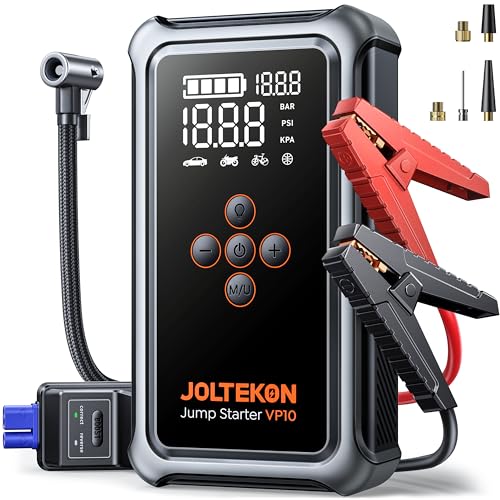
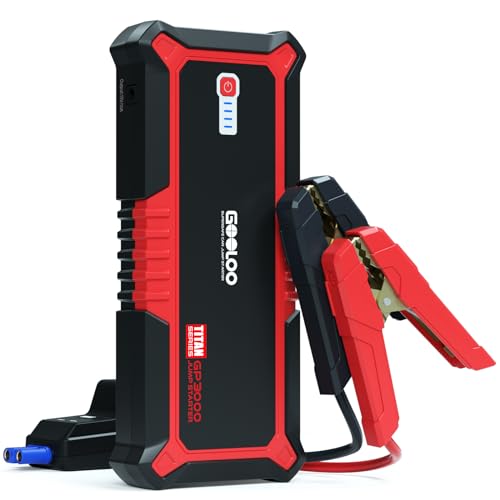
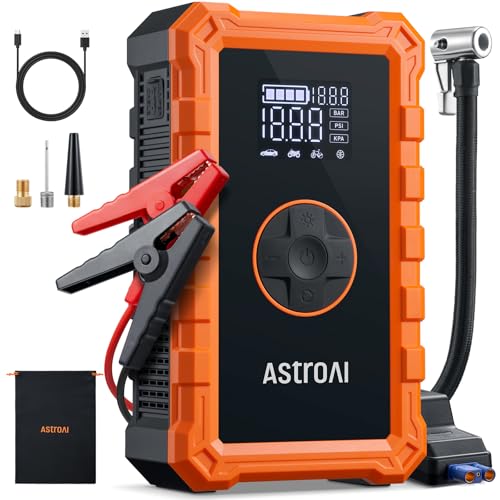
The checklist below puts fit and safety ahead of headline numbers, because peak amp claims are the least honest figures in this category. Use the product table together with the checklist to match a unit to your engine, your climate and your budget.


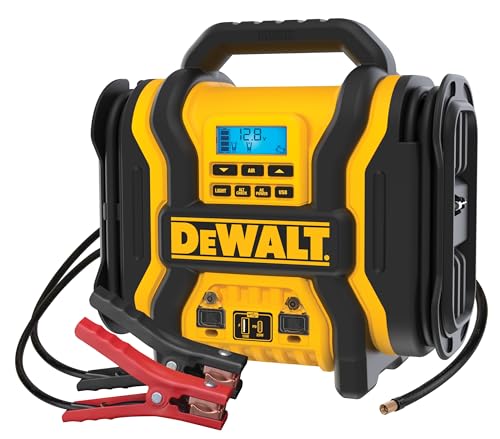

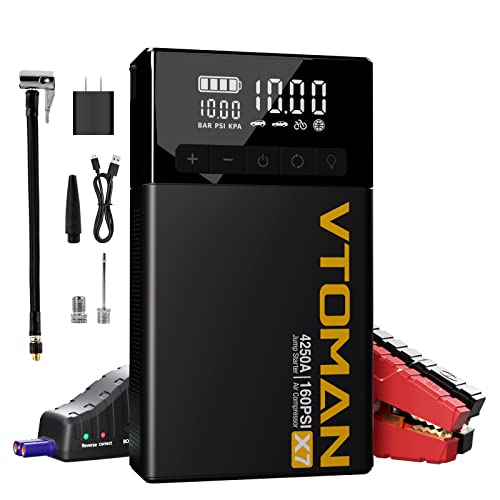

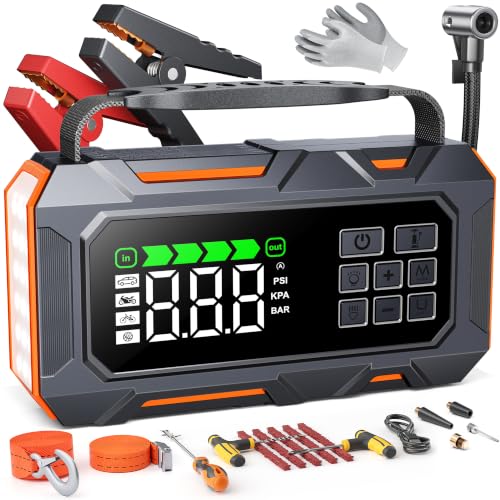
The Best Auto Jump Starter Buyer Checklist: Six Checks Before You Spend
Work through these six checks in order and most listings will sort themselves quickly. A unit that fails an early check does not get rescued by passing a later one.
Beginner Friendly Features That Matter
Look for controls that a stressed driver can handle in the dark: one power button, a clear status light that shows the pack is ready, and clamps with labels you can read by phone light. A built in flashlight sounds like a gimmick until you are crouched by a wheel at midnight trying to find the battery terminals. Plain language error alerts matter too, because a pack that beeps and explains a reversed clamp teaches you the fix on the spot. If the first page of the manual reads clearly on a calm afternoon, the roadside moment will go better.
Vehicle Compatibility Comes First
Start with your engine, not with the product photos. Every serious listing states the engine sizes a unit can start, usually as gasoline engines up to a given liter size and diesel engines up to a smaller one, and your engine should sit inside that range with room to spare. Diesel engines and large truck engines need noticeably more cranking power than a small sedan. Owners of hybrids should confirm the maker lists their vehicle type, because the small auxiliary battery in a hybrid works differently from a standard starter battery. Drivers sizing a unit for one family sedan can compare car only sizing in the guide to the best car jump starter.
Performance Specs, Read Honestly
Peak amps are a marketing ceiling rather than a working number, so treat the biggest printed figure on the box with suspicion. Judge a unit by the engine sizes it is listed to start, which reflects how the maker expects it to perform under real cranking conditions. Clamp and cable quality matter as much as the battery inside: thick cables with solid clamps carry current with less loss and survive repeated use. A unit that promises several real starts per charge on engines like yours tells you more than one giant amp claim. Shoppers cross shopping the best auto battery jump starter listings will see the same pattern of inflated headline numbers.
Safety Features That Are Not Optional
Three protections should be non negotiable. Reverse polarity protection stops the damage if the clamps land on the wrong terminals. Short circuit protection cuts power if the clamp jaws touch each other. Overheat protection pauses the unit before a hot pack gets dangerous during repeated attempts. Spark proof clamp design is worth having for the same reason, because connecting a battery should never throw sparks near fuel vapor. If a listing cannot name its protections in plain words, treat that silence as your answer and move on.
Build Quality and Weather Resistance
A jump starter lives in trunks, glove boxes and door pockets, so its housing takes heat, cold and casual drops. Look for a case that feels sealed and sturdy, port covers that keep dust and grit out of the charging socket, and cables long enough to reach both terminals without stretching. Cheap clamps with thin jaws bend and lose their grip within a season. Units rated for some splash and dust resistance also shrug off a rainy roadside stop better than bare electronics in a fabric pouch.
Warranty and Brand Support
A jump starter is a battery product, and battery products live or die by their support terms. A warranty of at least a year is the floor, and two years is a better sign that the maker expects the cells to last. Check that replacement cables and clamps are sold separately, because a damaged clamp should not retire the whole unit. Makers who publish a real support address and a clear return process are far easier to deal with when a pack swells or stops holding its charge.
Price Bands: What Each Step Up Actually Buys
Prices cluster into three rough bands, and the honest difference between them is engine coverage and build quality rather than magic features. The product table shows which band each current option falls into. A compact pack compared in the guide to the best jump starter pack can be the right buy for a small car and the wrong buy for a diesel truck at the same price.
Bare Bones Rescue Kits
At about $40 to $70 you get a compact pack sized for small and midsize gasoline cars, the basic protections and a charging cable. These kits suit a single commuter car that parks at home and rarely travels far. The trade offs are thinner clamps, fewer starts per charge and slower recharging. If your engine is small and your trips are local, this band covers the real risk without paying for capacity you will never use.
Everyday Driver Kits
The middle band, about $70 to $130, adds starts for larger engines, stronger clamps, faster charging and useful extras such as brighter work lights and ports for charging a phone. Most family cars, crossovers and light trucks land here. Build quality also steps up in this band, so the pack tolerates trunk life and temperature swings better. For a household with two cars of different sizes, sizing to the bigger engine in this band is usually the sensible single purchase.
Big Engine and Diesel Kits
The top band, about $130 to $250, is about cranking authority: diesel trucks, large V8 engines and work vehicles that must start in serious cold. These packs are bigger and heavier, with heavy gauge cables and durability built for frequent use. Rural drivers who regularly start other people's vehicles often shop here too. Everyone else is paying for weight they will resent carrying, so buy this band for a named engine rather than for peace of mind alone.
Extras That Trade Against Jump Capacity
Many packs bundle an air compressor, a large power bank battery or extra charging ports, and at a fixed price those extras are paid for out of the same budget as the cells, cables and clamps. A compressor adds real value if you genuinely top up tires every month, and it adds only bulk if you do not. Power bank capacity is similar: it is handy on a camping trip and pointless weight on a school run. Decide which job the purchase is for, because a plain pack usually buys more starting reliability per dollar than a combo unit of the same price.
Quick Buyer Checklist
Run these yes or no questions against any listing before you decide on the best auto jump starter for your car:
- Is your engine listed inside the unit's gasoline or diesel size range, with margin to spare?
- Does the listing name reverse polarity, short circuit and overheat protection in plain words?
- Are the cables long enough to reach both of your battery terminals without stretching?
- Do the clamps look solid enough to bite a corroded terminal and stay put?
- Does the pack show its charge level clearly, so a flat pack is never a surprise?
- Is the warranty at least a year, with replacement cables and clamps sold separately?
- Is the unit small enough that you will actually keep it in the car all year?
Red Flags to Watch For
Treat star ratings in this category as weather rather than climate. Two stores can present the same unit as the best rated jump starter in one list and as a middling pack in another, because rating pools differ by site, season and sample size. Roundups of the best rated battery jump starter options carry the same limit: there is no shared standard standing behind the stars, and best seller badges say only that a unit sells. Judge by engine coverage, named protections and warranty instead.
Other warnings are easier to spot. Be wary of a giant peak amp number with no engine size listed anywhere, no named safety protections, a warranty measured in months rather than years, or a bundle padded with cables and cases you already own. Watch for praise that talks about everything except starting a car. A listing that hides its engine range is asking you to gamble, and a dead battery is the worst possible moment to learn the answer.
Use It Safely: The Rules That Outrank Specs
When the moment comes, follow the connection sequence printed in your unit's manual exactly, in order, every time. Makers differ in small details, and the manual stored beside the pack is the authority, not a video you half remember. Keep your face away from the battery, work in open air, and remove the clamps in the order the manual gives once the engine runs. If the car refuses to start after a few attempts, stop cranking, because repeated tries overheat both the pack and the starter motor.
A pack rescues a weak battery, but it does not diagnose one. If the same car needs a jump twice in a month, the battery, the charging system or the alternator is failing, and the right fix is a mechanic with a tester rather than a bigger pack. Never use or charge a pack that is swollen, cracked or heat damaged, and never open one up to look inside. Retired lithium packs go to a local battery recycling point, never into household trash.
Ownership Habits That Keep the Pack Ready
A closed car in summer heat is hard on lithium cells, so where the pack sleeps matters more than most buyers expect. A shaded cabin spot or an insulated pouch ages cells more slowly than a trunk baking over hot asphalt, while deep winter cold argues for bringing the pack indoors overnight. Pick the spot you will actually maintain, because a pack stored perfectly in a garage you never enter helps nobody on the road.
Lithium packs lose charge slowly while sitting, and a pack at zero cannot rescue anyone. Top yours up every three months and after every use, and glance at the charge gauge whenever you check tire pressures. Keep the clamps clean and dry, coil the cables loosely rather than kinked, and look the case over each season for swelling or cracks. Five minutes of routine care is the whole price of a pack that works on the one day it matters.
Jump Starters: Your Questions Answered
How many amps does a jump starter need to start a V8 engine?
Judge by the maker's engine size listing rather than the amp number, because peak amps are measured under ideal conditions that a cold morning never matches. As a working guide, most packs listed for gasoline engines up to about 7 or 8 liters handle typical V8 cars and trucks, while diesel versions of similar engines need a higher band. Cold weather raises the demand sharply, so drivers in northern winters should size one step above their engine instead of right at its limit.
Can a portable jump starter damage a car's electronics?
A modern pack with reverse polarity and short circuit protection is designed to prevent exactly that, and damage stories almost always trace back to clamps placed on the wrong terminals or a damaged unit used anyway. Follow the connection order in the manual, keep the clamps from touching each other, and never use an override mode meant for fully dead batteries unless the manual directs you to. When real doubt remains, a tow to a shop costs less than a fried control module.
How long will a jump starter hold its charge sitting in the car?
Most lithium packs hold a useful charge for roughly three to six months of storage, losing a little each month even while switched off. Heat speeds that loss, which is why a summer trunk shortens the window. The safe habit is a calendar reminder every three months to top the pack up and confirm the gauge reads full. A pack stored at a low partial charge also ages faster, so keeping it near full protects both readiness and battery life.
Can one person jump start a car alone with a portable pack?
Yes, working alone is the entire point of a portable pack, because no second car and no passing stranger are needed. Set the parking brake, put the transmission in park or neutral, connect the clamps as the manual directs, start the engine, then remove the clamps in the stated order. The one caution is traffic: stand on the side away from moving vehicles, use the pack's light after dark, and never lean directly over the battery while it cranks.
What should you do if a jump starter pack starts to swell?
Stop using it immediately and do not charge it, because swelling means the cells inside are failing and building gas. If the pack is cool and safe to touch, move it to a spot away from fuel, fabric and direct sun, and do not puncture or squeeze it. Contact the maker for disposal guidance and take the pack to a local battery recycling point. A swollen pack is at the end of its life, and no single jump is worth the fire risk of pushing it further.
Final Thoughts
Sizing to your engine, named safety protections and a storage habit you will actually keep matter more than any headline amp figure. Match the band to the largest engine you own, keep the pack charged and out of the worst heat, and let a mechanic investigate any car that needs jumping twice. The product table above pulls the current options together with the specs this checklist uses. Choose the best auto jump starter that fits your engine and your routine, and a dead battery becomes a short delay instead of a ruined day.