
Best Brake Tools in 2026: Which Type Is Right for You?
Disclosure: We may earn a commission when you buy through links on this page, at no extra cost to you. As an Amazon Associate I earn from qualifying purchases. Learn more

Compare brake tool types, from pad spreaders to bleeder kits, by job, fit, and price so you can choose tools that suit your vehicle and skill level.
Brake work covers several different jobs, and each job calls for a different tool. A best brake tools search turns up pad spreaders, piston rewind tools, bleeder kits, and flare tools, and buying the wrong style can slow a job or damage a part. The comparison table below gives a quick overview of the main types, so you can see which tool fits the work you actually plan to do.
This guide compares brake tools by job and by price tier, with safety notes throughout. Brakes are safety critical parts, so if you are unsure about any step, ask a qualified mechanic for help rather than guessing. The right tools make the work smoother, but they do not replace sound judgment or maker guidance.

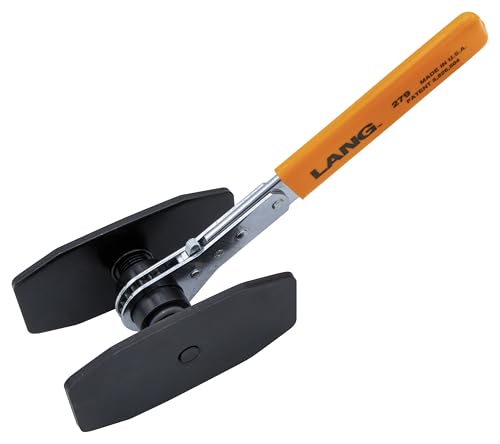
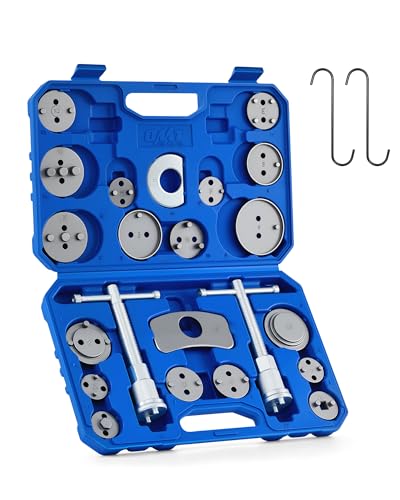


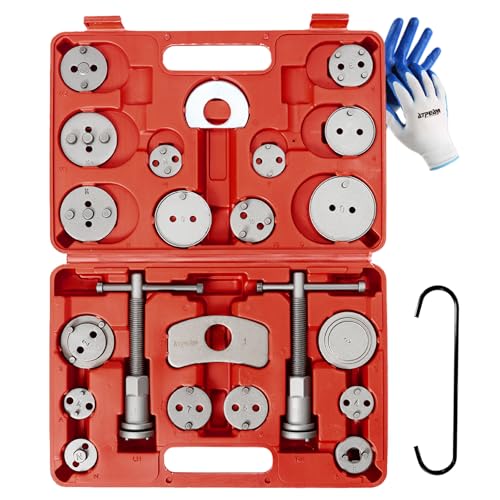


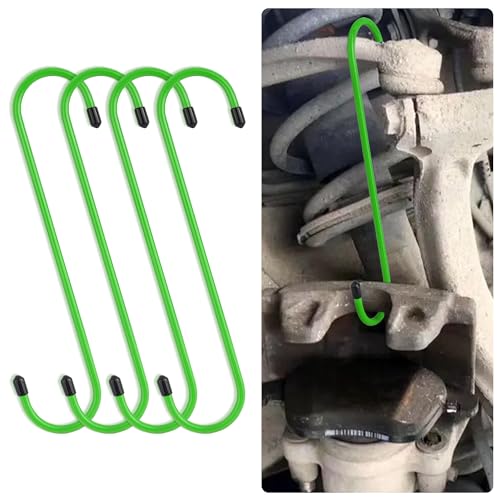
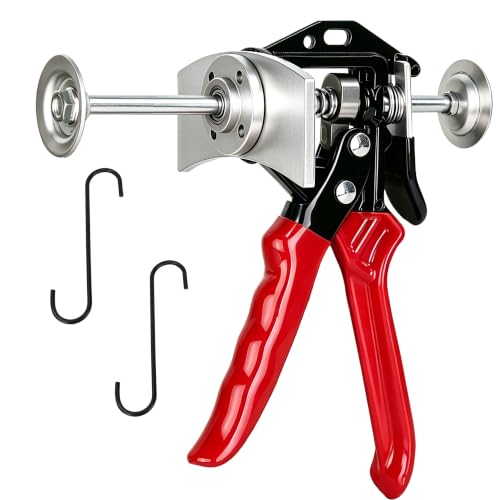


Types of Brake Tools Compared
| Type | Best For | Pros | Cons | Typical Price |
|---|---|---|---|---|
| Pad spreader | Pushing caliper pistons back for pad changes | Simple and fast | Limited to simple piston jobs | around $20 |
| Piston rewind tool | Rear calipers that need a turn and push motion | Fits many rear caliper designs | Needs the right adapter plate | around $40 |
| Bleeder kit | Flushing old fluid and removing air | Cleaner one person bleeding | Needs care to avoid air leaks | around $30 |
| Flare tool set | Making new brake line ends | Creates a sealed line joint | Needs practice for a clean flare | around $60 |
Compact Options
Compact brake tools suit occasional pad changes and small storage spaces. A small pad spreader and a basic bleeder bottle cover the most common home jobs without filling a toolbox. These tools are light, easy to carry, and simple to use, which suits buyers who service one vehicle a few times a year. Their limits show on rear calipers that need a rewind motion, where a compact spreader may not fit or may apply force unevenly.
Compact tools also tend to use fewer adapters, so check fit against your caliper type before buying.
Mid Range Options
Mid range brake tool sets add the adapters and specialty pieces that compact sets leave out. A piston rewind set with several plates covers more rear caliper designs, and a vacuum or pressure bleeder makes fluid changes cleaner and faster. These sets suit home mechanics who service more than one vehicle or who plan to do fluid flushes as well as pad changes. Mid range sets cost more, but they reduce the chance of stopping mid job because a needed adapter is missing.
Budget Options
Budget brake tools suit a single, simple job when you want to keep costs low. A basic spreader or a simple bleeder hose can handle a straightforward pad change on a common caliper design. The trade off is fit and durability, since budget tools may flex under load or include fewer adapters. Check the tool against your vehicle before you start, and inspect it for rough edges or loose joints.
If the job involves brake lines or a caliper that needs rewinding, a budget tool may not be enough, and a better set is worth the extra cost.
Compact Options vs Mid Range Options: Which Should You Choose?
Choose compact tools when your jobs are simple, your storage is tight, and you service one vehicle. A small spreader and a basic bleeder cover front pad changes well, and the low cost makes them easy to justify for occasional use. Choose mid range sets when you work on rear calipers, flush fluid, or service several vehicles, because the extra adapters and a better bleeder save time and frustration. Mid range sets also tend to feel sturdier under load, which matters when a piston resists movement.
How to Choose the Right Brake Tool
Safety and Certifications
Brake work affects stopping distance, so safety comes before price. Choose tools made for automotive brake service, and follow the vehicle maker guidance for torque, fluid type, and bleeding order. Wear eye protection, since brake fluid can splash and old pads can shed dust. Never rely on a jack alone, and support the vehicle on stands rated for its weight.
If the pedal feels soft after a job, or if any fitting leaks, do not drive the vehicle until a qualified mechanic checks it. Keep small parts away from children, and store brake fluid sealed and out of reach.
Key Performance Specs
The most important specs depend on the tool type. For a pad spreader, check the jaw opening range and the force it can apply evenly across the piston face. For a rewind tool, check the adapter plates included and whether the tool turns in both directions, since some rear calipers wind clockwise and others wind counterclockwise. For a bleeder kit, check the hose fit on your bleeder screws and whether the kit seals well enough to avoid drawing air.
For a flare tool, check the line sizes it supports and whether it forms the flare style your vehicle uses. Match every spec to your vehicle before ordering.
Price vs Value
Basic brake tools cost about $15 to $30, mid range sets cost about $30 to $80, and fuller professional style sets cost about $80 to $150. The budget tier suits a single simple job, while the mid range tier covers most home brake work with better adapters and sturdier construction. Premium sets earn their price through wider adapter coverage and tools that hold up to frequent use. For most home mechanics, the mid range tier offers the best balance of coverage and cost.
Ease of Use and Setup
A good brake tool should set up quickly and stay stable while you work. A spreader that slips off the piston face wastes time and can score a surface, so check that the plates sit flat. A bleeder kit should connect firmly to the bleeder screw without leaking air around the hose. A rewind tool should turn smoothly without binding, and its adapter should lock in place.
Intended Use and Who It Is For
Occasional owners who change front pads once a year need only a spreader and basic hand tools. Home mechanics who flush fluid and service rear calipers need a rewind set and a reliable bleeder kit. People who restore older vehicles or replace brake lines need a flare tool set and line wrenches in the right sizes. Each group faces different risks, so match the tool to the job rather than buying a large set for a small task.
Care and Maintenance Tips
Read the manual before first use, and clean each tool after a brake job so fluid residue does not corrode the surface. Wipe tools dry, oil any moving threads lightly, and store them in a dry place in their case. Clean and inspect adapters regularly, and replace any plate that is bent, cracked, or worn. Keep brake fluid off painted surfaces and away from children and pets, and dispose of old fluid as your local rules require.
Brake Tools: Your Questions Answered
How long does a brake tool last?
A well made brake tool often lasts many years with cleaning and dry storage, since most brake tools see only occasional use. Moving threads and adapter plates wear first, especially on rewind tools used on stiff rear calipers. Rust shortens tool life, so wipe tools dry after contact with fluid and store them away from damp air. Inspect plates and hoses before each job, and replace any part that is bent or cracked.
A tool that flexes or slips under load should be replaced rather than forced.
How much should I spend on a brake tool?
Most home mechanics do well with about $30 to $80 for a mid range set that covers pad changes and basic bleeding. A single simple job can cost less, at about $15 to $30 for a basic spreader or bleeder hose. Fuller sets at about $80 to $150 suit people who service several vehicles or replace brake lines. Compare the price against the jobs you actually plan to do, and favor adapter coverage over a large piece count.
Spending a little more on a sturdy rewind tool beats buying a cheap one twice.
What features matter most when buying brake tools?
Fit, stability, and adapter coverage matter most, because a tool that does not match your caliper cannot do the job safely. Check the jaw range, the adapter plates, and the hose fit before you compare prices. Sturdy construction matters too, since brake pistons can resist movement and a flexing tool can slip. Ease of cleaning and storage also counts, because fluid residue damages tools left dirty.
Choose a tool that fits your vehicle first, then weigh price and extra features.
Are expensive brake tools worth it?
Expensive brake tools are worth it when the extra cost buys wider adapter coverage, sturdier construction, and smoother operation on stiff calipers. For a single simple pad change, a basic tool performs nearly as well, so the premium price adds little value. Frequent users and people who work on several vehicles will notice the difference in fit and durability. Judge value by how the tool performs on your caliper type, not by the size of the set.
A mid range set often gives most of the benefit at a lower cost.
How do I maintain a brake tool?
Clean the tool with a dry cloth after each job, and wash off fluid residue before storage, following the maker guidance for your specific tool. Oil moving threads lightly, and check adapters for wear, cracks, or bent plates. Store tools in a dry case, away from moisture and heavy items that could bend a plate. Keep hoses free of kinks, and replace any hose that is cracked or soft.
Regular inspection takes only a few minutes and helps you catch damage before it affects a brake job.
Our Verdict
The right brake tools come down to three checks: a tool that fits your caliper and line size, adapters that cover the jobs you plan to do, and construction sturdy enough to apply force evenly. Get those three right, and the price tier becomes a simpler choice based on how often you work on brakes. Use the product table above to compare types side by side, and ask a qualified mechanic for help if any step feels uncertain. A well chosen best brake tools set should make brake work smoother, safer, and far less frustrating.


