
Best Battery Jump Starter for Boat Made Simple: A Clear Buying Guide for 2026
Disclosure: We may earn a commission when you buy through links on this page, at no extra cost to you. As an Amazon Associate I earn from qualifying purchases. Learn more

The best battery jump starter for boat owners has enough cranking power, spray-resistant protection and clamps that fit marine posts.
A flat battery at the dock is an annoyance, but far from shore it can end a trip and leave you calling for a tow. Choosing the best battery jump starter for boat use is simpler once you match the unit to your engine, your battery setup and the damp places where you will store it.
You need enough cranking power for your engine, clamps that reach and grip on a boat battery, and protection against spray and mistakes. Use the product table to check those points side by side as you read.


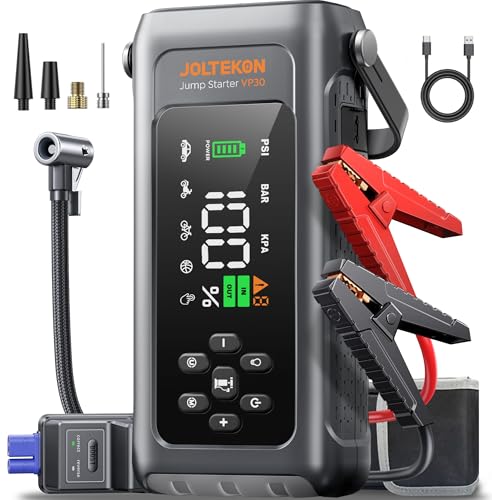


Who Should Buy a Jump Starter for a Boat?
Pick by the boat you run most often, not by the largest number on a box.
Owners of Small Outboard Boats
You run a single outboard on a fishing boat, a small runabout or a pontoon, and space under a seat is tight. A compact unit with modest peak amps is often enough. Prioritize short storage size, a clear charge indicator and clamps sized for standard marine battery posts.
Owners of Larger Inboard and Twin Battery Boats
You start a bigger gasoline inboard or manage a starting battery plus a house battery for lights and electronics. Choose a stronger unit with more reserve, because a large engine and a deeply drained battery ask far more from it. Check that it works with your battery switch setup.
Anglers and Overnight Boaters Far From the Dock
You leave before dawn, anchor away from the marina or sleep on board while pumps, lights and a fish finder draw power. For you, a jump starter is backup safety gear. Choose extra capacity, a bright built in light and a tough case, and check its charge before each departure.
Battery Jumps 101: The Basics
A jump starter is a portable battery pack with two clamps. It sends a short burst of high current to your boat starting battery so the starter motor can turn the engine. Once the engine runs, its charging system begins to restore the boat battery.
That burst differs from slow charging. A charger refills a battery over hours at the dock, while a jump starter delivers a brief surge for starting. It does not repair a failed battery, fix a corroded cable or cure a faulty starter.
If a boat battery is swollen, cracked, leaking or smells strongly of acid, or if cables feel hot, do not attempt a jump and ask a marine professional to inspect the system. Stop at once if you see smoke or melting insulation.
Jump Starter Specs That Matter on the Water
Choosing the best battery jump starter for boat use means reading a few specs with care. Start with power and protection, then check fit in your boat.
Peak Amps and Engine Size
Peak amps describe the short burst a unit can deliver. Small outboards often start well with about 400 to 700 peak amps, many mid size gasoline inboards need about 700 to 1000 peak amps, and larger or diesel engines may need 1000 peak amps or more. Match the rating to the engine makers guidance for cold cranking amps.
Water Resistance and Corrosion Protection
A boat unit lives with spray, rain and damp air, so a sealed housing and a clear water resistance rating matter more than they do in a car trunk. Look for covered ports, tight seams and clamps that resist corrosion from salt water air. A fitted case adds a second layer of protection during storage and keeps clamps from scraping other gear.
Safety Protections That Help New Users
Reverse polarity protection warns you or shuts the unit down if the red and black clamps land on the wrong terminals, and spark proof design reduces sparking as you connect. Overload and short circuit protection add guardrails if a clamp slips. Clear polarity lights and an audible warning are easier to trust than tiny printed symbols when you are in a hurry.
Battery Capacity and Recharge Time
Capacity tells you how many starting attempts and how much small device charging the internal battery can support before it needs a refill. Larger capacity helps on twin battery boats, but it adds size and weight. Note how the unit recharges and how long a full recharge takes. If you prefer a pack that also charges phones between outings, see our guide to the best battery pack jump starter for that format.
Clamps and Cable Length on a Boat
Marine batteries often sit low in a compartment or under a seat, so cable length and clamp shape shape real usability. Cables of about 18 to 24 inches give useful reach without loose loops near moving parts. Clamps should open wide enough for marine terminals, grip with both sides of the jaw and stay put on a vibrating surface. Slim handles help where posts sit close together.
Size, Weight and Extra Power Ports
A compact unit that weighs about 2 to 5 pounds suits most small and mid size boats, while stronger models weigh more. A USB port can restore a phone for a weather check, and a built in light helps you read terminal marks at dawn. Treat extras as secondary. When two units look alike on paper, see our guide to the best rated battery jump starter to compare how ratings are presented.
First Use on the Water: Charging, Clamping and Starting
Charge the unit fully before its first outing, then read its manual for the exact connection order. Check your boat manual for the starting battery location, its voltage and the correct battery switch position. Most recreational boats use a 12 volt system, and a unit must match that voltage.
- Turn off the engine and electronics, and ventilate the battery compartment before you open it fully.
- Place the unit on a stable dry surface where it cannot slide or fall into the bilge.
- Connect the red clamp to the positive terminal first, then the black clamp to the negative terminal or the grounding point named in your manual.
- Switch the unit on, wait for its ready light, start the engine, then remove the clamps in reverse order.
Recharge jump starters every 3 months even without use, and also after each jump. If your boat keeps its unit on board all season, see our guide to the best boat jump starter for that narrower onboard choice.
Rookie Mistakes to Avoid
- Buying by peak amps alone can leave you with a unit too large for your storage locker.
- Connecting clamps to the wrong terminals can damage electronics and the jump starter itself.
- Storing the unit in a damp locker without its case invites corrosion on clamps and ports.
- Leaving the unit uncharged for a full season means it may fail on the day you need it.
- Jumping again and again without finding why the battery drained hides faults such as a failing battery.
Care and Maintenance for a Boat Jump Starter
Wipe the housing and clamps with a dry cloth after use near salt water, and let a damp case air out before you close it. Inspect clamp teeth, cable insulation and port covers each month, and stop using the unit if a cable is cut.
Store the unit indoors during winter in a cool dry place, away from fuel and solvents. Keep its charge in the range the maker advises, and top it up on a calendar reminder.
Battery Jumps: Your Questions Answered
What makes a boat jump starter different for a first time buyer?
A boat jump starter differs mainly in protection against damp air, spray and corrosion, plus clamps shaped for marine terminals. For a first time buyer, simple controls matter more than extra outlets. Many new owners miss storage access, so choose a spot you can reach with the engine cover open and one hand free for balance.
What features matter most in a jump starter for use on a boat?
The features that matter most are enough cranking power, safety protection and a housing that tolerates moisture. Beyond those, check the flashlight beam pattern, because a wide beam helps you see both terminals at once in a dark compartment. A handle you can grip with wet hands also makes early morning use calmer.
What peak amp spec matters most for a boat jump starter?
The number that matters most is usable cranking output for your engine size, not the largest peak number on the box. Diesel engines usually need the higher end of a range. If your boat has a battery switch, confirm the selected battery before you judge a failed attempt, because power sent to the wrong bank will not start the engine.
How long does a boat jump starter hold its charge?
A boat jump starter typically holds a useful charge for about 3 to 6 months, with slow loss even while it sits unused. Heat shortens that window, so a unit in a sun baked dock box may need a top up sooner than one in a cool cabin. Checking the indicator on the first weekend of each month helps the habit stick.
Will a boat jump starter work with my boat engine and battery setup?
Yes, a boat jump starter will work if its voltage and cranking rating match your engine and starting battery. Most single engine recreational boats use one 12 volt starting battery, which keeps matching simple. Check terminal style as well, because wing nut posts and standard posts need a clamp that seats fully on the metal.
Do I need a professional to install a boat jump starter?
No, you do not need a professional to install a boat jump starter, because nothing is installed permanently. You charge it, clamp it on when needed and remove it after the engine starts. Ask a professional to help only if battery cables are damaged, terminals are badly corroded or the battery type is unclear.
Final Thoughts
Keep the choice simple. Match cranking power to your engine, insist on clear safety protection and water resistance, and confirm that the clamps reach your battery with room to grip. Then store the unit charged, dry and easy to reach.
With those points settled, the best battery jump starter for boat owners can rely on is the one that fits their boat and is ready on a bad morning. Use the product table to compare size, power and price before you order.


