
Best Brake Shoes for Drum Brakes: A Buyer Checklist for 2026
Disclosure: We may earn a commission when you buy through links on this page, at no extra cost to you. As an Amazon Associate I earn from qualifying purchases. Learn more

Use this buyer checklist for the best brake shoes for drum brakes, covering friction material, exact fitment, hardware, bedding in, and lasting value.
Drum brakes still do quiet, reliable work on the rear axle of many cars, small trucks, and trailers, but the shoes inside them are easy to buy badly. Wrong diameter, wrong width, or a bargain friction material can mean noise, weak holding power, and a second teardown to fix the first one. This checklist for the best brake shoes for drum brakes walks through the exact points to verify before you order, so the parts you open on the driveway are the parts your vehicle needs. The comparison table below gathers the main types in one place.
Brakes are safety equipment. If any step in this guide feels beyond your tools or experience, that is a sign to book a qualified mechanic instead, and the guide says so again where it matters.

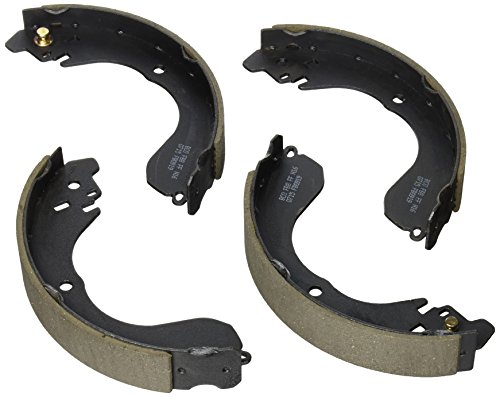
How We Evaluate Brake Shoes
Friction Material: Organic, Semi Metallic, and Ceramic
The friction material is the working surface of the shoe, and it sets stopping feel, noise, and life. Organic compounds are gentle on drums and quiet, suiting light cars and gentle use, but they wear faster under heat and heavy loads. Semi metallic compounds bite harder, tolerate heat better, and last longer, at the cost of more drum wear and a greater chance of noise. Ceramic style compounds run quiet and clean with steady performance for daily driving. Match the material to the vehicle weight and how it is used, not to the boldest claim on the box.
Exact Fitment: Diameter, Width, and Arc
Fitment is the single biggest cause of failed brake shoe purchases. Shoes must match your drum inside diameter and width exactly, and those figures vary by year, trim, and even brake package on the same model. Measure the old drum or check the vehicle specification, and confirm the listing names your exact application rather than a broad model range. The curved shape of the shoe, its arc, must sit evenly against the drum. Shoes sold as ready to fit still deserve a test fit against the drum before assembly, because a small mismatch here becomes grabbing, noise, or uneven wear later.
Bonded vs Riveted Construction
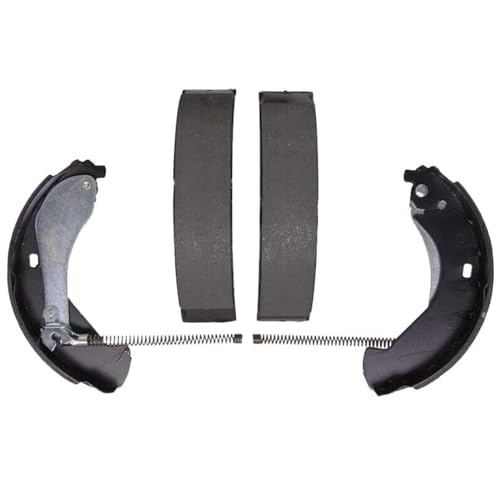
Friction material attaches to the steel shoe in two ways. Bonded shoes glue the lining to the backing, which gives a smooth, quiet surface and uses more of the lining thickness over its life. Riveted shoes fasten the lining with metal rivets, a traditional design that tolerates heat well and lets an experienced eye judge wear at a glance. Both designs work when made well. What matters more is clean, even attachment with no gaps or lifting edges, and steel backing plates that are straight and free of heavy rust or bent lever contact points.
Hardware, Springs, and Completeness of the Kit
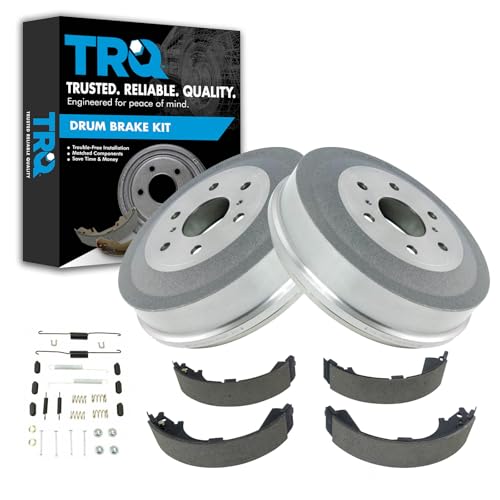
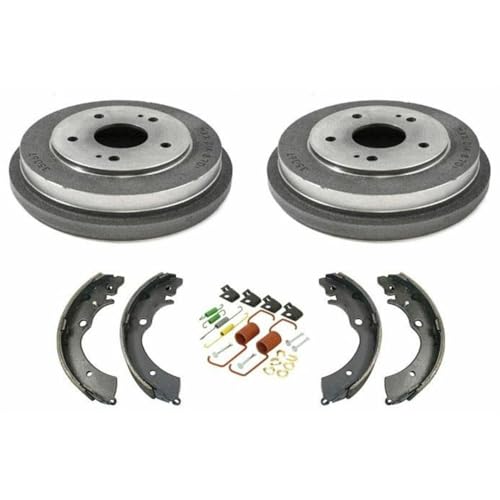
A shoe change is the right time to replace the small parts around it. Return springs weaken with heat cycles, hold down pins corrode, and adjusters seize. Quality sets either include a hardware kit or pair clearly with one, and buying shoes and hardware together saves a second trip mid job. Check whether parking brake levers come attached or must be transferred from the old shoes, since that step needs care and the correct clip. A complete, correct kit is worth more than a small saving on bare shoes, as any overview of the best brake shoes categories will confirm.
Surface Finish and Pre Scoring
Good shoes arrive with a clean, evenly finished friction surface, sometimes lightly scored or chamfered at the edges. Chamfered leading edges reduce the chance of squeal and grabbing during the first miles while the shoes seat to the drum. Avoid sets with oily contamination, cracked lining, or chipped edges in the box, because friction material cannot be cleaned back to full trust once soaked with grease. If the drum itself is scored or worn beyond its stated maximum diameter, new shoes alone will not restore proper braking, and the drum needs machining or replacement by a professional.
Certification, Warranty, and Brand Accountability
Look for makers that state their testing standards plainly and back the product with a real warranty and a reachable company. Brake parts are not the place for anonymous listings with no specifications. A named manufacturer with an application catalog, torque and service information, and a warranty measured in years or miles gives you recourse if a set wears early or makes noise. Keep your receipt and the box until the bedding in period is done and the brakes feel right, because warranty claims for friction parts usually need proof of purchase and correct installation.
What Each Price Tier Delivers
Budget Tier: Basic Shoes for Light Duty
Budget sets, often around $25 to $45 per axle set, usually offer organic material, bare shoes without hardware, and minimal finishing. They can serve an older, light car driven gently, but expect shorter life and a higher chance of noise. At this level, checking fitment matters even more, because application data on the cheapest listings is often sloppy. If you buy budget, add a new hardware kit to the order, and plan on inspecting the brakes again sooner than you would with a stronger set.
Mid Tier: The Sensible Default
Mid tier sets, roughly around $45 to $80, are the right default for most drivers. You get better friction compounds, cleaner bonding, edge chamfers, and often the option of shoes with parking brake levers already fitted. Drums wear more kindly, stops feel more consistent, and service life stretches. This tier also tends to come from makers with proper catalogs, so the odds of receiving the exact application you ordered improve a great deal. For a daily driver you depend on, this is where value and safety meet.
Premium Tier: Heavy Duty and Towing
Premium and heavy duty sets, often around $80 to $130 or more, focus on heat tolerance and long life under load. Trucks that tow, vehicles in mountain country, and delivery use justify the step up because rear drums work hard on long grades and repeated stops. Expect semi metallic or heavy duty compounds, robust backing plates, and complete fitting hardware. The extra cost is small next to the labor of doing the job twice, and it is tiny next to the value of brakes that feel the same at the bottom of a long hill as at the top.
Quick Buyer Checklist
- Have you confirmed the exact drum diameter and shoe width for your year and trim?
- Does the listing name your specific application rather than a broad model range?
- Is the friction material suited to your vehicle weight and driving pattern?
- Are new springs, hold down parts, and adjusters included or ordered alongside?
- Do the shoes arrive clean, uncracked, and free of oil or grease contamination?
- Is the drum itself within its maximum diameter and free of deep scoring?
- Does the maker offer a stated warranty and reachable support?
- Do you have a torque wrench, brake tools, and a safe way to support the vehicle?
Red Flags to Watch For
Walk away from listings with vague fitment language that promises one set fits many unrelated vehicles. Be wary of friction material described only with glowing adjectives and no compound type. Missing specifications, no stated warranty, and prices far below every comparable set all point the same way. Inside the box, reject shoes with lifting lining edges, bent backing plates, or rust breaking through the coating. Finally, treat any seller who suggests reusing stretched springs and corroded hardware as a false economy. Those small parts decide whether new shoes sit and adjust correctly.
How to Make Your Brake Shoes Last Longer
Bed new shoes in with a series of gentle to moderate stops that seats the lining to the drum without overheating it, following the maker guidance in the box. Keep the self adjusters working by using the parking brake regularly where the design relies on it, and have the brakes inspected whenever the wheels are off for other work. Avoid riding the brake pedal on long descents; use a lower gear so the engine shares the work. Fix leaking wheel cylinders or axle seals at once, because fluid or gear oil on the lining ruins shoes quickly. Clean, dry, correctly adjusted drums give shoes their longest, quietest life.
Brake Shoes: Your Questions Answered
What features matter most in brake shoes for drum brakes?
Exact fitment matters most, followed by friction material matched to the vehicle and clean, solid construction. A perfectly specified shoe in a mid tier compound will outperform a premium shoe in the wrong size every time. Completeness matters too, because fresh hardware keeps the shoes centered and adjusting properly. Judge listings in that order and most buying mistakes disappear before the box is opened.
Are expensive brake shoes worth it?
They are worth it when the vehicle is heavy, tows, or descends long grades, because heat tolerance and lining life are what the extra money buys. For a light car in gentle use, a sound mid tier set delivers nearly all the real world benefit. What is never worth it is paying for a famous name while ignoring fitment. Spend first on the correct application and fresh hardware, then on compound quality.
Can I replace brake shoes myself?
You can if you have mechanical experience, the right tools, a proper jack and stands, and a service manual for your exact vehicle. Drum assemblies contain strong springs and small parts that must go back in exact positions, and errors affect braking safety directly. Take clear photos before disassembly and work on one side at a time so the other side stays as a reference. If any of that sounds uncertain, pay a qualified mechanic. This is not the job to learn by guessing.
How long is the break in period for new brake shoes?
Expect roughly the first 200 miles of normal driving to seat new shoes fully to the drum surface. During that period, avoid hard stops when you safely can, leave extra following distance, and know that pedal feel improves as contact evens out. A series of moderate stops from city speeds, with cooling time between them, helps the process. If grabbing, pulling, or grinding persists past the early miles, have the installation inspected rather than waiting.
How often should I replace my brake shoes?
Rear drum shoes often last about 40,000 to 70,000 miles, but the range is wide because load, terrain, and adjustment change wear a lot. Replace them when the lining approaches about 1 mm above the rivets or bonding line, when they are cracked or contaminated, or when a mechanic advises it at inspection. Having them checked every year or at every tire rotation turns replacement into a planned job instead of a roadside surprise.
How should brake shoes fit inside the drum?
The shoe arc should follow the drum curve closely along its whole length, with the assembly centered and the adjuster set so the drum slides on with light drag. Shoes that rock, touch only at the ends, or force the drum on are wrong, whether the error is size, arc, or assembly. After fitting, the wheel should spin with slight, even resistance and no scraping that comes and goes. Anything else deserves a second look before the vehicle leaves the stands.
Do I need to replace the drums with the shoes?
Not always. Drums can be reused when they are within the maximum diameter stamped or specified for them, and their surface is smooth or can be machined back to smooth by a shop. Replace drums that are cracked, heavily scored, out of round, or already at the wear limit. Fitting new shoes against a worn drum gives poor contact and short shoe life, so the honest answer comes from measuring, not guessing.
Final Thoughts
Run the checklist in order: exact fitment, suitable compound, complete hardware, and a drum worth fitting against. Do that, and the best brake shoes for drum brakes for your vehicle will be a sound mid tier or heavy duty set that matches your driving, not simply the cheapest box. Compare your shortlist in the product table above, and if the job itself feels like a stretch, hand the parts to a qualified mechanic with confidence that you bought the right ones.


