
Best Brake Hoses for 2026: What Actually Matters Before You Buy
Disclosure: We may earn a commission when you buy through links on this page, at no extra cost to you. As an Amazon Associate I earn from qualifying purchases. Learn more

Compare brake hose materials, fittings and DOT standards with a clear checklist on fitment, pressure ratings, installation and safe replacement timing.
A brake hose carries hydraulic pressure from the hard lines on the body to the caliper or wheel cylinder at each moving wheel. When you shop for the best brake hoses for your vehicle, fitment and safety certification matter far more than brand claims, so use the comparison table below to check each listing against the criteria in this guide.
Start by confirming the exact year, make, model and brake setup of your vehicle. A hose that looks close can still have the wrong length, the wrong end fitting or a bracket in the wrong place, and a mistake here affects braking itself.

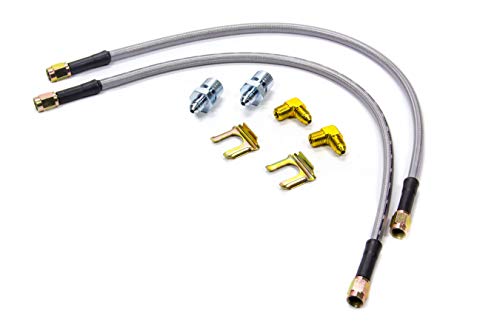

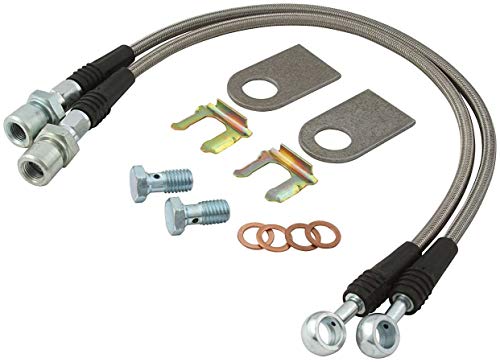


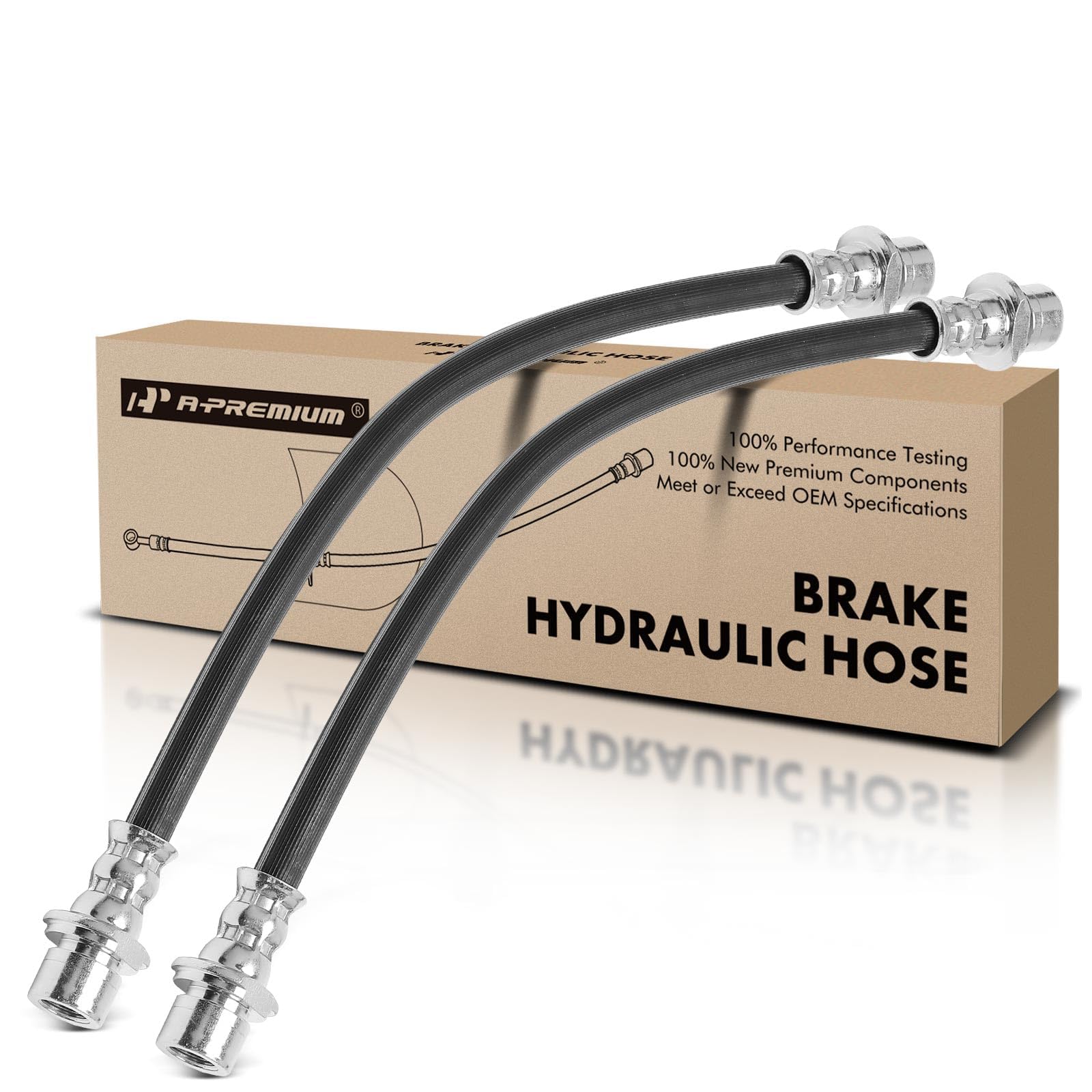


Who Should Buy Which Brake Hoses?
Buyers fall into three broad situations, and each one points to a different hose choice. Match your situation first, then compare materials and fittings.
Drivers Replacing Aged Factory Rubber Hoses
If your car is older, has high mileage or shows cracks on the outer cover of a front hose, a direct fit rubber replacement is usually the sensible choice. It matches the original routing, brackets and pedal feel, and it costs the least. Replace hoses on the same axle together when age is the reason, because the other side has lived the same years.
Owners Who Tow, Haul or Drive in Mountains
Repeated heavy braking builds heat and pressure cycle after cycle, and a hose that swells slightly under pressure can make the pedal feel vague when you need it most. A braided stainless steel hose with a PTFE inner tube expands less, which many drivers feel as a firmer pedal. Choose a vehicle specific coated kit, and keep expectations realistic, since hoses alone do not shorten stopping distance.
Restorers and Owners of Older or Modified Vehicles
A classic car, a lifted truck or a vehicle with a brake conversion may not match a standard catalog listing at all. You may need a custom length or a different end fitting where a caliper or axle has been changed. Measure the old hose, note every fitting and bracket, and order from a maker who builds to the federal standard rather than a generic universal line with adapters stacked at each end.
Key Features to Compare
The best brake hoses for any vehicle share the same short list of traits, whatever the material. Work through these five factors in order, because a failure on the first two ends the comparison.
Compliance With DOT and FMVSS 106 Standards
In the United States, flexible brake hoses must meet Federal Motor Vehicle Safety Standard 106, and compliant hoses carry DOT markings printed or branded on the hose itself. That standard covers tests for burst strength, expansion under pressure, ozone resistance and fitting pull strength. Treat a hose with no DOT marking as unsuitable for road use, even if the listing uses words like racing or heavy duty. Track only parts belong off public roads.
Material and Construction, Rubber vs Braided Stainless Steel
A conventional hose uses a synthetic rubber inner tube, fabric reinforcement layers and a rubber outer cover that resists ozone and road splash. It is quiet, flexible and usually the best match for a daily driver. A braided hose uses a PTFE inner tube wrapped in stainless steel braid, often with a clear or colored outer coating that keeps grit out of the braid. It resists swelling and abrasion well, but it costs more and must be routed so the braid never rubs on suspension or steering parts.
Exact Fitment, Length and End Fittings
Fitment is more than a thread size. Check overall length, the shape and thread of each end fitting, banjo bolt size where a banjo fitting is used, the position of any mounting bracket or grommet, and whether the hose is for the left side, right side, front axle or rear axle. A hose that is too short can pull tight at full steering lock or full suspension droop, while one that is too long can rub a tire or a damper. Compare the new hose against the old one before you open the brake system.
Pressure Rating and Expansion Under Load
A brake system can generate well over 1,000 pounds per square inch in a hard stop, and quality hoses are burst tested to several times normal working pressure. You rarely need to memorize a number, because FMVSS 106 sets the floor, but you should value low volumetric expansion. Less expansion means more of your pedal travel moves the pads and less is lost to hose swell, which is the main reason braided hoses feel firmer.
Brake Fluid Compatibility and Fitting Finish
Most modern systems use DOT 3, DOT 4 or DOT 5.1 glycol based fluid, and hose materials are chosen for those fluids. DOT 5 silicone fluid is a different chemistry used in a small number of vehicles, and mixing the two families can damage seals, so confirm the fluid named on your master cylinder cap. For fittings, look for a corrosion resistant finish such as zinc coating or stainless steel, plus new copper sealing washers for banjo joints, since reused washers are a common source of slow leaks.
Quick Buyer Checklist Before You Order
Answer each question with a clear yes before you buy. One no is enough to stop and check again.
- Does the listing name your exact year, make, model and trim or brake option?
- Is the position correct, meaning front left, front right, rear or the rear axle hose?
- Does the hose carry a visible DOT marking and a reference to FMVSS 106?
- Do the end fittings, banjo size and bracket positions match your old hose in photos?
- Is the length the same as the original, with no adapter needed at either end?
- Does the kit include new sealing washers and any clips your vehicle uses?
- Have you planned fresh brake fluid of the exact type on the master cylinder cap?
- Do you have a plan to bleed the system and check for leaks after fitting?
Safety comes first with this part. If the pedal feels soft or sinks, if you see fluid on a hose or inside a wheel, or if the brake warning light stays on, do not drive the vehicle to check it. Those signs need a qualified brake technician right away, and the car should be towed rather than driven.
Common Mistakes to Avoid
- Ordering by thread size alone leaves you with a hose whose length or bracket position is wrong for your wheel.
- Reusing old copper washers on a banjo joint invites a slow leak that may only appear under hard pedal pressure.
- Letting a caliper hang from its hose during other brake work damages the inner tube where you cannot see it.
- Twisting a hose during fitting shortens its life and can make it rub the wheel.
- Skipping a full bleed after replacement leaves air inside and a soft, unsafe pedal.
- Mixing DOT 5 silicone fluid into a glycol based system can swell seals and spoil braking performance.
Care and Maintenance of Brake Hoses
Brake hoses need inspection rather than servicing. Whenever wheels are off for tire rotation or brake work, look along each hose for cracks in the cover, bulges, chafing marks, damp patches and rust on the fittings. Flex the hose gently by hand and look for fine cracks that open as it bends, a classic sign that the rubber has aged out.
Keep hoses clean with a damp cloth and plain water, and keep petroleum solvents, grease and paint off the rubber cover, since those can soften it. Many makers suggest planning replacement at around six to ten years even without visible damage, because heat and ozone age the material from the outside in. Treat any collision or suspension repair as a prompt to inspect routing and clearance again.
FAQ
How long should brake hoses last on a typical car?
Brake hoses on a typical car often last about six to ten years, though heat, road salt and ozone can shorten that span. Mileage alone is a poor guide, because a low mileage older car can have brittle covers. Ask for a hose check at every brake pad change, and budget for a full set once cracking appears on any single hose.
Are braided stainless steel brake hoses worth it for daily driving?
Braided stainless steel brake hoses are worth it for some daily drivers and unnecessary for others. The clear gain is a firmer pedal feel under hard braking, not shorter stops in normal traffic. If your rubber hoses are young and sound, you will feel little change. If they are due for replacement anyway, a compliant coated kit is a reasonable upgrade.
Should brake hoses be replaced in pairs?
Yes, brake hoses should generally be replaced in pairs on the same axle when age or cracking is the reason. Both sides share the same heat, weather and mileage, so one failed hose is a warning about the other. A single replacement makes sense after isolated damage, such as chafing from a broken clip, provided the matching hose is inspected and genuinely sound.
Do you have to bleed the brakes after changing a brake hose?
Yes, you must bleed the brakes after changing a brake hose, because opening the system lets air in. Air compresses under pedal pressure, so even a small amount makes the pedal soft. Work in the sequence your vehicle maker specifies, and never let the reservoir run dry, since that can draw air into the anti lock brake unit and complicate the job.
Can you drive with a leaking or bulging brake hose?
No, you should not drive with a leaking or bulging brake hose. A bulge means the reinforcement inside has weakened, and a hose can burst during a hard stop, leaving that circuit without pressure. Park the vehicle, arrange a tow, and have a technician replace the hose and bleed the system.
Wrapping Up
Choose fitment and certification first, material second and price last. Confirm the exact application, insist on a DOT marked hose that meets FMVSS 106, match every fitting against the old part, and plan the bleed before you start. Use the product table above to compare your short list on those points.
When you judge best brake hoses by those standards, the right choice fits your vehicle exactly and keeps its strength for years. Buy once, fit it carefully, and inspect it at every brake service.


