Best Boat Deck Boots in 2026: Which Type Is Right for You?
Disclosure: We may earn a commission when you buy through links on this page, at no extra cost to you. As an Amazon Associate I earn from qualifying purchases. Learn more

Boat deck boots compared by type, with grip, waterproofing, height and fit explained, plus care tips and typical prices.
A wet deck punishes the wrong footwear fast. Spray soaks your socks, a smooth sole slides on a slick patch, and a stiff boot makes climbing and kneeling awkward. The best boat deck boots solve those problems with grip that holds on wet fiberglass, uppers that keep water out, and enough cushioning for hours on a hard deck. This guide compares the main types so you can read the comparison table below with clear priorities.
The confusion usually comes from height and warmth, not from style. A short boot suits a calm summer day, while a taller waterproof boot suits cold rain and rough launches.


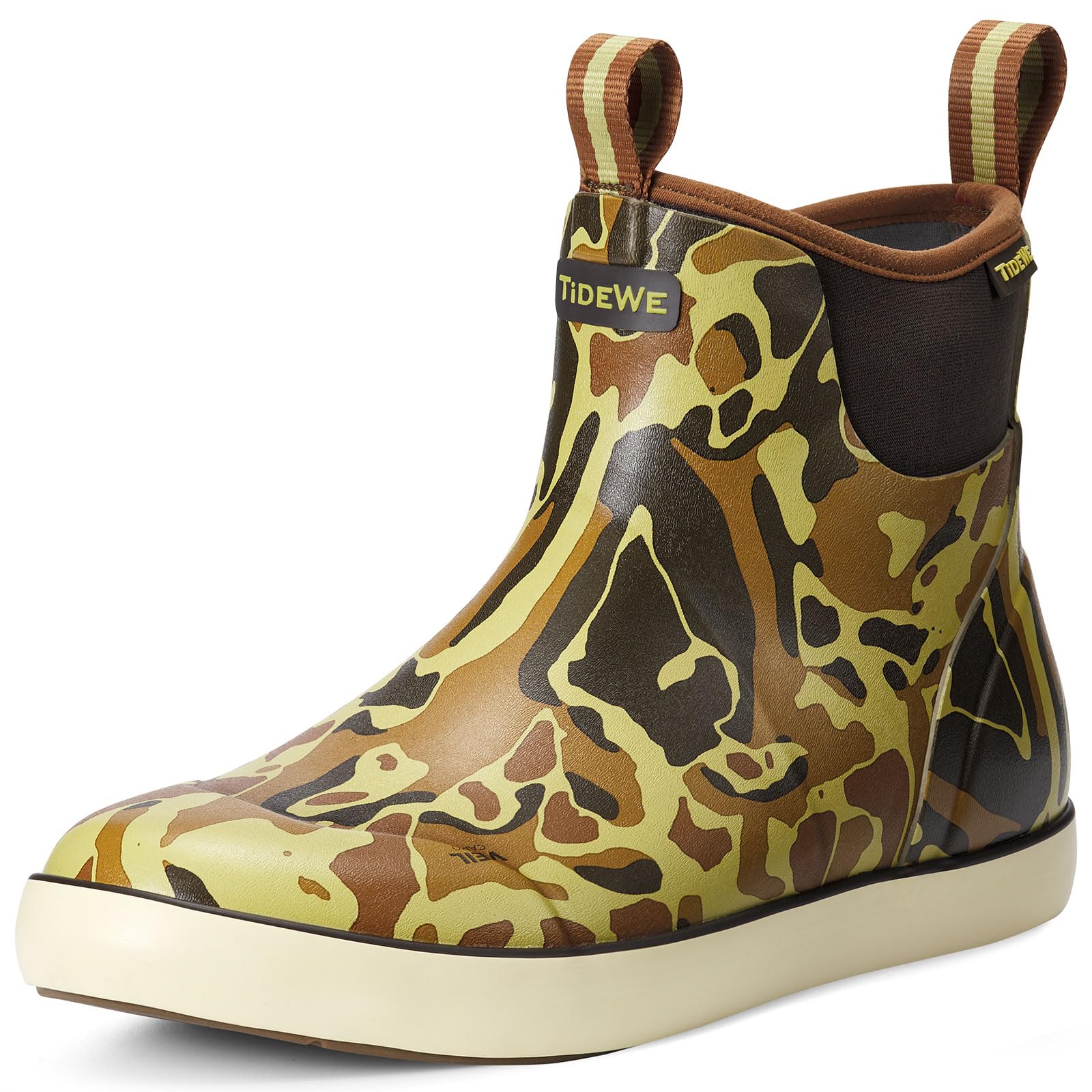

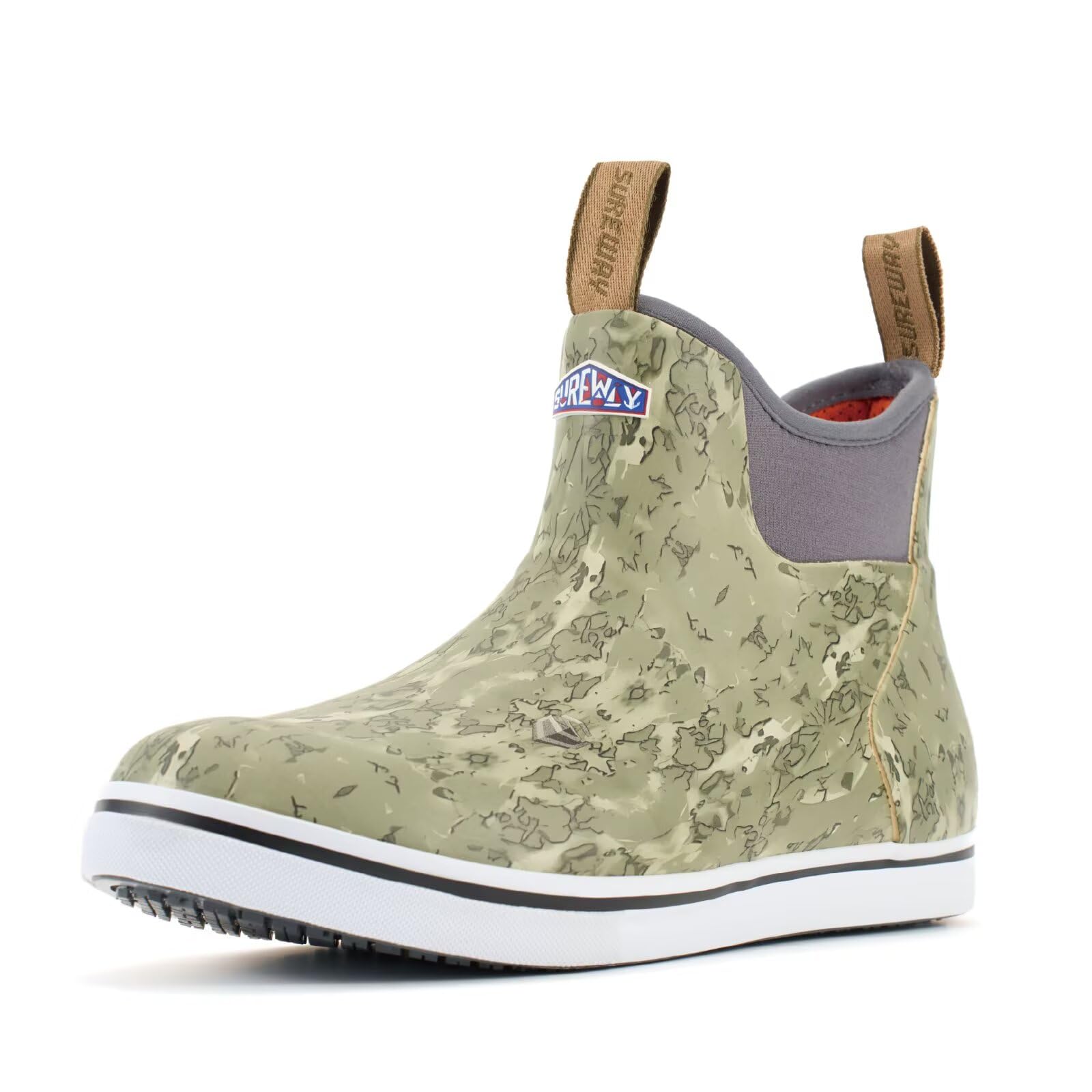

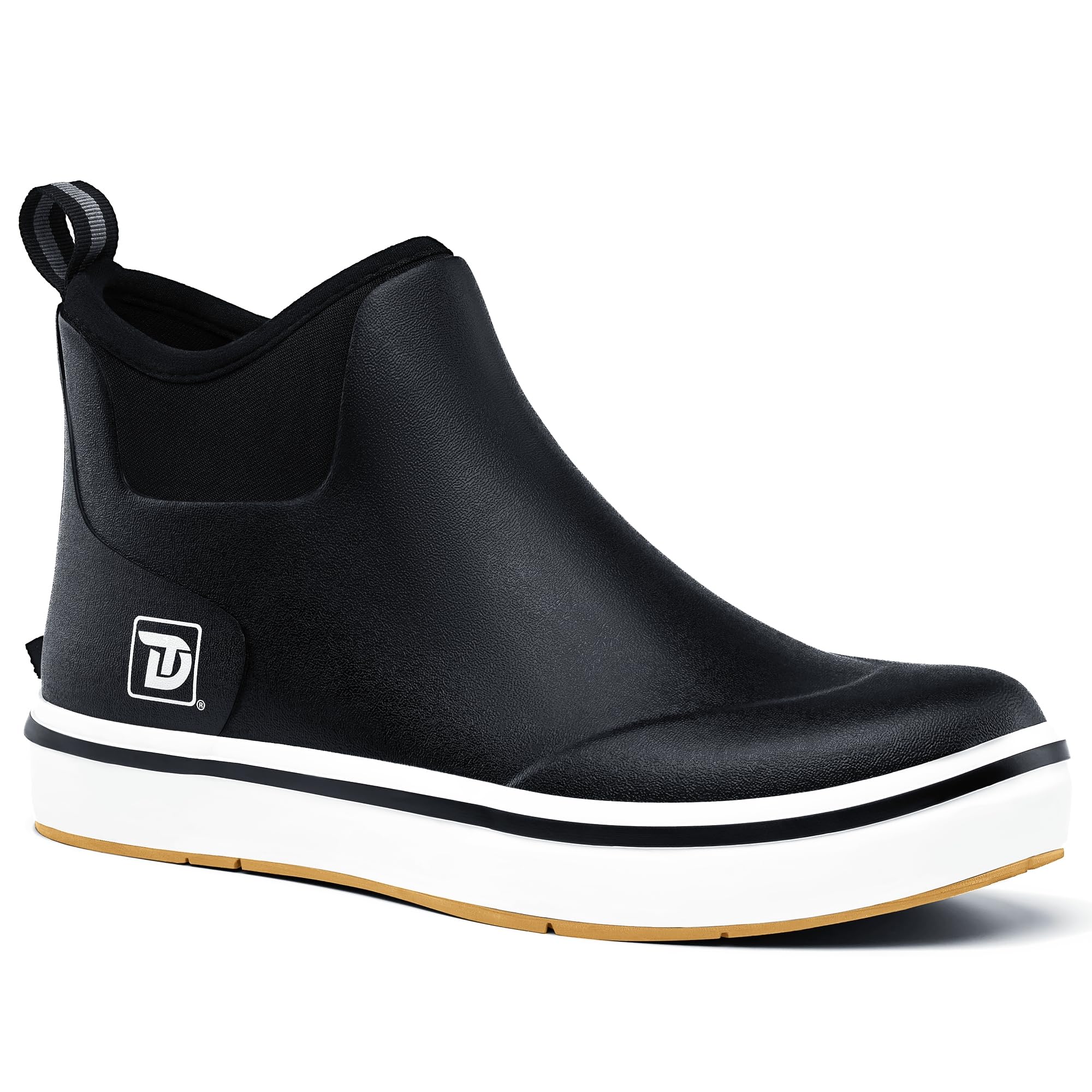

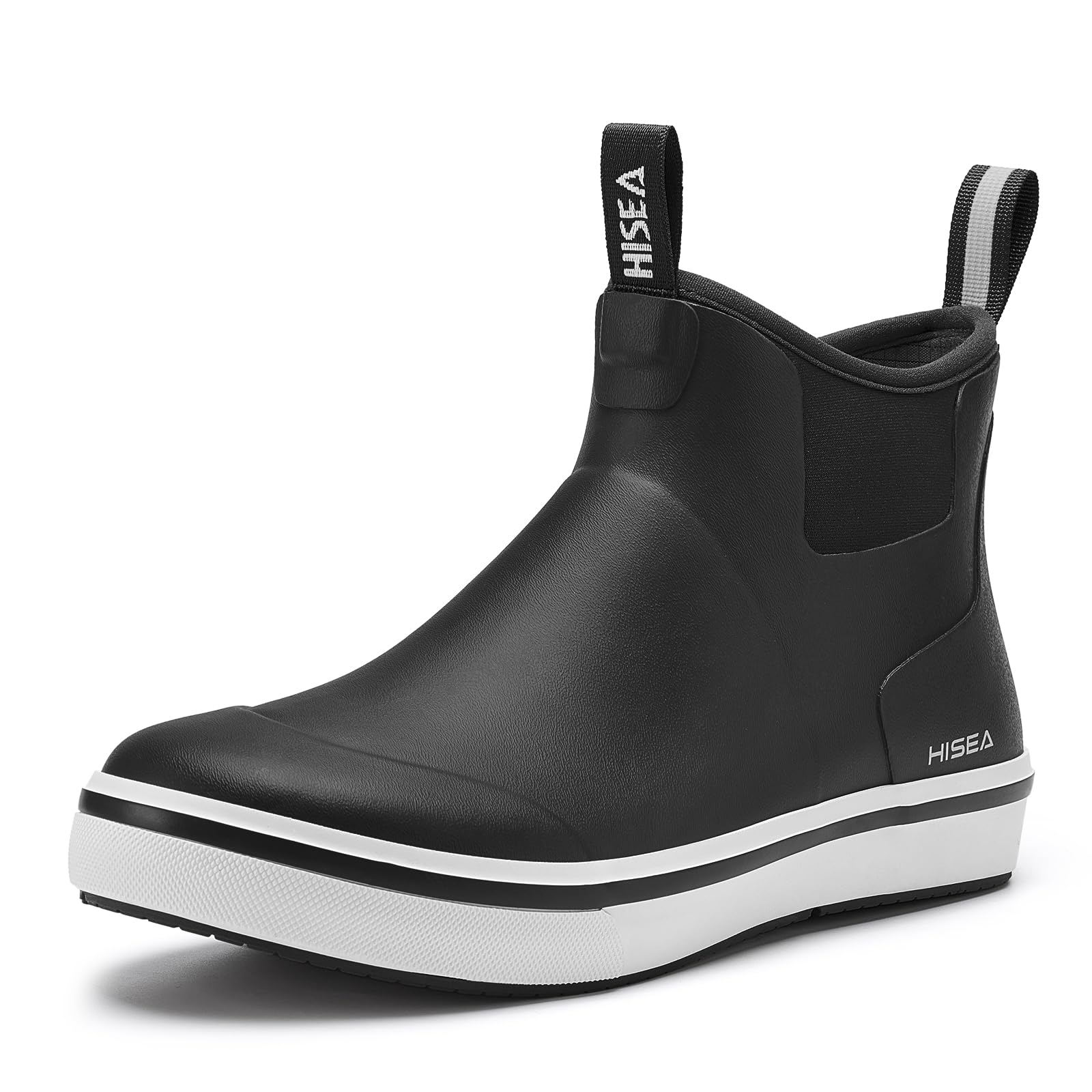
Types of Boat Deck Boots Compared
Deck boots fall into three broad types, and the right one depends on how much water reaches your feet and how cold that water is. Prices overlap, so choose by coverage and season first and by cost second.
Short Ankle Deck Boots for Warm Days and Quick Trips
Short ankle boots end just above the ankle bone and feel closest to a sturdy shoe. They are light, flexible, and easy to pull on for short trips, dock work, and warm afternoons when spray is light. Most cost about $50 to $90. Their low cuff is also their limit, because spray or a deep ramp puddle can pour straight in. Choose it if your feet run warm and your trips stay short.
Mid Calf Waterproof Deck Boots for Spray, Rain, and Fishing
Mid calf boots rise halfway up your shin and keep out spray, rain, and water sloshing across the deck. A waterproof upper with sealed seams suits anglers who stand in wash water and sailors who launch in the rain, and most pairs cost about $70 to $120. For broader background on taller footwear for rough water, see our guide to the best boat boots before you settle on a height.
Insulated Deck Boots for Cold Water and Early Starts
Insulated boots add a warm lining, often foam or a synthetic fill, inside a waterproof shell. They suit cold morning launches, late season fishing, and anyone whose feet chill quickly when socks get damp. Most cost about $90 to $160. The trade off is bulk and heat, because that lining feels heavy and hot on a mild afternoon. Choose insulation only when cold is a regular part of your season.
Ankle Height or Mid Calf Height: Which Deck Boot Should You Choose?
Compare the two main heights on four points. Ankle boots win on weight, flexibility, and airflow, and they pack smaller in a gear bag. Mid calf boots win on coverage, because the taller shaft blocks spray and keeps pant legs from soaking through at the cuff. On warmth the taller boot wins again, simply because less skin sits close to cold air and water. For an overview of the wider category, see our guide to the best deck boots and note how height changes each model there.
Let your worst regular condition decide, not your best day. If you often step into water at the ramp or clean fish on a wet deck, the taller boot saves you wet socks on most trips. If you mostly sit, steer, and step onto dry docks, the shorter boot will feel better for longer. If you are also fitting out the deck, see our guide to the best boat deck chairs for seating for long hours on board.
How to Choose the Right Boat Deck Boot
When you compare the best boat deck boots for your own boat, work through the factors below in order. Grip and waterproofing protect you first, and fit decides whether you can wear the boot all day.
Siped Outsole Traction on Wet Decks
Deck traction comes from siping, the network of thin slits cut into a flat rubber outsole. Those slits open as you step and push water aside, so more rubber touches the wet surface. Look for a non marking rubber compound, because dark soles can leave scuffs on light fiberglass. Avoid deep lugs, which suit mud on land but reduce contact on a smooth deck and can catch on cleats and lines.
Waterproofing, Sealed Seams, and Shaft Height
A waterproof boot is only as dry as its weakest seam. Look for sealed or welded seams, a one piece lower shell where possible, and a membrane lining in styles built like shoes. Rubber and neoprene shed water well, while a breathable waterproof membrane, including Gore Tex styles, lets some heat escape on mild days. Match the shaft to your spray level, because water that enters over the top defeats every membrane below it.
Fit, Sizing, and Toe Box Room
Measure your feet in the afternoon, when they are at their largest, and try boots with the socks you will wear on the water. Your toes should wiggle freely and never press the front when you brace on a slope, so look for a toe box with real width rather than a pointed shape. Your heel should stay seated as you walk, with only slight lift. If you fall between sizes, choose the larger one and adjust with a thicker sock or an added insole.
Cushioning, Arch Support, and Stability on a Moving Deck
A hard deck sends every step straight into your knees and lower back. A cushioned midsole with a shaped footbed spreads that load, and clear arch support matters if you stand at a helm or a casting platform for hours. Stability comes from a wide, flat base and a firm heel cup that keeps your foot centered when the boat rolls. Favor moderate cushioning with a stable platform over maximum softness, which can feel unsteady on a moving deck.
Weight, Flexibility, and Getting Boots On and Off
You kneel to handle lines, climb ladders, and shift your weight all day, so a boot must bend at the forefoot without fighting you. Lighter boots tire your legs less on long days, but very thin uppers give up protection against dropped gear and cold water. Pull loops at the back and a kick ridge at the heel help you get boots on and off with wet hands and no bench.
Common Mistakes to Avoid
Most poor choices come from shopping for land weather rather than for a wet, moving surface.
- Choosing deep lug soles for a boat leaves less rubber on a smooth deck and raises your slip risk.
- Buying a low ankle boot for cold spray lets water in over the cuff and ends the day in wet socks.
- Sizing down for a snug feel cramps your toes and makes your feet colder by slowing blood flow.
- Wearing cotton socks traps sweat and rain against your skin and leaves your feet chilled.
- Ignoring the non marking rule can leave dark scuffs that are hard to scrub off light fiberglass.
- Storing boots wet after every trip breeds odor and slowly breaks down linings and glues.
How to Make Your Boat Deck Boot Last Longer
Rinse your boots with fresh water after salt water use, because dried salt stiffens rubber and corrodes metal eyelets and zips. Wash off mud and fish residue the same day, then air dry the boots away from direct heat, since radiators and strong sun can crack rubber and warp linings.
Between trips, store boots upright in a cool and shaded place so the shafts keep their shape. Check the outsole every few weeks for smooth patches, and check seams and the lining for cracks or peeling.
Frequently Asked Questions
How long is the break in period for boat deck boots?
Most boat deck boots need little break in time and feel right within two or three short outings. Rubber and neoprene styles soften slightly at the ankle and forefoot as you wear them. Wear a new pair at home first, because a pressure spot noticed on carpet will grow worse on a rolling deck. Persistent pinching after several outings points to the wrong size, not to a boot that needs more time.
Do boat deck boots need to be waterproof for fair weather sailing?
Yes, boat deck boots should still be waterproof for fair weather sailing. Decks get wet from wash downs, coolers, and spray even on sunny days, and one soaking can stay with you for hours. Waterproofing also blocks ramp water during launch and retrieval, when most fair weather sailors actually step into the water.
How should boat deck boots fit at the toes and at the heel?
Boat deck boots should leave about a thumb width of space in front of your longest toe while your heel stays seated. Stand on one foot and lean forward, because that test shows toe pressure you will miss standing still. A small gap behind the heel when the boot is unlaced or unpulled is normal in pull on styles and closes once your weight settles in.
Can you wear boat deck boots all day on deck?
Yes, you can wear boat deck boots all day if the cushioning and fit suit long standing. Take short sitting breaks each hour to let pressure leave your feet, and swap to dry socks at midday on wet trips, because dry socks restore warmth and reduce friction blisters. If your arches ache by evening, a firmer replacement insole often helps more than a softer one.
How often should you replace boat deck boots?
Replace boat deck boots when the outsole turns smooth in the center, the lining cracks, or water starts entering through seams. For regular weekly use, that point often arrives after about two to three seasons, though stored heat and sun can shorten it. A home test helps: step through a little water on a smooth floor and note whether your feet slide more than when the pair was new.
Our Verdict
Start with the water you meet most often. Choose ankle boots for warm and mostly dry decks, mid calf waterproof boots for spray, rain, and fishing, and insulated boots when cold water defines your season. Then confirm the siped outsole, the sealed seams, and a toe box with room to brace, using the product table above to compare heights and prices side by side.
Chosen that way, the best boat deck boots stop being a style choice and become simple safety gear. Buy for your wettest regular day, and your footing will stay steady trip after trip.