Best Boat Boots for 2026: Which One Fits the Way You Use It?
Disclosure: We may earn a commission when you buy through links on this page, at no extra cost to you. As an Amazon Associate I earn from qualifying purchases. Learn more

Compare the best boat boots by routine: siped soles for wet decks, ankle or tall shafts for spray and launches, and non marking soles that protect the finish.
A wet deck changes what your feet need. The pair that feels right on a calm morning of fishing will feel wrong during a rainy regatta or a cold launch at the ramp, so the honest starting point is your routine, not a price tag. This guide matches the best boat boots to the way you actually spend time on the water, working through soles, shaft height, waterproofing, and fit in that order.
Prices and availability can change, so check the product page before ordering. Use the product table below to see how the main styles line up before you read the detail.

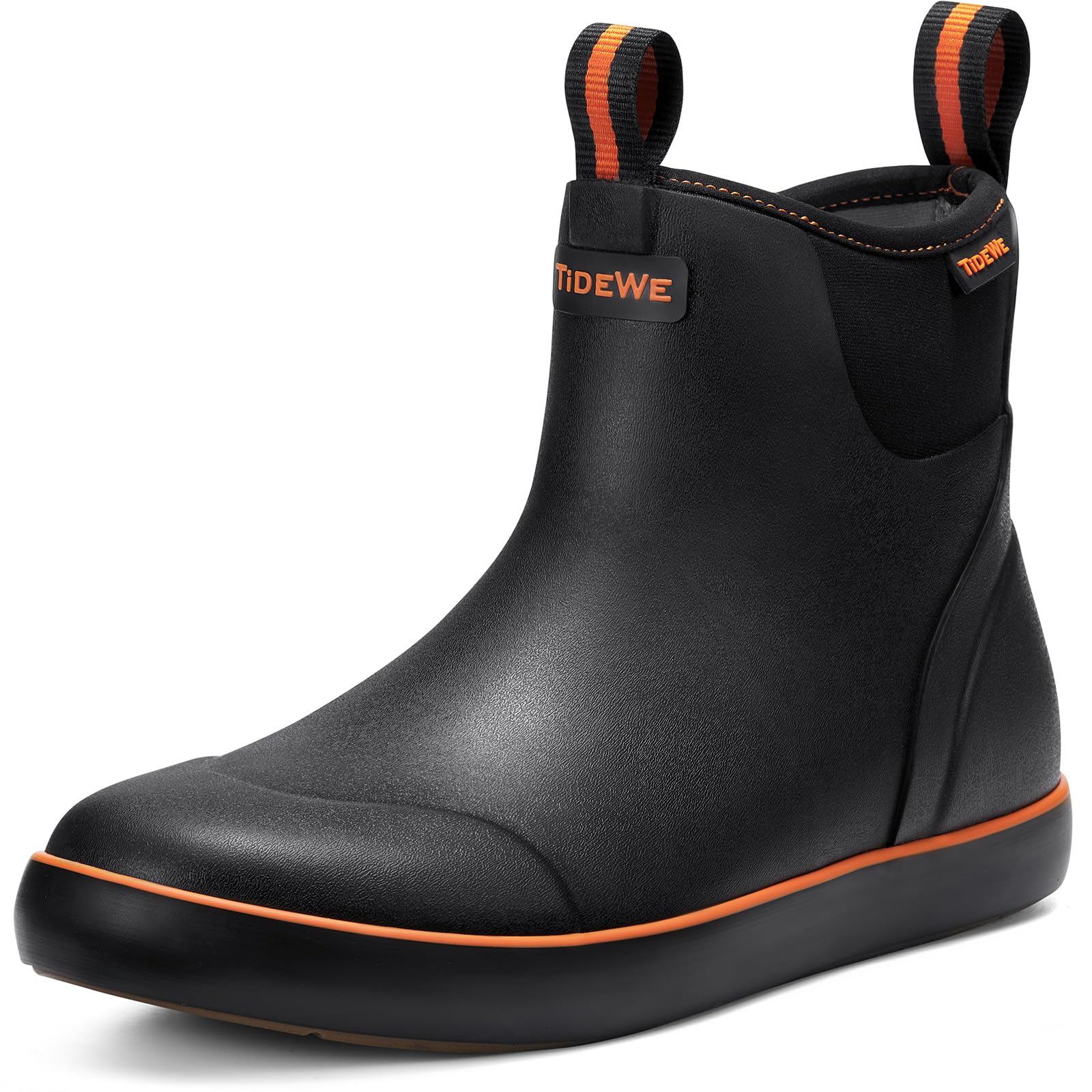
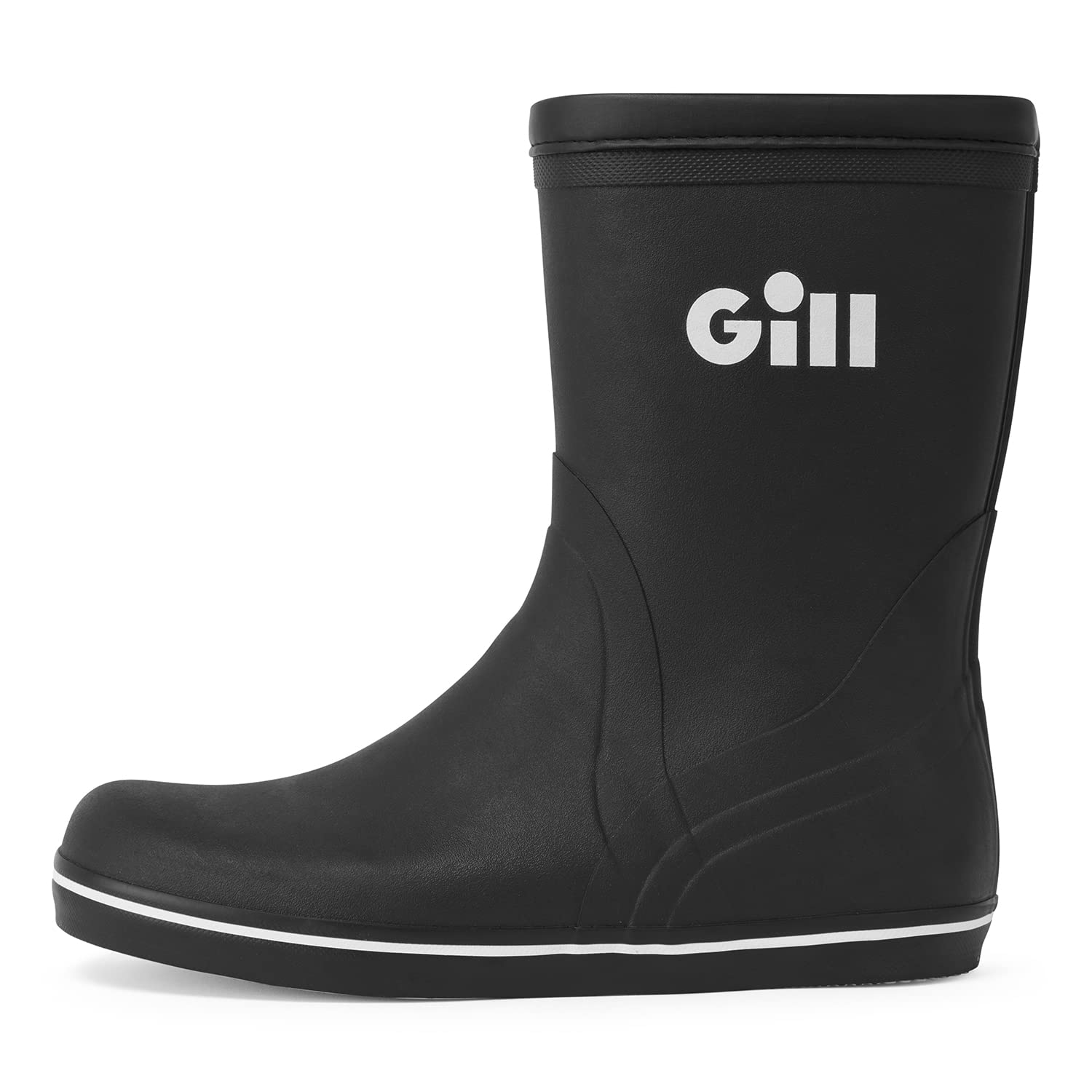

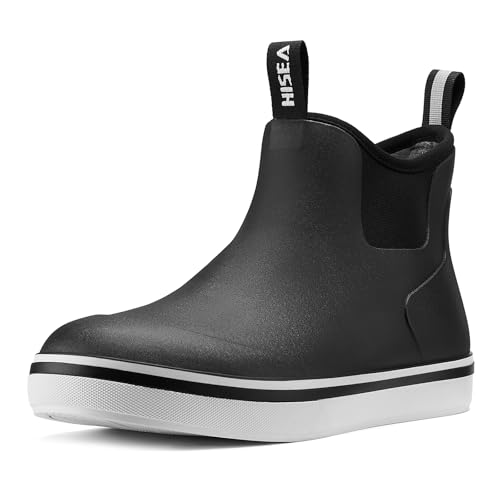


Who Should Buy Which Boat Boots?
There is no single pair that suits everyone, which is why the best boat boots for a racing crew differ from the right pair for a weekend angler. Start with the routine below that looks most like yours.
For Weekend Beginners
Casual sailors and anglers who go out a few times a month need an ankle height pair with a siped sole and a simple pull on entry. You do not need expedition level sealing for fair weather day trips. A starter pair runs about $40 to $80, and that class covers most lake and bay use.
For Bad Weather and Tough Conditions
If your routine includes cold rain, spray over the bow, or winter fishing, look at tall rubber boots or ankle boots with a sealed membrane and taped seams. Warmth lining matters once water temperatures drop, and a taller shaft keeps driven rain from running down into the boot. This group should budget about $80 to $150. Buy for the wettest day you realistically face, not the average day.
For Frequent or Serious Users
Guides, racers, and weekly anglers wear through soles and linings faster, so durability and warranty terms matter most. Look for replaceable insoles, reinforced toe and heel zones, and a sole compound that stays soft in cold water. Premium pairs run about $150 to $250, and the extra money buys service life across many seasons.
For Small Spaces and Easy Storage
On a small boat, storage is a real constraint, and a stiff tall boot may have nowhere to live. Soft shaft ankle boots fold flat, pack into a locker, and weigh little in a gear bag. If your boat has tight storage, measure the locker before you fall for a tall pair you cannot stow.
Key Features to Compare
Siped Soles and Wet Deck Grip
Stated plainly, a siped sole governs grip on a wet deck. Sipes are thin slits cut across the sole rubber, and each slit opens as you step, channeling water away so the rubber meets the deck instead of floating on a film of water. A flat, soft compound with dense siping grips fiberglass and teak far better than the deep lugs of a hiking boot, which are built for mud. Check that the siping covers the heel as well as the forefoot, because slips usually start at heel strike.
Shaft Height: Splash Coverage vs Launch Coverage
Shaft height sorts buyers faster than any other choice. An ankle height boot, roughly 5 to 7 inches, governs splash coverage: it stops spray, puddle slosh, and washdown water, and it stays cool and light through a long day. A tall boot, roughly 12 to 16 inches, governs launch coverage, because launching at a ramp or a soft shore means stepping into the water, and only a tall shaft keeps that water out. Mid height pairs around 8 to 10 inches split the difference for anglers who wade a few steps at the dock, so choose by the deepest water your routine puts under your feet.
Non Marking Soles and Your Deck Finish
A non marking sole governs whether your boots scuff the deck finish. Dark, hard rubber compounds can leave black streaks on white fiberglass and gelcoat. Non marking soles use lighter colored, softer compounds that grip without depositing rubber, which is why most charter fleets and sailing schools insist on them. If a listing does not say non marking, treat the pair as a fishing and work boat option rather than a finished deck option.
Waterproofing, Seams, and Drying Time
Full rubber boots are waterproof by construction, while fabric and leather uppers rely on a membrane and sealed seams that can fail at flex points over time. Consider what happens after water gets in, because every boot ships water over the top eventually. Membrane boots dry slowly once soaked inside, while simple rubber pairs can be wiped and worn again the same day. Drainage ports belong to deck shoe hybrids, not true boots.
Fit, Sizing, and Toe Room
Feet swell over a long day on the water, so try boots on in the afternoon and with the socks you actually wear. You want room to wiggle your toes, a heel that lifts only slightly as you walk, and no pressure across the instep when the boot flexes. If you fall between sizes, the larger size with a thicker insole usually beats a tight pair that numbs your feet in cold water.
Boat Boots vs the Rest of Your Gear List
Some purchases that share the word boat belong to entirely different classes, and sorting them keeps your budget aimed at footwear. Deck audio is one separate class, since the best boat speakers cover sound for the cockpit and say nothing about footing. Cooking gear sits in its own class too, because the best boat grills are judged on meals at anchor rather than grip. Open footwear forms another class, and the best boat sandals suit dry docks and warm slips instead of sealed boots.
Drying gear is a different class again, where the best boat towels handle wet skin, seats, and spills rather than traction. Seating rounds out the list as furniture, and the best boat chairs are compared on comfort and folded size, not on soles.
Common Mistakes to Avoid When Buying Boat Boots
- Judging by price alone, because the cheapest pair often pairs a hard sole with weak siping and slips first.
- Choosing deep lugged soles made for trails, because lugs hold mud well but skate on smooth wet fiberglass.
- Buying tall insulated boots for calm summer lake use, because your feet overheat and the boots live in the locker.
- Forgetting the non marking question on a finished deck, because one season of black streaks costs more effort than the boots saved.
- Sizing in the morning with thin socks, because swollen feet and winter socks turn a snug fit painful by midday.
Care and Maintenance Tips
Rinse salt off your boots after every trip, because dried salt stiffens rubber, corrodes metal eyelets, and shortens the life of membrane seams. Fresh water and a soft brush are enough. Dry boots upright in moving air away from direct heat, since radiators and hot sun crack rubber and warp soles. Stuff tall shafts with newspaper or a boot tree so they stand straight instead of folding into a permanent crease.
Inspect the siping every season by running a thumbnail across the sole. When the slits have worn smooth and shallow, the compound can no longer channel water, and grip fades even though the boot looks fine from above. That wear point, not the calendar, is the honest signal that a pair has finished its service.
Boat Boots: Your Questions Answered
Do boat boots need to be fully waterproof?
Boat boots need to be waterproof only to the depth your routine reaches. Spray and washdown water call for a waterproof upper and sealed seams, while stepping off at a ramp calls for height more than coatings. One point buyers miss is that a waterproof membrane slows drying once water comes over the top, so fair weather sailors sometimes do better with a simple rubber ankle boot that wipes dry in minutes.
How should boat boots fit compared with street shoes?
Boat boots should fit a touch roomier than street shoes, with space for your toes to spread on a moving deck. A small amount of heel lift is normal in a pull on style, but your toes should never jam the front when the boat pitches. Try them at the end of the day, and if you plan to wear heavy socks, bring those socks to the fitting rather than guessing at home.
How long do boat boots usually last?
Boat boots usually last three to six seasons of regular use, depending on sole wear and how they are stored. The upper almost always outlives the sole, because grip depends on siping depth that grinding across decks slowly erases. Sun exposure during dockside storage ages rubber faster than the hours spent wearing the boots. A pair kept rinsed, shaded, and upright will outlast a neglected pair by years.
Can boat boots be worn all day on land?
Boat boots can be worn all day on land, but they are not built like walking shoes. The flat sole that grips a deck offers little arch cushioning for miles of pavement, and tall rubber shafts get hot away from the water. For a day that mixes dock work, errands, and an evening sail they are fine. For a trip that is mostly walking, a deck shoe or a land shoe is the kinder choice.
Are expensive boat boots worth the money?
Expensive boat boots are worth the money when your routine is wet, cold, or weekly, because the premium buys better seam sealing, softer cold weather rubber, and stronger warranties. A pair at about $150 to $250 should show those upgrades in the listing, not just a logo. Occasional fair weather users get nearly the same safety from the about $40 to $80 class. Match the spend to your wettest regular day, not your worst imagined one.
Final Thoughts
Choose by routine first: the siped sole for grip, the shaft height for the water you actually meet, and a fit that leaves room for socks and swelling. The product table pulls those tradeoffs into one view for a final check. Pick the pair that fits your wettest regular day, and the best boat boots for your boat will take care of your footing season after season.