Best Bone Saws for Hunting: Matching the Right Model to Your Routine for 2026
Disclosure: We may earn a commission when you buy through links on this page, at no extra cost to you. As an Amazon Associate I earn from qualifying purchases. Learn more

Match the best bone saws for hunting to your routine, from packable manual saws to powered saws for camp, so you avoid overpaying.
The right bone saw depends on where your work happens. A backcountry hunter quartering an elk miles from the truck needs a light saw that packs flat, while a hunter who processes deer at home may want a powered saw that moves through pelvic bones and rib cages in seconds. This guide matches the best bone saws for hunting to those routines, so you buy control and clean cuts rather than raw power you cannot use.
We cover manual and powered designs together, because both earn a place in hunting kits for different reasons. Use the comparison table below to check weight, power source, and blade options against the routine that sounds most like yours.


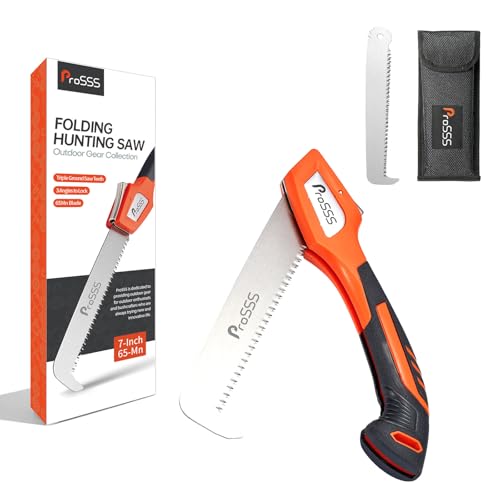


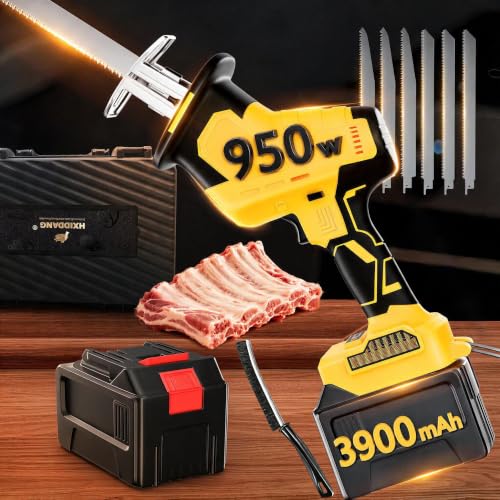
Who Should Buy Which Bone Saws?
For People Who Want the Best Performance
Performance in the field means a clean cut with little effort and no wandering blade. For powered models, that points to a brushless motor, variable speed control, and a blade stroke long enough to clear bone chips as it cuts. For manual models, it means a rigid frame or a locking folding design with an aggressive tooth pattern that bites on the pull stroke.
Premium money also buys better sealing against moisture and easier cleaning, which matters when a tool handles raw game. If you process several animals each season, that ease of cleaning and a supply of spare blades are worth more than a small gain in cutting speed.
For First Time Buyers
Start with control. A compact manual saw or a small powered saw with variable speed lets you learn the feel of bone cutting without the tool running away from you. Look for a grip that fills your hand even with gloves on, a blade guard or sheath for the pack, and blades that are cheap and easy to replace, since new users dull blades faster.
Practice before the season on wood of similar thickness or on bones from the butcher. Learn to let the teeth do the work with light pressure. That habit protects the blade, your hands, and the quality of the meat. Our broader guide to the best bone saws adds background on blade types if you want more detail before choosing.
For Gift Shoppers
A bone saw is a practical gift for a hunter who processes their own game, and it lands best when it fits the gear they already own. For powered saws, match the battery platform the hunter already uses, since a bare tool without a battery is a frustrating present. For manual saws, choose a model with a sheath and a spare blade included.
Consider the hunting style too. A treestand whitetail hunter and a western hunter packing into high country need very different weights. When in doubt, a quality folding manual saw suits almost any kit and pairs well with sharp knives and game bags as a complete field dressing gift.
Key Features to Compare
Durability and Brushless Motors
On powered saws, a brushless motor delivers more torque for its size, runs cooler under load, and has no brushes to wear out, which suits a tool used hard for a few weeks each year and stored the rest. It also tends to stretch battery life, a real benefit at a cold camp. Brushed motors cost less and still cut well, but expect shorter run time per charge.
Durability is also about the body. Look for sealed switches, metal gear housings on powered models, and frames that do not flex on manual models. Flex wastes your effort and bends cuts off line. A saw that survives drops onto rock and frozen ground will serve many seasons.
Weight, Ergonomics, and Vibration
Weight decides whether the saw rides in your pack or stays at the truck. Manual hunting saws often weigh well under a pound, while cordless powered saws with a battery can reach three to five pounds. That gap is worth it at home or at a drive in camp, and hard to justify on a steep pack out.
Grip shape and vibration matter during long cuts. A rubber covered grip that works with gloves, a balanced body you can guide with one hand while the other holds the leg steady, and low vibration all reduce fatigue and keep cuts straight. Tired hands make sloppy cuts, and sloppy cuts near joints waste meat.
Corded vs Cordless (Battery Platform)
Cordless saws rule the field because there is no outlet in the woods. Modern 18 volt and 20 volt platforms give enough power for pelvic bones and sternums, and one battery usually handles a full deer. Carry a spare in cold weather, since low temperatures cut run time. If your home processing bench uses the same platform as your other tools, batteries and chargers are already paid for.
Corded models still make sense at a fixed home setup, where they deliver steady power with no charging and cost less. The cord, though, is a hazard around wet floors and sharp blades, and it limits where you can work. Most hunters who buy one saw should buy cordless and treat corded as a bench luxury.
Features That Matter for Hunting
Hunting adds demands that shop work does not. The saw must handle frozen or partly frozen carcasses, work at odd angles on the ground, and clean up to a food safe standard afterward. Stainless or coated blades resist rust from blood and moisture. A blade change system you can work with gloved or cold hands saves real frustration.
Blade length around 6 to 9 inches suits most game tasks, from splitting the pelvis to removing lower legs. Teeth should be coarse enough to clear bone dust without clogging. Packability counts too: a folding or sheathed blade protects your pack and your hands.
Accessories Included
Check the box contents closely, because the extras decide the true price. Useful inclusions are spare blades in two tooth counts, a hard case or belt sheath, a battery and charger for powered models, and a cleaning brush. A case matters more than it sounds: it keeps a sharp blade away from other gear and keeps blood off your pack after use.
Blade supply is the accessory that keeps giving. Confirm that replacement blades are sold widely and cheaply, and buy a spare pack with the saw. A dull blade in the middle of a pack out turns an easy job into a long one.
Common Mistakes to Avoid When Buying Bone Saws
- Buying the biggest powered saw for backcountry hunts, then leaving it behind because of weight.
- Ignoring the battery platform, so the new saw needs its own charger and costly batteries.
- Choosing fine teeth meant for metal or wood finish work, which clog at once in bone.
- Forgetting cleaning needs, then fighting rust and residue on a saw with sealed gaps you cannot reach.
- Skipping the warranty check on a tool that will face water, blood, and freezing weather.
Care and Maintenance Tips
Wash the blade and any food contact parts in hot soapy water as soon as you can after use, dry them fully, and oil metal lightly before storage to stop rust. Wear eye protection when using powered saws, and cut resistant gloves when handling blades. Let the tool do the work and do not force it, since forcing dulls teeth and can snap a blade. Keep blades sharp by replacing them when cutting slows, and store the saw clean and dry in its case, with batteries removed for long storage.
Frequently Asked Questions
What features matter most in bone saws for hunting?
Blade quality, weight, and cleaning ease matter most. You need coarse teeth that clear bone dust, a grip that works with gloves, and parts that wash clean to a food safe standard. For powered models, variable speed and a shared battery platform come next. Match saw size to your game: deer and elk ask more of a saw than small game ever will.
What matters most for a home processing setup?
At a home processing bench, power and blade stroke matter most, along with a steady work surface and good lighting. A cordless or corded powered saw with variable speed handles frozen joints and thick bones with less effort than a manual saw. Keep a food only blade set for game so shop dust and oils never reach your meat.
Is a brushless motor worth it?
For hunters who process several animals a season, yes. A brushless motor gives stronger torque, longer run time per battery, and no brushes to service, and it holds up better in cold damp camps. For a hunter who quarters one deer a year, a brushed model or a good manual saw covers the job at lower cost.
Can I use batteries across brands?
No, batteries are platform specific in almost every case. A battery fits tools from its own brand line and voltage family, not rival brands. Adapters exist but can void warranties and fit poorly. The smart move is to buy a saw on the battery platform you already own, or choose a manual saw and skip the question entirely.
Corded or cordless: which is better for home game processing?
Cordless is better for most home game processing because you can work in a garage, yard, or camp without hunting for an outlet or dragging a cord through a wet area. Corded wins only at a fixed bench where you process often and want steady power at a lower price. For field use, cordless and manual are the only real options.
Wrapping Up
Match the saw to your routine: light and manual for the pack, powered and variable speed for camp and home. Then check blade supply, cleaning ease, and grip comfort before price. Compare the best bone saws for hunting in the product table above against those points, and you will own a saw that makes processing calmer, cleaner, and quicker every season.