Best Boat Speakers 2026: Marine Sound Guide
Disclosure: We may earn a commission when you buy through links on this page, at no extra cost to you. As an Amazon Associate I earn from qualifying purchases. Learn more

Compare boat speakers by water resistance, power, mounting, and sound, so music survives spray, sun, and open water on every single trip out.
Marine speakers have to sound clear over wind and engine noise and survive spray, sun and vibration season after season. The best boat speakers balance water resistance, power handling, mounting fit and clear sound outdoors rather than chasing the biggest wattage number. Use the comparison table below for a quick look, then read on to match a type to your boat.
The sections below cover who each type suits, the features that matter on the water, common mistakes and how to look after your speakers.




Who Should Buy Which Type?
Day boaters
Day boaters need speakers that handle spray, sun, and occasional splashes without fuss. Water resistance and UV resistant materials matter more than maximum power. A system that sounds clear at moderate volume suits relaxed days on the water.
Watersports boaters
Boats that tow skiers or wakeboarders need louder speakers that project sound behind the boat. Tower speakers suit this use, projecting sound to riders. Check mounting strength, since tower speakers face wind and vibration.
Fishing and cruising boaters
Fishing and cruising boats need speakers that sound good at low volume without disturbing wildlife or neighbors. Clear, balanced sound matters more than bass power. Corrosion resistance matters in salt water environments.
Key Features to Compare
Water and weather resistance
Marine speakers use sealed cones, coated components, and corrosion resistant hardware to survive spray and humidity. Check ingress ratings and materials, not only marketing claims. Freshwater use is kinder than saltwater, but both demand sealed construction.
Power and amplifier matching
Speaker power handling should match the amplifier or head unit to avoid distortion and damage. Underpowered amplifiers driven hard can damage speakers through clipping. Check sensitivity too, since efficient speakers play louder from the same power.
Mounting and placement
Flush mount speakers suit consoles and cabins, while tower speakers project sound across open water. Placement affects coverage and balance, so plan speaker positions before buying. Secure mounting prevents vibration and water entry around cutouts.
Sound on open water
Open water has no walls to reflect sound, so speakers need to project clearly without harshness. Bass carries poorly outdoors, so do not expect the same low end as a living room. A subwoofer designed for marine use can add weight if space allows.
Types Compared
Flush mount marine speakers
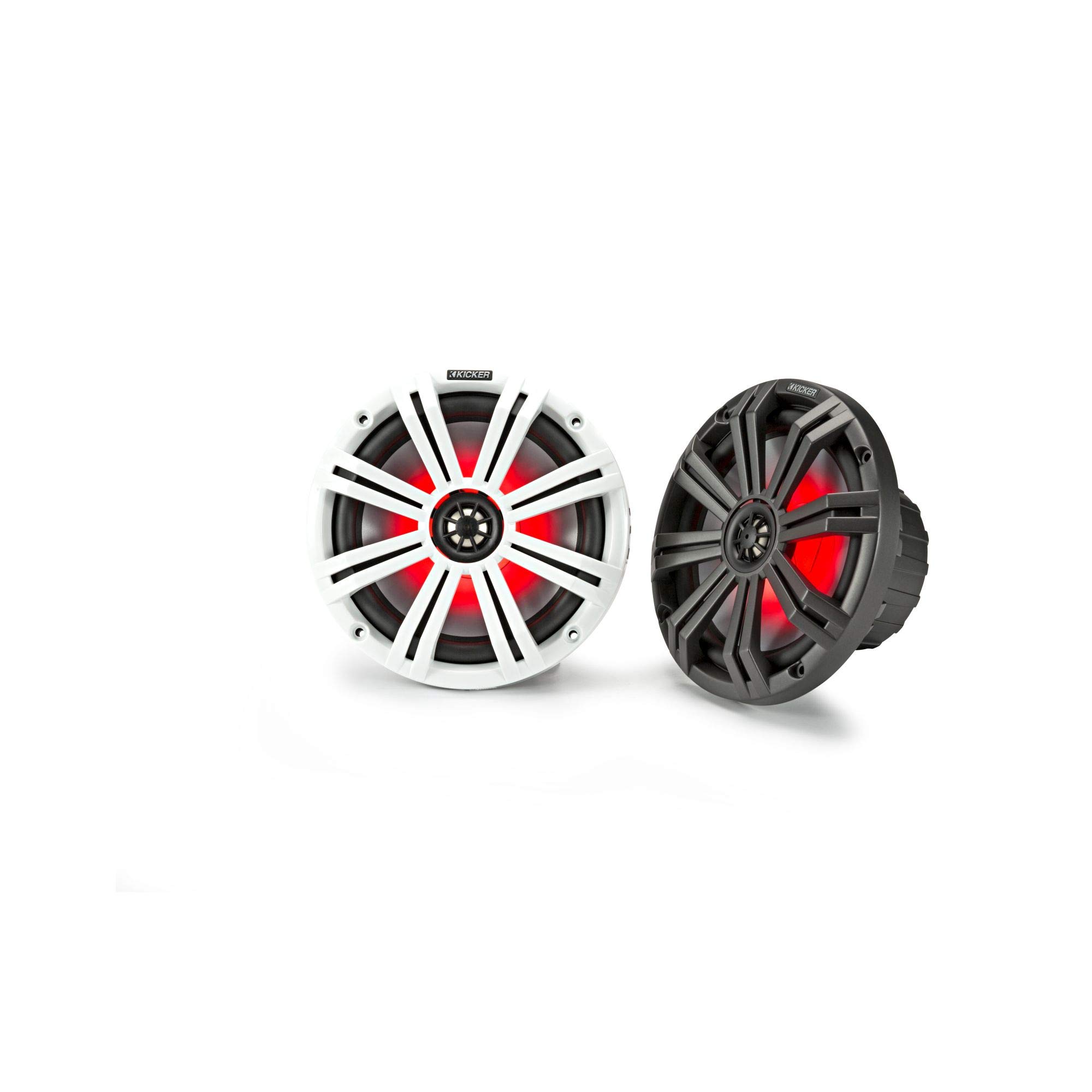
Flush mount speakers install in consoles, cabins, and bulkheads, giving clean looks and protected placement. They suit most boats and sound balanced at moderate volume. Installation needs careful cutouts and sealing.
Tower speakers
Tower speakers mount on wakeboard towers and project sound behind the boat for riders. They are louder and more directional. They suit watersports boats and add wind resistance.
Portable marine speakers
Portable speakers move between boat, dock, and shore, suiting small boats and renters. They cannot match installed systems for volume and coverage. They are a flexible option for occasional boating.
Common Mistakes to Avoid
These traps are easy to avoid once you know them.
- Using car speakers on a boat. Car speakers corrode quickly in marine environments. Marine speakers use sealed parts and stainless hardware for a reason.
- Ignoring amplifier matching. Mismatched power causes distortion and speaker damage. Match speaker handling to amplifier output and check sensitivity.
- Sealing cutouts poorly. Water enters through poorly sealed cutouts and damages interiors. Seal mounts carefully and check seals each season.
- Expecting living room bass outdoors. Open water dissipates bass. Judge marine speakers by clarity and projection, not by indoor bass depth.
Planning for Everyday Use
Rinse speakers with fresh water after saltwater use, and check mounts and seals each season for corrosion or loosening. Cover speakers when the boat is stored, and protect them from prolonged direct sun when possible. Disconnect power before working on wiring, and keep electrical connections dry and corrosion free. Follow local rules on sound levels near marinas and wildlife areas.
Related Guides
For more detail, see our guides to the best bluetooth boat speakers, the best waterproof speakers for boat, the best portable speakers for boat, the best boat tower speakers and the best marine boat speakers.
Frequently Asked Questions
What makes a speaker marine rated?
Marine speakers use water resistant cones, sealed magnets, UV resistant materials, and corrosion resistant hardware. They are tested for humidity and spray in ways car speakers are not. A marine rating is about durability, not only sound.
Do I need an amplifier for boat speakers?
Many head units power small speakers adequately, but larger systems and tower speakers benefit from a dedicated marine amplifier. An amplifier gives cleaner volume at speed and on open water. Match amplifier power to speaker handling.
How do I protect speakers in winter?
Cover the boat, remove portable speakers, and check installed speakers for trapped water before freezing weather. Disconnect batteries for long storage. Inspect seals in spring before the first outing.
Can I install boat speakers myself?
Flush mount installation is doable with careful measuring, cutting, and sealing, but wiring and amplifier work need care around marine electrical systems. If you are unsure about wiring or sealing, hire a marine installer. Poor sealing causes expensive damage.
Why does sound seem quieter on water?
Open water lacks walls to reflect sound, and wind and engine noise compete with music. Speakers need to project, not only play loud indoors. Tower speakers and higher sensitivity models help, but volume expectations should adjust for outdoors.
Final Thoughts
Start with water resistance and mounting fit, then match power to your amplifier and judge sound by clarity outdoors. Compare your shortlist in the product table above, and the best boat speakers for you will be the pair that survives the spray and stays clear at cruising speed.